



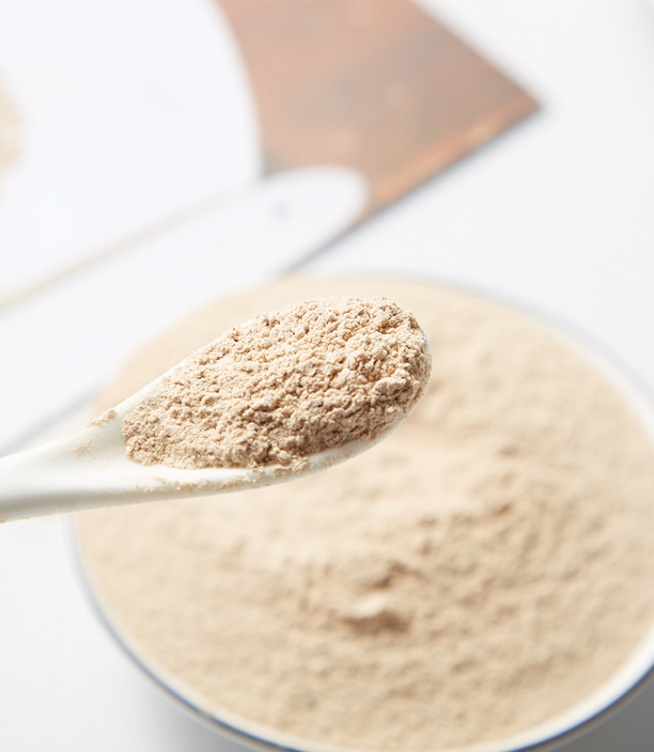
What Is Cumin Powder? A Guide to Its Flavor, Processing, and Applications
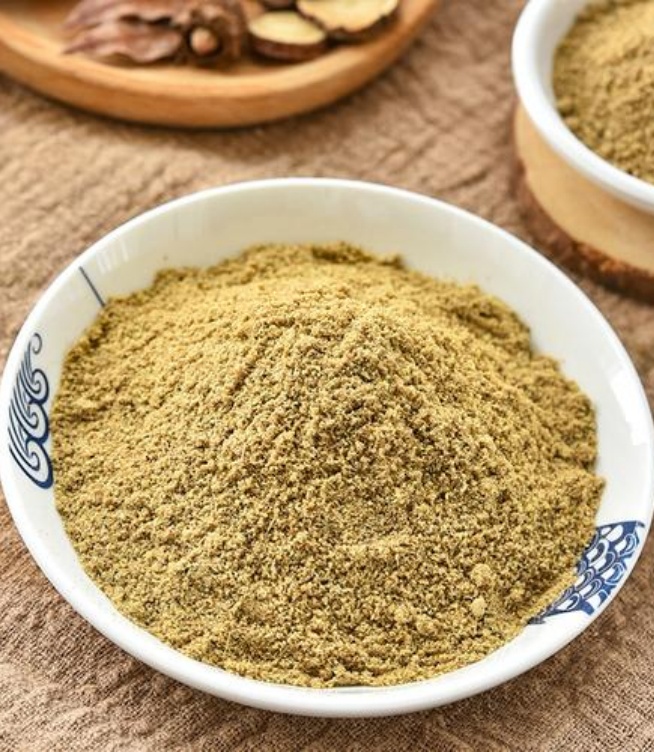
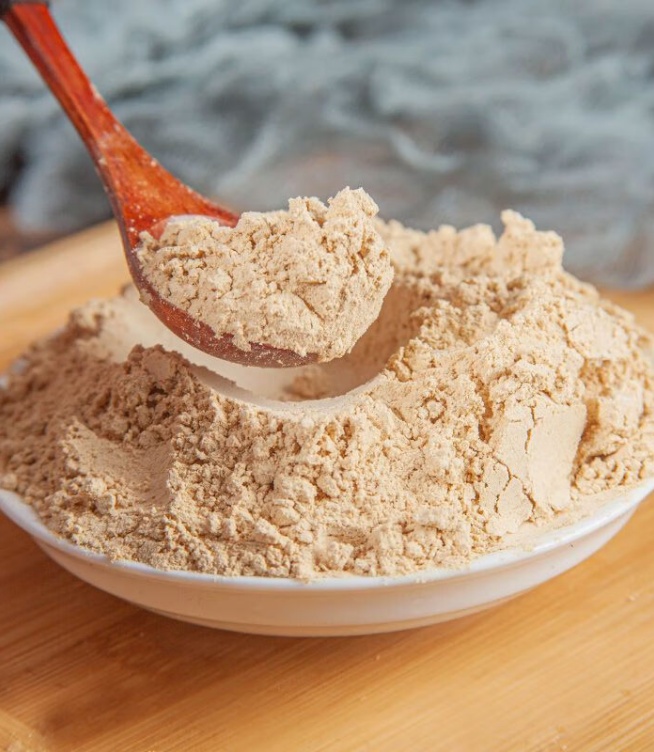
Cumin powder is a ground spice made from the dried fruits of Cuminum cyminum, an annual plant in the Apiaceae family. Known for its warm, earthy, slightly bitter, and aromatic profile, cumin is widely used in seasoning blends and food products across Asia, the Middle East, North Africa, and other culinary traditions.
For food manufacturers, cumin powder is valued for its concentrated aroma, convenient handling, and versatility in both seasoning blends and formulated food products. It can be used as a standalone spice or combined with other ingredients to create specific flavor profiles.
What Is Cumin Powder Made From?
Pure cumin powder is produced by cleaning and grinding dried cumin fruits, commonly referred to as cumin seeds. A pure cumin powder product contains cumin as its sole ingredient.
It is important to distinguish pure cumin powder from cumin-based seasoning blends. Some commercial seasoning products may combine cumin with ingredients such as chili, black pepper, coriander, cinnamon, sesame, salt, or other flavoring components. These products are formulated seasonings rather than pure ground cumin.
The composition of a cumin powder or seasoning blend should therefore always be evaluated according to the product specification and ingredient list, particularly for industrial food applications.
Where Does Cumin Come From?
Cumin has a long history of cultivation and culinary use across Asia, the Middle East, and the Mediterranean region. Botanically, Cuminum cyminum is native to the region extending from Iraq to Afghanistan and is now cultivated in many parts of the world, including North Africa, the Mediterranean, South Asia, and China. Xinjiang is also one of the areas where cumin is cultivated today.
Archaeological evidence indicates that cumin was used in ancient Egypt. Cumin seeds have been identified among archaeological remains, demonstrating that the spice was already part of historical food and cultural practices. Rather than attributing its history to a single trade route, it is more accurate to view cumin as a spice that spread through long-standing regional trade and cultural exchange.
Today, cumin is widely associated with cuisines from the Middle East, South Asia, Central Asia, North Africa, and China, while also being used in spice blends and processed foods around the world.
How Is Cumin Powder Made?
The manufacturing process for cumin powder generally starts with high-quality dried cumin fruits. The raw material is inspected and cleaned to remove foreign materials and other impurities before grinding.
A typical processing sequence is: Dried Cumin → Cleaning & Sorting → Optional Roasting → Grinding → Sieving → Packing
For standard cumin powder, cleaned dried cumin is mechanically ground to the required particle size. Sieving can then be used to obtain a more consistent powder and remove oversized particles.
Some products use roasted or toasted cumin before grinding. Controlled heating can change the sensory profile of cumin and produce a deeper, more pronounced aroma. However, roasting is not required for all cumin powder products, and the processing conditions need to be controlled according to the desired flavor and product specification.
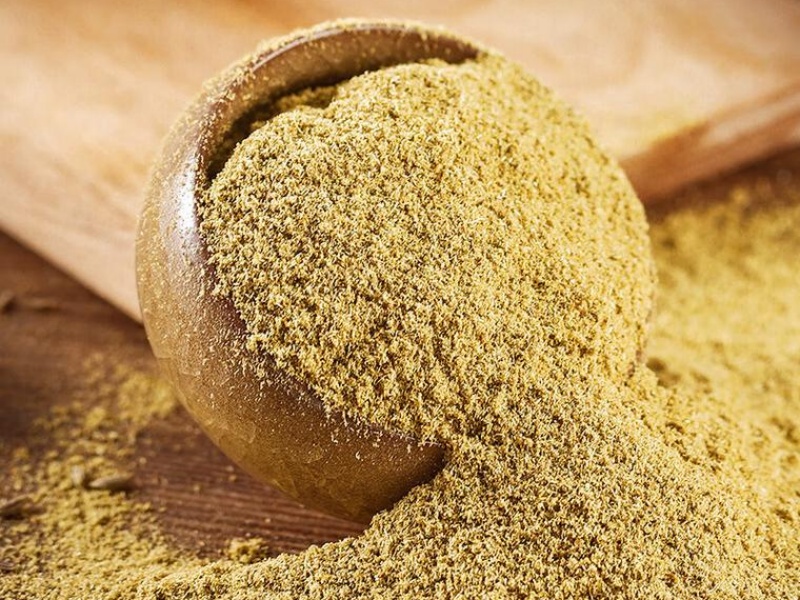
What Gives Cumin Powder Its Distinctive Flavor?
Cumin's characteristic aroma comes largely from its volatile oil components. Cuminaldehyde is one of the major aroma compounds associated with cumin, together with compounds such as p-cymene, γ-terpinene, and α- and β-pinene. These volatile compounds contribute to cumin's distinctive warm, spicy, earthy, and slightly sweet aroma. Roasting and grinding can further influence the aroma profile by changing the volatile compounds released from the spice.
What Is Cumin Powder Used For?
Cumin powder is used across a wide range of food applications:
Meat and Poultry Seasonings: Cumin is commonly used in seasonings for beef, lamb, poultry, and other meat products. Its strong aroma can complement rich meat flavors and is widely used in marinades, dry rubs, seasoning mixes, and ready-to-cook products.
Barbecue and Snack Seasonings: Cumin is a common ingredient in barbecue seasoning blends and savory snack seasonings. It is often combined with chili, pepper, sesame, garlic, onion, or other spices.
Curry and Spice Blends: Cumin is an important component of many spice blends, including curry-related seasoning formulations and other regional spice mixes.
Sauces, Instant Foods, and Processed Foods: Food manufacturers also use cumin powder in sauces, instant noodles, soups, prepared meals, meat products, and other formulated foods. Because cumin powder is already ground, it can be easier to dose and disperse than whole cumin during industrial formulation.
Quality Considerations for Cumin Powder
For commercial cumin powder, quality control typically covers both the raw material and the finished product.
Common considerations include appearance, color, aroma, particle size, moisture, foreign matter, microbiological quality, contaminants, and pesticide residues.
Adulteration is another important consideration for ground spices because grinding makes visual identification of the original raw material more difficult. Reliable sourcing, controlled processing, appropriate testing, and traceable supply chains therefore play an important role in maintaining consistent cumin powder quality.
For storage, cumin powder should generally be kept in a tightly sealed package under cool, dry conditions and protected from moisture, heat, light, and strong external odors. Proper packaging helps protect its volatile aroma compounds and maintain product quality during storage and transportation.
Cumin Powder from ShunDi
ShunDi is a manufacturer of dried food ingredients and spices, supplying ingredients for food manufacturers, ingredient companies, and distributors in international markets.
Our spice product range includes cumin powder and other spice ingredients, available in different specifications to meet application and formulation requirements. By combining raw material sourcing, controlled processing, quality management, and customized product development, ShunDi provides reliable spice ingredients for seasoning blends, sauces, meat products, snacks, instant foods, and other food manufacturing applications.