



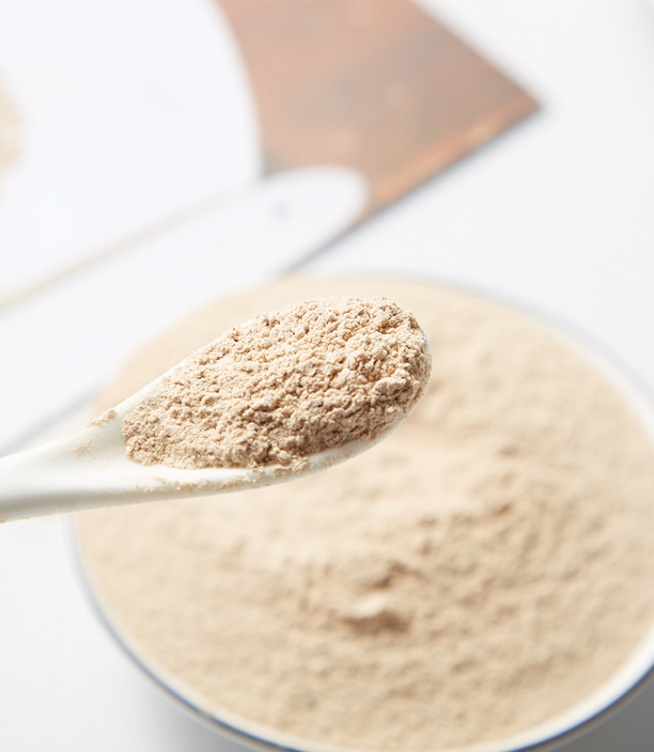
What Are Shallots? Uses, Differences from Onions, and Storage Tips
Shallots are a small type of allium commonly used as a seasoning ingredient. They look somewhat like small onions, but their shape, bulb structure, and flavor are different. Shallots are used fresh in sauces, dressings, soups, and cooked dishes and are also processed into dried ingredients for food manufacturing. For food manufacturers, dried shallots can provide a convenient way to add onion-like flavor to a wide range of savory products while offering easier storage, handling, and transportation than fresh shallots.
What Are Shallots?
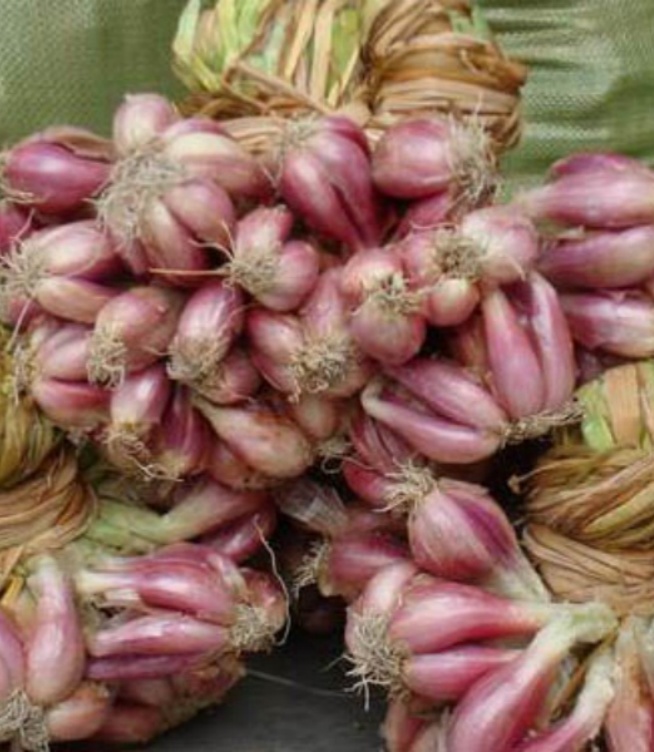
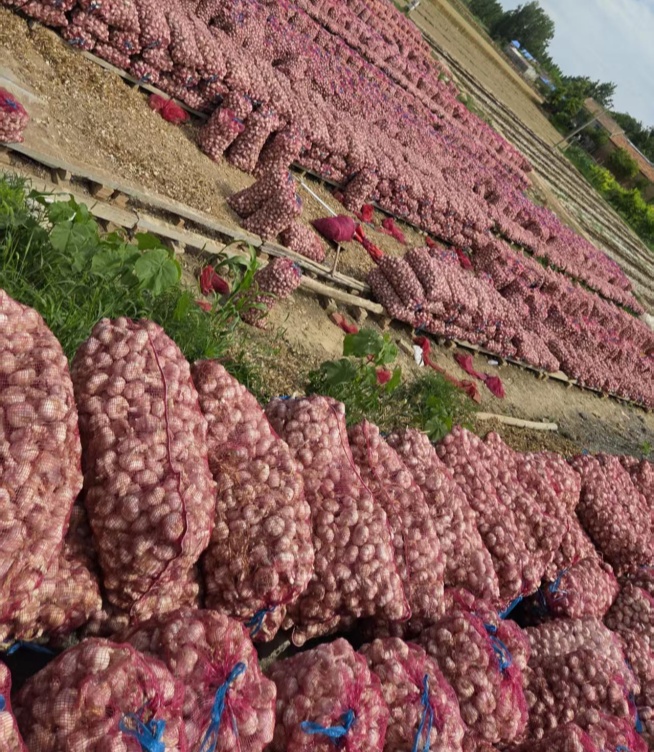
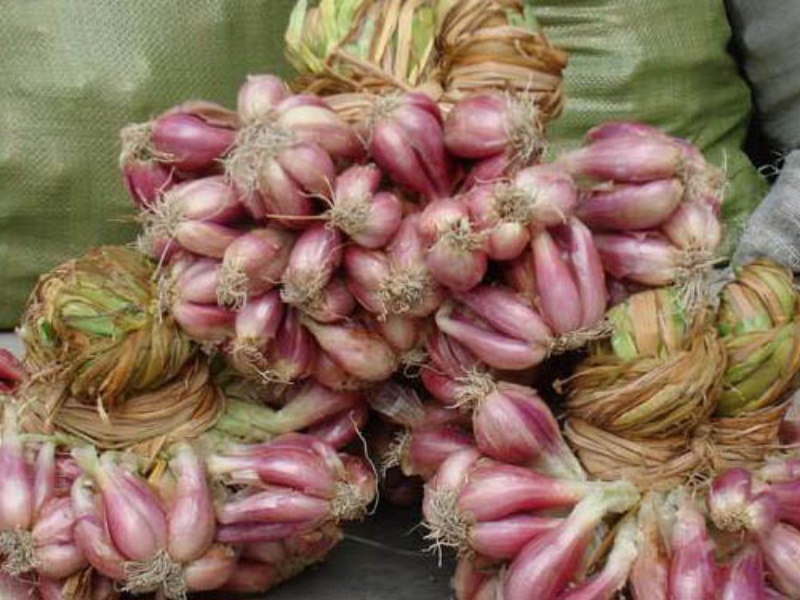
Shallots are a cultivated allium closely related to onions and garlic. They are generally smaller than common onions and often have an elongated or oval shape with a thin, papery outer skin. Depending on the variety, the skin can range from golden brown to pink, red, or grayish tones. One of the features that distinguishes shallots from common onions is how they grow. Shallots commonly form several small bulbs in a cluster rather than developing into one large bulb. Once peeled, the individual bulbs have several layers and can be separated for cooking.
Shallots are used in cuisines around the world, particularly where a more delicate allium flavor is preferred. They can be eaten raw, sautéed, roasted, fried, pickled, or processed into dried ingredients.
What Do Shallots Taste Like?
Shallots have a characteristic allium flavor, but their taste can vary depending on the variety and how they are prepared. Raw shallots can have a noticeable sharpness, similar to onions, along with a slightly sweet and delicate flavor. When cooked, their flavor becomes softer and sweeter, making them popular for sauces, dressings, and other dishes where a strong onion flavor may be too dominant. Fried shallots develop a crisp texture and a rich, savory flavor, while slowly cooked shallots can become soft and naturally sweet. This range of flavors makes shallots useful in both everyday cooking and food formulations where a balanced savory note is needed.
What Is the Difference Between a Shallot and an Onion?
Shallots and onions belong to the same allium family and are used in many of the same types of dishes, but they are not exactly the same ingredient.
| Feature | Shallots | Common Onions |
|---|---|---|
| Size | Generally smaller | Generally larger |
| Shape | Often oval or elongated | Commonly round or globe-shaped |
| Bulb structure | Usually form several bulbs in a cluster | Usually form one main bulb |
| Flavor | Delicate, slightly sweet, with allium sharpness | More pronounced and pungent |
| Texture | Fine and relatively tender | Generally firmer |
| Common uses | Sauces, dressings, garnishes, seasoning | Soups, sauces, cooked dishes, seasoning |
The difference is especially noticeable when the ingredients are used raw. Shallots can provide an aromatic onion flavor without being as dominant as some common onion varieties. Once cooked, both shallots and onions can develop sweetness and deeper savory notes.
Can You Substitute Shallots for Onions?
In many recipes, yes. Shallots and onions can often be substituted for one another, particularly in sauces, soups, dressings, stir-fries, and other cooked dishes.
The result will not be exactly the same, though. Shallots generally provide a more delicate and aromatic flavor, while onions can give a stronger onion character and more substantial texture.
The choice often comes down to the flavor and texture needed in the finished product. For a recipe that calls for a mild allium flavor, shallots can be a good option. For dishes where onion is one of the main flavors, a common onion may be more suitable.
For food manufacturers, the same consideration applies when selecting between dried shallot and dried onion ingredients. The choice depends on the desired flavor profile, particle size, processing requirements, and final application.
Fresh Shallots vs. Dried Shallots
Fresh shallots are valued for their fresh aroma, flavor, and texture, but they also require more handling. They need to be peeled and cut before use and are more sensitive to moisture and storage conditions.
Dried shallots are processed to remove much of their moisture, making them easier to store, transport, and use as food ingredients. They are available in different forms, depending on the application and required particle size.
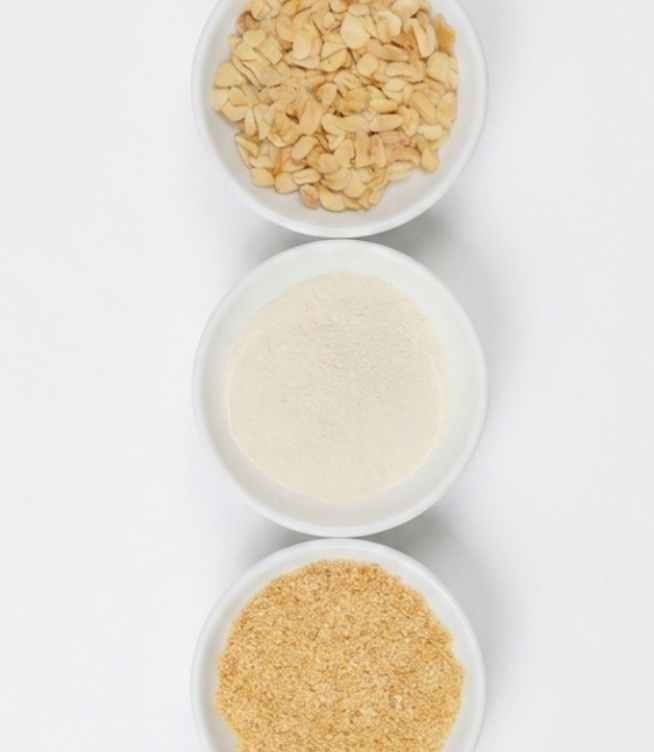
Common dried shallot formats include:
-
Dried shallot flakes
-
Dried shallot slices
-
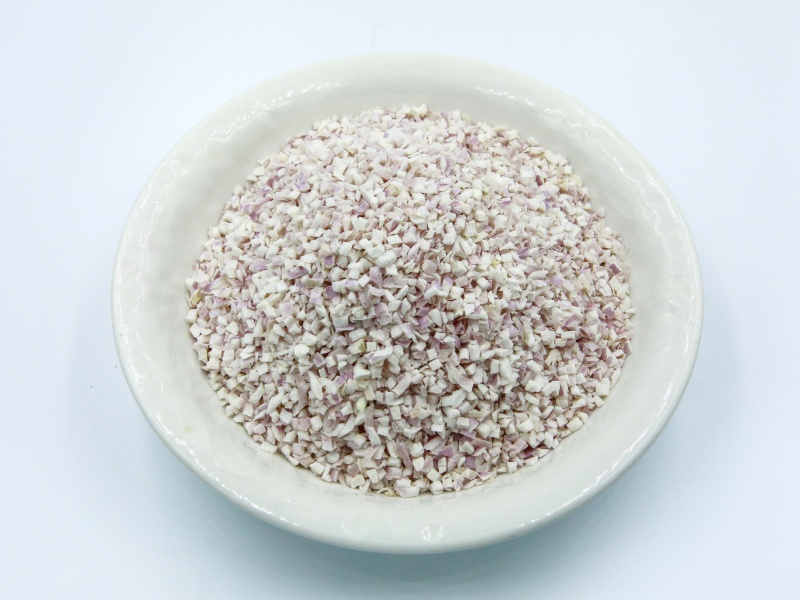
Dried shallot granules
-
Dried minced shallot
-
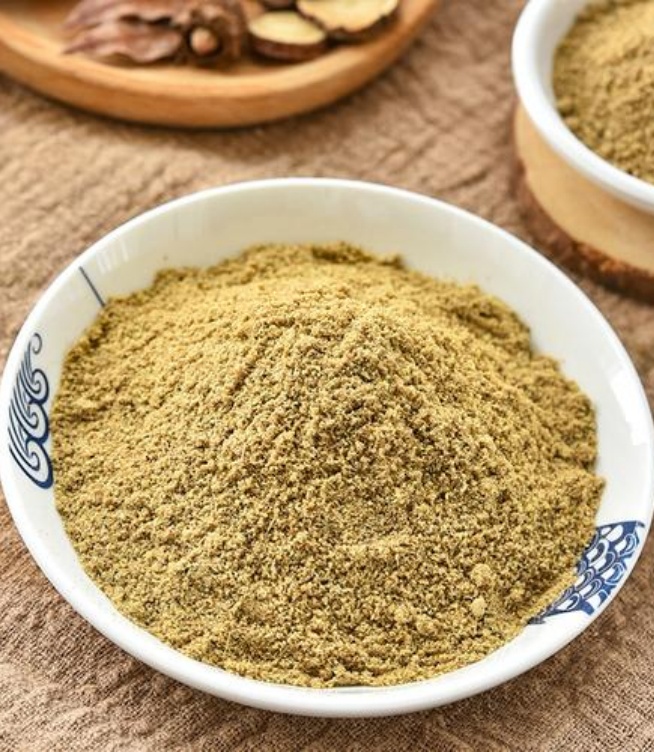
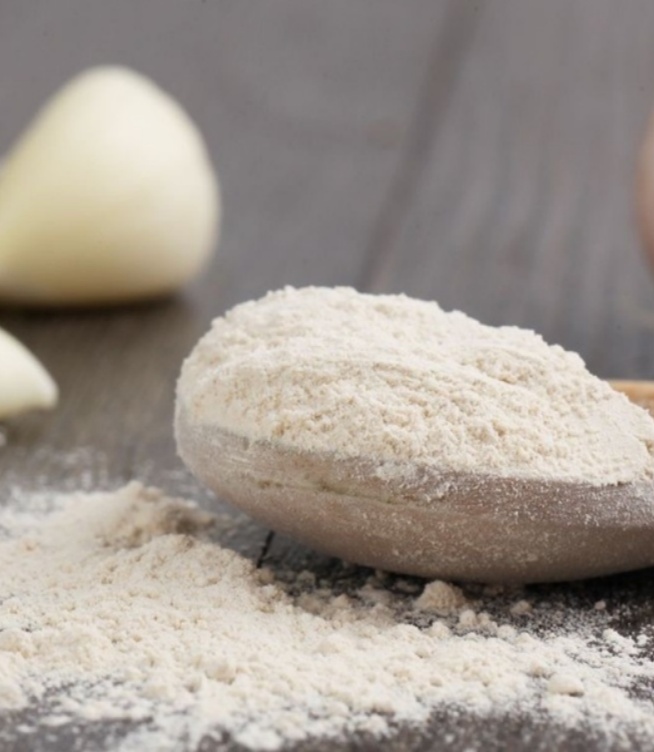
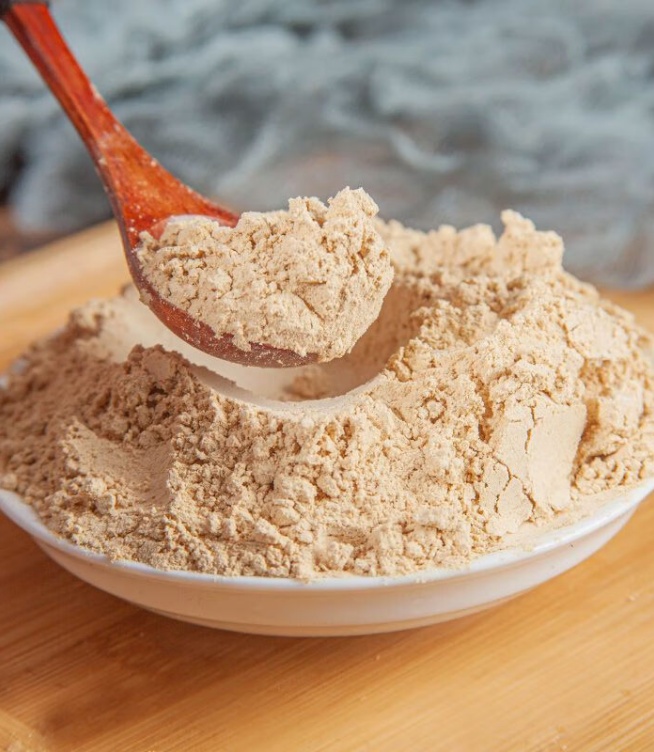
Dried shallot powder
The right format depends on how the ingredient will be used. Larger pieces can add visible texture and appearance, while smaller granules and powder can be blended more easily into seasonings, sauces, and other formulations.
How to Store Shallots
Whole, fresh shallots are generally best kept in a cool, dry, and well-ventilated place away from direct sunlight and excess moisture. Good air circulation helps reduce the risk of spoilage. Once shallots are peeled or cut, their storage life is shorter, and they should be handled and stored according to normal fresh food safety practices.
For dried shallots, keeping the product dry and protecting it from moisture is especially important. Proper packaging and storage conditions help maintain the ingredient's flavor, texture, and quality.
What Makes Dried Shallot Useful for Food Manufacturers
Fresh shallots can deliver excellent flavor, but they are not always the most convenient choice for large-scale food production. Preparing fresh bulbs requires additional handling, and their higher moisture content can make storage and transportation more demanding. Dried shallot ingredients offer a more practical option for many food manufacturing applications.
Easier Storage and Handling
With much of the moisture removed, dried shallots are easier to handle and store than fresh bulbs. They can also be transported without the same requirements associated with fresh produce.
Convenient for Food Formulation
Dried shallots can be added directly to seasoning blends, sauces, soups, savory snacks, and other formulations. Different particle sizes allow manufacturers to select an ingredient that fits their processing method and finished product.
Consistent Ingredient Supply
For commercial food production, consistency matters. Dried shallot ingredients can provide a convenient and standardized source of shallot flavor without requiring the same preparation steps as fresh shallots.
Flexible Formats
Different products call for different ingredient specifications. Flakes and larger pieces can contribute visible ingredients and texture, while granules and powder are suitable for applications where the shallot needs to be distributed more evenly throughout the product.
Dried Shallot Ingredients from ShunDi Foods
ShunDi Foods manufactures dried food ingredients for food manufacturers and commercial buyers. Our dried shallot ingredients are processed for use in a range of savory food applications, including seasoning blends, sauces, soups, snacks, and prepared foods.
Depending on the application, dried shallots can be supplied in different cuts, particle sizes, and formats. We also work with customers on ingredient specifications and customized requirements for different food formulations.
As a food ingredient manufacturer, ShunDi Foods combines raw material sourcing, processing, quality control, and packaging capabilities to provide consistent dried ingredients for commercial production.
Looking for dried shallot ingredients for your food products? Contact ShunDi Foods to discuss available formats, specifications, and customized ingredient solutions.