


How Is Freeze Dried Garlic Powder Made
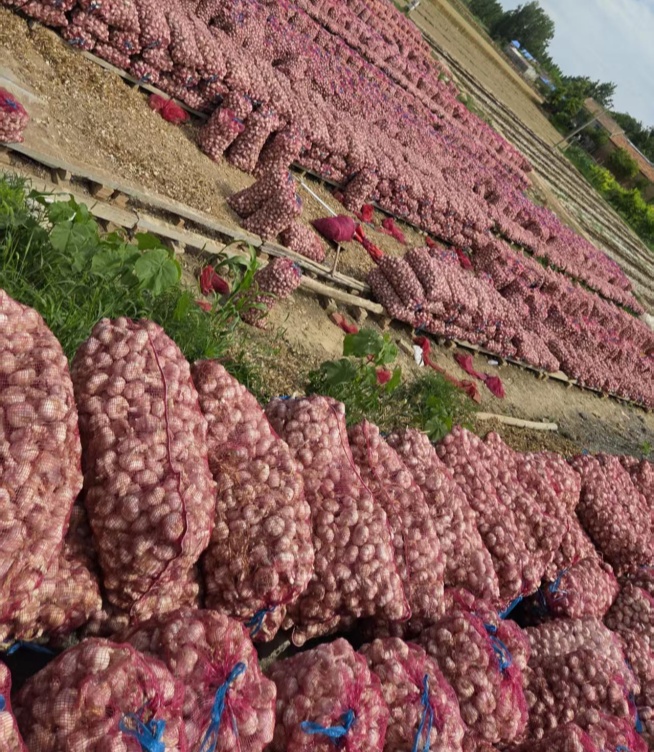
Fresh garlic contains a high level of moisture around 60–70%. This high moisture content makes fresh garlic more susceptible to sprouting, microbial growth, and quality deterioration during storage, particularly after its dormancy period ends. Dehydration can extend the shelf life of garlic while reducing its weight and volume, helping lower storage and transportation costs.
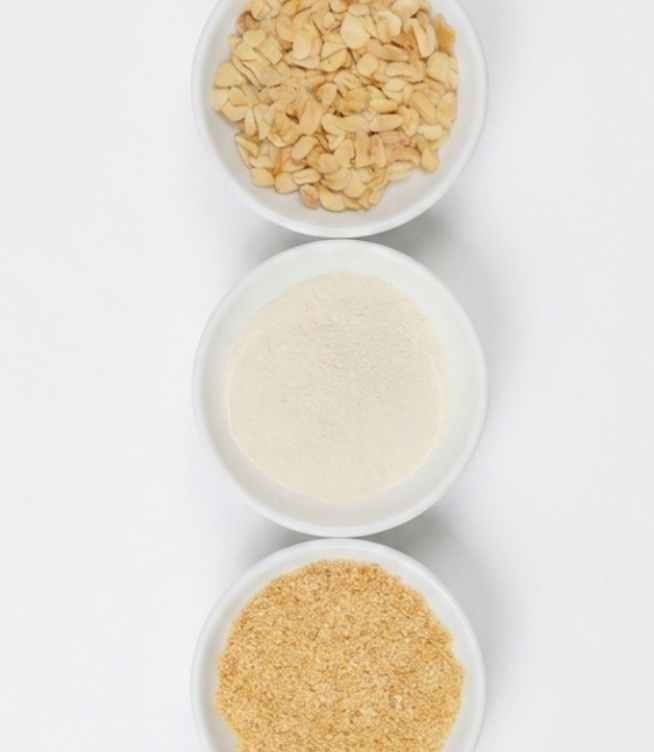
For industrial food applications, garlic can be processed into flakes, granules, powder, or other forms using different drying technologies. Freeze drying is one option when manufacturers want to better preserve the structure and sensory characteristics of garlic during dehydration.
Pre-Treatment of Fresh Garlic
Garlic entering a processing facility is typically received as whole bulbs. The outer surface may carry soil, microorganisms, and other impurities, while the bulbs also contain the root end, garlic skin, and thin protective membranes surrounding the cloves.
Before drying, the garlic therefore goes through a series of pretreatment steps to remove unwanted materials and prepare the cloves for further processing. Proper control at this stage is essential for maintaining product hygiene and reducing the risk of microbial contamination.
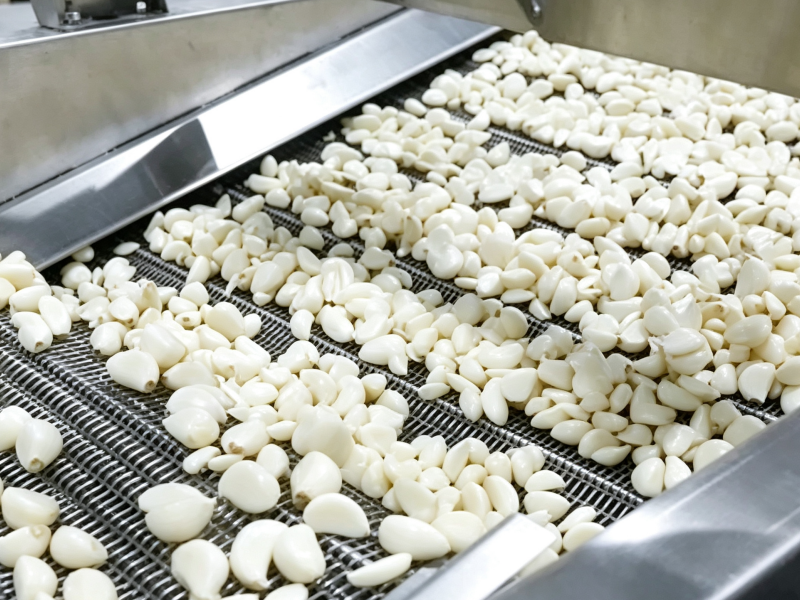
The typical pretreatment process includes: Trimming → Clove Separation → Soaking → Peeling → Membrane Removal → Rinsing → Draining
Soaking the garlic cloves in clean water before peeling can help soften the outer skin and make mechanical peeling more efficient. After rinsing, excess surface water needs to be removed as thoroughly as possible. This helps reduce the amount of water that needs to be removed during the subsequent drying process and can improve drying efficiency.
Why Is Garlic Crushed Before Freeze Drying
Whole garlic cloves have a relatively low drying rate because of their structure. For freeze-dried garlic powder, the cloves are therefore usually broken down before freeze-drying to increase the surface area and improve moisture removal. However, crushing garlic also creates a processing challenge. When garlic tissue is damaged, the enzyme alliinase comes into contact with alliin, a sulfur-containing amino acid derivative naturally present in garlic. This enzymatic reaction produces allicin, a compound responsible for much of the characteristic pungent aroma and flavor associated with freshly crushed garlic.
The degree of crushing therefore needs to be carefully controlled. Finer particles can dry more quickly because of their greater surface area, but greater tissue disruption can also promote the enzymatic conversion of alliin into allicin.
For industrial production, low-temperature crushing can be used to help control this reaction before freeze drying. The processing conditions need to be carefully managed to balance drying efficiency with the desired flavor and quality characteristics of the finished garlic powder.
Freeze-Dried Garlic Powder Manufacturing Process
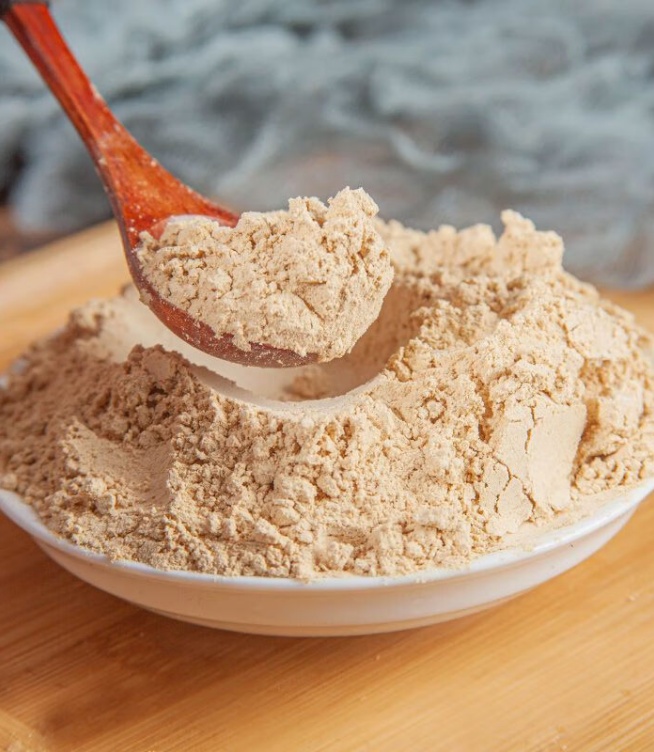
A typical manufacturing process for freeze-dried garlic powder is: Fresh Garlic → Trimming & Clove Separation → Soaking → Peeling & Membrane Removal → Rinsing → Draining → Low-Temperature Crushing → Freeze Drying → Secondary Milling → Sieving → Vacuum Packaging
After low-temperature crushing, the garlic is frozen and transferred to a freeze-drying system. During freeze drying, ice is removed from the frozen product through sublimation under reduced pressure. Because the process uses low temperatures compared with conventional hot-air drying, it can better preserve the original structure, color, aroma, and flavor characteristics of the garlic.
Once freeze drying is completed, the product has a very low moisture content and low water activity. Under these dry conditions, enzymatic reactions are greatly restricted. When the dried garlic is rehydrated, however, the components can become mobile again, and the characteristic garlic flavor can be released.
Freeze-Dried Garlic Powder vs. Conventional Hot-Air Drying
Drying technology has a direct impact on the quality characteristics of garlic powder. Compared with conventional hot-air drying, freeze drying generally operates at lower temperatures and can better retain characteristics such as color, aroma, flavor, and rehydration properties.
For food manufacturers, this makes freeze-dried garlic powder a useful ingredient for applications where the original characteristics of garlic are important.
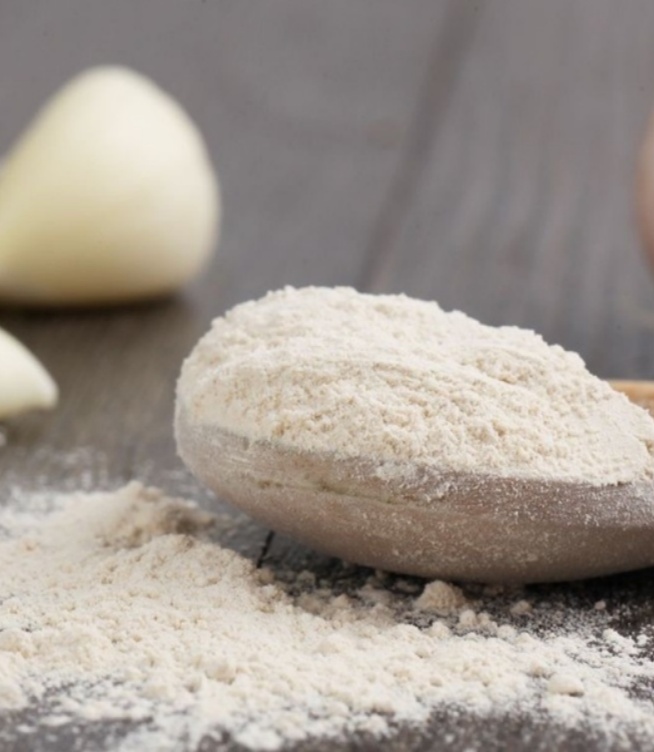
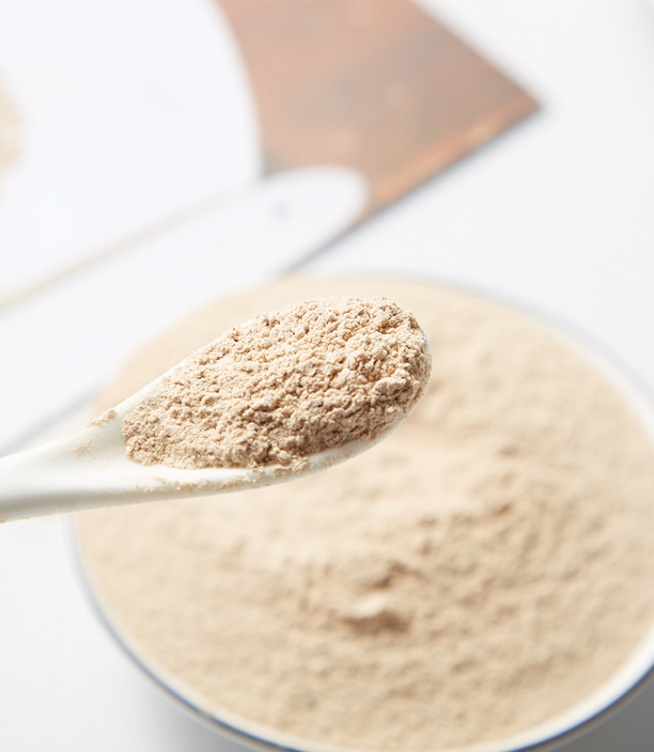
The final product can be milled and sieved to achieve different particle sizes according to application requirements and can be packed under vacuum to help protect the product during storage and transportation.
Dried Garlic Ingredients from ShunDi
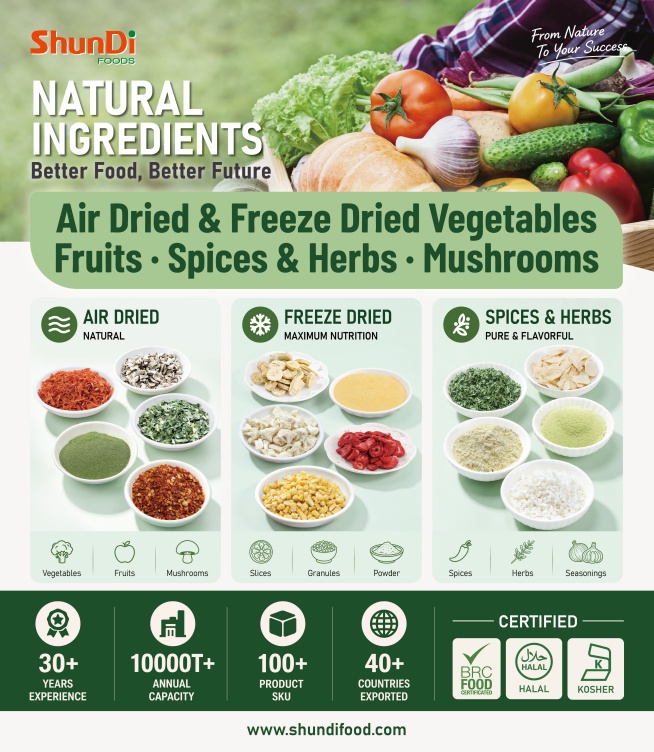
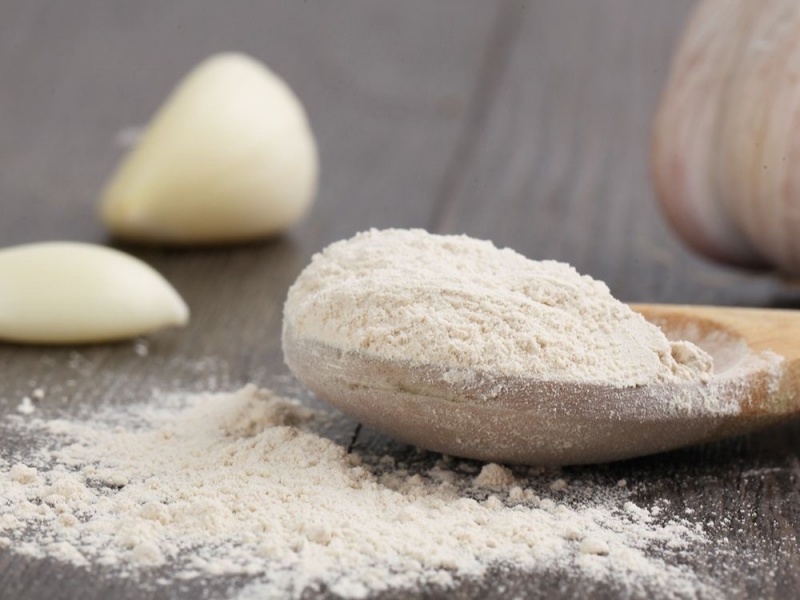
As a manufacturer of dried food ingredients, ShunDi produces a range of garlic ingredients for food manufacturers, ingredient companies, and distributors. Our garlic product range includes freeze-dried/air-dried garlic, dried garlic flakes, garlic granules, garlic powder, and garlic paste. With capabilities covering raw material sourcing, processing, drying, quality control, and customized product development, ShunDi provides garlic ingredients in different forms and specifications for applications such as seasonings, sauces, instant foods, snacks, bakery products, and other food formulations.
Contact ShunDi to discuss your requirements for freeze-dried garlic powder and other dried garlic ingredients.