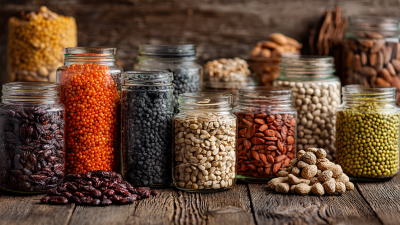
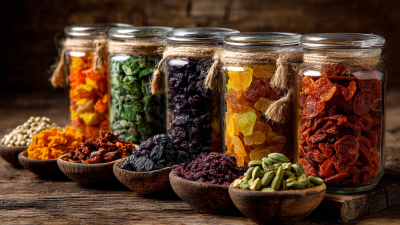
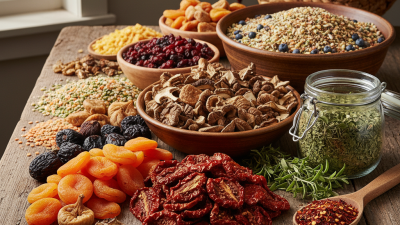
In the culinary world right now, it’s hard to ignore how versatile dehydrated ingredients have become, especially with all these innovative cooking techniques popping up. I mean, Chef Michael Smith from Culinary Innovations even said once that 'dehydrated ingredients can totally change a dish, bringing in unique flavors and textures.' And honestly, that totally rings true when you see chefs getting creative with things like sun-dried tomatoes.
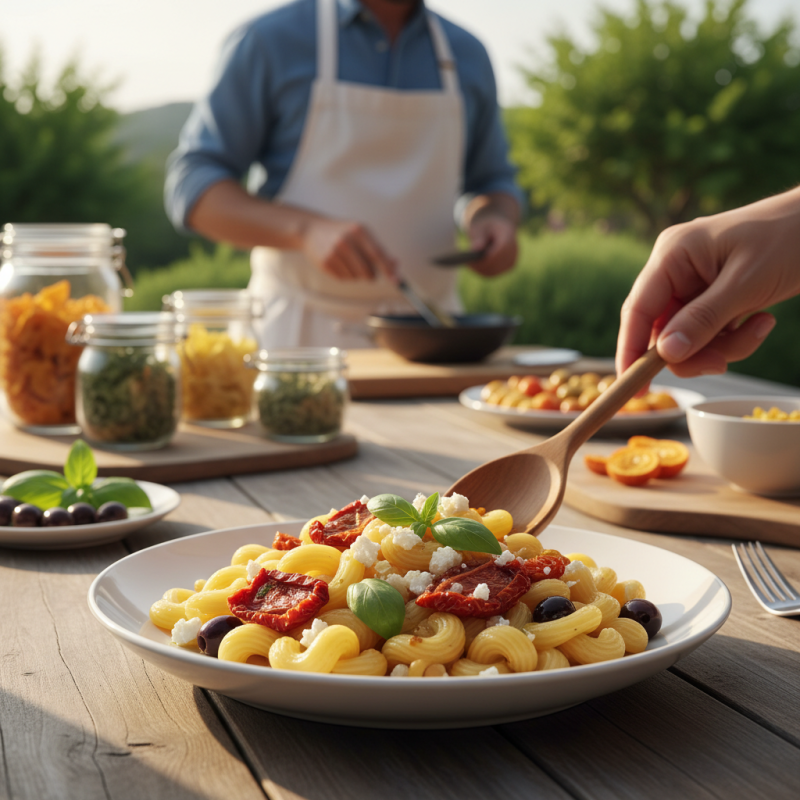
Picture this: a vibrant summer pasta, bursting with the rich, bold flavors of sun-dried tomatoes. Chefs are really tapping into that deep, intense taste, mixing and matching to elevate pretty simple recipes into something special. But here’s the thing—it's not always perfect. Not every dehydrated ingredient fits seamlessly into every dish, and finding that balance of moisture and seasoning can be a real art.
Getting comfortable with dehydrated ingredients means some trial and error. It’s kind of like a culinary adventure—discovering what works best for your own taste buds. Some dishes turn out amazing, while others might not hit the mark, which honestly just makes you think more about your ingredient choices. Cooking with dehydrated foods is really about experimenting and pushing those boundaries in modern cuisine—sometimes you stumble, sometimes you hit gold, but it’s all part of the fun.
Dehydrated ingredients offer unique benefits in cooking. They retain most of their nutrients and flavors while providing convenience. According to a report by the Food and Agriculture Organization, using dehydrated foods can reduce waste by nearly 20%. This technique allows for long-term storage without compromising quality.
One key benefit of dehydrated ingredients is their versatility. From fruits to herbs, they can enhance various dishes. For example, adding dehydrated mushrooms to soups can elevate flavor. They can also provide a concentrated taste in sauces and marinades. However, it's important to note that some may lose texture when rehydrated. Testing include small batches to find the right balance.
Tips: Always check moisture content before using dehydrated items. Soak or simmer them properly for the best results. Experiment with rehydration times, as they can significantly affect the final dish. Recognizing the right timing makes a difference. Dehydrated ingredients expand in size, so adjust portions wisely. This simple oversight can alter your dish entirely.
Dehydrated ingredients have become popular in modern cooking. They offer convenience and long shelf life. Common types include fruits, vegetables, and herbs. One key benefit is the intensified flavor. For example, dehydrated tomatoes pack a punch in sauces and stews. Their concentrated taste enhances any dish.
Cumin Ingredients are often available in dehydrated form. This spice adds warmth and depth to various recipes. It works well in soups, curries, or as a seasoning for roasted vegetables. However, not all dehydrated ingredients rehydrate perfectly. Sometimes, they can lose their original texture. Understanding how to use them is essential.
While experimenting with dehydrated ingredients, it's easy to add too much. A little can go a long way. Start small when using spices like cumin. Tasting as you go prevents overpowering flavors. With practice, you’ll find the right balance in your dishes.
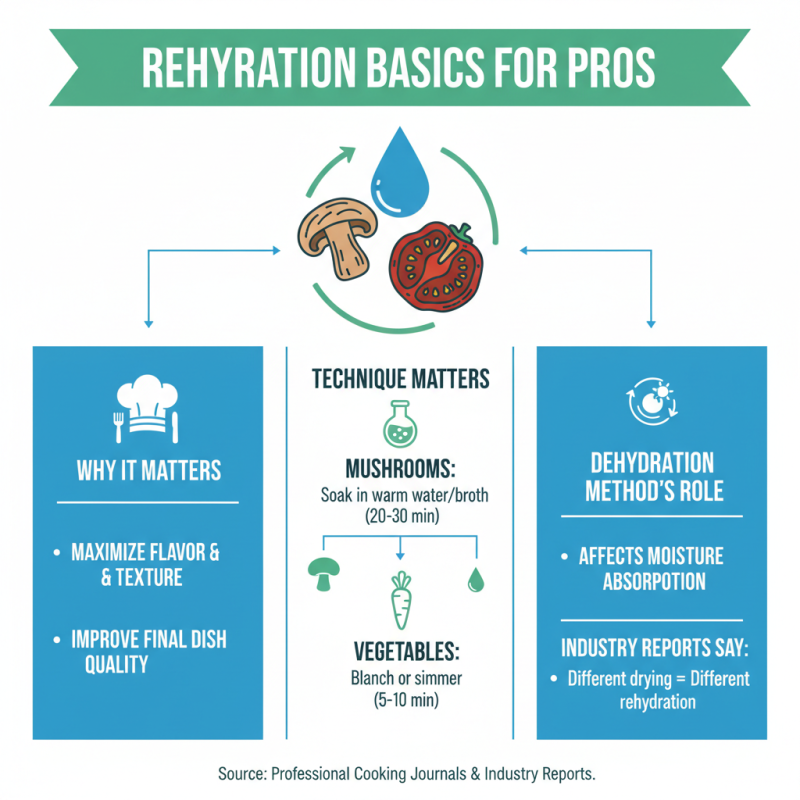
Rehydrating dehydrated ingredients is essential for maximizing their flavor and texture. Cooking professionals highlight that proper rehydration can significantly improve the final dish. According to industry reports, the dehydration methods used can affect how well ingredients absorb moisture. For example, mushrooms and vegetables often require different rehydration techniques.
One effective method involves soaking the dehydrated items in warm water. This is particularly useful for items like dried tomatoes and Black Pepper Ingredients. A typical rehydration time is between 20 to 30 minutes. However, this duration can vary based on ingredient size and type. Monitor closely to achieve the desired consistency. Over-soaking can lead to mushiness and loss of flavor.
Alternatively, employing quick rehydration techniques such as simmering can yield faster results. Cooking the ingredients briefly ensures they infuse flavors quickly. However, it’s crucial to recognize that some ingredients might lose their vibrant essence if overcooked. Experimenting with rehydration methods allows one to discover the perfect balance for each dish. Adopting these techniques can elevate your cooking game and allow for more creative exploring in the kitchen.
Using dehydrated ingredients in cooking offers a convenient way to enhance flavors and textures. They are lightweight, easy to store, and have a long shelf life. You can add dehydrated vegetables to soups or stews. Just remember, they need hydration to release their full potential. Soak them in water for a few hours before cooking.
Incorporating dehydrated fruits into desserts can bring a unique twist. Dried fruits like apricots or apples boost sweetness without extra sugar. You might want to experiment with different fruit combinations to see what works best. However, be cautious with proportions; too much can overwhelm other flavors.
Adjusting to the use of dehydrated ingredients can take time. It may feel awkward at first. Combining them with fresh ingredients often yields the best results. You must reflect on your cooking habits and adapt them accordingly. Don't be afraid to make mistakes; they can lead to delicious discoveries.
Cooking with dehydrated ingredients can be a delightful challenge. Adjusting cooking times and methods is crucial. Dehydrated foods often require more water and longer soaking times. For instance, dried beans typically need to soak overnight. They will cook faster when fully hydrated.
When preparing soups or stews, add dehydrated vegetables early. This allows them to rehydrate properly. Keep an eye on the liquid levels. You might need to add more water during the cooking process. Remember, not all dehydrated foods behave the same. Some might regain moisture quicker than others.
**Tips:** Rinse dehydrated ingredients before use. It can reduce excess salt or preservatives. Experiment with different cooking times. You may find new textures and flavors. Sometimes, it’s about trial and error. So don’t be afraid to adjust. Cooking with dehydrated ingredients is a journey. You learn as you go!
| Dehydrated Ingredient | Rehydration Time | Cooking Method | Notes |
|---|---|---|---|
| Mushrooms | 30 mins | Sauté or Stir-fry | Great for adding umami flavor; soak in warm water |
| Tomatoes | 15-20 mins | Simmer or Bake | Enhances sweetness; suitable for sauces |
| Carrots | 20-25 mins | Boil or Steam | Retains nutrients; adds color to dishes |
| Potatoes | 30 mins | Mash or Roast | Great for soups and stews; soak in hot water |
| Fruits (e.g., Apples) | 10-15 mins | Bake or Cook | Perfect for pies and desserts; soak in warm water |
Proper storage of dehydrated ingredients can greatly extend their shelf life. According to a report by the USDA, most dehydrated foods can last up to a year if stored correctly. However, certain conditions can significantly affect their longevity. For instance, humidity can lead to mold, while exposure to light can degrade vital nutrients. Use airtight containers to minimize air exposure. Keeping them in a dark, cool place can help preserve flavor and texture.
Chili Dry Ingredients are particularly sensitive to storage conditions. They can lose potency quicker than other spices. Studies indicate that chili powders lose approximately 40% of their flavor after just six months if not stored properly. To keep their vibrant taste, consider vacuum sealing. This method removes air and prevents moisture from seeping in. Remember, even with careful storage, some ingredients may still taste stale over time.
A visual inspection is often the best first step. Look for signs of discoloration or an off smell. Regularly check your stock to use the oldest items first. Dehydrated foods may not always show obvious signs of spoilage. Relying solely on expiration dates can lead to waste. Taking time to assess your pantry can save both flavor and money.
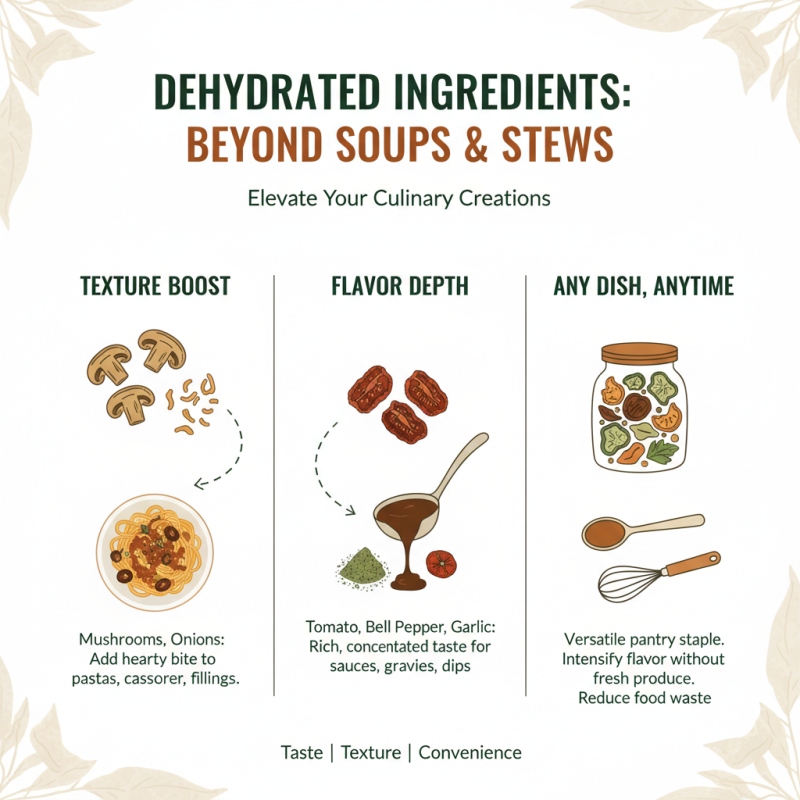
Dehydrated ingredients are not just for soups or stews. They can add depth to many dishes. For example, dehydrated vegetables like mushrooms or onions can enhance texture. Adding them to sauces can create a robust flavor profile without fresh produce.
The market for dehydrated foods is growing. By 2026, it is projected to reach $7 billion. This growth shows that more people recognize the value of dehydrated ingredients. Using Frozen Corn Ingredients creatively can also bring variety. Try blending them into a powder for seasoning. This can sprinkle nicely on popcorn or salads.
Exploration is key with dehydrated foods. For instance, rehydrating fruits for desserts can yield interesting results. However, they don’t always mimic fresh ingredients perfectly. It's essential to experiment and adjust quantities. You might realize that they require a bit more liquid. The beauty lies in this trial and error. Discovering unique pairings can lead to delicious surprises.
: A balanced diet helps maintain energy levels. It supports overall health and improves mood. Nutrient-rich foods boost immunity.
Establish a regular sleep schedule. Create a restful environment. Limit screen time before bed for better sleep.
Regular exercise keeps you fit and healthy. It helps reduce stress and can improve mental clarity. Finding enjoyable activities is key.
Hydration refers to water intake. It supports many bodily functions. Dehydration can lead to fatigue and poor focus.
Stress can lead to various health issues. It may cause headaches, fatigue, and anxiety. Managing stress is essential for well-being.
Fresh fruits and vegetables are great snacks. Nuts and yogurt offer nutritious choices, too. It's good to avoid overly processed snacks.
Regular check-ups are important for health. Annual visits are recommended. However, listen to your body and seek help when needed.
Start with small goals. Sometimes, just getting moving helps. Reflect on what inspires you; motivation can be elusive.
Mindfulness helps improve focus and reduces stress. It encourages living in the moment. Practicing can take time and requires patience.
Social connections can enhance well-being. They provide support and reduce feelings of loneliness. It's challenging to reach out sometimes, but it matters.
In the culinary world of 2026, the use of dehydrated ingredients is gaining popularity due to their numerous benefits, including extended shelf life and enhanced flavor concentration. Understanding the common types, such as dried fruits, vegetables, and herbs, is crucial for any cook. This article explores essential rehydration techniques to prepare these ingredients effectively, ensuring they regain their texture and taste.
Incorporating dehydrated ingredients into recipes allows for creative culinary experiments, but it also requires adjustments in cooking times and methods. Additionally, proper storage tips are provided to maximize shelf life, ensuring that these ingredients remain a kitchen staple. Beyond traditional cooking, the article highlights innovative ways to utilize dehydrated ingredients, opening new avenues for flavor and convenience in everyday meals.