So, where do you even start when hunting for top Shiitake Powder suppliers in 2026? Honestly, it starts with a pretty practical headache: market data is all over the place. Fortune Business Insights puts the global mushroom market at about USD 62.84 billion in 2024, and it expects growth to keep going through 2032. Grand View Research also points to strong expansion in functional mushroom products. But here’s the catch—neither report breaks out every Shiitake Powder format, extraction method, or supplier region. And that gap? It matters.
A supplier comparison that’s actually useful has to look past nice packaging. You want to know where the raw material comes from, how it was cultivated, how moisture is controlled, plus microbial testing, heavy-metal screening, and batch-specific Certificates of Analysis. Dried Shiitake Mushroom Powder can look pretty uniform in a sample jar—yet its aroma, particle size, and beta-glucan content can swing a lot. Freeze-dried and hot-air-dried materials? Not interchangeable. Same goes for whole-mushroom powders versus concentrated extracts.
Mycologist Paul Stamets has often called mushrooms “the great recyclers of nature.” That fits shiitake sourcing nicely: the growing substrate, harvest timing, drying temperature, and storage conditions all leave measurable traces. Still, this industry sometimes talks a little too confidently. Supplier claims aren’t a substitute for independent lab verification. Worth keeping in mind.
This guide looks at leading suppliers for 2026 through documentation, manufacturing experience, quality systems, and commercial reliability. It’s aimed at companies serving food manufacturers, supplement brands, and ingredient distributors. Certifications like HACCP, ISO 22000, organic approval, and third-party testing can add confidence—but they don’t guarantee every batch will perform the same. The strongest supplier isn’t always the biggest one. It’s the company that can explain what’s in the powder, prove it consistently, and admit what’s still uncertain.
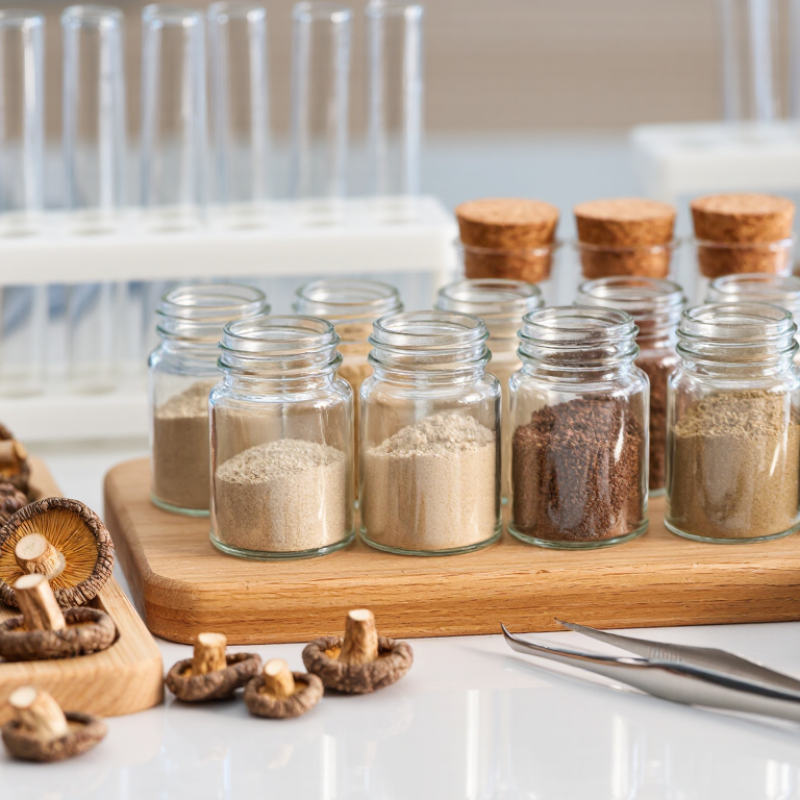
Shiitake powder is made from dried shiitake mushrooms, usually the fruiting bodies rather than loose growing material. Fresh mushrooms are cleaned, trimmed, and sliced before drying. Controlled heat removes moisture while protecting much of the mushroom’s savory aroma and natural color. The dried pieces are then milled into a fine powder and passed through a sieve for consistent texture.
A reliable Shiitake Mushroom Powder Manufacturer should control each stage carefully. Clean processing rooms, moisture testing, and microbial checks help protect product quality. Some suppliers also test for heavy metals and agricultural residues, depending on the destination market. I would ask how the mushrooms are sourced, whether stems are included, and how the powder is packed. These details affect flavor, solubility, and shelf stability.
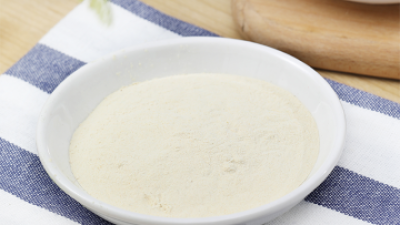
Good powder usually smells earthy, slightly smoky, and distinctly mushroom-like. It should not smell sour, damp, or strongly chemical. The color may range from beige to brown. Natural variation is normal. The process is not perfectly uniform. Tiny darker flecks may appear after milling, especially when whole dried mushrooms are used. However, clumps can suggest moisture exposure, while an unusually pale powder may deserve closer inspection. A small sample mixed into warm water reveals more than a polished product photograph.
A reliable shiitake powder supplier should provide more than an attractive product page. In practice, buyers need clear evidence of quality, consistency, and honest communication. A capable Shiitake Powder Manufacturer should identify the mushroom species, growing region, harvest period, and drying method. These details help buyers understand how flavor and nutrition may vary between batches.
Testing documents matter. Ask for a recent certificate of analysis covering moisture, microbial levels, heavy metals, and pesticide residues. The powder should look dry, finely milled, and naturally brown, with a clean earthy aroma. Clumping can suggest poor storage or excessive moisture. Batch numbers and sealed packaging also support traceability when questions arise.
Supplier experience becomes visible during small but important conversations. Can the team explain its sampling process? Can it provide a stable specification before purchase? Does it respond clearly when a result looks unusual? No supplier is perfect. Even experienced producers may face seasonal variation. I would still request a sample, compare it with the specification, and test it in the intended recipe. A supplier that admits limits may deserve more trust than one making absolute claims. Reliable partners remain precise about origin, testing frequency, shelf life, and storage conditions.
Which shiitake powder suppliers stand out in 2026? The strongest candidates show more than polished websites. They provide batch-specific certificates, harvest regions, moisture levels, and microbial test results. A reliable supplier can explain whether the powder comes from cultivated logs or indoor substrate. That detail affects aroma, texture, and nutritional expectations. Ask for a recent sample. Smell matters.
Experienced buyers should inspect the powder under natural light. It should look evenly milled, without damp clumps or an overly smoky scent. Suppliers using low-temperature drying may preserve color and flavor more consistently. Freeze Dried Shiitake Mushroom ingredients often attract attention because they rehydrate quickly and retain a lighter aroma. Still, processing claims need evidence. Request water activity data, allergen statements, and independent laboratory reports. One certificate is not enough.
Standout suppliers also communicate clearly about packaging and storage. Foil-lined pouches, sealed inner bags, and lot codes protect powder during shipping. Their technical teams should answer practical questions without vague promises. I would compare three samples in soup, broth, and seasoning blends. Results can differ. A powder that smells impressive raw may taste flat after heating. Some suppliers may lack consistent particle size across batches, a weakness worth recording before a long-term purchase. Price alone is a poor filter, although I still compare it with yield and waste.
| Anonymous Supplier Profile | Primary Supply Region | Typical Product Format | Common Particle-Size Option | Quality Documents to Request | Food-Safety Evidence | Best-Fit Buyer | 2026 Evaluation Priority |
|---|---|---|---|---|---|---|---|
| Profile A — Certified Bulk Processor | East Asia | Dried shiitake fruiting-body powder | Fine powder; screen size must be confirmed | Certificate of analysis, specification sheet, allergen statement, microbiological report | HACCP-based controls and a recognized food-safety certification, if applicable | Food manufacturers purchasing at commercial volume | Batch consistency and full lot traceability |
| Profile B — Organic-Documented Supplier | Asia or Europe | Organic-positioned shiitake powder | Fine to medium powder | Current organic certificate, COA, origin statement, pesticide-residue testing | Organic certification scope and food-safety program should match the destination market | Organic food, supplement, and private-label manufacturers | Certificate validity and claim compliance |
| Profile C — Extract and Powder Specialist | North America or Asia | Whole-mushroom powder or standardized extract powder | Custom particle size by application | COA, extraction ratio, solvent statement, beta-glucan method, stability data | GMP or equivalent controls should be confirmed for the intended use | Nutraceutical and functional-food developers | Clear distinction between whole powder and extract |
| Profile D — Retail-Ready Private-Label Partner | North America, Europe, or Asia | Powder supplied in pouches, jars, or sachets | Consumer-use fine powder | Finished-product COA, packaging specification, label review, shelf-life support | Facility registration and preventive food-safety controls should be verified | E-commerce, retail, and private-label brands | Packaging quality and regulatory labeling |
| Profile E — Foodservice Bulk Distributor | Regional distribution network | Bulk food-grade powder | Standard commercial grade | Current COA, country of origin, lot code, storage instructions | Supplier approval records and documented recall procedure | Restaurants, caterers, and ingredient distributors | Reliable inventory and short replenishment time |
| Profile F — Custom-Formulation Manufacturer | North America, Europe, or Asia | Blended mushroom powder or application-specific formula | Specified according to beverage, capsule, soup, or seasoning use | Formula specification, compatibility data, COA, sensory profile, pilot-batch report | Quality agreement and documented change-control process | Brands requiring differentiated formulations | Technical support and repeatability at scale |
Choosing a shiitake powder supplier for 2026 requires more than comparing prices per kilogram.
Quality should be judged through measurable details. Ask for the mushroom’s growing region, harvest date, drying temperature, and milling method. A reliable supplier can provide a current certificate of analysis for each batch.
Check beta-glucan levels, moisture, microbial limits, heavy metals, and pesticide residues. The powder should have a clean earthy aroma, even color, and no damp clumps.
Pricing can look simple until hidden costs appear.
Compare the delivered cost, not only the quoted product price. Include minimum order quantities, packaging, testing fees, customs, freight, and storage.
A lower price may reflect weaker testing or inconsistent raw materials. However, expensive powder is not automatically better. Request three recent quotations with identical specifications.
Lead time matters too. A delayed shipment can cost more than a modest price difference.
Certifications help assess supplier systems, but they need careful verification.
Look for relevant GMP, HACCP, ISO 22000, or organic documentation when applicable. Confirm that certificates belong to the correct facility and remain valid for the intended product.
Third-party laboratory reports add useful evidence, especially when test methods and sample dates are clearly shown.
My practical concern is consistency. One excellent sample proves little. Review several batches, retain samples, and record sensory changes after storage.
Some comparisons remain imperfect because suppliers disclose different testing depths. That gap deserves attention.
The top shiitake powder suppliers for 2026 support more than one finished format. Their portfolios usually include whole mushroom powder, hot-water extract powder, granules, and custom blends. Whole powder retains the mushroom’s natural fiber and savory flavor. Extract powder offers a more concentrated ingredient, but its composition can vary by process.
Food manufacturers commonly use shiitake powder in soups, sauces, noodles, savory snacks, seasoning mixes, and plant-based meals. Beverage developers may choose a finer, lighter-colored powder for instant broths or functional drink blends. Capsule and tablet producers often request standardized extract powder, with clear testing for moisture, microbiological safety, heavy metals, and active polysaccharide content. These applications need different particle sizes and flow properties.
Experienced suppliers can provide low-temperature processing, spray drying, sieving, and agglomeration. They may also offer organic, non-GMO, allergen-controlled, or private-label options, subject to documentation. Ask for batch records, certificates of analysis, country-of-origin details, and stability data. Do not rely on a polished specification sheet alone. Some suppliers describe “extract” without explaining the extraction ratio or solvent system. That gap matters.
Practical trials still matter. A powder may perform well in broth but taste harsh in a capsule blend. It may also absorb moisture during storage. Supplier comparisons should include sample testing, packaging quality, lead times, and technical support, not just price. Claims should remain evidence-based and follow local food and supplement regulations.
Choosing the best shiitake powder supplier requires more than comparing prices. Buyers should examine cultivation records, processing methods, and batch consistency. A polished website proves little.
Request a recent certificate of analysis for every production lot. Check moisture, microbiological results, heavy metals, pesticides, and active compounds such as beta-glucans. The document should identify the batch number and testing laboratory. Ask for a physical sample, not only a specification sheet. Freeze Dried Shiitake should have a clean aroma, light color, and a fine texture without hard particles. Taste matters.
Traceability deserves close attention. A reliable supplier should explain where the mushrooms were grown, how they were dried, and how workers control storage humidity. Sealed packaging, clear expiry dates, and stable shipping conditions reduce quality losses. Ask how complaints are handled. A fast, specific answer is useful evidence.
Price can mislead. Very cheap powder may reflect weaker raw materials or inconsistent testing. However, expensive packaging does not guarantee superior nutrition. Buyers should compare test methods, minimum order quantities, lead times, and replacement policies. Some suppliers provide impressive samples but struggle with larger batches. That risk is easy to miss. Keep written records of sample results and production discussions. Even careful buyers can overlook a small detail, so independent verification remains worthwhile.
How can buyers choose the best shiitake powder supplier? Use a structured evaluation model that prioritizes safety, verified composition, consistency, traceability, delivery reliability, and total cost.
How to use this chart: The percentages represent a suggested procurement weighting, not company rankings or market-share data. Buyers should request current certificates of analysis, microbiological test results, identity or beta-glucan testing, traceability records, sample batches, and delivery terms before selecting a supplier.
Sweet potato powder is a convenient way to add the natural nutrition and warm flavor of sweet potatoes to everyday foods. USDA FoodData Central reports that 100 grams of baked sweet potato provides approximately 90 calories, 20.7 grams of carbohydrate, 3.3 grams of dietary fiber, and significant vitamin A activity from beta-carotene. Because nutrient levels vary with cultivation and processing, powder should be evaluated against its own specification, but it remains a practical ingredient for fiber-rich, naturally sweet formulations.
Produced from sustainably grown sweet potatoes through gentle drum drying and milling, this 100% natural powder contains no additives or preservatives. Its smooth texture and mild sweetness work well in bakery mixes, pancakes, noodles, soups, sauces, seasonings, instant beverages, baby-food formulations, and nutritional blends. It can also help create appealing color and flavor while reducing the need for added sweeteners in selected recipes. For beverage applications, blend it with milk, plant-based drinks, yogurt, or smoothies; for savory foods, combine it with onion, garlic, paprika, or herbs.
Creative home uses include stirring the powder into oatmeal, mixing it into energy bites, folding it into hummus, or adding it to homemade pasta and crackers. Certified production under BRC, HACCP, Halal, and Kosher standards supports diverse market requirements, while customized specifications and packaging allow manufacturers to adapt particle size, application performance, and pack format to different product concepts.
The supplier should identify the mushroom species, growing region, harvest period, and drying method. These details explain differences between batches. Seasonal variation still happens.
Request a recent certificate of analysis. It should cover moisture, microbial levels, heavy metals, and pesticide residues. Independent laboratory results add useful confidence.
It should look dry, finely milled, and naturally brown. The aroma should be clean and earthy. Damp clumps suggest possible moisture problems.
Look for batch numbers, sealed packaging, and clear lot records. Foil-lined pouches can reduce exposure during shipping. Traceability helps when results seem unusual.
Yes. Mushrooms grown on logs may differ from those grown on indoor substrate. Aroma, texture, and nutritional expectations can change.
Ask about drying temperature and water activity. Lower-temperature drying may preserve color and flavor more consistently. Processing claims still need evidence.
Inspect it under natural light and smell it carefully. Test the powder in soup, broth, and seasoning blends. Raw aroma can mislead you.
Sealed inner bags, protective outer packaging, lot codes, and clear storage instructions matter. Keep the powder dry and protected from heat. Simple, but important.
Not usually. Compare price with yield, consistency, testing, and waste. I might still choose a higher-priced sample if performance is steadier. My judgment can be wrong.
This guide explores how Shiitake Powder is produced from carefully cultivated shiitake mushrooms through drying and fine milling, creating a versatile ingredient with savory flavor and nutritional value. It explains what buyers should expect from a reliable supplier, including consistent quality, transparent sourcing, hygienic processing, batch testing, dependable packaging, and responsive customer service. The article also highlights the supplier qualities likely to stand out in 2026, such as stable production capacity, clear documentation, and flexible order support.
Readers will learn how suppliers may differ in product purity, particle size, pricing, certifications, and customization options. The guide also reviews common applications, including seasoning blends, soups, sauces, supplements, and functional food products, as well as different product types and packaging formats. Finally, it offers a practical framework for comparing samples, minimum order quantities, lead times, certifications, and long-term reliability so buyers can select the Shiitake Powder supplier that best matches their quality, budget, and application requirements.