Email: sales@shundifoods.com     Tel: +86-21-64280601
0%

Paprika is such a vibrant spice — honestly, it’s a game-changer in so many dishes around the world. Its rich flavor and gorgeous color really make it a kitchen must-have. If you're running a business that relies on good quality paprika, finding dependable suppliers is super important. You want to team up with experienced partners who know their stuff when it comes to sourcing the best stuff.

Top-notch paprika suppliers often specialize in different types, so it's worth doing a bit of homework. For example, a Dehydrated Paprika Manufacturer can be a great option if you're buying in bulk. These guys usually have solid processes in place to keep quality consistent. It’s a good idea to look into their background — see how long they’ve been around, what their reputation is like. Good quality assurance measures are definitely a sign you can trust them.

Finding reliable paprika suppliers can be tricky, though. Sometimes, suppliers might hype up what they can do, and end up disappointing you. So, before you pick a partner, think about what exactly you need. Honestly, quality should always come before cost — because in the end, the right supplier makes all the difference in how your dishes turn out.
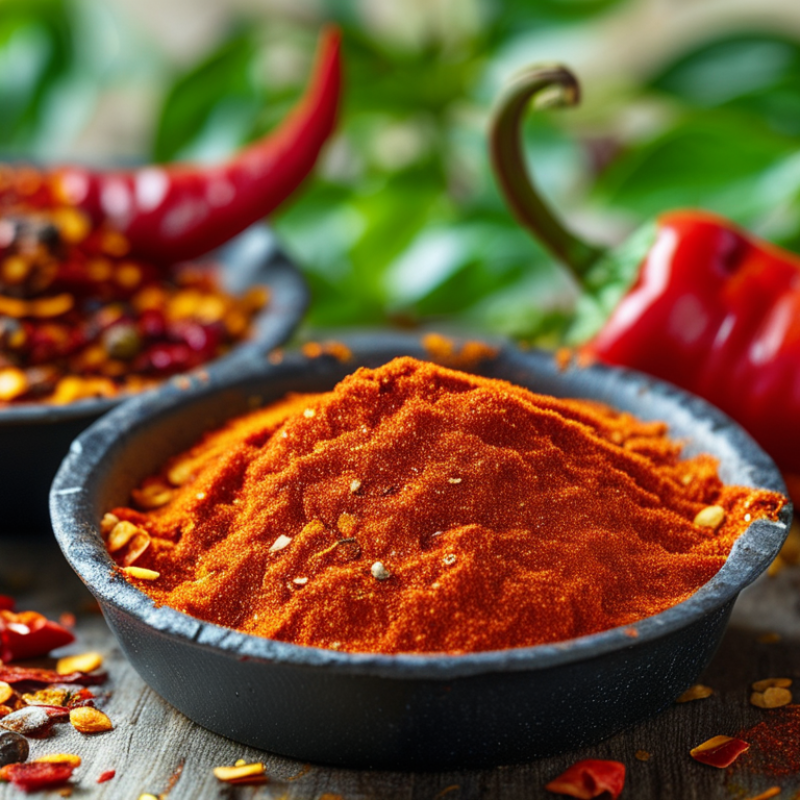
Top Quality Paprika Suppliers for Global Procurement?

Factors to Consider When Choosing Paprika Suppliers

When selecting paprika suppliers for global procurement, several factors come into play. Quality control is paramount. A supplier must have transparent processes to ensure each batch meets high standards. Look for suppliers who conduct regular testing and provide certifications. Reliable suppliers communicate openly about their sourcing and processing methods.

Pricing is another critical aspect. While it can be tempting to choose the cheapest option, consider the long-term implications. Low prices often compromise quality. Evaluate suppliers based on value, not just cost. Don’t shy away from asking questions about pricing structures and potential hidden costs.

**Tip:** Always request samples before making large orders. Testing the paprika’s flavor and color can reveal a lot about its quality.

Sustainability in sourcing practices is increasingly important. Suppliers should ideally engage in sustainable agriculture. This not only benefits the environment but also maintains the integrity of the product. However, not all suppliers may openly discuss their sustainability practices, making it essential to dig deeper.

**Tip:** Research suppliers’ certifications related to sustainability. This adds another layer of trustworthiness to your selection process.

Top Quality Paprika Suppliers for Global Procurement

Supplier Location Quality Standards Certifications Average Delivery Time Customer Ratings Minimum Order Quantity
Spain High-grade ISO 9001 2 weeks 4.8/5 100 kg
Hungary Premium EU Organic 3 weeks 4.7/5 200 kg
USA Good Non-GMO 1.5 weeks 4.5/5 50 kg
Brazil Standard ISO 22000 4 weeks 4.2/5 150 kg
India High FSSAI 3 weeks 4.6/5 80 kg

Top Countries Known for Quality Paprika Production

Paprika is a renowned spice loved by many around the world. The quality of paprika often depends on its origin. Certain countries stand out for producing high-quality paprika. These nations have unique climates and soil conditions ideal for cultivating paprika.

Hungary is known for its rich, sweet varieties of paprika. The country has a long tradition of paprika cultivation. Their spicy versions are also popular. Spain, on the other hand, offers a smoky flavor that elevates dishes. The distinct regional varieties enhance global cuisine.

When sourcing paprika, consider these tips: Look for vibrant colors. High-quality paprika should be bright red. This indicates freshness and proper processing. Check for flavor balance; it should not be overwhelmingly bitter. Finally, pay attention to the packaging; it should protect the spice from light and air.

More than just flavor, sourcing quality paprika ensures your dishes shine. While many suppliers exist, discerning quality is essential. It requires research and a taste test before finalizing the supplier choice. Embracing local suppliers might also reveal hidden gems worth exploring.

Key Characteristics of High-Quality Paprika

When sourcing high-quality paprikas, certain characteristics stand out. Color is a key indicator. Premium paprika often exhibits a vibrant red hue. This is a direct result of the quality of the peppers used. An intense color usually signifies higher levels of carotenoids, particularly capsanthin. These compounds not only enhance the visual appeal but also correlate with robust flavor profiles.

Flavor complexity is another important aspect. Authentic paprika should provide a balanced taste, combining sweetness with subtle heat. Many sellers offer paprika that is overly bland or has artificial aftertastes. Evaluating the aroma can also help in quality assessment. A fresh, earthy scent often indicates superior quality. However, sometimes even reliable suppliers can deliver inconsistent batches.

Packaging plays a significant role too. Quality paprika should be stored in airtight containers. Exposure to light and air can diminish flavor and color. Yet, some suppliers may cut corners, opting for less protective packaging. Therefore, investigating suppliers and their practices is crucial. Taste testing can be an effective method as well. It allows buyers to discern the authentic flavor from lower-tier options.

Leading Paprika Suppliers for International Trade

When considering paprika suppliers for international trade, quality and reliability are crucial. Sourcing from trusted suppliers ensures consistent delivery of high-quality paprika. This spice is widely used in cuisines around the world, making its global demand significant. Many suppliers specialize in this market, raising the stakes for businesses seeking the best options.

However, navigating this landscape can be challenging. Not all suppliers meet the same standards of quality. It is vital for businesses to evaluate potential partners carefully. Background checks, sample tests, and supplier certifications are critical steps. These steps can reveal their expertise and commitment to quality.

Additionally, different regions produce varying paprika flavors. Some offer a sweet taste, while others present a smoky profile. This diversity can cater to distinct market needs, yet it complicates selection. Companies should also consider logistics and the supplier's ability to meet order sizes consistently. The pursuit of the best paprika requires careful thought and a willingness to adapt.

Evaluating Supplier Reliability and Quality Assurance

When evaluating paprika suppliers, reliability is crucial. A trustworthy supplier ensures consistent quality. Look for those with a solid track record. This includes years of operation and positive client feedback. Diversifying sources can mitigate risks. Engage with multiple suppliers to gauge their capabilities.

Quality assurance practices are essential in the procurement process. Inspecting the cultivation and processing methods of paprika is necessary. Suppliers should adhere to food safety standards. Third-party certifications can also indicate a commitment to quality. However, some suppliers may only display such certifications without real adherence. This is where due diligence comes in.

Regular communication with suppliers can provide insights into their operations. Asking for samples before bulk orders is wise. Be aware that not all suppliers may respond promptly or sincerely. Assessing the supplier relationship is a continuous journey. Each interaction reveals more about their reliability. Identifying the perfect partner requires patience and scrutiny.

Sustainability Practices in Paprika Farming and Sourcing

Sustainable practices in paprika farming are becoming increasingly vital. Climate change and resource scarcity challenge traditional methods. Global reports suggest that sustainable farming could increase paprika yields by over 30% by 2030. Implementing crop rotation, organic fertilizers, and pest management are critical for maintaining soil health and reducing chemical use.

Farmers are now encouraged to adopt water conservation techniques. A 2021 study showed that farms using drip irrigation saved up to 50% more water than conventional methods. This not only conserves water but also enhances paprika quality. Sharing knowledge among growers contributes to sustainable practices. Collaborative networks help farmers learn and implement eco-friendly techniques effectively.

**Tip:** Always ask suppliers about their sustainability certifications. Review their farming practices and inquire about water usage.

Transparency is key. Consumers are increasingly aware of sustainability. Their choices influence farming methods globally. Keeping track of suppliers' environmental impact should be a priority for procurement teams. Though progress is being made, many challenges remain. Ethical sourcing in the paprika supply chain is not fully achieved yet.

Global Paprika Suppliers: Sustainability Practices

Trends in Global Paprika Market for Procurement Strategies

The global paprika market is evolving. Recent trends show an increase in demand for organic and sustainably sourced paprika. Buyers are becoming more conscious about the origins and farming practices of their ingredients. This shift emphasizes quality over quantity. It also underscores the need for suppliers who can meet these new standards.

Procurement strategies must adapt. Establishing strong relationships with reliable suppliers is crucial. These connections can ensure consistent quality and supply. Transparency in sourcing becomes essential. Buyers should seek partners who can provide detailed information about cultivation and processing methods. Such insights build trust and align with consumer expectations.

Technology plays a role in this transformation. Digital platforms enhance accessibility to various suppliers worldwide. Online marketplaces enable buyers to compare products easily. However, the challenge remains in verifying supplier claims. Due diligence is necessary to avoid potential risks. Balancing quality, sustainability, and cost is complex. Continuous evaluation of suppliers and market trends is vital for effective procurement strategies.

FAQS

: What countries are known for producing high-quality paprika?

: Hungary and Spain are notable for their paprika. Hungary offers sweet varieties, while Spain provides a smoky flavor.

How can I identify high-quality paprika?

Look for vibrant, bright red colors. This indicates freshness and proper processing of the spice.

What flavor characteristics should I expect from quality paprika?

Quality paprika should have a balanced flavor. It should not be overwhelmingly bitter or flat.

Why is sourcing quality paprika important?

Sourcing quality paprika enhances the flavor of dishes. It can make a significant difference in culinary results.

What trends are emerging in the global paprika market?

There is a rising demand for organic and sustainably sourced paprika among conscious buyers.

How can procurement strategies adapt to market changes?

Establishing strong relationships with reliable suppliers is essential for consistent quality and supply.

What role does technology play in sourcing paprika?

Digital platforms make it easier to access suppliers and compare products, but verification is still required.

What should buyers consider when selecting suppliers?

Transparency in sourcing and processing methods is important to build trust and meet consumer expectations.

What challenges do buyers face in the paprika market?

Balancing quality, sustainability, and cost can be complex. Continuous evaluation of suppliers is necessary.

How can local suppliers benefit buyers?

Local suppliers may offer unique varieties and better quality, worth exploring for diverse culinary uses.

Conclusion

When considering paprika procurement, several critical factors come into play. It is essential to evaluate the suppliers based on their reliability and quality assurance practices. High-quality paprika is characterized by its vibrant color, rich flavor, and absence of impurities, which are often influenced by the growing conditions and practices employed in the major paprika-producing countries.

Sustainability has also become a pivotal aspect of sourcing paprika, with many suppliers adopting eco-friendly farming methods to reduce their environmental impact. The global paprika market is evolving, revealing trends that can help businesses refine their procurement strategies and ensure they are purchasing top-quality products. Understanding these dynamics is crucial for anyone aiming to source paprika successfully on an international scale.
Sophia

Sophia

Sophia is a dedicated marketing professional at Shanghai Shundi Food Co., Ltd., where her expertise in the food industry shines through in every aspect of her work. With a profound knowledge of the company's diverse range of products, she plays a pivotal role in communicating the unique benefits......
Previous Paprika Buying Guide Best Quality Options for Global Traders?