In the competitive world of pet food, finding high-quality ingredients is a total must. Dr. Emily Nelson, a pet nutrition expert over at PetWellness, puts it pretty well when she says, 'The right ingredients can really boost your brand and meet those growing consumer demands for better nutrition.' It’s so true—choosing the right proteins, grains, and even something a bit more unique like Star Anise can make all the difference.
As people become more picky about what they feed their pets, the pressure to offer top-notch options just keeps rising. Knowing what ingredients are actually good for pets not only ups your product quality but also helps build trust with your customers. But let’s be honest, sourcing these ingredients isn’t always a walk in the park. Finding ethical and sustainable supplies often involves lots of research, talking to different suppliers, and a bit of trial and error—sometimes ingredients just don’t hit the right note with your audience.
Thinking about these factors can really help you craft a smarter business strategy. It’s all about balancing innovation and sticking to trusted traditions when it comes to your ingredients. Some folks might chase after the latest trendy add-ons, but in the end, staying true to the nutritional integrity of your products is what really counts. To thrive in this ever-changing market, you've gotta be all about quality and transparency—those are the cornerstones that make your pet food brand stand out and stay strong.
Understanding the Importance of Quality Pet Ingredients
Quality pet ingredients are essential for any business in the pet industry. Consumers increasingly seek products that ensure their pets receive optimal nutrition. This trend highlights the importance of sourcing high-quality ingredients. Quality influences not only the health of pets but also the reputation of your brand.
Understanding the origin and composition of ingredients is critical. Some suppliers might claim their products are top-notch, but transparency is key. Inquire about sourcing practices, ethical standards, and testing. Certifications and lab results can provide reassurance. However, don’t rely solely on claims; observe how these ingredients affect pet health over time. Many businesses overlook this crucial aspect.
It’s important to reflect on challenges encountered in ingredient sourcing. Inconsistent supply or fluctuating prices can disrupt business operations. Small farms may struggle to meet quality standards, making it difficult to maintain a reliable supply chain. These issues necessitate a continuous evaluation of relationships with suppliers. Engage with local communities or consider diversifying ingredient sources. This allows businesses not only to adapt but to ensure a consistent quality standard for pet products. Each step towards better sourcing is a step towards greater responsibility.
Top 10 Pet Ingredients to Source for Your Business
| Ingredient |
Type |
Nutritional Benefit |
Source |
| Chicken Meal |
Protein |
High protein source for muscle development |
Poultry |
| Brown Rice |
Carbohydrate |
Easily digestible energy source |
Grains |
| Sweet Potatoes |
Carbohydrate |
Rich in vitamins and fiber |
Vegetables |
| Fish Oil |
Fat |
Omega-3 fatty acids for healthy skin and coat |
Fish |
| Carrots |
Vegetable |
High in beta-carotene, good for vision |
Vegetables |
| Lamb Meal |
Protein |
Great alternative for protein for sensitive pets |
Lamb |
| Peas |
Legume |
High in protein and fiber |
Legumes |
| Pumpkin |
Vegetable |
Good for digestion and vitamins |
Vegetables |
| Quinoa |
Grain |
High in protein and gluten-free |
Seeds |
| Eggs |
Protein |
Rich in amino acids |
Poultry |
Commonly Used Pet Ingredients in the Industry
In the competitive pet food industry, sourcing high-quality ingredients is essential. Commonly used pet ingredients often include proteins, carbohydrates, fats, and vitamins. Proteins from animal sources, such as chicken and fish, are vital. Studies show that over 70% of pet owners prefer protein-rich diets for their pets. This trend highlights the demand for reliable protein sources.
Carbohydrates, such as brown rice and sweet potatoes, serve as energy sources. These ingredients not only provide essential nutrients but also enhance digestion. Research indicates that 55% of veterinarians recommend grain-inclusive diets for dogs. However, some brands face backlash for using low-quality fillers. This raises questions about ingredient transparency and quality control.
Moreover, fats are crucial for skin and coat health. Omega-3 and Omega-6 fatty acids often come from fish oils or flaxseed. Pet owners often search for these components on labels. Yet, inconsistency in fat sources can lead to product variability. Companies need to ensure their fat sources are both high-quality and sustainably sourced. This awareness is key in building trust with consumers.
Nutritional Benefits of Natural Pet Ingredients
Natural pet ingredients offer numerous health benefits for pets. They can boost immunity, enhance digestion, and improve overall well-being. Ingredients like chickpeas and sweet potatoes provide essential fiber. This fiber aids digestion, making it easier for pets to absorb nutrients.
Moreover, various meat sources, such as salmon and chicken, supply high-quality protein. This protein supports muscle development and energy levels. Additionally, natural ingredients like blueberries are rich in antioxidants, helping to combat oxidative stress in pets. Such nutrient density is crucial for maintaining a balanced diet.
It's essential to consider sourcing these ingredients responsibly. Sustainability plays a key role in the pet food industry. Choosing local suppliers can enhance quality and reduce environmental impact. However, not all ingredients are created equal. Some may lack essential nutrients or have lower digestibility. Evaluating the nutritional profile is important. It's a challenging but necessary step to ensure pets receive optimal health benefits.
Sourcing Sustainable and Ethical Pet Ingredients
Sourcing sustainable and ethical pet ingredients is crucial for businesses focused on the future. According to a report from the Pet Food Manufacturers Association, 76% of pet owners prefer products that prioritize sustainability. This highlights the demand for ethically sourced ingredients in the pet industry. By choosing suppliers who value environmental responsibility, businesses can build trust with eco-conscious consumers.
When selecting ingredients, focus on transparency. Know where your ingredients come from. Research the farming or fishing practices used. A report by the World Animal Protection organization states that ethical sourcing improves animal welfare and boosts consumer loyalty. Look for certifications to ensure you’re sourcing responsibly.
Tip: Always request
detailed information from suppliers. Understanding their practices can set your products apart.
Balancing cost and sustainability can be challenging. Cheaper options may compromise quality or ethics. Reflect on the
long-term benefits of investing in sustainable ingredients. A report by the American Pet Products Association underscores that some consumers are willing to pay more for
transparency and ethical practices.
Tip: Build relationships with local producers. Supporting small businesses can enhance your product’s appeal while promoting
ethical sourcing.
Evaluating Supplier Certifications for Pet Ingredients
When sourcing pet ingredients, evaluating supplier certifications is crucial. Certifications can affect the quality and safety of the products. Look for suppliers who comply with standards set by recognized organizations. This often indicates a commitment to quality and transparency.
However, not all certifications are equal. Some may lack rigorous testing or oversight. It’s important to ask questions. Investigate their certification processes. Do they have third-party audits? Understanding how a supplier maintains these certifications can reveal their reliability.
Consider the specific certifications relevant to your business needs. Some might focus on organic practices. Others may prioritize sustainable sourcing. Each type of certification has its strengths and limitations. Regularly revisit supplier claims. This keeps you informed about their standards. Transparency from suppliers builds trust, essential for any successful business relationship.
Trends in Alternative Proteins for Pet Food
The pet food industry is witnessing a significant shift towards alternative proteins. This change is driven by growing concerns over sustainability and health. Pet owners are now looking for more than just traditional ingredients. They seek innovative sources that maintain optimal nutrition for their furry companions.
Insects, for instance, are gaining traction. They are environmentally friendly and packed with protein. Other alternatives include plant-based proteins like lentils and chickpeas. These ingredients provide essential amino acids while reducing the carbon footprint. However, sourcing these proteins can be challenging. There’s a need for reliable suppliers who can ensure quality and safety.
Regulations and consumer preferences vary widely. Not all alternative proteins are equally accepted. Continuous research is needed to address potential allergens and digestibility issues. Balancing innovation with proven nutritional science poses a challenge for manufacturers. As the market evolves, businesses must adapt and stay informed about new trends and consumer demands.
Top 10 Pet Ingredients to Source for Your Business
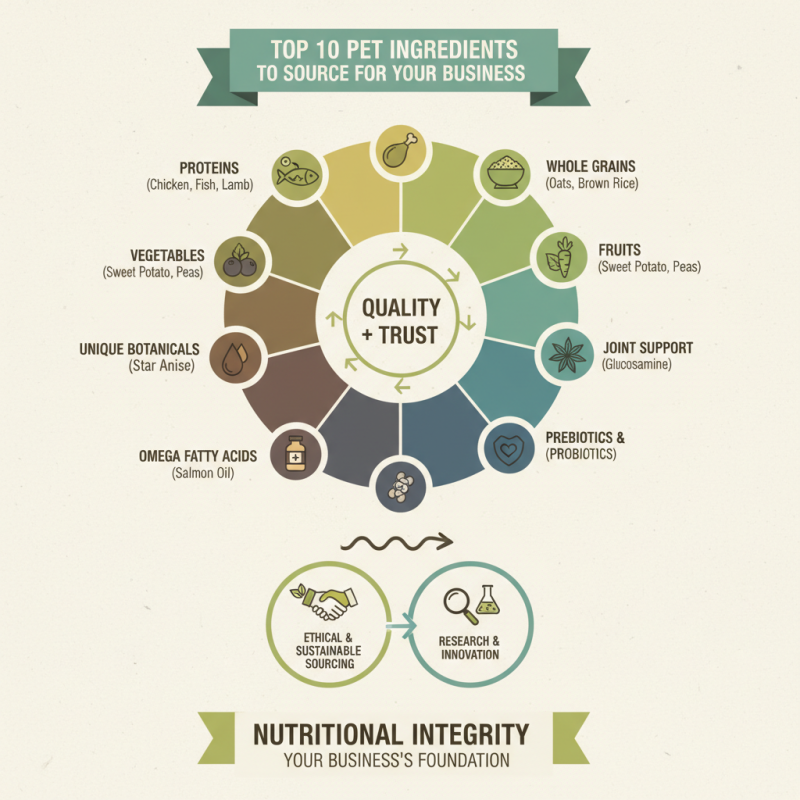
This chart illustrates the trending alternative protein sources for pet food, highlighting both traditional and emerging ingredients that are gaining popularity among pet owners.
Regulatory Considerations for Sourcing Pet Ingredients
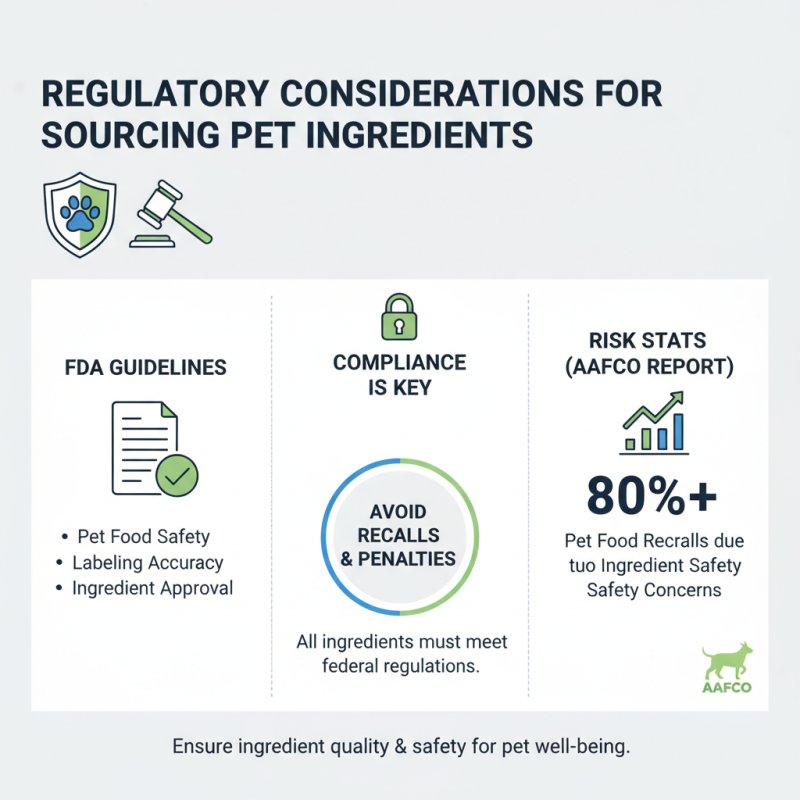
When sourcing ingredients for the pet food industry, regulatory considerations are critical. The FDA sets strict guidelines for pet food safety and labeling. It's essential to ensure that all ingredients meet these regulations to avoid compliance issues. According to a report by the Association of American Feed Control Officials (AAFCO), over 80% of pet food recalls are due to ingredient safety concerns.
It's not just about meeting regulations; transparency matters. Consumers today seek products with clearly labeled, high-quality ingredients. They favor companies that prioritize ethical sourcing practices. Failing to communicate your ingredient sourcing effectively can lead to consumer distrust.
**Tip:** Regularly review compliance guidelines from regulatory bodies. Staying updated can prevent potential legal setbacks.
Also, consider sustainability in your ingredient sourcing. A report from the Pet Food Institute emphasizes that over 60% of pet owners prefer brands using sustainable practices. Aligning your sourcing with sustainability can strengthen your market position.
**Tip:** Engage with suppliers who prioritize ethical and sustainable practices. This can enhance your brand credibility.
FAQS
: Quality pet ingredients ensure optimal nutrition for pets and enhance brand reputation.
Check their sourcing practices, ethical standards, and testing methods for transparency.
Observe the impact of ingredients on pet health to evaluate quality consistently.
Inconsistent supply and fluctuating prices can disrupt operations and affect quality.
Yes, engaging locally can help diversify sources and maintain consistent quality.
Regulations ensure ingredient safety and compliance, which is vital to avoid recalls.
Clear labeling and ethical sourcing build trust with consumers seeking high-quality products.
Many pet owners prefer brands that practice sustainability, improving market position.
Regular reviews of compliance guidelines are necessary to avoid legal issues.
Failing to communicate effectively could lead to consumer distrust and damage your brand.
Conclusion
In today's competitive pet food industry, understanding the significance of quality pet ingredients is paramount for businesses aiming to thrive. This involves recognizing commonly used pet ingredients, which not only meet nutritional requirements but also enhance the overall well-being of pets. Sourcing sustainable and ethical pet ingredients has become increasingly important, as consumers are more conscious of the origins of their pet food. Evaluating supplier certifications ensures that businesses maintain high standards and transparency in their ingredient sourcing.
Moreover, staying informed about trends in alternative proteins can lead to innovative product offerings that cater to evolving consumer preferences. It's also essential to navigate regulatory considerations related to pet ingredients, ensuring compliance and safety in every batch. By prioritizing these factors, businesses can effectively meet the demands of pet owners while promoting healthy, sustainable choices in the pet food market.