Picking a dependable supplier for garlic granules isn’t just about hunting for the lowest price. There’s actually a lot more to consider. You’ve gotta look into where it’s coming from, how it’s processed, the particle size, moisture levels, packaging, and their experience with exporting. All these little details can really impact the flavor, shelf life, how efficiently it’s produced, and whether customers trust your product or not.
In this guide, I’ve rounded up ten top suppliers who serve international markets. We’re talking about their factory capabilities, quality certifications, traceability systems, minimum order quantities, support for private labels, and how reliably they deliver. And don’t forget—asking for recent lab reports is super important. You want to check for microbiological safety, pesticide residues, allergens, and heavy metals just to be on the safe side. When it comes to dried garlic granules, consistent dehydration really matters. If the drying isn’t up to par, you might end up with clumps, a loss of aroma, or uneven performance in your seasoning blends.
Little details, often overlooked, actually make all the difference.
Dr. Linda J. Harris, a well-known food safety expert in produce processing, once said, “Safety isn’t something you test into the product—it’s built into every step.” Her point is, although supplier documents are helpful, it’s always better to verify things yourself. Ask for samples and try them out in your own recipes. Test how sturdy the packaging is under humid warehouse conditions. And pay attention to how suppliers handle vague or unclear specifications—do they respond promptly, or do you get ignored?
No supplier is perfect, even the most experienced exporters can have batch-to-batch variations, delays in communication, or limited customization options. It’s important to spot these weaknesses—they’re nothing to hide. The best garlic granule suppliers are transparent about their controls and quick to fix issues when they arise.
This overview is meant to help you compare established companies, newer manufacturers, and specialized ingredient suppliers. Ultimately, your choice should fit your market, how you plan to use the product, your compliance needs, and the realistic volume you’re buying. It’s all about finding the right partner who checks all your boxes.
What Garlic Granules Are and How They Are Produced
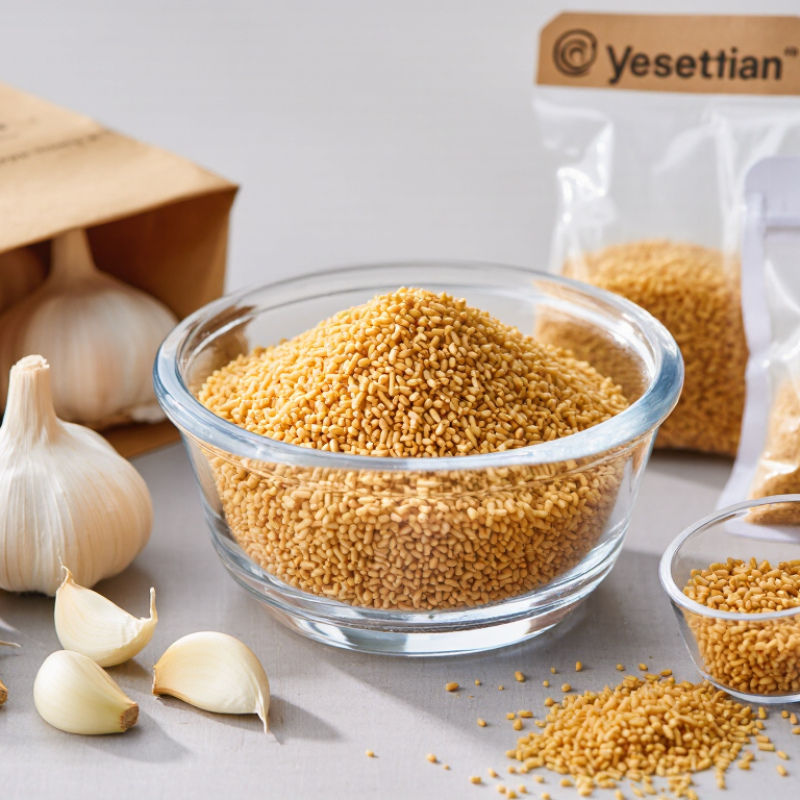
Garlic granules are small, dried pieces of garlic with a coarse, sand-like texture. They offer stronger texture than powder and disperse evenly in sauces, marinades, soups, and seasoning blends. Dry Garlic Granules usually begin with mature bulbs selected for firm cloves, clean skin, and a fresh aroma. Suppliers should check origin, harvest conditions, and visible defects before processing.
Production starts with peeling, trimming, and washing the cloves. The clean garlic is then chopped into uniform pieces. Controlled dehydration removes moisture while preserving much of the characteristic flavor. Excessive heat can create a toasted smell and darker color. After drying, the pieces are cooled, screened, and graded by particle size. Some facilities use magnets and metal detection as additional safety controls. Moisture and water activity testing help reduce the risk of clumping or spoilage during storage.
Uniformity is not always perfect. Natural garlic varies by season, field, and cultivar. That variation matters. Global buyers should request a recent specification sheet, batch sample, allergen statement, and microbiological test results. Packaging also deserves attention. Moisture-resistant bags with sealed inner liners can protect aroma during long transport. I would still compare samples from different batches, because one attractive sample cannot represent every shipment. A clean appearance is useful, but it never replaces documented testing.
Key Factors for Evaluating Garlic Granule Suppliers
Evaluating garlic granule suppliers requires more than comparing quotations. FAOSTAT’s 2022 data places global garlic production near 28 million tonnes, with China contributing roughly 23 million tonnes. This concentration creates sourcing risks from weather, port delays, and crop disease. Buyers should request origin records, harvest dates, processing locations, and backup supply plans. A reliable supplier can explain each step clearly.
Product specifications must be precise. Ask for particle size, moisture, color, flavor strength, foreign-material limits, and microbiological results. Air Dried Garlic Granules should arrive with lot-specific certificates, not generic laboratory sheets. Testing should cover Salmonella, E. coli, yeast, mold, pesticides, and heavy metals. Codex Standard CXS 347-2019 offers a useful reference for dried and dehydrated garlic quality.
Food safety systems also matter. Look for HACCP-based controls, ISO 22000 certification, allergen procedures, metal detection, and documented traceability. The FAO and WHO emphasize risk-based food control, yet certificates alone cannot prove daily factory discipline. I prefer reviewing recent audit findings and corrective actions. That is less polished.
Packaging deserves practical attention. Strong moisture barriers, readable lot codes, and pallet protection reduce caking during ocean transport. Request retention samples and test them after storage. A supplier may offer the lowest price, but unstable color or weak aroma can increase production waste. Trial orders reveal more than presentations. Mistakes still happen. Assess how openly the supplier reports them.
Top 10 Garlic Granules Suppliers for International Buyers
Top 10 Garlic Granules Suppliers for International Buyers
International buyers need more than a low quotation when selecting garlic granules suppliers. A reliable supplier should provide stable granule sizes, clean processing, and traceable raw materials. Common specifications include 8–16 mesh, low moisture, and strong garlic aroma. Ask for recent laboratory reports before approving a shipment.
The top 10 suppliers should be assessed through samples, factory records, and export experience. A dependable Dried Garlic Granules Manufacturer can explain washing, drying, screening, and metal detection procedures clearly. Check microbial results, pesticide controls, packaging strength, and shelf-life data. Food-grade bags with inner liners help protect the product during long sea transport. Request a sample from the same production lot, not a specially prepared sample.
Details matter.
I once underestimated carton strength during humid transit. Several bags arrived intact, but the outer cartons softened. That mistake changed my purchasing checklist. Buyers should also compare minimum order quantities, loading ports, payment terms, and seasonal price changes. A professional supplier will identify risks instead of promising everything is perfect. Some factories have excellent garlic but limited documentation. Others provide polished documents yet inconsistent granules. A site audit, video inspection, or independent pre-shipment test can reveal the difference. Keep communication records, approved specifications, and signed quality requirements for every order.
How to Compare Quality, Pricing, and Supply Capacity
When comparing garlic granules suppliers, quality should be measured beyond appearance. Request a recent certificate of analysis for moisture, microbiological limits, pesticide residues, and foreign matter. Granule size matters too. A food manufacturer may need 8–16 mesh, while seasoning production may require a finer grade. Check color, aroma, and rehydration with a retained sample. A clean sample is useful. It is not proof of every shipment.
Pricing needs an equal comparison. Ask whether the quotation includes packing, inspection, inland transport, freight, and insurance. Compare landed cost, not only the price per kilogram. A cheaper offer may use thinner bags, a higher minimum order, or longer payment terms. Confirm the Incoterm and currency in writing. I have found that small testing fees can prevent expensive misunderstandings. Still, price models are never perfect when freight rates change weekly.
Supply capacity requires evidence, not confident promises. Ask for average monthly output, peak-season availability, lead times, and backup processing arrangements. Review batch records and production photos when appropriate, then verify them through an independent audit or inspection. A supplier should explain how it controls moisture during storage, especially in humid ports. Forecasts can be wrong. Harvest shortages can also affect delivery. Build a realistic buffer and test more than one production lot before signing a long-term agreement.
Packaging, Certifications, and Global Shipping Considerations
Global buyers should assess garlic granules suppliers through packaging, documentation, and shipping performance, not price alone.
Food-grade bags should include a sealed inner liner, strong outer cartons, and clear lot identification.
Moisture is a serious risk.
Granules can soften during long ocean transit.
Ask for the product specification, allergen statement, country of origin, and recent laboratory reports.
Reliable suppliers usually provide HACCP or ISO 22000 systems, plus certificates required by the destination market.
Test results should cover microbiological limits, pesticide residues, moisture, and foreign materials.
A supplier may offer clean paperwork, yet delayed updates still create risk.
That weakness deserves attention.
SHIPPING CHECKLIST
For container shipments, confirm pallet dimensions, carton weight, loading photos, and desiccant use.
Check whether the shipment needs temperature control or only protection from humidity.
Compare FOB, CIF, and DDP quotations carefully.
Customs duties, port charges, and inspection fees can change the real cost.
Confirm shelf life at dispatch, not only at production.
The same checklist applies when buying
Dehydrated Carrot Granules
alongside garlic products, especially when several dry ingredients share one shipment.
Request samples from the actual production lot when possible.
A small sample cannot reveal every storage problem, but it can expose uneven granule size, weak aroma, or excess dust.
Suppliers should also explain their replacement process for damaged cartons or rejected lots.
Experienced buyers document these details before signing.
Mistakes still happen.
The contract should show who handles them.
How to Select the Right Garlic Granules Supplier for Your Market
Selecting the right garlic granules supplier requires more than comparing prices. For a ten-supplier shortlist, verify origin, harvest season, granulation, moisture, microbial limits, and pesticide testing. FAOSTAT’s 2022 Crops and Livestock Products database reports global garlic production at roughly 28 million tonnes. This scale creates supply opportunities, but it also increases quality variation between origins and processors.
Ask each supplier for recent certificates of analysis, not generic templates. The report should show moisture, mesh size, Salmonella, E. coli, yeast, mold, and foreign-material controls. Check whether testing comes from an accredited laboratory. Request batch traceability from farm or collection point to finished cartons. Food safety systems should align with recognized HACCP principles and current Codex hygiene guidance. Do not trust a low price alone.
Packaging deserves practical attention. Granules can absorb moisture quickly after opening, especially in humid warehouses. Confirm liner quality, carton strength, shelf-life evidence, pallet configuration, and container loading photos. Compare lead times against your market’s customs process and seasonal demand. The World Bank’s 2023 Logistics Performance Index highlights customs, infrastructure, and shipment timeliness as major trade factors. A supplier with excellent granules can still fail through late delivery.
One screening mistake is common. Buyers often approve a bright sample without testing cooking performance. Evaluate aroma, color after heating, rehydration, and flavor consistency across two or three batches. I would also keep a backup supplier from another region. It costs more initially, but concentrated sourcing can expose your market to weather, port, or crop disruptions.
FAQS
Garlic granules are small, dried garlic pieces with a coarse, sand-like texture. They provide more texture than powder. Granules spread evenly in sauces, soups, marinades, and seasoning blends.
Mature bulbs are selected, peeled, trimmed, and washed. Clean cloves are chopped into similar-sized pieces. Controlled drying removes moisture while preserving garlic flavor. The dried pieces are cooled, screened, and graded.
Particle size affects mixing, appearance, and rehydration. Some food manufacturers need coarse granules. Others need finer pieces for seasoning blends. Confirm the required mesh range before ordering.
Request a current specification sheet, batch sample, allergen statement, and lot-specific test results. Useful tests include moisture, water activity, microbes, pesticides, heavy metals, and foreign matter.
Review HACCP-based procedures, traceability, allergen controls, metal detection, and corrective actions. Ask for recent audit findings. Certificates help, but they do not prove daily factory discipline.
Moisture-resistant bags with sealed inner liners help protect aroma and reduce clumping. Strong pallet protection also matters. Check lot codes, seal quality, and bag thickness before shipment.
Compare landed cost, not only the kilogram price. Include packing, inspection, inland transport, freight, insurance, currency, and payment terms. A cheap offer may create more production waste.
Ask about monthly output, seasonal availability, lead times, and backup processing arrangements. Review production records when possible. Build a realistic supply buffer. Forecasts can still be wrong.
No sample tells the whole story. Compare samples from different batches and test retained samples after storage. I would not approve long-term supply from appearance alone.
Conclusion
Garlic Granules are a convenient, shelf-stable ingredient made by drying fresh garlic and processing it into uniform granules. This article explains how production methods influence flavor, color, moisture content, and particle consistency, while highlighting the main factors international buyers should consider when evaluating suppliers. These include raw material quality, processing standards, traceability, testing procedures, production capacity, pricing transparency, and reliability of delivery.
The guide presents ten supplier types suitable for global buyers without focusing on specific brand names. It also explains how to compare product quality, costs, minimum order quantities, packaging formats, certifications, and shipping capabilities. Special attention is given to moisture protection, storage conditions, export documentation, and supply continuity. By reviewing these factors together, buyers can select a Garlic Granules supplier that matches their market requirements, budget, quality expectations, and long-term purchasing plans.