Looking to source dried porcini in 2026? Well, it’s not just about comparing prices anymore. Buyers know they need reliable suppliers who can keep the flavor, safety, and quality consistent — especially over long-distance shipments. So, I put together this guide to highlight some top suppliers for Bulk Dried Porcini Mushrooms. We’ll cover stuff like origin, processing methods, documentation, and how well they perform when it comes to actual exporting.
A trustworthy supplier should be upfront about where each batch of mushrooms comes from and how they dry them out. When you’re inspecting, look at the cap color, slice thickness, aroma, moisture control, and how many broken pieces there are. Usually, a warm, earthy smell is a good sign, but honestly, smell alone can’t tell you if it’s safe. That's why it’s smart to try samples first. Good companies will give you clear specs, batch IDs, analysis certificates, and food safety info. And don’t forget—the packaging needs to stand up to humidity, especially during ocean freight or storage.
Evaluating suppliers isn’t just about the product, either. It’s helpful if they have experience with different needs—restaurants might want larger, more attractive pieces, while food producers often look for consistent granulation and a steady supply year-round. The best exporters are open and honest about minimum order sizes, lead times, private labeling options, and their policies on replacements. But let’s be real — no supplier is perfect. Crop conditions change, grading can differ, and those pretty photos? Sometimes, they hide batches that aren’t as consistent. That’s why I always recommend asking for recent samples and comparing them to your specs before placing big orders.
The companies I’m sharing here are judged on practical buying factors, not just shiny marketing talk. Remember, your final choice depends on how much risk you’re willing to take, what the local import rules are, and what you'll actually use the product for. Quality isn’t just a number — it’s about good judgment too.
Global Dried Porcini Suppliers: Market Scope and Product Overview
Global buyers should view dried porcini as a specialty wild mushroom category, not a standard commodity. FAOSTAT reported more than 48 million tonnes of mushrooms and truffles produced globally in 2022. However, this figure mainly covers cultivated mushrooms, not wild porcini. The distinction matters. UN Comtrade’s HS 071239 code groups dried mushrooms together, so its trade data cannot show exact porcini volumes. Market estimates need careful interpretation.
Dried porcini suppliers generally offer whole caps, sliced pieces, broken grades, and powder. Product value depends on species, harvest region, aroma, color, moisture, and foreign-matter control. Codex Standard 39-1981 lists 13% as the maximum moisture level for dried mushrooms. Buyers should request laboratory results for moisture, microbial safety, pesticide residues, and species identification. A bright color is useful, but it does not prove quality. Fragrance often tells more.
Tips: Before you Buy Dried Porcini Mushrooms, ask for a recent lot sample and harvest details. Check whether the sample matches the contract grade. Packaging should protect the product from humidity, crushed edges, and strong odors. Traceability can be incomplete in wild harvesting. That weakness deserves attention. A lower price may reflect smaller pieces, older stock, or mixed origins. Comparing supplier documents, not only quotations, supports a more reliable sourcing decision.
For global buyers, Dried Porcini Mushroom quality starts with grade, not appearance alone. Commercial grades usually consider cap size, color, aroma, cleanliness, moisture, and insect damage. Whole porcini offers the strongest visual appeal. Sliced pieces suit soups, sauces, and foodservice packs. Small pieces cost less. Powder delivers fast flavor, but it needs tighter control against clumping and foreign matter.
No universal global grading system exists. Buyers should request measurable specifications. These may include moisture limits, piece size, maximum foreign matter, and microbiological results. FAO reports that about 14% of food is lost between harvest and retail. Careful drying and sealed packaging can reduce waste, but poor storage still damages aroma. USDA FoodData Central lists dried mushrooms at roughly 296 calories per 100 grams. Nutrition varies by species, growing conditions, and processing. A darker product is not automatically better. I would not trust color alone.
Tips: Ask for a recent batch report, harvest region, drying method, and rehydration photos. Rub a sample gently. It should smell earthy, clean, and concentrated. Avoid sour odors, excessive dust, damp surfaces, or rubbery slices. For premium culinary use, choose whole or large slices. For industrial seasoning, powder may be practical, but test its aroma strength first. Some buyers overlook this step. That mistake can become expensive.
International porcini buying starts with traceability, not attractive photos. Ask for the scientific name, harvest region, drying method, and lot code. A reliable supplier can connect each lot to field records, drying dates, and inspection documents. Request recent moisture, microbiological, pesticide-residue, and heavy-metal test results from an accredited laboratory. Do not accept a certificate with no sample date. That detail matters.
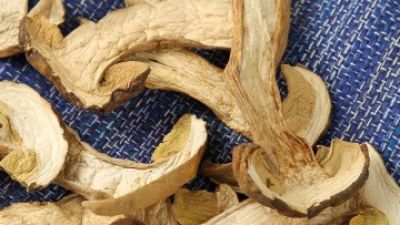
Evaluate physical quality with a retained sample. Look for a clean forest aroma, firm texture, and natural brown color. Excessive powder may hide broken pieces, insects, or damp storage.
Compare cap size, cut style, moisture level, and foreign-material limits against your specification. Suppliers should explain packaging layers, oxygen control, pallet conditions, and recommended storage temperature. Small details expose weak systems.
Commercial reliability also needs testing. Check minimum order quantities, lead times, export experience, insurance, and response speed. Ask how they handle rejected lots or temperature damage during transit. A written corrective-action process is stronger than a confident promise. I have seen buyers focus too heavily on price and regret it after a delayed shipment. My own checks are not perfect; laboratory results can represent only one sample. Repeat testing for high-value orders, and record every decision. A supplier who welcomes difficult questions is usually easier to audit.
China remains the strongest sourcing region for dried porcini and related dried mushrooms. UN Comtrade data for 2024, under HS 071239, places China among the leading global exporters by shipment value and volume. Its advantage is scale: large drying facilities, established inland collection networks, and container-ready grading. Buyers often find whole caps, broken pieces, and Dried Porcini Mushroom Powder in one supply chain. Yet HS 071239 covers several mushroom types, not porcini alone. That limitation deserves attention.
Southern and Eastern Europe offer stronger origin identity and shorter delivery routes into European markets. Italy, Spain, Serbia, Romania, and Bulgaria supply wild-harvested porcini with distinctive aromas. Italy adds experience in sorting, moisture control, and culinary specifications. Spain and the Balkans can provide flexible seasonal volumes, although harvests change sharply with rainfall. CBI’s European market analysis identifies food safety documentation, traceability, and consistent quality as key buyer requirements. Appearance is not enough.
Turkey and Chile also serve international buyers, especially when European supply tightens. Turkey benefits from proximity to Mediterranean customers and established dried-food logistics. Chile offers counter-seasonal availability for some markets, but freight distance can increase landed costs. The ITC Trade Map database recommends checking HS classifications, declared values, and destination-country trends before comparing suppliers. A practical audit should examine moisture, foreign matter, sulphur treatment, lot photographs, and laboratory results. Some reports group porcini with other dried mushrooms, so market estimates may look more precise than they are.
| Supplier Region | Main Porcini Species / Product Identity | Harvest and Supply Profile | Export Strengths | Typical Product Formats | Relative Export Readiness | Key Buyer Checks |
|---|---|---|---|---|---|---|
| Italy | Boletus edulis and related Boletus species | Wild forest harvest, with important gathering areas in the Alps and Apennines; supply is seasonal and weather-sensitive. | Strong culinary reputation, established EU food-processing infrastructure, premium grading, and mature traceability practices. | Whole caps, sliced porcini, pieces, granules, powder, and retail-ready packs. | Very High | Origin documentation, species declaration, moisture level, foreign-matter limits, and premium-grade consistency. |
| China | Wild Boletus edulis group and other commercially traded Boletus species | Large and geographically diverse wild-mushroom collection base; availability varies by province, altitude, and rainfall. | High processing capacity, broad volume availability, competitive pricing, and extensive container-loading experience. | Whole dried mushrooms, slices, pieces, powder, granules, and industrial ingredients. | Very High | Pesticide and heavy-metal testing, microbiological controls, authenticity checks, moisture, and lot traceability. |
| Spain | Boletus edulis group, including wild Iberian porcini | Wild collection is associated with mountain and woodland areas; annual volumes depend strongly on autumn rainfall. | Good access to EU buyers, strong Mediterranean food sector, and demand for premium Spanish-origin ingredients. | Whole mushrooms, slices, pieces, powder, and foodservice packs. | High | Verified harvest origin, EU labeling compliance, moisture control, and evidence of sustainable wild collection. |
| France | Boletus edulis group and regional wild Boletus species | Primarily a seasonal wild product from forested and mountainous areas; domestic supply is limited compared with overall European demand. | Premium positioning, sophisticated gastronomy market, and strong quality expectations. | Whole dried porcini, slices, pieces, powder, and specialty culinary packs. | High | French and EU labeling, precise species identification, premium grading, and sensory quality. |
| Türkiye | Wild Boletus edulis group and other edible Boletus species | Seasonal forest harvest from several climatic zones; supply can support both regional trade and international orders. | Competitive location between European, Middle Eastern, and Asian markets, with established dried-food logistics. | Whole mushrooms, slices, pieces, powder, and bulk foodservice cartons. | High | Pesticide residues, origin records, fumigation or treatment declarations, moisture, and packaging integrity. |
| Serbia and Western Balkans | Boletus edulis group and other wild forest mushrooms | Important wild-collection zones across mixed forests and uplands; harvest volumes fluctuate with weather and local collection conditions. | Competitive sourcing for European buyers, proximity to EU markets, and experience with dried wild-mushroom handling. | Whole dried porcini, slices, pieces, powder, and bulk cartons. | High | EU import requirements, species authentication, radionuclide controls where applicable, and full collection traceability. |
| Poland and Central Europe | Boletus edulis and related European Boletus species | Mixed-forest wild harvest with strong seasonal variation; regional collection networks support processing and distribution. | Good road access to European food manufacturers, established mushroom-processing skills, and flexible order sizes. | Slices, pieces, whole mushrooms, powder, and ingredient-grade material. | High | Harvest area, drying method, moisture specification, insect damage, foreign matter, and EU food-safety records. |
| Bulgaria and Romania | Boletus edulis group and other wild edible mushrooms | Forest-based seasonal collection across mountain and upland areas; supply is primarily wild rather than cultivated. | Cost-effective regional sourcing, access to European transport corridors, and established wild-mushroom collection practices. | Whole dried mushrooms, slices, pieces, powder, and bulk ingredients. | Medium-High | Supplier approval, collection traceability, laboratory testing, moisture, mold prevention, and EU border documentation. |
| Croatia and Slovenia | Boletus edulis group from Alpine, Dinaric, and mixed-forest habitats | Premium seasonal wild product with relatively limited volume compared with larger European sourcing regions. | Good quality positioning, proximity to Italy and Central Europe, and suitability for specialty and gourmet buyers. | Premium whole caps, slices, pieces, and specialty retail packs. | Medium-High | Small-lot availability, exact harvest origin, food-safety testing, and consistent visual grading. |
| North America | Regional Boletus species, including North American porcini-type mushrooms | Wild harvest from western forest regions is seasonal and can be affected by drought, wildfire, and forest-access conditions. | Strong specialty-food market, clear labeling expectations, and demand for traceable domestic wild ingredients. | Whole dried mushrooms, slices, pieces, powder, and small-batch specialty packs. | Medium | Botanical identification, state or provincial harvest rules, allergen labeling, moisture, and domestic food regulations. |
When sourcing Dried Porcini Mushrooms in 2026, global buyers should treat import compliance as a product requirement. Each shipment needs traceable lot numbers, harvest origin, processing dates, and clear storage instructions. Ask for a current specification sheet before discussing volume or price. It should state moisture limits, foreign-matter tolerance, size grades, color expectations, and testing methods. Small details matter. A sealed sample should match the bulk shipment in aroma, texture, and visible cleanliness. Photograph the opened carton and inner liner during inspection.
Certification documents should fit the destination market, not merely decorate a sales file. Common requests include HACCP or an equivalent food-safety system. Buyers may also need a certificate of analysis, certificate of origin, commercial invoice, packing list, and bill of lading. For plant products, authorities may request phytosanitary documentation or additional declarations. Requirements differ by country and tariff classification. Check them with the importer of record and customs authority before loading. Testing should cover moisture, microbiological quality, pesticide residues, and contaminants listed by local rules. Do not accept an undated report. The laboratory’s accreditation, sample identity, and test date should be verifiable.
Experienced buyers also review packaging performance during transit. Dried porcini can absorb humidity through weak seals, causing odors, soft texture, or mold risk. Use food-grade liners, strong cartons, desiccant where appropriate, and pallet protection. I have seen paperwork look complete while carton markings were incomplete. That gap deserves attention. A reliable supplier responds to corrective-action requests and preserves records for each lot. Still, no checklist is perfect. Seasonal variation, changing rules, and delayed laboratory results require documented judgment rather than assumptions.
For global buyers, dried porcini pricing depends on origin, harvest year, cap size, moisture, color, and foreign-material controls. ITC Trade Map and UN Comtrade classify most dried mushrooms under HS 071239, not porcini alone. Therefore, published trade values are useful, but imperfect benchmarks. A supplier quote should separate product cost, inspection fees, inland transport, and freight. Ask for the price basis, such as FOB or CIF, and confirm currency, minimum order quantity, and payment terms. Small price gaps can disappear after port charges.
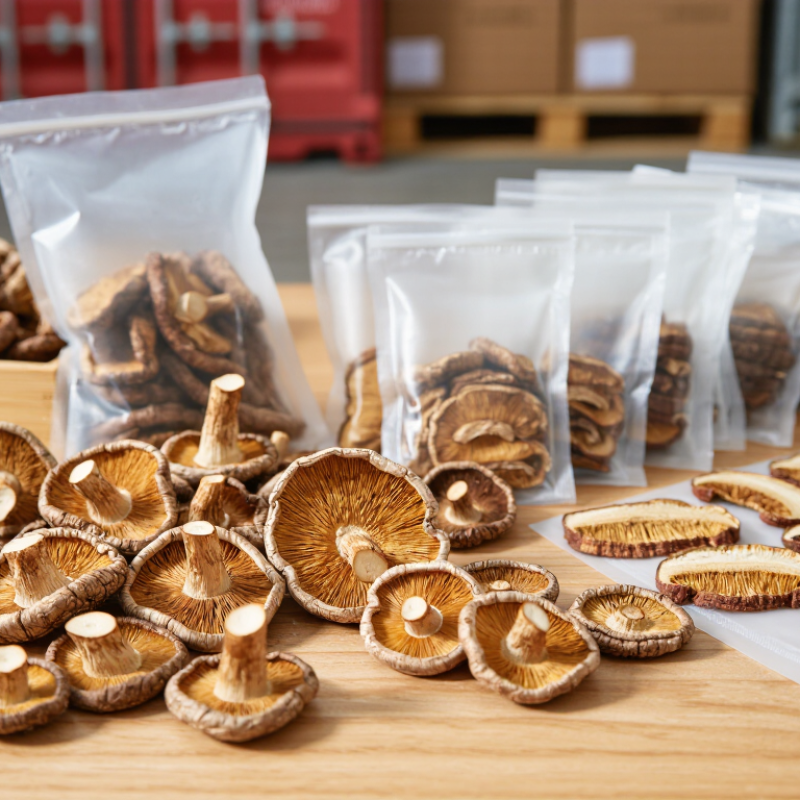
Packaging protects quality during long transit. Export lots commonly use food-grade inner bags inside corrugated cartons, with net weights such as 5 or 10 kilograms. Vacuum packing may reduce oxygen exposure, but it can crush fragile slices. Request carton dimensions, pallet patterns, lot codes, production dates, and moisture specifications. Codex General Standard for the Labelling of Prepackaged Foods provides a useful reference for declarations, although destination-country rules still require verification. I would not rely on photographs alone.
Shipping needs practical testing. A data logger can record temperature and humidity inside one trial shipment. Desiccants may help, but they cannot fix poorly dried mushrooms. The ICC Incoterms 2020 framework clarifies transport responsibilities, yet it does not guarantee customs clearance or product acceptance. ITC trade data can reveal seasonal sourcing patterns, while FAO food-loss research highlights the cost of weak post-harvest handling. Build a landed-cost model before ordering. Leave room for surprises.
Indicative global-trade benchmarks by product cut. Prices are typical wholesale planning ranges in USD per kilogram; actual quotations vary by origin, grade, moisture level, harvest year, certification, order volume, and Incoterms.
Packaging and shipping considerations: Export shipments commonly use food-grade inner bags inside corrugated cartons or vacuum packs, with practical carton sizes of 5–20 kg. Allow approximately 21–35 days for standard international sea-freight planning, excluding customs clearance. Air freight can reduce transit time but substantially increases landed cost.
## Porcini Mushrooms (Boletus Edulis): A Guide to Their Flavor, Uses, and Selection
Porcini mushrooms, scientifically known as *Boletus edulis*, are prized for their deep woodland aroma, savory umami character, and firm, meaty texture. They commonly grow beneath coniferous and broadleaf trees in temperate forests across Europe, North America, and Asia. Drying intensifies their natural flavor and extends shelf life. USDA FoodData Central reports that dried mushrooms are particularly concentrated in dietary fiber and nutrients because much of their moisture has been removed, making a small serving useful in soups, sauces, risottos, pasta, gravies, and vegetarian dishes.
Selection depends on both form and drying method. Whole porcini are suitable for premium presentation, while slices and dices offer faster soaking and more even distribution. Powder works well in seasoning blends, stocks, sauces, and fillings. Freeze-drying generally preserves aroma, color, and structure efficiently, whereas air-drying creates a more concentrated, traditional mushroom profile. Industry guidance from the European Commission’s CBI market intelligence reports emphasizes consistent grading, hygienic processing, traceability, and reliable moisture control as important quality factors in the dried mushroom trade.
High-quality porcini should have a clean, earthy fragrance without sour or musty notes, uniform color, and minimal excess dust or foreign material. Rehydrating the pieces in warm water releases additional flavor; the strained soaking liquid can also enrich risotto, soup, or sauce. Available as whole, slices, dices, powder, or customized formats, dried porcini can be matched to foodservice, retail, and ingredient applications.
Quality depends on cap size, color, aroma, cleanliness, moisture, and insect damage. Appearance alone can mislead.
Whole caps look premium and suit high-end cooking. Large slices work well in soups and sauces. Powder gives quick flavor.
Ask for moisture limits, piece size, foreign-matter limits, and microbiological test results. Request a recent batch report.
Rub a small sample gently. It should smell earthy, clean, and concentrated. Avoid sour odors, damp surfaces, heavy dust, or rubbery slices.
Not always. Color changes with species, drying, and processing. I would not approve a shipment from color alone.
China offers large volumes and several grades. European regions often provide stronger origin identity. Turkey and Chile may help during supply shortages.
Check the harvest region, drying method, lot photographs, moisture results, foreign matter, and treatment details. Confirm whether data covers porcini alone.
Food-grade inner bags inside strong cartons are common. Vacuum packing limits oxygen, but it may crush fragile slices.
Separate product price, inspection fees, inland transport, freight, port charges, and duties. Confirm the price basis, currency, and minimum order.
Use sealed packaging and consider desiccants. A temperature and humidity logger can reveal problems inside a trial shipment. Small tests matter.
This guide to the 2026 top Dried Porcini suppliers for global buyers explains the international market scope, product characteristics, and purchasing factors that influence successful sourcing. It compares key grades and forms, including whole caps, slices, pieces, and powder, while highlighting the importance of aroma, color, moisture level, cleanliness, texture, and consistent quality. Buyers will also learn how to assess suppliers through production capacity, traceability, quality-control systems, export experience, and communication efficiency.
The article reviews major supplier regions and their export strengths, then outlines common import standards, certifications, inspection procedures, and essential documentation. It also covers pricing factors, packaging options, shelf-life protection, minimum order quantities, shipping methods, and delivery planning. By considering these elements together, importers, wholesalers, and food manufacturers can make more informed decisions, reduce supply risks, and establish reliable international sourcing strategies for Dried Porcini.