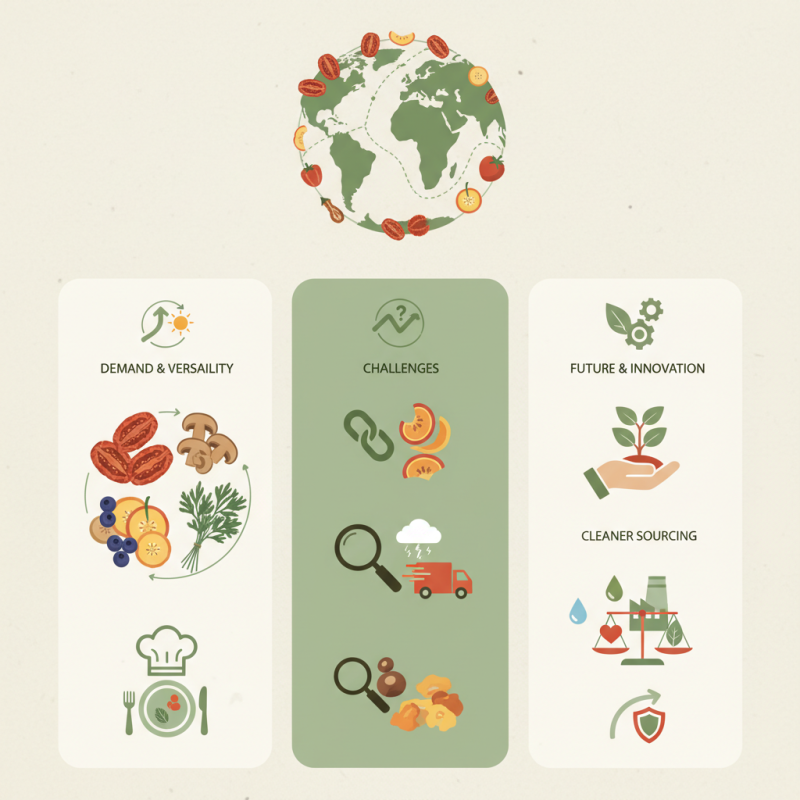
These days, with everything changing so rapidly in how we source our food around the world, dried food ingredients are really catching everyone's attention. I mean, if you ask Dr. Emily Fischer from Global Food Solutions, she’ll probably tell you that, ‘The demand for quality dried ingredients has never been higher.’ Things like sun-dried tomatoes are pretty popular—they’re super versatile and add great flavor along with nutritional perks. Honestly, they can really jazz up a dish.
But, let’s be real — it’s not all smooth sailing. Finding top-notch dried ingredients isn’t always easy. You’ve got to think about the quality, and sometimes supply chains get a little messy, which makes things tricky. Companies need to stay sharp and ready to adapt because trends are always shifting.
Looking ahead, the future for dried food ingredients still looks pretty bright, but it’s definitely going to need some fresh ideas and a focus on sustainability. People are more health-conscious and environmentally aware than ever, so it’s crucial that the industry keeps pace with those demands. Doing things in a way that’s both high-quality and eco-friendly might be tough, but if we want to grow and stay resilient, it’s the right move. All in all, it’s a balancing act, but one that’s worth it in the end.
Top Dried Food Ingredients in Global Markets
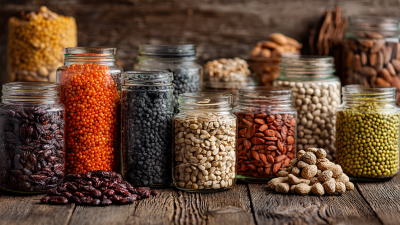
Dried food ingredients are gaining immense popularity in global markets. Many consumers are seeking healthier, convenient options. Ingredients like dried fruits, vegetables, and herbs are staples in diverse cuisines. These products have a long shelf life, making them essential for both households and restaurants.
The demand for dried food varies around the world. For instance, in Asia, dried mushrooms are prized for their umami flavor. In contrast, North America sees a rise in snack foods made from dried fruits. However, sourcing these ingredients requires attention to quality and sustainability. Importers must be discerning. Not all suppliers meet the necessary standards.
The market also presents challenges. Transportation issues can affect availability and pricing. Additionally, fluctuating demand may lead to excess inventory. Companies must balance supply and demand while ensuring freshness. These complexities highlight the importance of reliable partnerships in sourcing dried food ingredients.
Top Dried Food Ingredients in Global Markets
Key Nutritional Benefits of Dried Foods
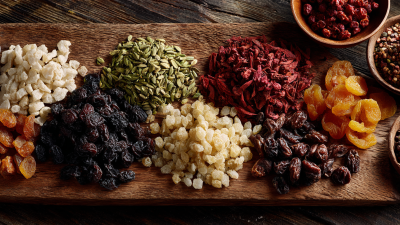
Dried food ingredients offer numerous nutritional benefits that can enhance any diet. They are convenient, allowing for easy storage and longer shelf life. Dried Fruit Ingredients, for example, retain essential vitamins and minerals. They provide a concentrated source of energy, which is particularly beneficial for active individuals. When incorporated into meals, these ingredients can add sweetness and flavor without added sugars.
Moreover, dried foods can promote digestive health. Many dried fruits are rich in fiber, aiding in digestion and helping to maintain a healthy gut. However, not all dried foods are created equal. Some may contain added sugars or preservatives. It’s important to read labels carefully. Opting for naturally dried options can maximize health benefits.
Incorporating dried ingredients into your meals is simple. They can be added to salads, cereals, or baked goods. However, one must be mindful of portion sizes. The concentrated nature of dried fruit ingredients can lead to overconsumption. Balancing these foods with fresh produce ensures a well-rounded diet. Embracing dried foods requires reflection on their role in your nutrition plan.
Popular Dried Food Categories for Import and Export
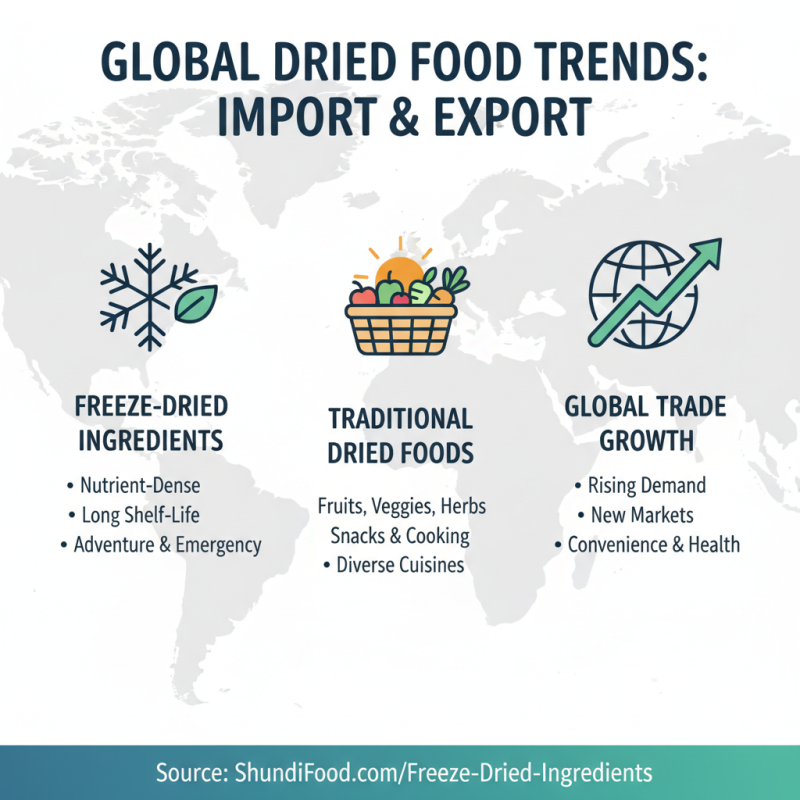
Dried foods have gained popularity in global trade. Various ingredients cater to diverse culinary needs. Freeze Dried Ingredients are increasingly favored for their nutritional density and shelf stability. They offer significant benefits, especially for outdoor enthusiasts and emergency preparedness.
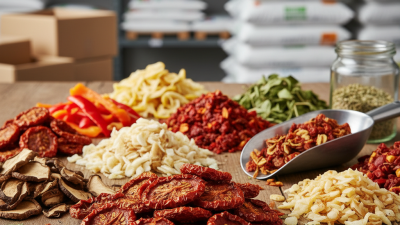
Markets reveal several popular dried food categories. Fruits and vegetables dominate, providing healthy snacking options. Herbs and spices enhance flavors in many dishes. Grains, such as rice and quinoa, hold great value for bulk sourcing. It’s essential to check climate conditions and market preferences when sourcing these items.
Tips: Always consider quality during import/export. Research reliable suppliers and assess their certifications. Testing samples can provide insights into the ingredient's authenticity. Dried foods should be stored correctly to maintain their quality. Explore different markets to understand local trends. Each market may present unique challenges and opportunities.
Major Global Suppliers of Dried Food Ingredients
The dried food ingredient market is evolving rapidly. Major global suppliers are crucial in meeting the growing demand. According to a recent report by Market Research Future, the dried fruit and vegetable market is predicted to reach $12 billion by 2026. This growth is driven by increased consumer interest in healthy eating.
Asia-Pacific is a significant player in the supply chain. Countries like India and China dominate the dried herbs and spices sector. These regions benefit from their agricultural diversity and favorable climates. However, they also face challenges, such as quality control and sustainability issues. Many suppliers are adopting stricter standards to ensure reliability.
In Europe and North America, suppliers are focusing on organic and natural products. A study from the Organic Trade Association revealed a 17% increase in organic dried foods over the last two years. There is a rising awareness of health benefits, but sourcing high-quality organic ingredients is often inconsistent. Suppliers must navigate varying regulations, enhancing their complexity in global sourcing.
Trends Affecting Dried Food Ingredient Sourcing
The dried food ingredient market is evolving rapidly. Many factors influence sourcing decisions today. A growing consumer demand for plant-based diets drives companies to seek diverse dried ingredients. Ingredients like dehydrated vegetables are proving popular, as they provide nutritional benefits without compromising on taste.
Sustainability is another trend shaping the industry. More suppliers focus on eco-friendly practices. This shift affects sourcing strategies as companies prioritize environmentally responsible options. However, sourcing sustainable ingredients can be challenging. Not all suppliers adhere to the same standards, leading to potential discrepancies in product quality.
Supply chain disruptions further complicate the landscape. Factors like climate change and geopolitical tensions impact availability. Dried fruits and herbs often face fluctuating prices due to these challenges. Companies must adapt and seek transparency in sourcing to mitigate risks. Engaging with reliable suppliers and diversifying sources can help navigate this complex environment.
Top Dried Food Ingredients for Global Sourcing Opportunities
| Ingredient |
Region of Sourcing |
Usage Trends |
Market Growth Rate (%) |
| Dried Avocado |
North America |
Healthy Snacking |
15% |
| Dried Mushrooms |
Asia-Pacific |
Culinary Uses |
10% |
| Dried Fruits |
Europe |
Baking and Snacks |
12% |
| Dried Herbs |
Mediterranean |
Flavor Enhancement |
8% |
| Dried Seaweed |
Asia |
Health Food |
20% |
Sustainability Practices in Dried Food Industry
The dried food industry is increasingly focusing on sustainability. Many companies are now looking for ways to minimize their environmental impact. This shift enhances the appeal of dried food products, such as Cumin Ingredients, which often come from agricultural practices that require less water.
Farmers are exploring methods like regenerative agriculture. This practice enriches the soil and promotes biodiversity. However, there is a challenge in balancing productivity and sustainability. Some farms struggle to maintain high yields while adopting eco-friendly practices. This tension raises questions about long-term sustainability in the dried food sector.
Transparency is essential in this industry. Consumers want to know where their food comes from. They seek products with a low carbon footprint. However, sourcing dilemmas arise. High-quality, sustainable cumin ingredients might sometimes be more expensive, making them less accessible. These factors complicate the pathway toward a truly sustainable dried food industry.
Challenges in Global Sourcing of Dried Food Ingredients
Sourcing dried food ingredients globally presents distinct challenges.
Quality control is paramount, yet hard to maintain across borders.
Different countries have varying standards, which can affect the consistency of dried products.
This discrepancy can lead to ingredient mismatches and customer dissatisfaction.
Importing dried ingredients like
Black Pepper Ingredients
involves logistical hurdles. Transportation delays, tariffs, and changing regulations add complexity to procurement.
Suppliers may also struggle with transparency. This often complicates the trustworthiness of the sourced products.
Tips:
Prioritize suppliers with a solid track record.
Conduct regular quality assessments to ensure compliance with your standards.
Building relationships with reliable partners can mitigate many sourcing challenges.
Additionally, don’t underestimate market trends.
The demand for sustainable practices can influence ingredient sourcing.
Stay informed to adapt your sourcing strategy accordingly. Embracing flexibility in sourcing can lead to innovative partnerships and opportunities.
FAQS
: Many consumers seek healthier and convenient food options. Dried foods have a long shelf life.
Dried fruits, vegetables, and herbs are staples in various cuisines. They enhance flavors and nutrition.
Demand differs; for example, Asia highly values dried mushrooms, while North America prefers dried fruit snacks.
Suppliers face transportation issues, quality control, and fluctuating demand, which can complicate inventory management.
No, not every supplier meets quality standards. Importers must carefully select their partners for sourcing.
The dried fruit and vegetables market is expected to grow, reaching $12 billion by 2026 due to healthy eating trends.
Yes, Asia-Pacific countries like India and China are leading in dried herbs and spices.
They are emphasizing organic and natural products to meet rising health awareness among consumers.
Sourcing high-quality organic ingredients can be inconsistent due to varying regulations and quality standards.
Companies balance supply and demand carefully while forming reliable partnerships to ensure ingredient freshness.
Conclusion
The article explores the promising landscape of dried food ingredients in the global market, highlighting their nutritional benefits and increasing demand. Dried food ingredients offer several advantages, including extended shelf life and concentrated flavors, making them popular choices for both imports and exports. The discussion also encompasses the major suppliers driving this market and significant trends that are shaping sourcing strategies.
Additionally, the article addresses sustainability practices within the dried food industry, emphasizing the importance of responsible sourcing in the current economic climate. It further examines the challenges faced in global sourcing, such as fluctuating prices and supply chain disruptions. Overall, the insights provided suggest that the dried food ingredients sector is ripe with opportunities, contingent upon navigating these key trends and challenges effectively.