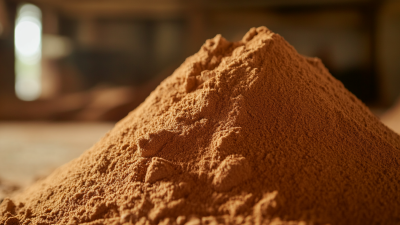
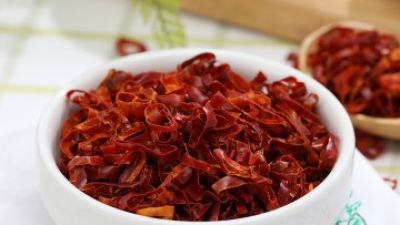
As the global market for Dried Chili Peppers keeps growing, buyers are suddenly faced with a whole bunch of options. According to a report from Grand View Research, the worldwide dried chili market is expected to hit around $3.8 billion by 2026. With so many varieties out there, figuring out which ones to go for can be pretty overwhelming, but it’s really key to getting the best flavor and making good profits.
Dried Chili Peppers are loved in so many cuisines—think Mexican, Asian, you name it. Some of the popular types include Ancho, Guajillo, and Thai Bird’s Eye. Each one has its own unique heat level and flavor profile, so it’s not just about the spice but also about matching the right kind to your dishes. Plus, it’s super important to think about where you're sourcing them from. Consistent quality matters big time because low-quality dried chili can actually cost you a lot in the end—both in money and reputation.
Of course, as demand for dried chili peppers keeps climbing, so do the challenges. Supply chain hiccups and climate changes can mess up the yields or spoil the quality. That’s why it’s a smart move to look for suppliers who care about sustainability and quality control. Being aware of these factors helps you make smarter choices when buying. Honestly, focusing on quality rather than just chasing the cheapest option is usually the way to go—unless you want trouble down the road.
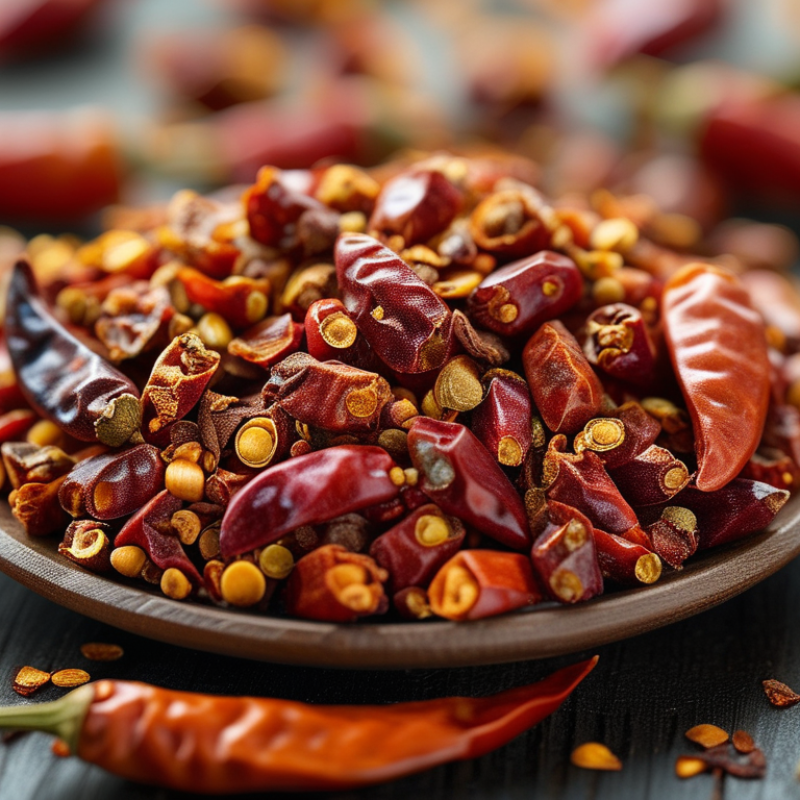
Overview of Dried Chili Types in Global Markets
The market for dried chili types has been evolving, reflecting diverse culinary preferences globally. According to a report by Mordor Intelligence, the dried chili market is projected to grow at a CAGR of over 5% from 2021 to 2026. This growth is driven by increased demand in Asian and Latin American cuisines, where dried chilies are essential ingredients.
Different types of dried chilies—such as Guajillo, Ancho, and Chipotle—offer unique flavors and heat levels. Guajillo chilies are known for their berry-like undertones and moderate heat. Meanwhile, Ancho chilies add sweetness and depth, making them popular in sauces. According to the USDA, global imports of dried chilies have surged, with countries like India and Mexico leading exports.
However, quality inconsistency can pose challenges for buyers. Variations in climate, harvest, and processing methods affect the final product. Buyers should consider sourcing from reputable suppliers who maintain stringent quality control measures. A recent study suggested that around 20% of imported dried chilies may not meet quality standards, highlighting the need for careful scrutiny.
Popular Varieties of Dried Chilis for Culinary Use
Dried Chili
are an essential ingredient in many cuisines worldwide. They add depth and heat to dishes, transforming flavors.
Popular varieties include Ancho, Guajillo, and Pasilla. Each type offers distinct taste profiles.
Ancho chilis are sweet and rich, perfect for sauces. Guajillo chilis provide a mild heat with fruity undertones, ideal for marinades.
Pasilla chilis bring a smoky flavor that complements meats well.
Choosing the right dried chili can elevate your cooking. Experimenting is key to understanding their unique flavors.
Combining different chilis can create complex sauces and salsas. Remember to control the heat level according to your preference.
When using dried chilis, always rehydrate them before cooking to maximize their flavor.
Toasting them lightly in a pan can unlock even more aromas.
Dried chili varieties are versatile, fitting various culinary needs. They can enhance soups, stews, and even chocolate.
Finding a balance between flavor and heat requires some practice. Take notes on what works best for your palate.
Interested in spicing things up? Consider mixing dried chilis with herbs and spices to craft your own signature blends.
The journey to mastering these ingredients is worthwhile.
Key Regions for Dried Chili Production Worldwide
The global market for dried chili peppers is diverse and vibrant. Key regions such as India, Mexico, and China are leading producers. India alone contributed approximately 40% of the world’s dried chili production in 2022. This strong output is largely due to favorable climatic conditions and extensive farming practices.
In Mexico, the variety of dried chili peppers like "Ancho" and "Guajillo" is notable. These peppers are essential in the culinary traditions of Mexican cuisine. Reports suggest that the demand for these varieties has increased by about 15% annually. Such growth provides opportunities for international buyers seeking quality products.
China is also a critical player in the dried chili space. The country is known for its high-quality "Facing Heaven" variety. This chili accounts for a significant portion of China’s agricultural exports. Nevertheless, challenges exist due to varying climate conditions and shifting consumer preferences. International buyers should consider these factors when entering the market for Dried Red Chili Peppers.
Flavor Profiles and Heat Levels of Top Dried Chilis
Dried Chili Peppers are diverse, bringing unique flavors and heat levels to dishes worldwide. The Scoville scale rates the heat of each variety. For instance, the Jalapeño usually ranks around 2,500 to 8,000 SHU, while the Habanero can range from 100,000 to 350,000 SHU. Global buyers should consider how heat levels vary significantly among dried chilies. For authentic flavor profiles, understanding these differences is crucial.
Different regions cultivate distinct dried chili peppers, each adding its character to culinary creations. The Ancho chili, with its mild heat of 1,000 to 2,000 SHU, contributes rich, fruity notes, ideal for sauces. Conversely, the Cayenne, clocking in at 30,000 to 50,000 SHU, offers a fiery kick. Such contrasts highlight the importance of recognizing flavor profiles in selecting the right dried chili pepper for specific recipes.
Importantly, not all dried chilies are created equal. Some varieties may lose potency over time. Freshness is a critical factor; old dried chilies may lack flavor and heat. Buyers must rigorously assess quality. Understanding these nuances will ensure they select the best dried chili peppers for culinary excellence.
Best Practices for Sourcing Quality Dried Chilis
When sourcing quality dried chilis, understanding origin and variety is crucial. Different regions produce unique flavors and heat levels. For instance, chilis from Mexico offer a rich, smoky profile. Meanwhile, Indian varieties can be extremely hot. Buyers should familiarize themselves with these regional distinctions.
Inspect the chilis carefully for quality. Look for vibrant colors and firm textures. Avoid any that appear dull or shriveled. Freshness plays a significant role in flavor and heat. Consider requesting samples before a larger purchase. This can prevent costly mistakes and help you make informed decisions.
Building relationships with suppliers enhances reliability. Regular communication fosters trust and ensures a consistent supply of high-quality products. It’s essential to stay updated on market trends and customer preferences. This adaptability can lead to better sourcing strategies and improved sales outcomes. But remember, not all suppliers may meet your standards. Take time to evaluate and reflect on your sourcing choices for maximum satisfaction.
Market Trends Influencing Dried Chili Demand in 2026
The demand for dried chili is shifting. Global buyers must pay attention to market trends in 2026. According to industry reports, the dried chili market is projected to grow by 5.5% annually. This growth is driven by the rising popularity of spicy foods and health benefits associated with chilis.
Diverse types of dried chilies are gaining traction. Different regions offer unique flavors and heat levels, which appeal to various culinary preferences. For instance, Dried Chili Flakes are increasingly favored in fusion cuisines. Consumers are showing a preference for authentic products with distinct taste profiles. This trend suggests that sourcing from specialty suppliers can boost competitiveness in the market.
Paying attention to consumer preferences is crucial. Small-scale producers are finding success by offering organic and sustainably sourced dried chili flakes. Engaging with local farmers can enhance product diversity. Consider developing relationships with suppliers who prioritize quality and sustainability. This approach may attract health-conscious buyers seeking premium products.
Health Benefits and Culinary Applications of Dried Chilis
Dried chilis are more than just spice; they bring numerous health benefits. Rich in vitamins A, C, and E, they are known for boosting immunity. A report by the Food and Agriculture Organization highlights that the antioxidants in chilis may help reduce inflammation and lower the risk of chronic diseases. This makes them a valuable addition to any diet.
The culinary applications of dried chilis are vast. They enhance the flavor of various dishes, from soups to marinades. Different chili types offer distinct heat levels and flavor profiles. For example, ancho chilis are mild and sweet, while bird’s eye chilis pack a fiery punch. This versatility allows chefs to experiment with flavor in innovative ways.
When incorporating dried chilis, moderation is key. Start with small amounts to gauge their heat. Pair them with fats like oils or cream to balance their intensity. Additionally, to maximize their freshness, store chilis in an airtight container away from light. This not only preserves their potency but also their flavor.
Exploring the Versatile Benefits and Uses of Chili: A Guide to Spice Up Your Culinary Adventures
Chili peppers are celebrated worldwide for their vibrant flavor and varying degrees of heat, making them a staple in many kitchens. With their versatility, these colorful fruits enhance a myriad of dishes across different cuisines, from the bold spice of Mexican salsas to the rich heat found in Indian curries. Whether enjoyed fresh or dried, chili peppers contribute not only to flavor but also to the visual appeal of food. The air-drying process of chili peppers preserves their natural essence, allowing home cooks and professional chefs to enjoy the distinct flavors long after the harvest.
Available in various forms such as flakes, granules, powder, and crushed, air-dried chili products offer convenience without sacrificing taste. By using these dehydrated chili options, cooks can easily integrate the peppers' unique heat into their culinary creations, navigating the balance of spice in both traditional and experimental dishes. The extended shelf life of these products ensures that flavor is always on hand, facilitating spontaneous cooking adventures. Whether you're spicing up a simple sauce or adding depth to complex recipes, the versatility of chili in its dried forms invites endless possibilities for culinary exploration.
FAQS
: Key regions include India, Mexico, and China, with India producing about 40% globally.
The demand for varieties like "Ancho" and "Guajillo" increased by approximately 15% annually.
China’s "Facing Heaven" variety is noted for high quality but faces climate challenges.
Heat levels vary significantly. Understanding them ensures authentic flavors in dishes.
Dried chilies may lose potency over time; freshness is crucial for maintaining flavor.
The market is projected to grow 5.5% annually, driven by spicy food popularity.
Consumers prefer authentic, distinct taste profiles. Sourcing from specialty suppliers is essential.
Organic and sustainably sourced products can appeal to health-conscious buyers seeking quality.
They succeed by offering unique products and engaging with local farmers for diversity.
Yes, assessing quality is critical for ensuring culinary excellence and customer satisfaction.
Conclusion
The article "2026 Top Dried Chili Types for Global Buyers to Consider" provides a comprehensive overview of dried chilis in the global market, highlighting popular varieties for culinary use. It delves into key regions that dominate dried chili production, detailing the distinct flavor profiles and heat levels associated with the top types. As the demand for dried chilis continues to rise, the article outlines best practices for sourcing quality products, while also examining market trends that are expected to influence the dried chili marketplace in 2026. Additionally, it discusses the health benefits and various culinary applications of dried chilis, making them an essential ingredient for both home cooks and professional chefs alike.
In summary, understanding the diverse world of dried chilis is crucial for buyers looking to enhance their culinary offerings. The ongoing trends and the recognition of health benefits further solidify the importance of incorporating dried chilis into various cuisines worldwide.