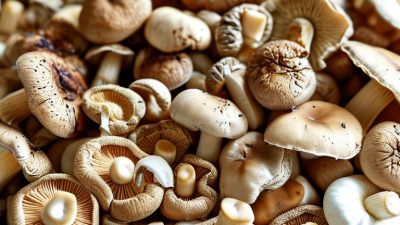
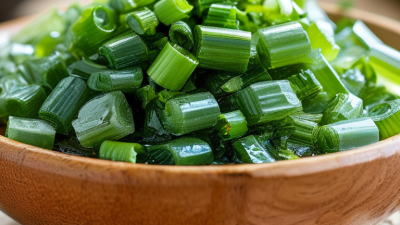
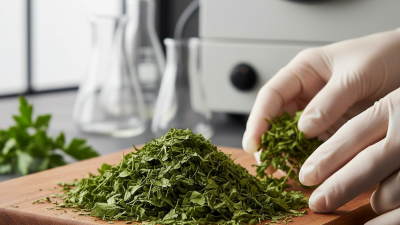
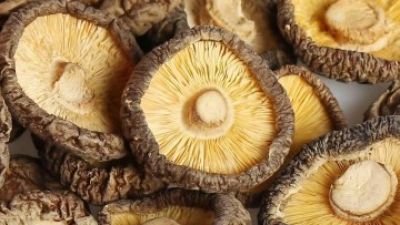
When global buyers are on the hunt for dehydrated mushrooms, it’s about more than just spotting a pretty price tag. They really need to trust the quality, know exactly where it’s coming from, and be sure the products arrive in good shape—not just looking neat in the box. Sometimes, a carton can look fine from the outside, but the slices inside might be uneven in thickness or hold on to different moisture levels. Those small details? They matter more than you might think.
Now, reports like FAO’s World Food and Agriculture – Statistical Yearbook 2023 and FAOSTAT do give us useful background info on mushroom production. But here’s the thing—they don’t break things down to every single dehydrated product, nor do they verify the individual suppliers. That’s a pretty big deal. So, buyers should really compare what suppliers say with the actual product specs, do some sample testing, and check if quality controls are properly documented. When you’re doing trade research, UN Comtrade data can be helpful to see patterns across borders—though, fair warning, it sometimes lumps all mushroom types together, so it’s not always perfectly clear.
This guide features about 10 suppliers from around the world that deal with dried mushrooms, including options like dehydrated porcini—great for soups, sauces, or retail packs. We look at what they offer, how experienced they are with exporting, their packaging choices, and how transparent they are about their info. A good supplier should be able to tell you where the mushrooms are from, how they’re dried, their moisture target, and how they label each batch—don’t just settle for a shiny catalog. Always ask for recent samples, and don’t forget to rehydrate and inspect them, because texture can really tell you a lot.
Of course, no list is perfect. Supplier capabilities can shift, and public info isn’t always complete. Think of this guide as a starting point—then, it’s up to you to verify current certifications, specifications, and shipping terms directly with each supplier before you make any commitments.
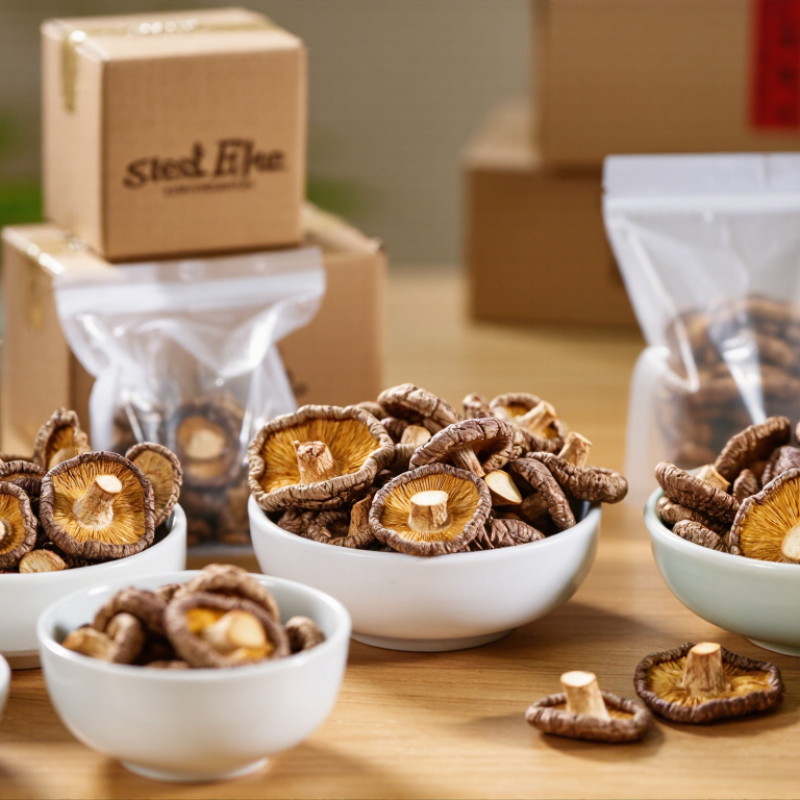
USDA FoodData Central reports that raw white mushrooms contain about 92.45 grams of water per 100 grams. In practical terms, most of a fresh mushroom’s weight is moisture. Drying removes much of that water, so dried mushrooms weigh less and their nutrients become more concentrated by weight. The comparison has limits: moisture and composition vary by species, growing conditions, and drying method. White mushrooms are not a stand-in for every dried variety.
For global buyers, this figure helps explain why dried-product specifications matter. Ask suppliers for moisture limits, cut size, processing details, and recent test results. A Dehydrated Chanterelle Mushrooms Manufacturer should be able to clarify how its product is dried and how consistency is checked across batches. Check aroma and color too; a sample that smells musty or looks uneven deserves another look. Procurement can still miss things. Lab results and a small trial order reduce, but do not eliminate, that risk.
Tips: Compare products on a dry-weight basis where possible, and confirm the stated moisture level on the product specification sheet. Store samples in a sealed container away from heat and humidity. USDA figures describe raw mushrooms, not a guaranteed composition for finished dried goods.
For global buyers, moisture is a practical quality check, not just a line on a specification sheet. The Codex Alimentarius Commission’s CXS 39-1981 sets a maximum moisture content of 12% for dried edible fungi. This international benchmark helps buyers compare supplier declarations against a recognized standard. A result near the limit deserves careful review. Small differences matter.
Ask for a batch-specific laboratory certificate, including the test method and sampling date. Moisture can vary between thick mushroom caps and thin slices, so one handful may not represent a whole lot. Check every lot. Also inspect the packaging for seal damage and signs of condensation after transit.
A result below 12% does not, by itself, confirm good aroma, clean appearance, or even moisture distribution. Codex’s figure is a useful threshold, but it is not a complete quality assessment. Buyers should record results on receipt and investigate readings that differ from the supplier’s specification. A little humility helps: sampling and measurement can introduce variation.
Source: Codex Alimentarius Commission, CXS 39-1981, Standard for Dried Edible Fungi.
A strong supplier comparison starts with species, not price. Shiitake, oyster, porcini, and button mushrooms differ in aroma, texture, and drying behavior. FAOSTAT’s 2022 dataset records roughly 11.9 million tonnes of mushrooms and truffles harvested worldwide, but that figure covers fresh production, not dried export supply. The distinction matters. Ask suppliers to state species, country and growing region, seasonal availability, and whether products are cultivated or wild-harvested. USDA FoodData Central lists raw white mushrooms at about 92% water, illustrating why drying yield can vary sharply with raw material and process.
Request processing capacity in finished dried tonnes per month, not just fresh intake. Check cut size, drying method, moisture specification, and recent batch records. A sample can look excellent; a production lot may not. Ask for test results covering moisture, microbiological quality, and foreign matter, then compare them against your own purchase specification. Also ask how capacity changes during peak harvest periods. Numbers on a brochure rarely explain bottlenecks.
Origin and traceability need practical proof. Request lot codes that connect the shipment to a harvest or cultivation site, processing date, and packing record. The Codex Alimentarius General Principles of Food Hygiene treats traceability as a tool for managing food safety. Ask the supplier to demonstrate a mock lot search using a real, redacted record. Details matter. Some records may be incomplete, so note gaps rather than assuming every supplier tracks each farm equally well.
Global buyers can compare ten supplier profiles by mushroom type and export focus. Cultivated button mushroom processors often offer sliced pieces for soups and sauces, serving food manufacturers across Europe and North America. Shiitake suppliers typically sell caps and granules for seasoning blends, while oyster mushroom processors target snack and ingredient markets. Porcini and chanterelle specialists handle premium dried products for distributors serving restaurants and specialty retailers. Morel suppliers may offer whole or cut mushrooms, but seasonal availability can affect consistency.
Other profiles include wood ear processors supplying Asian grocery and foodservice channels; maitake suppliers offering flakes for blends; and enoki processors producing dried strips for soups. Lion’s mane suppliers serve supplement and culinary ingredient buyers, while mixed-mushroom processors pack retail assortments for broad markets. A Dehydrated Lion's Mane Mushrooms Manufacturer may also supply food-grade pieces, though buyers should confirm intended use and specifications. Export destinations vary by supplier capacity and documentation, rather than product type alone.
Ask for recent lot details, origin records, moisture limits, packaging samples, and test reports. Check cut size and color against the sample; small differences matter in automated filling. A polished catalogue is not proof of steady supply. That deserves a second look. Compare lead times and minimum orders, too, since an attractive price can hide costly freight or inconsistent batches.
For dehydrated mushroom imports, food safety evidence matters as much as appearance. The WHO estimates that unsafe food causes 600 million illnesses and 420,000 deaths each year. HACCP-based controls help suppliers identify hazards during washing, slicing, drying, and packing. ISO 22000 adds a food safety management framework, but a certificate alone does not prove every shipment meets your requirements. Verify its scope, issuing body, site address, and expiry date. A Dehydrated Matsutake Mushrooms Manufacturer should also explain how it controls drying temperatures, moisture levels, foreign matter, and lot traceability.
Tips: Request the current HACCP plan summary, ISO 22000 certificate, product specification, and recent certificate of analysis. Check that lot numbers match across the test report, carton labels, and invoice. Import documents vary by destination; buyers may need a commercial invoice, packing list, certificate of origin, and health or phytosanitary documents where applicable. Confirm requirements with the destination authority or customs broker before shipment. Small mismatch, big delay.
Codex Alimentarius’ General Principles of Food Hygiene include HACCP principles and guidance for preventive food controls. Use them as a practical benchmark when reviewing supplier procedures, not as a substitute for local import rules. Ask for microbiological test methods and results, plus the laboratory’s accreditation details. Keep samples from received lots when feasible. Paperwork can look complete and still leave gaps; I would verify one shipment record from production date to final carton before approving repeat orders.
Compare suppliers on the same product specification, not headline price alone. Ask for species, grade, slice size, moisture limit, foreign-matter tolerance, and packaging details. A 25-kilogram trial order may be possible from stock, while custom packaging or a full production run can require a larger MOQ. Confirm this before sampling. Lead times vary with harvest availability, inspection, and packing; request separate estimates for production and transport rather than one vague delivery date.
Check which Incoterm the quote uses. FOB usually leaves main freight and insurance to the buyer, while CIF includes them to the named port; neither automatically shows your full landed cost. Compare cost per kilogram using the same basis, including currency, pack size, freight, duties, and handling. For premium varieties, such as morels, ask how grade and breakage affect pricing. A low quote can reflect a different specification. It is easy to miss that.
Tips: Ask a Dehydrated Morel Mushrooms Manufacturer for a dated quote, current stock status, sample, and recent batch specification. Put the MOQ, dispatch window, Incoterm location, and payment terms in writing. Get it in writing. Prices and lead times are indicative, not fixed; reconfirm them before placing an order.
Shiitake mushrooms earn a place in everyday cooking through their deep, savory flavor and versatility. FAOSTAT’s 2022 data records roughly 48 million tonnes of mushrooms and truffles produced worldwide, reflecting the ingredient’s broad role in food cultures. A small amount of dried shiitake can bring umami to soups, stir-fries, sauces, broths, and slow-cooked dishes. USDA FoodData Central lists about 11.5 grams of dietary fiber per 100 grams of dried shiitake; the mushrooms also provide B vitamins, while vitamin D₂ levels can vary with growing and drying conditions.
For consistent flavor and convenient production, premium shiitake can be gently air-dried or freeze-dried and supplied whole, sliced, diced, or powdered, with customized formats available. Grown in FSA-certified smart mushroom houses, these dried mushrooms suit home-style recipes as well as food processors and seasoning makers seeking a dependable bulk ingredient. Rehydrated slices work well in noodle soups and stir-fries, while powder blends easily into rubs, sauces, and savory seasonings. Factory pricing and samples are available for buyers assessing a new ingredient or format.
USDA data reports about 92.45 grams of water per 100 grams. That is most of their fresh weight.
Drying removes much of their moisture. Nutrients become more concentrated by weight, but varieties and drying methods differ.
No. White mushrooms are not a stand-in for other varieties. Species, growing conditions, and processing can change composition.
Codex CXS 39-1981 sets a maximum of 12% moisture. A result near that limit merits careful review.
Ask for a batch-specific laboratory certificate, the test method, and the sampling date. Keep the paperwork.
Not reliably. Thick caps and thin slices may hold different amounts of moisture. Sampling can be imperfect.
No. It does not confirm good aroma, clean appearance, or even moisture distribution. Check the product closely.
Check the package seal and look for condensation. Record moisture results, and investigate readings that differ from specifications.
Use a sealed container away from heat and humidity. A small trial order can reduce risk, but not remove it.
This guide helps global buyers understand how to source Dehydrated Mushrooms with confidence. It explains why fresh white mushrooms, which are about 92% water according to USDA data, require careful drying and storage, and outlines the 12% moisture limit referenced in Codex CXS 39-1981 for dried edible fungi. Buyers can use these benchmarks to assess product quality and compare suppliers across mushroom species, processing capacity, country of origin, and traceability.
The article also reviews ten supplier options by product range and export markets, then highlights practical checks for food safety and import readiness, including HACCP and ISO 22000 systems and relevant shipping and quality documents. To support realistic purchasing decisions, it covers commercial factors such as minimum order quantities, production and shipping lead times, Incoterms, and cost per kilogram. Together, these points offer a clear framework for matching supplier capabilities with product requirements and delivery needs.