So, picking the right dehydrated onion supplier? It’s not just about price tags or flipping through catalog photos. This stuff really matters—it can affect flavor, texture, microbiological safety, and whether your production stays consistent. In our guide, we take a look at ten suppliers that are recognized around the world, like Jain Farm Fresh Foods, Olam Food Ingredients, Sensient Natural Ingredients, Van Drunen Farms, Harmony House Foods, Garlico Industries, Goldwood Mfg, Silva International, and B.K. Dehydrated Foods. I mean, when it comes down to it, the final selection should still be practical—not, you know, just some promotional thing.
So, what should you look for in a dependable Dehydrated Onion Manufacturer? Well, they ought to give you clear specs—moisture, particle size, color, pungency, packaging, shelf life, all of that. And it helps if they can show traceability, from the farm or processing plant all the way to the export shipment. Batch records? Yeah, those matter. So do solid audits, lab testing, allergen controls, and technical support that actually gets back to you. — Dr. Arun S. Mujumdar, who's a big name in drying technology, put it like this: 'Drying is a complex operation—it involves heat and mass transfer happening at the same time.' And that's basically why two suppliers can sell onion flakes that look pretty much identical, yet they behave totally differently when you put them in soup, seasoning, sauce, or snacks.
This overview looks at supplier experience, processing capacity, certifications, customization, logistics, and how they communicate with customers. Sure, geographic reach matters—but it doesn’t automatically mean quality. A big company can still send you a batch that’s all over the place. A smaller processor might give you more personal attention, but its logistics may not be as strong. And yeah, that’s the awkward truth. Supplier rankings can shift depending on harvest conditions, energy costs, and verification results. Before you sign anything, ask for fresh samples, up-to-date certificates, and some production references. Honestly? The best supplier isn't always the big-name one. It's the one who still comes through when the factory's slammed, the specs are super tight, and the shipment shows up later than you'd hoped.
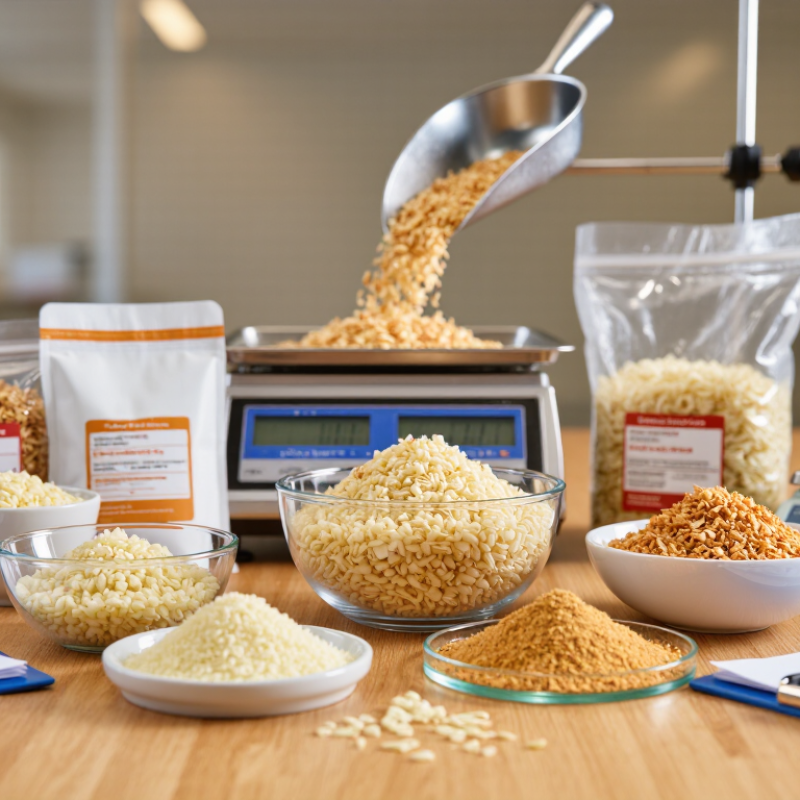
Global dehydrated onion demand is growing across foodservice, seasoning, instant meals, and snack production. Buyers comparing the top ten suppliers should examine more than price and annual capacity. Onion varieties, harvest timing, and drying temperatures directly affect color, aroma, and rehydration performance. A reliable supplier should provide recent laboratory reports for moisture, microbiological safety, pesticide residues, and foreign matter.
Supplier selection requires evidence, not polished brochures. During procurement checks, request batch samples from different production periods. Compare particle size, texture, odor, and water absorption in the same kitchen test. A qualified Dehydrated Spring Onion Manufacturer should explain its washing, slicing, drying, and metal-detection controls clearly. Traceability should reach the farming region and production lot. Packaging also matters, especially where humidity can soften flakes during long ocean transit.
Cost deserves careful interpretation. A low quotation may exclude testing, stronger packaging, or consistent sorting. That creates hidden losses during blending and filling. Check minimum order quantities, lead times, backup production lines, and complaint procedures. Visit the facility when possible, or use an independent audit. Even experienced buyers can overvalue capacity figures. I have found that practical batch consistency often matters more than impressive equipment. Some suppliers communicate confidently but respond slowly when specifications change. That weakness should not be ignored. A thoughtful review records both strengths and uncomfortable gaps before approval.
Onion production in major supply-base countries, 2022
Large onion-producing markets generally offer stronger raw-material availability for dehydrated onion processing. However, supplier selection should also consider dehydration capacity, product specifications, food-safety certifications, export reliability, quality consistency, processing technology, and total landed cost. Production figures are rounded estimates from FAOSTAT crop production data for 2022 and represent onions and shallots, not dehydrated onion output.
Top 10 Dehydrated Onion Suppliers Worldwide
A capacity-focused shortlist includes suppliers from India, China, Egypt, the United States, Spain, Turkey, Pakistan, Mexico, Argentina, and Peru. India often supports large-scale export programs, with indicative annual capacities above 20,000 metric tons. China can offer similarly broad volumes, especially for flakes, minced onion, and powder. Egyptian facilities commonly serve bulk buyers, while American and Spanish processors emphasize traceability and standardized processing.
Production figures vary by crop year, factory lines, and contract commitments. Smaller suppliers in Turkey, Pakistan, Mexico, Argentina, and Peru may provide 2,000 to 12,000 metric tons annually. These ranges are practical estimates, not verified rankings. Buyers should request audited capacity records, recent shipment data, and evidence of raw-material storage. A large factory is not always the safest choice.
In supplier evaluations, moisture should usually remain near the agreed specification, often between 4% and 8%. Color, sulfur strength, particle size, and foreign-material controls also deserve attention. Ask for batch samples from both early and late production. Results can change.
Regional advantages matter. Indian suppliers may offer flexible packaging and strong export experience. Chinese producers often provide broad product formats. European facilities can support demanding traceability systems, although costs may rise. Egyptian suppliers may compete strongly on bulk pricing and seasonal availability. One weakness remains common: published capacity can exceed dependable output. Independent testing and a small trial order reveal more than a polished brochure.
| Rank | Leading Supply Region | Global Supply Position | Indicative Annual Dehydrated Onion Processing Capacity | Common Product Forms | Main Raw-Onion Advantages | Typical Export Orientation |
|---|---|---|---|---|---|---|
| 1 | China | Large-scale production and broad international supply base | Approximately 150,000–220,000 metric tons | Flakes, minced onion, granules, powder | Large cultivation areas, extensive processing infrastructure, and multiple harvest zones | Strong presence across Asia, Europe, North America, the Middle East, and Africa |
| 2 | India | Major global origin for dehydrated onion products | Approximately 120,000–180,000 metric tons | Flakes, kibbled onion, granules, powder | Large onion-growing base, competitive processing costs, and established export channels | Strong exports to Southeast Asia, the Middle East, Europe, and North America |
| 3 | United States | High-capacity industrial processing market | Approximately 80,000–120,000 metric tons | Flakes, minced onion, granules, powder, toasted onion | Mechanized farming, mature food-processing sector, and strict food-safety controls | Primarily serves North America, with additional shipments to Asia and Europe |
| 4 | Egypt | Important export-oriented supplier in the Mediterranean and Middle East | Approximately 50,000–80,000 metric tons | Flakes, slices, granules, powder | Suitable climate, multiple onion varieties, and proximity to European and Middle Eastern markets | Strong regional exports to Europe, the Middle East, Africa, and Asia |
| 5 | Spain | Established European processing and distribution hub | Approximately 35,000–60,000 metric tons | Flakes, diced onion, granules, powder | Advanced agricultural systems, EU food-safety compliance, and efficient logistics | Mainly supplies the European Union, the United Kingdom, and nearby Mediterranean markets |
| 6 | Türkiye | Growing supplier connecting European, Asian, and Middle Eastern markets | Approximately 25,000–45,000 metric tons | Flakes, rings, minced onion, granules, powder | Diverse agricultural regions and favorable access to regional transport routes | Exports mainly to Europe, the Middle East, North Africa, and Central Asia |
| 7 | Mexico | Important North American and Latin American supply region | Approximately 20,000–35,000 metric tons | Flakes, minced onion, granules, powder | Close integration with North American food manufacturing and established onion production | Primarily serves the United States, Canada, and Latin American markets |
| 8 | Pakistan | Regional supplier with expanding dehydration capacity | Approximately 15,000–30,000 metric tons | Flakes, slices, granules, powder | Available raw material, competitive labor costs, and proximity to South Asian markets | Supplies South Asia, the Middle East, Central Asia, and selected African markets |
| 9 | Peru | Specialized Latin American supplier with export potential | Approximately 10,000–20,000 metric tons | Flakes, minced onion, granules, powder | Long growing seasons in selected regions and access to Pacific shipping routes | Primarily serves Latin America, North America, and selected Asian markets |
| 10 | Argentina | Southern Hemisphere supplier supporting seasonal diversification | Approximately 8,000–15,000 metric tons | Flakes, diced onion, granules, powder | Large agricultural base and complementary harvest timing for some Northern Hemisphere buyers | Supplies South America, North America, and selected European markets |
Data note: Supplier-level production capacity is not consistently disclosed in public records. The capacity figures above are indicative regional processing ranges rather than audited company totals. The ranking reflects a combined assessment of onion production scale, dehydration infrastructure, export activity, and market reach.
Reference basis: Public agricultural and trade information from FAOSTAT, UN Comtrade, national agricultural statistics, and international food-ingredient market reports. Figures should be validated with current supplier audits before procurement decisions.
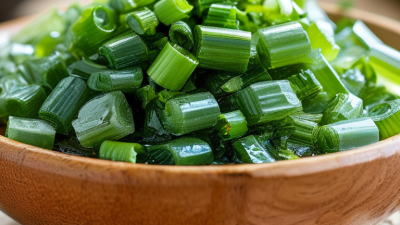
Selecting among the top dehydrated onion suppliers requires more than comparing prices. FAOSTAT recorded roughly 115 million tonnes of onions and shallots worldwide in 2022, creating a broad raw-material base. However, variety still matters. Yellow onion offers balanced sweetness, while white onion gives sharper flavor. Red onion retains attractive color. Green Onion Dehydrated products suit soups, sauces, seasoning blends, and instant meals.
Common cuts include rings, flakes, chopped pieces, minced onion, granules, and powder. A useful specification should state mesh size, moisture, color, bulk density, and foreign-matter limits. The USDA Foreign Agricultural Service regularly reports that processed vegetables serve expanding foodservice and convenience-food channels, where uniform particle size supports faster factory blending. A 3–5 mm dice may work for sauces, while 40–80 mesh powder disperses more quickly. Small details matter.
Grade should combine sensory and laboratory evidence. I check aroma, rehydration behavior, sulfur notes, and visible browning, not moisture alone. That number can mislead. Suppliers should show batch traceability, allergen controls, metal detection, and microbiological testing. ISO 22000:2018 and HACCP-based systems provide useful process controls, while Codex General Principles of Food Hygiene supports hygienic handling. Industry market analyses, including IMARC’s dehydrated vegetables report, project steady demand growth through the decade, but forecasts vary by region and product definition. I would request recent test reports, harvest origin, drying method, and shelf-life data before approving a supplier.
When evaluating the top 10 dehydrated onion suppliers worldwide, quality control should begin at farm level. Reliable suppliers identify onion varieties, growing regions, harvest dates, and irrigation records. They inspect bulbs for mold, foreign matter, bruising, and unusual odors before processing.
Drying conditions need close attention. Excessive heat can darken onion pieces and reduce flavor. Inadequate drying may encourage microbial growth during storage. Suppliers should verify moisture content, water activity, particle size, color, and rehydration performance for every production lot. Metal detection and sieve checks add practical protection.
The details matter.
Food safety systems should include HACCP, documented sanitation programs, allergen controls, pest management, and calibrated laboratory testing. Certifications such as ISO 22000, FSSC 22000, BRCGS, or equivalent schemes can support supplier approval. Buyers should also request pesticide-residue, microbiological, heavy-metal, and mycotoxin results when relevant to the product and destination market.
Certificates alone are not enough.
Traceability must connect finished bags to raw materials and production records within hours, not days. Packaging should protect against moisture, light, and warehouse odors. During supplier audits, I would inspect cleaning tools, employee hygiene, seal integrity, and complaint records. Audits are useful, but imperfect. A clean visit may miss a weak night shift or delayed test result. Independent verification and periodic sampling remain necessary. Some suppliers still rely on paper logs, which can create avoidable gaps. That weakness deserves correction, not excuses.
A credible supplier shortlist should begin with export reach, not promotional claims. FAOSTAT data show global onion and shallot production exceeded 115 million tonnes in 2022. This scale supports year-round processing, but raw-crop availability still changes by origin and season. Suppliers with facilities across several producing regions can reduce harvest gaps. Buyers should request shipment history, destination records, and recent certificates of analysis. Experience matters here. A polished website does not prove dependable exports.
Packaging should match the customer’s line speed, humidity exposure, and storage period. Common options include 20–25 kg multiwall bags, lined cartons, and food-grade bulk totes. Nitrogen flushing may protect color and aroma, although it adds cost and requires validation. For Dehydrated Onion And Garlic, buyers should compare granules, minced pieces, and powder by mesh size, moisture, microbiological limits, and sulfur profile. Retail-ready pouches may not suit container-scale industrial loads well. Small detail, big consequence.
Supply-chain services deserve equal weight. The World Bank’s 2023 Logistics Performance Index assesses customs, infrastructure, shipment arrangement, service quality, tracking, and timeliness. Ask suppliers to document these points with container plans, lot traceability, moisture barriers, and contingency routes. Incoterms, pallet configuration, and demurrage responsibilities should be written clearly. Cold storage is usually unnecessary, but dry, ventilated warehouses remain essential. I would still avoid a fixed “top ten” ranking. Freight conditions change, and published lists can age quickly.
Comparing the top 10 dehydrated onion suppliers requires more than checking the lowest quotation. FAOSTAT reported global onion and shallot production above 100 million tonnes in 2022. However, only part becomes dried product. Crop size, storage losses, and drying yield can quickly change costs. Ask each supplier for the raw-onion origin, harvest period, and conversion ratio.
Dehydrated White Onion prices usually reflect moisture, mesh size, color, and microbial specifications. Energy is another major factor. The World Bank’s Commodity Markets Outlook shows that energy-price movements can affect food-processing expenses and freight. A supplier using gas-fired dryers may price differently from one using biomass or electricity. Compare landed cost per kilogram, not the factory quote alone. Include freight, insurance, packaging, testing, duties, and payment terms.
UN Comtrade data under HS 071220 can help benchmark international dried-onion trade values, but trade data may combine different grades. Request a recent certificate of analysis, pesticide-test results, moisture percentage, and microbiological limits. Check whether the sample matches the production lot. It sounds obvious, yet buyers often compare a premium cut against a standard grade. I would also inspect carton liners and seal quality; humid warehouses expose weak packaging quickly. Some quotes look attractive until yield is measured after rehydration. That is where supplier comparisons become less comfortable, and more honest.
India and China often support large export programs. Egypt also serves bulk buyers. Capacity changes by crop year and contracts.
Suppliers in Turkey, Pakistan, Mexico, Argentina, and Peru may produce 2,000 to 12,000 metric tons yearly. These figures are estimates, not verified rankings. Ask for records.
Check moisture, color, sulfur strength, particle size, and foreign-material controls. Moisture often falls between 4% and 8%. Specifications must be agreed in writing.
Early and late batches can differ in color, aroma, and moisture. Results can change. One sample may mislead.
Common formats include 20–25 kilogram multiwall bags, lined cartons, and food-grade bulk totes. Packaging should suit humidity exposure and storage time. Small detail, big consequence.
Nitrogen flushing may protect color and aroma. It also increases cost and requires validation. It is not automatically essential.
Request shipment history, destination records, recent analysis certificates, and lot-traceability documents. A polished website proves little. Real records matter.
Compare mesh size, moisture, microbiological limits, and sulfur profile. The product must match the processing line. Powder behaves differently.
Confirm Incoterms, pallet configuration, container plans, tracking, and demurrage responsibilities. Dry, ventilated warehouses are usually sufficient. Cold storage is normally unnecessary.
No. Published capacity may exceed dependable output. A small trial order and independent testing reveal more. I would still check twice.
The global Dehydrated Onion market serves food manufacturers, restaurants, wholesalers, and retail channels seeking stable flavor, extended shelf life, and convenient handling. This article explains how to evaluate suppliers by production capacity, regional availability, processing capabilities, and consistency of supply. It also reviews common product forms, including flakes, minced pieces, granules, and powder, as well as different grades, moisture levels, colors, and processing standards suited to various applications.
Key selection factors include quality control, hygienic production, traceability, laboratory testing, and recognized food safety certifications. Buyers should also assess export experience, destination coverage, packaging formats, private labeling options, logistics support, and inventory planning. Rather than comparing price alone, purchasers should consider raw material quality, processing technology, order volume, packaging requirements, transportation costs, lead times, and payment terms. A structured comparison of these factors can help businesses identify reliable Dehydrated Onion suppliers and build a stable, cost-effective supply chain.