Email: sales@shundifoods.com Tel: +86-21-64280601

Leave Your Message
Changing tastes of consumers and new approaches to sourcing are among the developments that the global market for dried tomatoes has been undergoing during the last several years. At this point in time, as we go further into the near future of Tomato Dried global sourcing trends, it becomes important to define what all these new change factors mean in this sector alive with activity. Among the companies that lead this transition is Shanghai Shundi Food Co., Ltd., which has developed expertise to untangle supply chains and meet the different needs of global clients.
The soaring demand for top-quality and superior Tomato Dried brings both opportunities and challenges to producers and distributors alike. Our very close look into these trends would provide in-depth insights on market demands, sourcing innovations, and sustainability approaches that are changing the game. As Shanghai Shundi Food Co., Ltd. has established in our DNA to excel in providing quality, we will not be left behind as Tomato Dried sourcing evolves.
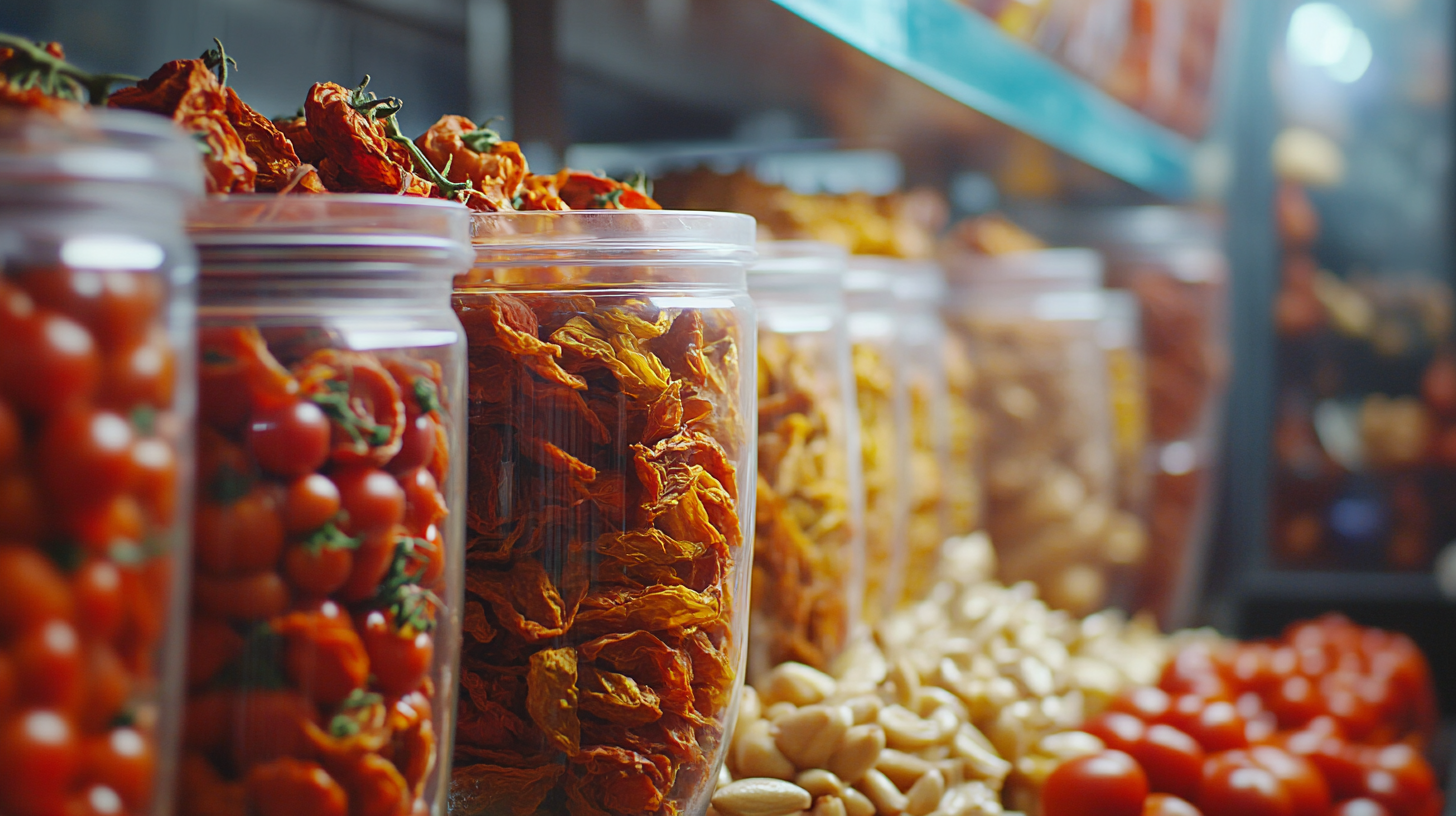
The market of dried tomatoes is growing fantastically with the alteration of customer values and an emphasis on healthy eating. According to recent market analysis, demand for dried tomatoes is forecast to grow at a CAGR of just over 6 % in the period 2021-2027. The increase in popularity for Mediterranean cuisine is contributing to the elevation, tapping into the very use of dried tomatoes as a very basic ingredient and also having more people understand the health benefits of such fruits and vegetables as dried. North America and Europe are the dominating segments in the consumption of dried tomato products, as they are contributing a high share to the overall market sales. As per a study by Fortune Business Insights, in North America, the market was valued at nearly USD 350 million in 2020; further growth will be seen as an increasing volume of the dried tomatoes used by the food industry for processing applications. Besides, organic dry tomatoes are coming into favor, considering most health-conscious consumers are now likely to buy products based on lifestyle choices. In addition, the development of e-commerce sites makes it easier for people to access dried tomato products wherever they are in the world. This new trend in shopping, which was propelled mainly by the pandemic, is also predicted to greatly benefit the market in the coming years. With the increasing number of suppliers turning to global sourcing trends, the varied functions of dried tomato products will also increase among customers around various regions.
The industry of dried tomatoes transformed immensely during the last few years. This can effectively be correlated with the increasing global demand and changing needs among consumers. These market major players have done marketing-oriented adaptations in production and exporting aspects. Well established in the industry, Italy and the United States have put their agricultural prowess and favorable climate to use in growing tomatoes. The Italian sun-dried tomatoes, especially, have created an international reputation for their flavor and quality that set the product benchmark globally.
New emerging markets continue to register their importance in the dried tomato market. Countries like Turkey and Spain are enhancing production capacity not only to quench the domestic market but also to be major competitor exporters. Turkish dried tomatoes are known to be unique in taste, and the country is a big player into a varied international market. As sustainability is focusing on the consumer point, these countries are also realizing the need for environmentally friendly farming practices and innovations in the supply chain to attract the environmentalists.
Traditional players and new entrants are exploiting technology to enhance their offerings. Advances in processing and packaging techniques have contributed to the longer shelf life and quality of dried tomatoes. This transformation increases market attractiveness as well as opens up fresh new distribution systems across different regions. Versatility and quality shall define the future of the dried tomato industry, elements that would work to ensure key players performance within this evolving landscape.
The tomato drying industry has seen severe sourcing challenges in the last few years due to substantial interruptions in the value chain. The imposition of global pandemic measures intervened with logistics and caused delays and costs associated with it. With supply chains forever being stressed by climate changes and geopolitical tensions, it is increasingly becoming difficult for producers to ensure a steady supply of raw tomatoes for drying, which contradicts their ability to meet ever-increasing consumer demand. Because of these uncertainties, industry stakeholders will now have no choice but to adopt a more agile approach.
Sustainability issues regarding the sourcing of products are rather distinct in the dried tomato sector. Consumers are becoming more interested in products that embody ethical farming and environmentally friendly production methods. Therefore, suppliers now need to consider environmental issues as much as quality and price in their sourcing activities. The producers looking to win the confidence of the conscious consumer, with its tortuous operation chain, building sustainable farming practices, using water efficiently, and lowering carbon footprints will have to implement these steps.
To help mitigate these troubles, companies are investigating new alternatives, like diversifying their supplier bases and investing in technology for enhancing supply chain visibility. This will allow them to preempt and possibly take action against potential disruptions in the supply chain. Collaborative action through the entire supply chain will allow the establishment of a more resilient network from the farmers to distributors to keep the dried tomato domain alive amidst the challenges posed by a changing world.
The truth is that climate change increasingly operates forces that impact agricultural production in tandem- around the globe, including the tiny ecosystem of tomato farming. Extreme weather events have kept increasingly troubling farmers with unseasonable frosts, continuing droughts, and destructive floods. A year like 2021, for instance, caused huge strains because one could not predict when the rains would pour. Much was lost due to untimely weather changes, and there has never before been stronger urgency for adaptive strategies.
One of the possible methods is that of making use of advanced technologies to breed varieties of crops resistant to climate change conditions. Surprisingly, developments focused on genetic engineering and precision agriculture are grooming the way for the emergence of 'super vegetables,' capable of braving the hazards due to climate change. Such was revealed to be true, with the presentation of a brand-new apple variety showcased during a recent international fruit and vegetable exhibition, showing a clear possibility of an end-nutrition concern among agricultural experts with crops engineered and designed for extreme weather.
Scientists must also work closely with farmers to be able to share ideas and knowledge from researches in order for agriculture to adapt well to changing climates. Possible strategies may include the use of climate-resistant tomato varieties, adoption of water-saving irrigation systems, and deployment of more sophisticated pest management techniques. Joint efforts will go a long way in sustaining tomato production and making it a healthier future for the planet.
The process of tomato processing is soon transforming the quality as well as efficiency in the global food industry with advancements in technology. The future of dried tomato products promises a revolution because of automation and smart technologies in the features just now entering those lines. Studies of recent months have revealed one trend: the adoption of innovative processing methods that preserve the natural flavors and nutrition of tomatoes but actually convey higher production productivity and uniformity. Not only does that fulfill the needs of the growing sector for processed tomato product needs, but it caters to the global objectives of sustainability.
The recent intelligent manufacturing advancements convey a wild growth in processing lines concerning efficiency. With automation, the workers will spend more time raising the quality standard in innovation and control rather than doing repetition. This is not only with tomato processing; this change is part of the ongoing revolution in the broader food industry where pre-prepared meals and new taste combinations start taking shape. Continuous shifting culinary trends is making food producers agile to consumer innovations and demands, creating exciting new products that resonate with modern culture and lifestyles. With this type of technology, possibly developed, the tomato processing sector would scarcely have containment to allow the simplest raw foods to shine in a competitive food market.
Increasing health awareness among consumers is manifestly affecting the market of dried tomatoes. With the spread of health awareness, more and more people want nutritious diets, making them versatile and healthy ingredients to foods. Viruses, minerals, and antioxidants make dried tomatoes popular with the people who want to flavor their dishes without worrying about health. Dried tomatoes make meals through salads, pastas, and even using them as a topping, which is convenient without sacrificing nutritional aspects.
The last thing to influence the business of dried tomatoes is plant diet. The shift of humans moving from vegetarians lifestyles to the vegans has also caused the rise of demands for these ingredients. Dried tomatoes are not just for flavoring plant-based food but also offer the important minerals not found much in fruits and vegetables. As such, dried tomatoes have become common in most homes, which eventually drives the sales and encourages global sourcing of the products to fulfill customers' needs.
Further, the increase in online shopping has changed the channels through which consumers receive dried tomatoes. Given that many people are turning to e-commerce to search for specialty foods, brands are now focusing on a larger identity in this realm. Display the health benefits and versatility of dried tomatoes so that brands can attract health-conscious consumers. All this buying behavior validates the need for marketing strategies that keep pace with changing consumer preferences in health and food choices.
The dried tomato market has had different curves of development across continents according to the agricultural methods practiced, individuals' consumption and trends in the supply chain. In North America, the culinary health trend has increased usage of dried tomatoes as flavorsome ingredients with much convenience. Gourmet cuisines are becoming increasingly sought after in his artisanal styles, leading countries to focus more on organic and sustainably sourced products that are encouraging suppliers in trying new techniques in cultivation and processing.
The dried tomatoes across Europe, with countries such as Turkey and Italy at the forefront, are appearing as a stronghold of dry tomatoes in Europe today. The Mediterranean diet, rich in tomatoes, has nurtured a robust domestic market, while quality-sensitive consumers in Europe have started demanding even better dried tomatoes produced in an artisanal way. In fact, one will not overlook the fact that regional food sourcing and production process regulations add a lot to the market competitiveness and consumer trust.
On the contrary, the Asia-Pacific region is witnessing emerging growth in the dried tomato industry, albeit little yet potentially brightening. Urbanization is on the rise, with people 'eating out' more than ever and increasing their disposable incomes; they are now developing new tastes and preferences healthier and with more convenience. This latter effect could potentially open new avenues for exporters to introduce dried tomatoes into a variety of Asian cuisines for eventual global acceptance, while the interaction of such culture and innovation would dictate the future of dried tomatoes market in the continents.
The dried tomato sector is facing the beginning of a seismic shift based on consumer preferences and an increase in demand for health-oriented, convenient foods. As lifestyles turn towards sustainable eating and healthy snacking, the dried tomato market is expected to witness substantial growth in the coming years. The influx can be majorly attributed to the rising parade of the Mediterranean diet, which focuses on the health benefits of fruits and vegetables in their preserved forms, which include tomatoes.
Sale forecasts indicate innovation in cultivation and processing technologies will therefore become a central opportunity to enhance quality and supply for dried tomatoes. Innovation in cultivation should improve yield efficiencies, while processing innovations in drying should preserve the taste and nutrients of the tomatoes. Supporting current global sourcing trends towards sustainable farming and ethical sourcing would do good not only to environmentally conscious consumers, but also create opportunities for export markets.
Small producers can benefit from e-commerce platforms and digital marketing strategies, thus granting various dried tomato products access to international markets. An opportunity for partnership across farmers, distributors, and tech companies will be created, which will allow agility in response to market demand and consumption preferences. Ahead lies the prospect of the dried tomato value spectacle capturing a substantial chunk of the health food market, which indicates a far-reaching transformation of mindful eating and sustainable sourcing.
Climate change is impacting tomato production through extreme weather events such as unseasonable frosts, prolonged droughts, and devastating floods, which challenge farmers and affect yields.
Adaptive strategies include utilizing technology for breeding resilient crop varieties, selecting climate-resistant tomato varieties, implementing water-saving irrigation systems, and employing advanced pest management techniques.
Technology aids in breeding resilient crop varieties through genetic engineering and precision agriculture, leading to the development of "super vegetables" that can withstand climate challenges.
Collaboration between scientists and farmers is vital for sharing research and insights, which helps the agricultural community adapt more effectively to shifting climates.
The demand for dried tomatoes in North America is being driven by a culinary trend towards health-conscious eating, as well as an emphasis on organic and sustainably sourced products.
Europe dominates the dried tomato market, particularly countries like Turkey and Italy, due to the strength of the Mediterranean diet and a consumer preference for premium-quality dried tomatoes.
The Asia-Pacific region is experiencing growth in the dried tomato sector, driven by rising urbanization, increased disposable incomes, and a shift towards healthier, convenient food options.
Factors influencing market competitiveness include regional agricultural practices, consumer preferences, supply chain dynamics, and regulations on food sourcing and production processes.
European consumers are increasingly interested in premium-quality dried tomatoes that reflect traditional methods, driven by the popularity of the Mediterranean diet and artisanal cooking.
Cultural influences shape dietary preferences and the acceptance of dried tomatoes in various cuisines, fostering greater global interest in these products as consumer tastes evolve.