Looking to source some really good dried pumpkins? Honestly, paying close attention to the details makes all the difference. The quality of dried pumpkins can totally change the game in your cooking. It’s not just about finding any supplier—you need to be a bit more picky and choose the right one. Some trusted places, like Harvest Gourmets, are pretty transparent about how they make their products, which is a big plus. When you’re checking out dried pumpkins, look for things like even shape and color—that bright orange kind of usually means they’re fresh. Keep in mind, not all suppliers are on the same level—some might skimp on drying or processing, which affects flavor and texture. So don’t be afraid to ask questions or read reviews from chefs and food pros you trust. Doing a little homework here really pays off—your dishes will thank you! Trust me, hunting for top-quality dried pumpkins is worth the effort if you want to impress with your cooking.
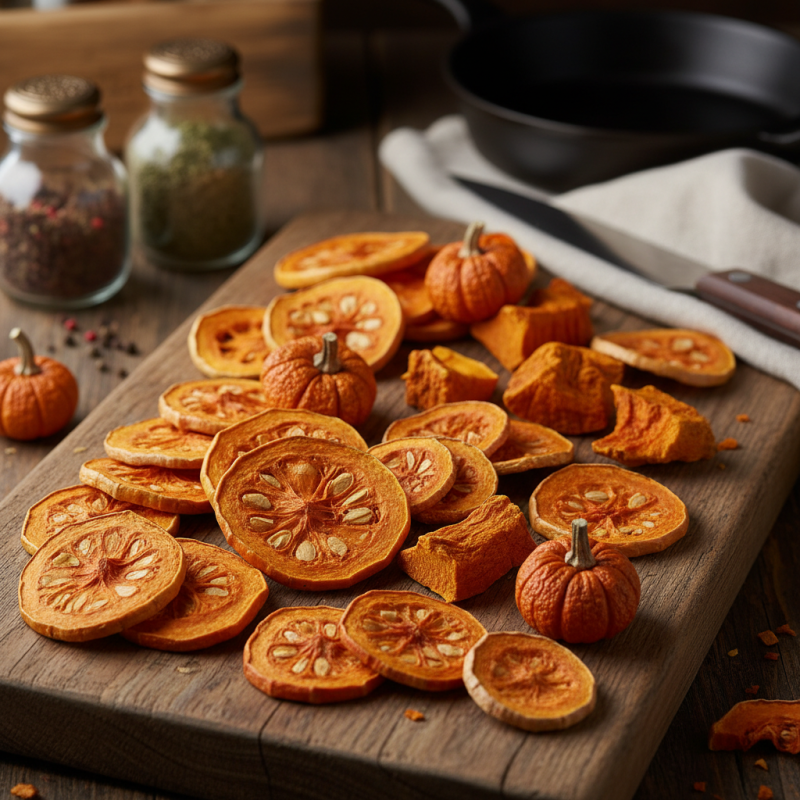
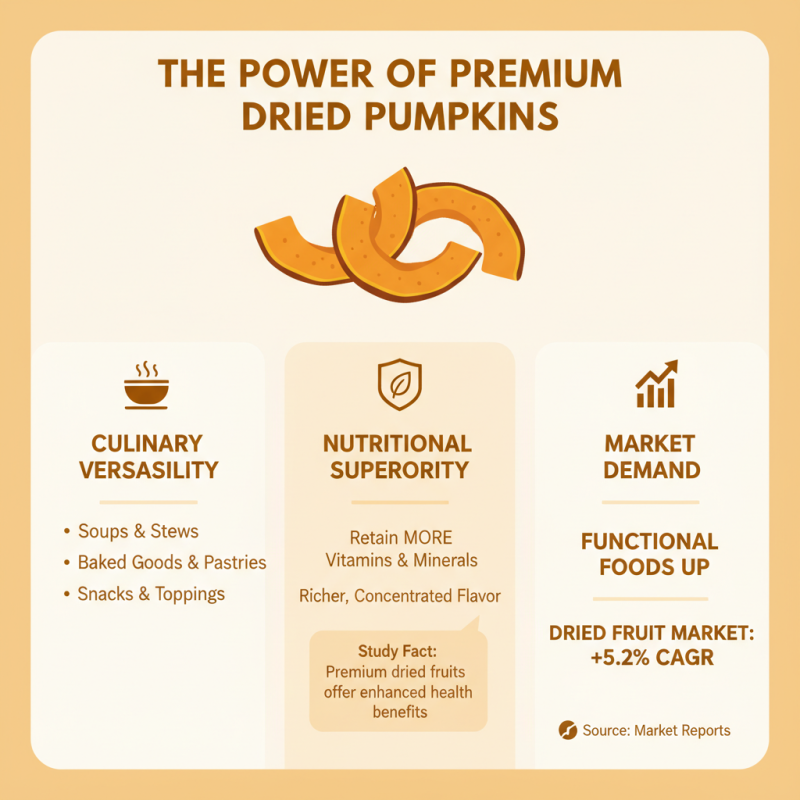
High quality dried pumpkins are essential for various culinary applications, from soups to pastries. Studies indicate that premium dried fruits, including pumpkins, retain more nutritional value and flavor. The demand for functional foods has surged, with the market for dried fruits growing at a CAGR of 5.2% according to recent market reports.
When sourcing, consider the appearance and aroma. Brightly colored pumpkins suggest freshness and quality. Look for a rich, sweet smell, a hallmark of well-processed dried pumpkins. Comparing moisture content is vital; it affects shelf life and taste. A moisture level below 20% is often ideal.
To ensure quality, establish relationships with reliable suppliers. Ask about their sourcing methods. Transparency in the drying process can indicate quality. Remember, not all products labeled as "dried" are created equally. Each supplier may have varying standards, making it crucial to verify. Take cues from professionals who use Dried Sun Dried Tomatoes to enhance flavors, as similar techniques apply to pumpkins. Embrace imperfect products, as they can still deliver robust flavors if sourced thoughtfully.
When sourcing high-quality dried pumpkins, it’s essential to know what to look for. Premium dried pumpkins should have vibrant color, indicating optimal maturity and proper drying methods. Research indicates that color can influence consumer preferences by up to 60%. This demands attention to detail when selecting products.
Texture is another critical aspect. A quality dried pumpkin should be firm yet tender, avoiding excessive dryness that leads to brittleness. According to industry reports, textures that maintain moisture effectively are more appealing and retain better nutritional value. Vibrant, non-pulpy pieces often indicate freshness.
Moreover, the nutritional profile of dried pumpkins contributes heavily to their premium status. Dried pumpkins are natural sources of vitamin A, fiber, and other essential nutrients. Research shows that Freeze Dried Fruits can enhance the nutrient retention of such products. Yet, examining each batch’s nutritional claims can be daunting. It often requires knowledge of the sourcing process. Look for certifications that verify organic origins and sustainable practices. Understanding these attributes will help you make informed choices in your purchasing decisions.
When sourcing high quality dried pumpkins, researching reliable suppliers is crucial. Start by exploring online platforms and marketplaces. Focus on reviews and ratings. Many suppliers showcase their products and customer feedback. This provides insight into their reputation.
Consider visiting local farms or agricultural fairs. Direct interaction with growers can yield information about their processes. Ask about drying methods and quality controls. Some suppliers may offer samples. Take advantage of this to assess quality. Look for vibrant color and consistent texture in the pumpkins.
Also, don't overlook the importance of certifications. Reliable suppliers often have certifications that ensure quality standards. This might include organic or non-GMO labels. While you seek quality dried pumpkins, remember that other fruits like Freeze Dried Strawberry can also diversify your offerings. Reflect on what unique qualities you want in products. Adapting your sourcing strategy is a continuous process. Always be open to feedback and new suppliers.
| Supplier Location | Quality Certification | Minimum Order Quantity | Price per Kilogram | Delivery Time (Days) |
|---|---|---|---|---|
| United States | USDA Organic | 500 kg | $4.00 | 10 |
| China | ISO 22000 | 1000 kg | $3.50 | 15 |
| India | FSSAI | 300 kg | $3.80 | 20 |
| Turkey | HACCP | 400 kg | $4.50 | 12 |
| Australia | SQF | 200 kg | $5.00 | 14 |
When sourcing high-quality dried pumpkins, the drying process is crucial for maintaining flavor and texture. Different methods yield varying results. Common techniques include air drying, freeze-drying, and oven drying. Each approach impacts moisture retention and nutritional value differently.
Air drying is the simplest method. It requires ample sunlight and air circulation. However, it may lead to uneven drying. This could affect the flavor profile. Freeze-drying retains more nutrients, but it is often more expensive. Oven drying offers speed but can risk overheating. It's essential to monitor temperature closely to avoid losing beneficial compounds.
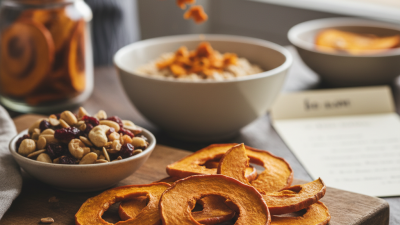
Verify the quality of dried pumpkins by checking the color and texture. A vibrant orange hue suggests proper drying. If the pieces feel leathery and pliable, they likely maintain their quality. In contrast, overly brittle or excessively soft pieces may indicate poor processing. Evaluating the packaging can also provide insights. Transparent bags allow for visual inspection of the product's condition, which is key to ensuring your source is reliable.
When sourcing high-quality dried pumpkins, it's essential to assess
packaging and storage conditions. Proper packaging protects against
moisture and light, which can degrade quality. Research shows that over 60% of dried fruits suffer from
quality loss due to improper storage. Look for vacuum-sealed
or nitrogen-flushed packages, as these enhance shelf life
significantly.
Storage conditions are equally critical. Dried pumpkins should be stored in a cool, dry place.
Temperature fluctuations can lead to condensation, promoting mold growth. A study indicated that dried produce stored
in consistent temperatures showed a 25% longer shelf life. Additionally, comparing with other dried
items, such as Freeze Dried Blueberry,
can provide insights into best practices. The latter often outperforms in nutrient retention due to
superior handling.
Inadequate knowledge about storage can lead to significant waste. Some suppliers might not disclose how their products
are stored before shipment. Transparency is vital for ensuring
quality. Understanding supply chains helps in sourcing better. Evaluating these factors ensures you receive
high-quality dried pumpkins, which can enhance your product lineup.
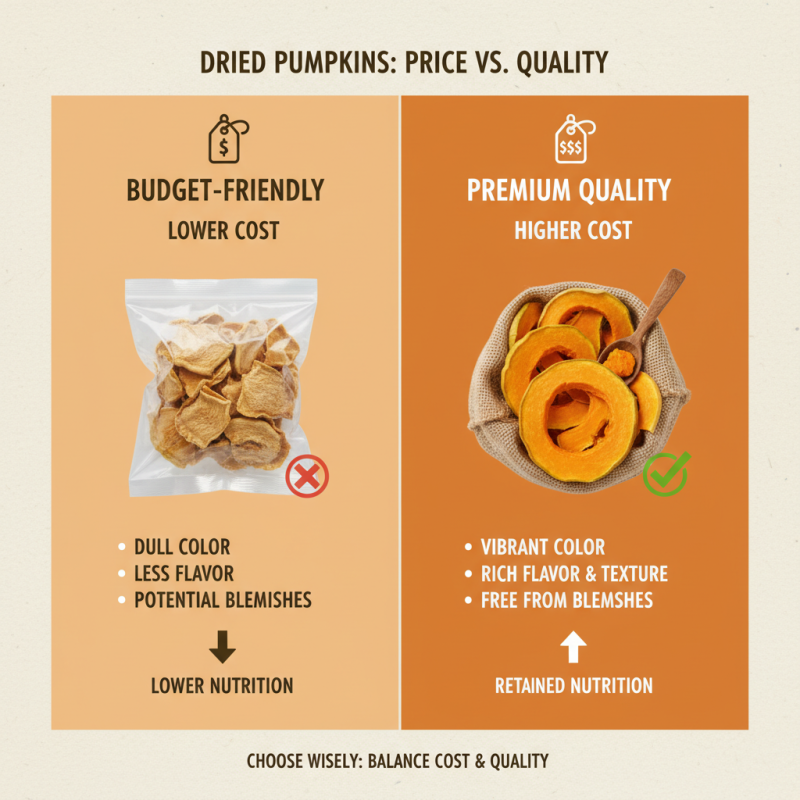
When it comes to sourcing high-quality dried pumpkins, understanding the balance between price and quality is crucial. Dried pumpkins should not only look appealing but also retain their nutritional value. The cost can often reflect these factors. Cheaper options may seem tempting, but they might lack the rich flavor and texture that high-quality varieties offer. It's essential to inspect the product carefully. Does it appear vibrant? Is it free from blemishes?
Quality dried pumpkins are usually processed with care. They undergo proper drying techniques, preserving their natural taste and health benefits. Investing in slightly pricier options may result in better taste and visual appeal. Look for sources that emphasize quality control and sourcing practices. Sometimes, spending more upfront can save money in the long run, as you may use less product due to better concentration of flavor.
This doesn’t mean every costly product guarantees excellence. Some may still fall short of expectations. Testing various suppliers helps in understanding the right balance for your needs. Pay attention to how the product behaves in recipes. Does it rehydrate well? Does it maintain a nice texture? These details matter in ensuring you get the best value for your investment.
Sourcing high-quality dried pumpkins requires careful consideration of sustainability. The environmental impact of sourcing practices is crucial. Using organic farming methods can significantly reduce negative effects. Dried pumpkins sourced from responsible farms support soil health and biodiversity. These practices ensure that pumpkin production is ecologically friendly.
Engaging with local farmers can enhance sustainability. It reduces transportation emissions and promotes local economies. Always inquire about farming practices. Are they using pesticides or herbicides? Transparency from suppliers is key to assessing their commitment to sustainability.
Consider the certification of the products. Look for labels that indicate environmentally friendly practices. These certifications often reflect adherence to sustainable farming guidelines. Although these standards vary, they provide a useful starting point. Sometimes, the journey towards sustainable sourcing reveals imperfections. Regularly reassessing suppliers aids in maintaining high standards. Identifying and reflecting on challenges helps in evolving sustainable practices.
: Look for vibrant color and aroma. These indicate freshness and quality.
Moisture affects shelf life and taste. Aim for moisture levels below 20%.
Establish relationships with reliable suppliers. Ask about their sourcing and drying methods.
They should be firm yet tender. Avoid overly dry or brittle pieces.
Nutritional profiles vary by batch. Look for certifications verifying organic and sustainable practices.
Yes, it supports soil health and reduces environmental impact. Engage with local farmers whenever possible.
Yes, imperfect products can deliver robust flavors if sourced thoughtfully.
Inquire about farming practices and look for environmental certification labels.
Color can influence preferences significantly, with studies showing impacts of up to 60%.
Challenges include verifying sourcing methods and maintaining consistent quality across batches.
When sourcing high-quality dried pumpkins, it is essential to understand their importance not only for culinary uses but also for their nutritional benefits. Premium dried pumpkins are characterized by key attributes such as vibrant color, pleasant aroma, and a rich flavor profile. Identifying reliable suppliers requires thorough research and assessment of their drying processes, which ensure quality assurance and retain the nutritional value of the pumpkins.
Moreover, examining the packaging and storage conditions is crucial to maintain the integrity of dried pumpkins, protecting them from moisture and contamination. When considering the financial aspect, it is important to compare price points and balance quality with cost. Finally, sustainability should be a priority in sourcing practices, ensuring that dried pumpkins are obtained from environmentally responsible operations. This holistic approach will lead to the procurement of high-quality dried pumpkins that meet both consumer expectations and ethical standards.