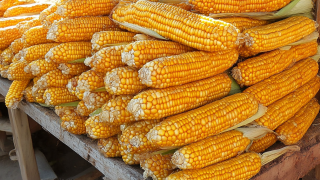
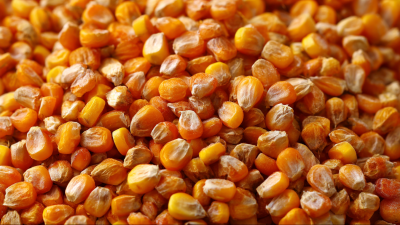
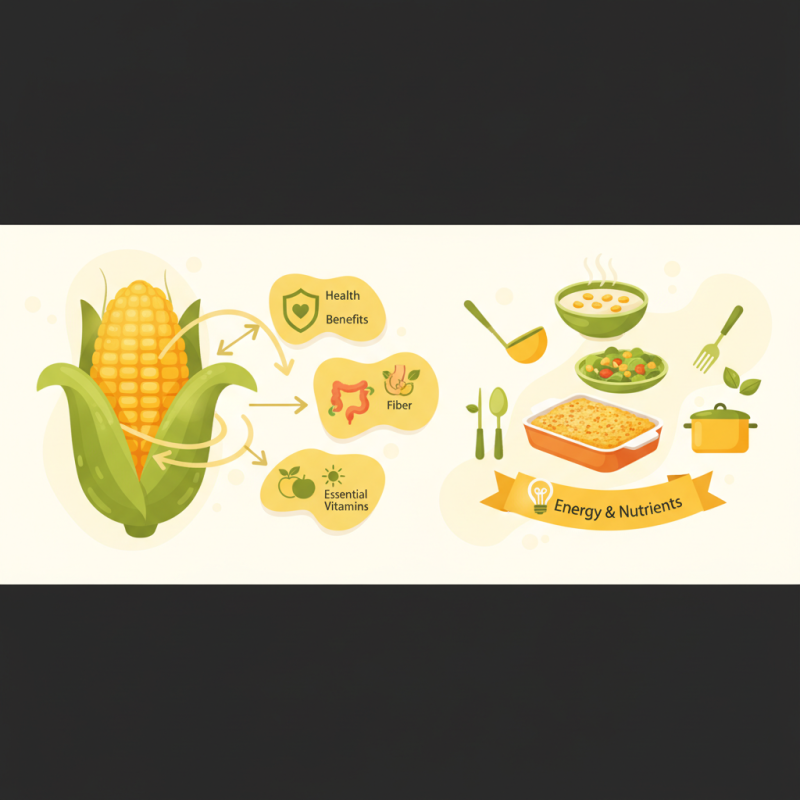
Lately, Sweet Corn Dried has been catching people's attention — and for good reason! It's not just tasty but also packed with health perks and adds a nice touch to a bunch of dishes. I remember Dr. Emily Hart, a nutritionist who specializes in dried foods, saying, “Sweet Corn Dried is basically a real nutrient boost, full of fiber and essential vitamins.” That really puts into perspective how good it can be for your diet.
But honestly, Sweet Corn Dried isn’t just a snack you munch on — it’s super versatile in the kitchen. Think about tossing it into soups, salads, or casseroles; its bright color and natural sweetness can totally lift the flavor of any meal. Yet, I feel like so many folks overlook just how adaptable it is. Once you try it, though, it’s hard to go back. The texture and flavor add a fun twist to everyday recipes, making them a bit more interesting.
That said, not everyone’s totally aware of all the health benefits it offers. Some might just see it as a simple food choice, but really, it’s a great source of energy and nutrients. There’s so much potential here — learning more about it could open up some cool new culinary ideas. So, maybe give Sweet Corn Dried a chance — it might just change the way you think about healthy cooking altogether.
Health Benefits of Sweet Corn Dried: Nutritional Overview
Dried sweet corn offers remarkable nutritional benefits. It’s rich in vitamins and minerals essential for overall health. For instance, one cup of dried sweet corn contains approximately 25% of the daily recommended intake of vitamin A. This vitamin is vital for maintaining good eyesight and immune function.
Key nutrients also include dietary fiber. A 100-gram serving provides around 7 grams of fiber. This can aid digestion and help maintain healthy blood sugar levels. Additionally, dried sweet corn contains antioxidants like lutein and zeaxanthin, which may support eye health.
However, there are some considerations. Not everyone may tolerate dried corn well. It can cause bloating or digestive issues for some. This suggests moderation is key. Balancing its consumption with other foods is wise. Overall, dried sweet corn can be a valuable part of a healthful diet when consumed appropriately.
Cooking Uses for Dried Sweet Corn: Versatility in Recipes
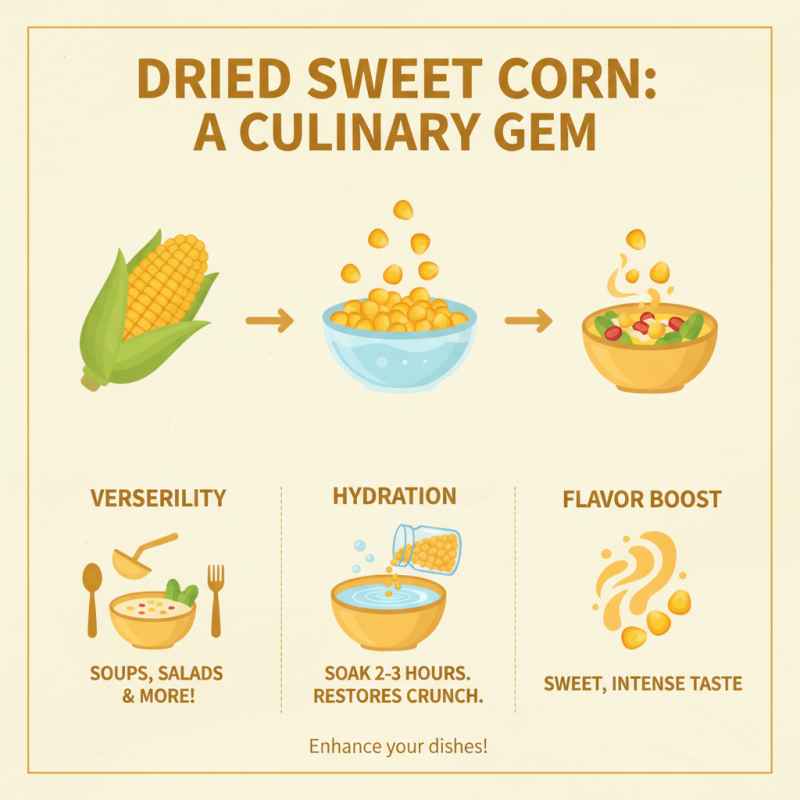
Dried sweet corn is a culinary gem. Its versatility makes it a great addition to various dishes. Whether you are making soups or salads, dried sweet corn can enhance flavor and texture. Hydrating it is simple; just soak in water for a few hours. This process brings back its sweet, crunchy essence.
In baking, dried sweet corn can be an exciting twist. It adds natural sweetness to cornbread and muffins. Think about using it in a savory pie filling; the contrast between sweetness and saltiness is delightful. You can also toss it into a stir-fry for a pop of color and flavor. The vibrant yellow will surely catch the eye.
However, using dried sweet corn requires some thought. It won't always blend seamlessly into every dish. Experimentation is key. Sometimes the flavor may overpower, and adjustments are needed. Balancing flavors can be challenging, but that's part of the fun in cooking. Enjoy the process of discovering how to incorporate this ingredient in innovative ways.
How to Prepare Dried Sweet Corn for Cooking
Dried sweet corn is a versatile ingredient that adds flavor and nutrition to various dishes. Preparing dried sweet corn requires a few simple steps to ensure it fits perfectly into your cooking routine. Start with rinsing the dried corn under cold water to remove any dust or impurities. This tiny action can enhance the flavor after cooking.
Soaking the corn is essential. Hydrating dried sweet corn allows it to reabsorb moisture, making it plumper and easier to cook. A study from the Food Science Institute found that soaking can reduce cooking time by 20%. Soak the corn in water for at least 4-6 hours. If you're in a rush, even 1-2 hours can make a difference, though results vary.
After soaking, drain and rinse the corn again. This step might seem redundant, but it helps in achieving a better texture. Cook the corn in a pot of boiling water for 20-30 minutes, stirring occasionally. The texture can be inconsistent if not stirred. Or, add it directly to soups and stews. The hydration process allows the corn to absorb surrounding flavors. However, over-soaking can lead to mushiness, so be mindful of timing.
Best Sweet Corn Dried Benefits for Health and Cooking Uses
| Nutritional Benefits |
Cooking Uses |
Preparation Method |
| Rich in fiber |
Soups and stews |
Rinse and soak in water for 6-8 hours |
| High in antioxidants |
Casseroles |
Bring to a boil before cooking |
| Supports eye health |
Salads |
Dehydrate at low heat until fully dry |
| Promotes healthy digestion |
Snack mixes |
Store in airtight container after drying |
| Boosts heart health |
Pilafs |
Cook for 30-45 minutes in water |
Sweet Corn Dried vs. Fresh Corn: Nutritional Comparisons
Dried sweet corn offers significant nutritional benefits, yet it differs from fresh corn in important ways. A report by the USDA highlights that dried corn retains much of its nutrient density. For example, it contains about 20 grams of protein per 100 grams, compared to fresh corn, which has around 3 grams. This dense protein content in dried corn makes it an excellent addition to meals for those lacking protein sources.
However, the drying process can reduce some vitamins. Fresh corn is a rich source of vitamin C, providing almost 10% of the daily recommended intake per cup. In contrast, dried corn may lose up to 50% of its vitamin C content. Those relying on dried corn should consider complementing their diet with fresh produce to ensure adequate vitamin intake.
Fiber content in dried sweet corn is impressive, boasting around 15 grams per 100 grams. This is higher than fresh corn, which offers about 2 grams in a cup. Yet, dried corn can also lead to digestive issues for some. Consuming it in moderation is advised, as its concentrated fiber can be tough on the digestive tract. Balancing both forms in a diet can lead to better nutrition overall.
Storage Tips for Dried Sweet Corn: Maximizing Shelf Life
Dried sweet corn is a nutritious food with versatile uses in cooking. However, proper storage is crucial to maximize its shelf life and maintain quality. Studies show that dried corn can last up to two years when stored correctly. An airtight container is ideal to keep moisture out, preventing mold growth. Keep the container in a cool, dark place; temperatures below 70°F are recommended.
Moisture is the enemy of dried sweet corn. Even a single drop of water can trigger spoilage. Before storage, ensure the corn is completely dry. This step is often overlooked. A common mistake is to seal partially dried corn, which risks deterioration. Additionally, check the container periodically for any signs of insects or unwanted moisture.
Some experts suggest using vacuum sealing for extended shelf life. Although this method is effective, it may not be practical for everyone. Not everyone has a vacuum sealer at home. Thankfully, simple storage techniques can still preserve the corn for months. Be mindful of how long it has been stored. If you notice any off smells or changes in texture, it may be time to reconsider using it.
Potential Health Risks of Consuming Dried Sweet Corn
Dried sweet corn offers many health benefits but can also pose risks. One concern is its high carbohydrate content, which can cause spikes in blood sugar levels. According to the American Diabetes Association, managing carbohydrate intake is crucial for those with diabetes. Dried corn is calorie-dense, so moderation is key. Overeating can lead to weight gain.
Another risk relates to potential contaminants. Dried corn can harbor aflatoxins, which are toxic substances produced by mold. According to the FDA, aflatoxin exposure can lead to serious health issues, including liver damage and cancer. Regularly sourcing from reputable suppliers and checking for quality can help mitigate this risk.
**Tip:** Always store dried sweet corn in a cool, dry place to prevent mold growth.
Hydration is important when consuming dried corn. Its fiber content can lead to digestive issues if not paired with enough water. The Institute of Medicine recommends adequate fluid intake specifically when increasing fiber in the diet. Additionally, keep in mind that cooking methods can influence health benefits. For a healthy meal, avoid excessive oils or sugars in preparation.
Culinary Techniques: Incorporating Dried Sweet Corn into Meals
Dried sweet corn is versatile in the kitchen. It adds sweetness and texture to various dishes. According to the USDA, dried corn retains nutrients better than fresh corn. This makes it a healthy choice.
Using dried sweet corn can enhance many meals. You can rehydrate it for soups or stews. Just soak it in water for a few hours. Some even use it in salads, adding a sweet crunch. The texture can help balance softer ingredients. Chefs often blend it into cornbread or muffins for added flavor.
However, overusing dried sweet corn may lead to a one-note dish. It's essential to balance flavors and textures in your cooking. Experimenting with spices or fresh ingredients can bring your meals to life. Consider pairing it with herbs or citrus for brightness. Each dish can become a unique culinary experience with thoughtful incorporation of dried sweet corn.
Exploring the Rising Demand for Sweet Corn Powder: Insights from Recent Market Analysis and Forecast Reports
The rising demand for sweet corn powder can be attributed to its versatility and nutritional benefits, which are becoming increasingly recognized by both consumers and food manufacturers. Recent market analysis reveals a significant growth trajectory for this ingredient, projected to expand significantly in the coming years. According to industry reports, the global sweet corn powder market is expected to witness a compound annual growth rate (CAGR) of approximately 6% over the next five years, driven by its applications in various food products and a growing inclination towards healthier ingredient alternatives.
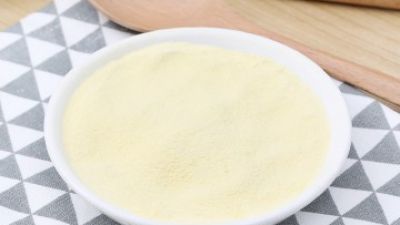
Sweet corn powder stands out due to its all-natural composition and the rich nutritional profile it offers. With a high fiber content, vitamins, and antioxidants, it's an ingredient that caters to health-conscious consumers. The advanced drum-drying process used to produce this powder preserves the kernel’s natural sweetness and vibrant color, making it suitable for a wide array of culinary uses. Whether incorporated into soups, baked goods, or beverages, sweet corn powder not only enhances flavor but also adds nutritional value, aligning perfectly with current consumer trends favoring wholesome ingredients.
As food manufacturers seek to innovate and meet the evolving preferences of their customers, sweet corn powder provides an excellent opportunity to enrich product lines. Its mild, sweet flavor profile complements an extensive variety of recipes, making it a practical choice for those aiming to create delicious and health-conscious options. The long shelf life and easy storage of sweet corn powder further contribute to its appeal, positioning it as a favored ingredient in the rapidly growing market for convenient and nutritious food products.
FAQS
: It offers convenience, practicality, and efficiency in everyday tasks. Users report improved productivity over time.
Yes, many users find it intuitive. However, some struggle with advanced features initially.
Regular cleaning is recommended. Follow typical maintenance steps in the user manual for best results.
Start with troubleshooting steps outlined in the guide. If issues persist, reach out for support.
It tends to perform better in several areas. Yet, individual experiences may vary, leading to different outcomes.
Some users note it may not meet all specific needs. Flexibility can be limited based on usage.
Generally, returns are accepted within a specific timeframe. It's important to keep the original packaging intact.
Some believe it's perfect. In reality, it has learning curves and might not suit everyone.
Yes, some features might take time to master. Learning from peers or tutorials can be helpful.
Yes, many platforms feature user experiences. Unbiased reviews can provide varied perspectives on performance.
Conclusion
Sweet Corn Dried is a versatile ingredient that offers numerous health benefits and culinary uses. Rich in essential nutrients, it can enhance diets while providing significant energy and fiber. Dried sweet corn is particularly useful in various recipes, from soups and stews to salads and snacks, showcasing its adaptability in cooking. When preparing dried sweet corn, soaking or rehydrating it is essential for optimal texture and flavor.
While Sweet Corn Dried has its advantages, it’s important to understand the differences between dried and fresh corn in terms of nutrition. Proper storage can maximize its shelf life, ensuring that the corn retains its quality and nutritional value. However, consumers should also be aware of potential health risks associated with excessive consumption. Overall, incorporating Sweet Corn Dried into meals can provide not only delightful flavors but also numerous health benefits.