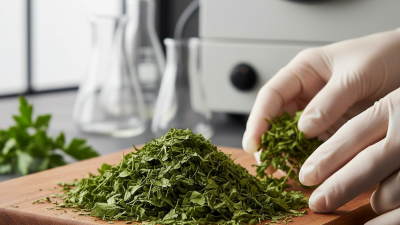
Have you ever tried Sichuan Pepper? It’s pretty fascinating how it’s taken the world by storm with its unique flavor and culinary magic. I recently read what food expert Dr. Emily Chen had to say, and she really stressed how crucial it is to source it properly. She mentioned, “The journey of Sichuan Pepper from farm to table is super important for keeping its authentic taste.” Yeah, it’s not just about grabbing some spice off the shelf—there’s a whole story behind its quality.
For importers and chefs, the real trick is finding trusted producers. Good Sichuan Pepper isn’t just about how it tastes—it’s also about how carefully it’s grown and harvested. Unfortunately, not every supplier puts in the same level of care, so consistency can be hit or miss.
Getting the right sources means putting in some serious research and building real relationships. It’s best to connect directly with farmers in Sichuan if you want the genuine stuff. Sampling and testing are absolute musts, too. In the spice world, not all Sichuan Pepper is equal—each variety has its own personality. So, chasing after high-quality stuff can be a bit of a challenge, but honestly, it’s totally worth it when you find the good ones.

Identifying Authentic Sichuan Pepper Varieties for Global Trade
Identifying authentic Sichuan pepper varieties is essential for those involved in global trade. This unique spice, known for its citrus-like flavor and numbing sensation, comes from specific trees native to Sichuan province in China. Understanding the genuine characteristics of this pepper will ensure quality sourcing.
Observing the appearance is crucial. Authentic Sichuan peppercorns are typically small and round, often with a dark brown or reddish color. The aroma is distinctly fragrant, with a hint of citrus. Sichuan Red Pepper Flakes should also showcase these qualities. When sourcing, be wary of overly bright colors or artificial scents; these may indicate poor quality or imitation.
Tips for sourcing quality Sichuan pepper include working with reputable suppliers. Look for those who have a deep understanding of the product. A thorough inspection of the pepper's texture and aroma during trade shows can help establish authenticity. Sampling before purchasing is also wise.
Beware of common misconceptions. Not all pepper marketed as Sichuan pepper is authentic. Some may lack the numbing depth of flavor. Understanding the difference between various varieties aids in making informed decisions. Always ask for provenance and proper documentation from suppliers. As you navigate global markets, your knowledge will be a valuable asset in sourcing the finest Sichuan pepper.
How to Source Quality Sichuan Pepper for Global Markets?
| Variety |
Origin |
Flavor Profile |
Aroma Intensity |
Market Price (per kg) |
| Sichuan Peppercorn (Zanthoxylum simulans) |
Sichuan Province, China |
Citrusy, numbing |
High |
$15 |
| Chinese Prickly Ash (Zanthoxylum piperitum) |
Northeast China |
Lemon zest, floral |
Medium |
$18 |
| Korean Pepper (Zanthoxylum schinifolium) |
Korea |
Spicy, woody |
Low |
$20 |
| Red Sichuan Pepper (Zanthoxylum bungeanum) |
Sichuan Province, China |
Earthy, citrus |
Medium |
$17 |
Assessing Quality Indicators in Sichuan Pepper Sourcing
When sourcing quality Sichuan pepper, buyers should pay close attention to various indicators. The aroma is vital; fresh Sichuan pepper has a unique, citrusy scent. Check for whole seeds rather than powder, as this indicates freshness. Always consider the color—vibrant red-brown hues reflect better quality.
Tips: Smell first! The scent is your initial clue. Next, look for even sizes among the seeds. This consistency often hints at careful sourcing.
Additionally, assess the texture. Quality Sichuan pepper should feel slightly oily but not damp. Aim for a smooth surface without cracks. Be wary of overly processed Sichuan Pepper Powder, which may lose its distinct flavor. The sourcing location matters, too; regions with rich soil often produce the best results.
Tips: Conduct taste tests! Simple recipes can reveal the true nature of the pepper's flavor. Authenticity matters, so obtaining samples before making bulk purchases can help ensure quality.
Understanding Sustainable Farming Practices for Sichuan Pepper
Sichuan pepper, a beloved spice, demands sustainable farming practices for global markets. Understanding these practices is key to producing high-quality Green Sichuan Pepper. Research shows that environmentally considerate farming can increase yields by 30%. This ensures both profitability and conservation.
Farmers should focus on soil health. Using organic fertilizers can enhance flavor and quality. Reports indicate that crops grown in well-nourished soil contain higher essential oils, essential for that distinctive numbing sensation. Precision farming techniques help monitor soil and plant health, leading to smarter resource use. However, adopting these methods might present challenges, like initial investment costs.
Tip: Always choose local seeds. They adapt better to the environment and promote biodiversity. Implement crop rotation to prevent soil depletion and disease. These methods enhance sustainability and ensure the longevity of the Green Sichuan Pepper supply. Keep in mind that consumer education on the benefits of sustainably farmed spices is vital for market expansion.
Quality Sichuan Pepper Production and Sustainable Practices
Finding Reliable Suppliers and Producers of Sichuan Pepper
When sourcing quality Sichuan pepper, the first step is identifying reliable suppliers. The spice, known for its unique flavor, has gained interest in global markets. Conducting research on potential suppliers is crucial. Look for local producers in Sichuan, as they understand the nuances of cultivation and processing. Local knowledge often translates to higher quality.
Establishing communication is vital. Reach out to suppliers and ask detailed questions about their farming practices. Explore their experiences and certifications. Visiting farms can provide insight into their operations. This step often reveals commitment to quality, but be mindful of red flags. Inconsistent responses or lack of transparency could indicate reliability issues.
Consider attending trade shows related to spices. These events are excellent for networking with verified suppliers. They allow for face-to-face discussions and foster relationships. It’s an opportunity to assess products directly. Always request samples before committing to a bulk order. Assessing the quality firsthand can prevent costly mistakes later. Finding the right supplier is a process that requires patience and diligence.
Navigating Export Regulations for Sichuan Pepper Markets
Sichuan pepper, known for its unique flavor, has gained global interest. Entering these markets requires knowledge of export regulations, which can be complex. Each country may have different standards governing the import of spices. For Sichuan pepper, specific regulations often focus on quality, identification, and contamination.
Understanding these regulatory frameworks is essential. For instance, some nations require a certificate of origin. Others may have strict phytosanitary standards. Importers need to ensure that their products meet these requirements. Non-compliance can lead to delays or rejection at customs. Researching these details might seem daunting, but it's crucial for successful trade.
Additionally, exporters must be aware of food safety practices. Clean facilities and proper handling can reduce contamination risks. Quality control processes should be in place. Mistakes here can harm reputation and finances. Regular audits can help maintain standards. However, it's important to recognize that the export journey is filled with challenges and learning opportunities.
Packaging and Marketing Strategies for Sichuan Pepper Globally
When packaging Sichuan pepper for global markets, the design must reflect its unique qualities. Eye-catching packaging can attract buyers. Consider using eco-friendly materials. Doing so not only appeals to environmentally conscious consumers but also enhances brand image. Clear labeling is crucial. Include information on origin, flavor profile, and culinary uses. This transparency builds trust with consumers.
Marketing strategies should highlight the versatility of Sichuan pepper. Showcase its use in diverse cuisines, from Asian to fusion dishes. Engaging social media campaigns can create buzz. Share recipe ideas and cooking tips to encourage usage. Collaborating with chefs can also elevate its profile. Authentic endorsements can build credibility. Despite these efforts, challenges in market penetration might arise. Cultural differences and varying taste preferences need careful navigation.
Ultimately, understanding the target audience is key. Research consumer behaviors and preferences in different regions. This insight can help tailor marketing messages effectively. Testing different packaging designs in focus groups may also reveal valuable feedback. Refinements can lead to better reception in the market. The journey of introducing Sichuan pepper globally is complex yet rewarding. Adaptability will be crucial in this dynamic landscape.
Consumer Trends and Demand Analysis for Sichuan Pepper
Sichuan pepper has gained traction in global markets, driven by unique flavor profiles. Consumers increasingly seek new culinary experiences, elevating the demand for authentic spices. This pepper offers a zesty taste, setting it apart from traditional black pepper. Global chefs are integrating Ground Sichuan Pepper into fusion dishes, appealing to adventurous eaters.
Market analysis reveals a growing interest in natural and ethnic ingredients. Consumers are more health-conscious and prefer authentic flavors. The trend is reflected in online queries about sourcing quality Sichuan pepper. However, challenges remain. Not all suppliers meet quality standards, leading to inconsistencies in taste and heat levels.
Navigating this landscape requires expertise and experience. Understanding local harvesting methods can provide insights into quality. It’s crucial to vet suppliers rigorously, ensuring they share a commitment to authenticity. Balancing quality with pricing is essential. As the market diversifies, producers must reflect on these challenges to remain relevant and meet consumer expectations.
FAQS
: Authentic Sichuan pepper is small, round, and usually dark brown or reddish. It has a fragrant aroma with citrus hints.
Work with reputable suppliers. Inspect the texture and aroma. Sampling before purchasing is also a wise strategy.
Not all pepper labeled as Sichuan is genuine. Some may lack the distinct numbing flavor that defines it.
Sustainable practices improve crop quality and yield. They also preserve the environment, which is essential for long-term supply.
Using local seeds and crop rotation promotes biodiversity and soil health. Organic fertilizers also improve flavor.
Consumers seek unique culinary experiences and authentic flavors. Chefs incorporate it into fusion dishes, boosting its popularity.
Look for consistency in flavor and aroma. Poor quality may show bright colors or artificial scents, indicating imitation.
Some suppliers may not meet quality standards. This can lead to inconsistencies in taste and heat levels, affecting consumer trust.
Local farming methods adapt better to regional conditions, ensuring flavor and sustainability. This creates a more reliable product for consumers.
Educated consumers appreciate sustainably farmed spices, driving market expansion. It can positively impact sourcing and quality perceptions.
Conclusion
The article "How to Source Quality Sichuan Pepper for Global Markets?" provides a comprehensive guide for businesses looking to successfully trade Sichuan pepper. It emphasizes the importance of identifying authentic varieties to ensure quality, as well as assessing key indicators that define premium Sichuan pepper. Sustainable farming practices are highlighted as crucial for maintaining quality while also being environmentally responsible.
Furthermore, the article explores strategies for finding reliable suppliers and producers, which is essential for consistent sourcing. It also addresses the complexities of navigating export regulations to facilitate entry into international markets. Lastly, innovative packaging and marketing strategies are discussed, along with an analysis of current consumer trends and demand for Sichuan pepper to help businesses capitalize on market opportunities.