Getting your hands on good-quality onion powder is pretty important if you're aiming at global markets. I mean, onion powder is super versatile and packs a punch in a bunch of different cuisines. The first thing you wanna do is find reliable suppliers — that’s key to making sure your product actually lives up to expectations. A solid supplier should really know their stuff when it comes to sourcing and processing onion powder.
Big names like The Spice House and McCormick have been around for ages and are trusted in the biz. Their Freeze Dried Onion Powder is known for top-notch quality and keeping flavors vibrant. When you're checking out potential suppliers, take a peek at how they source their onions and how they process everything — transparency here is usually a good sign of reliability.
Of course, sourcing isn't always straightforward. Not every supplier plays by the same rules, and just looking at the price can be kinda misleading. Things like where the onions come from and how they’re processed really impact what you're getting. It’s a smart move to request some samples or do small trial runs before you commit to buying in bulk — that way, you can see for yourself if it meets your standards. By doing this, you’ll make sure your onion powder hits the quality mark your customers expect.
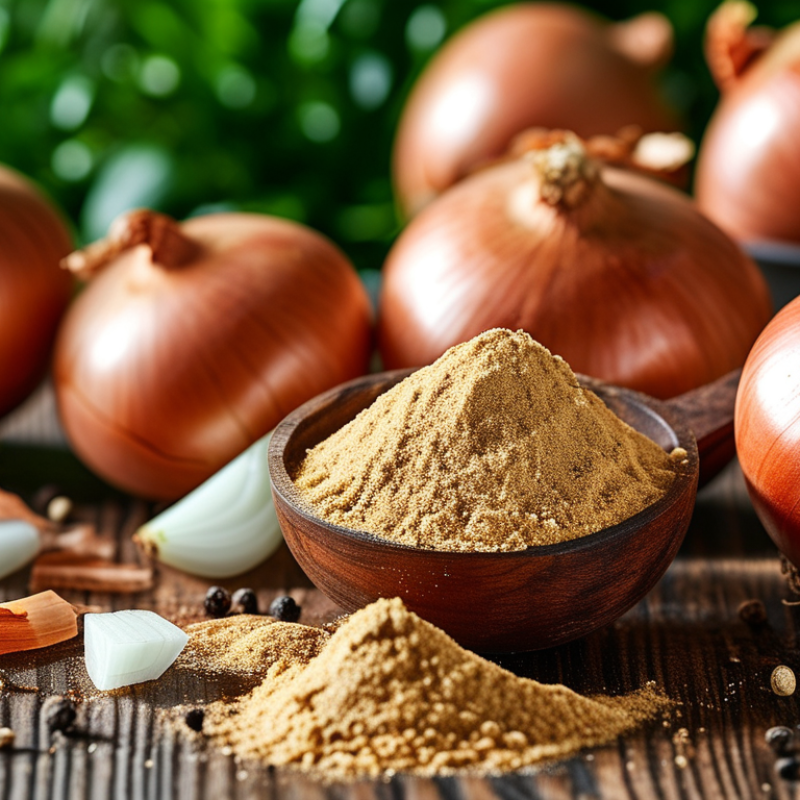
Understanding the Importance of Quality in Onion Powder Sourcing
Sourcing quality onion powder is crucial for global markets. The demand for Dried Onion Powder continues to rise. Consumers expect consistency, flavor, and purity. When choosing suppliers, it’s essential to assess their quality assurance measures. Quality indicators often include sourcing methods, processing technologies, and storage practices. Transparency in these processes builds trust.
Quality can vary significantly across suppliers. A lack of standardization can lead to discrepancies. Some suppliers may use additional fillers to cut costs, which compromises the powder's flavor and nutritional value. Conducting thorough assessments of potential suppliers is key. Investigating their reputation within the industry can reveal insights into their practices. Utilize independent testing to verify quality claims.
Packaging should also be considered when sourcing dried onion powder. Proper sealing prevents moisture loss and maintains flavor. Yet, some suppliers may not prioritize this, leading to stale products. Quality assurance doesn't only rely on the product; it extends to the entire supply chain. Engaging in regular audits and assessments can help mitigate risks. Only then can firms ensure that they are providing high-quality onion powder to meet market demands.
Identifying Reliable Suppliers and Manufacturers in Global Markets
Identifying suppliers for onion powder involves several steps. Start by researching potential suppliers in various markets. Look for manufacturers with a proven track record in high-quality onion powder production. The role of reliable suppliers cannot be understated.
Efficient communication and transparency about sourcing practices are key.
Engage with potential suppliers directly. Ask about their certifications and quality control processes. A trustworthy Freeze Dried Onion Powder Manufacturer should be able to provide detailed information.
Testing their products before committing to a large order is wise. You might find that some suppliers fail to meet your expectations. It’s essential to reflect on these experiences for future sourcing decisions.
Trade shows and industry networking can also lead to valuable connections. Be open to discussions and gather insights from other buyers. While exploring global markets, pay attention to emerging suppliers as well. They often bring innovation and competitive pricing.
However, thoroughly vetting these suppliers is crucial, as not all will meet quality standards.
Evaluating Onion Powder Quality: Key Factors and Standards to Consider
When sourcing quality onion powder for global markets, understanding key factors is crucial.
First, the color and aroma of the powder reflect its quality.
A vibrant yellow to light brown color indicates freshness. Additionally, a strong, pungent aroma is often associated with high-quality onion powder.
Industry reports reveal that a mere 10% of onion powder meets these standards consistently.
Another factor to evaluate is the moisture content.
High moisture levels can lead to spoilage and reduced shelf life.
The acceptable moisture level should be below 8%.
According to the Spices Board of India, moisture is a significant quality determinant.
Testing for contaminants is equally important. Presence of heavy metals or pesticide residues can compromise safety.
Reliable Onion Powder Manufacturers adhere to strict guidelines, ensuring their products meet safety standards.
Lastly, sourcing from reputable suppliers is essential. Trustworthy Onion Powder Manufacturers often provide certifications that prove adherence to quality and safety standards.
However, not all manufacturers prioritize transparency.
This inconsistency poses challenges for buyers aiming for quality assurance.
Engaging with suppliers who are certified can mitigate risks and ensure high standards.
Recognizing these factors enables buyers to make informed decisions in a competitive market.
Assessing Certification and Compliance for Global Quality Standards
When sourcing onion powder for global markets, compliance with international quality standards is crucial. Quality certifications act as a benchmark for evaluating suppliers. Look for certifications like ISO, HACCP, and organic labels. These indicators help verify the safety and reliability of the product, ensuring it meets consumer expectations.
Navigating certification processes can be complex. Many suppliers may claim compliance but lack the necessary documentation. It’s essential to conduct thorough audits and assess the supplier’s practices. Engage with independent testing laboratories to verify product quality and consistency. Transparency is key; request access to audit reports and inspection results.
Quality is not just about certifications. It’s also about understanding the sourcing process. Build strong relationships with farmers and suppliers. This ensures accountability and commitment to quality. Remain cautious of price-driven choices that may compromise standards. In quality sourcing, due diligence and ongoing monitoring are vital for success.
How to Source Quality Onion Powder for Global Markets?
| Source Country |
Certification Type |
Compliance Standard |
Quality Score (out of 100) |
Supplier Reputation Rating |
| India |
ISO 22000 |
FDA |
92 |
4.5/5 |
| China |
HACCP |
EU Regulation |
88 |
4.2/5 |
| USA |
Organic Certification |
USDA |
95 |
4.8/5 |
| Egypt |
ISO 9001 |
FDA |
90 |
4.3/5 |
| Turkey |
BRC |
EU Regulation |
87 |
4.0/5 |
Negotiating Terms and Conditions for Sourcing Agreements
Negotiating terms and conditions in sourcing agreements for onion powder is critical in global markets. Effective negotiation can significantly affect your supply chain efficiency and cost structure. The onion powder market is projected to reach over $1.5 billion by 2025, highlighting the growing demand.
When negotiating, focus on pricing structures, delivery timelines, and quality standards. According to a recent industry report, 45% of sourcing issues stem from unclear quality specifications. Clearly defined quality metrics can mitigate risks related to product consistency. Additionally, ensure delivery schedules are realistic. Many suppliers struggle with delays, affecting inventory management.
Engaging in regular reviews of your terms can help identify areas for improvement. This process may reveal that your suppliers are not meeting expectations. Transparency and open dialogue foster better relationships. Industry insights suggest that flexible terms can lead to stronger partnerships. Keeping lines of communication open allows for adjustments in response to fluctuating market demands.
Global Onion Powder Market Sourcing Analysis
Exploring Shipping and Logistics Considerations for Onion Powder
When sourcing quality onion powder for global markets, shipping and logistics play crucial roles. Understanding different shipping methods is essential.
Air freight offers speed but can be costly. On the other hand, sea freight provides affordability but may prolong delivery times.
Each option has trade-offs that require careful evaluation.
Proper packaging is vital to ensure quality. Onion powder, especially
Green Onion Powder, needs protection from moisture and light.
Use airtight containers to maintain freshness. Be aware of temperature changes during transportation, as they can affect flavor and texture.
Choosing reliable logistics partners is necessary to manage potential risks.
Additionally, customs regulations can complicate international shipping. Researching import requirements for the destination country helps avoid delays.
Documentation must be thorough and accurate to facilitate smooth transfers. Reflecting on past experiences will inform better practices.
Shipping onion powder can be challenging, but proper planning can lead to success in global markets.
Maintaining Quality Control During Sourcing and Distribution Processes
Maintaining quality control during sourcing and distribution is crucial for onion powder. To ensure high standards, choose reliable suppliers with a track record. Research potential partners thoroughly. Evaluate their facilities and processing methods. Inspect their quality assurance protocols.
Once sourced, strict monitoring throughout the distribution chain is necessary. Regular testing of batches can prevent inconsistencies. Packaging also plays a key role; it should protect the product from moisture and light. Training staff on proper handling can reduce the risk of contamination. Small mistakes can have large impacts, so maintain vigilance.
Additionally, feedback mechanisms are important. Engage with distributors and customers to gather insights on product quality. This can reveal unexpected problems in the supply chain. Use this information to refine practices and improve overall quality. A continuous improvement mindset is vital in sustaining a competitive edge in global markets.
Unlocking the Nutritional Benefits and Culinary Versatility of Sweet Corn Powder
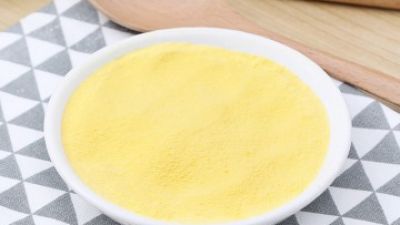
Sweet corn powder, derived from the tender and naturally sweet kernels of corn, unlocks a plethora of nutritional benefits and culinary versatility. Rich in carbohydrates, dietary fiber, and essential vitamins such as B-complex and C, this powder also contains vital minerals including magnesium and potassium. According to industry reports, sweet corn powder has become an increasingly popular ingredient in various food categories, primarily due to its natural sweetness and health benefits. For instance, it can reinforce the nutritional profile of soups and sauces, enhancing flavor and thickness while providing a wholesome touch.
In addition to soups, sweet corn powder serves as an excellent additive in the bakery sector, where it can be incorporated into bread, biscuits, and snacks. The spray-drying process used to produce this powder preserves the natural flavor and nutrients, ensuring a high-quality product with excellent water solubility. Data from food technology studies suggest that incorporating sweet corn powder into baked goods not only improves texture but also boosts the overall nutrient density, making it a favorite among health-conscious consumers. Furthermore, its applications extend to baby foods and ready-to-eat meals, where ease of digestion and nutritional richness are paramount for young consumers. This versatility positions sweet corn powder as a cutting-edge ingredient in contemporary culinary practices, appealing to various consumer preferences and dietary needs.
FAQS
: Color and aroma are key indicators. Look for vibrant yellow to light brown and a strong smell.
High moisture can cause spoilage. Aim for a moisture level below 8% for optimal shelf life.
Heavy metals or pesticides can compromise safety. Testing for these is essential for quality assurance.
Trustworthy suppliers offer certifications and adhere to quality standards. Not all prioritize transparency, so choose carefully.
Air freight is fast but expensive. Sea freight is cost-effective but takes longer. Evaluate both options.
Use airtight containers to protect from moisture and light. Proper packaging maintains freshness during transit.
Customs regulations can delay shipments. Researching import requirements and ensuring accurate documentation helps.
Temperature fluctuations can affect flavor and texture. Monitor conditions during transportation for the best results.
Learning from past challenges aids in better planning and helps avoid future mistakes in logistics.
Industry reports indicate that only 10% consistently meet high-quality standards. Awareness of these is crucial for buyers.
Conclusion
Sourcing quality onion powder for global markets requires a comprehensive understanding of key factors that ensure product excellence. It starts with recognizing the importance of quality in the sourcing process, which ultimately affects consumer satisfaction and market competitiveness. Identifying reliable suppliers and manufacturers is crucial, as this involves assessing their production capabilities and reputation in the industry.
Quality evaluation should focus on various standards and key factors, including flavor, color, and moisture content. Compliance with global quality standards and certifications further enhances the credibility of the product. When negotiating terms and conditions for sourcing agreements, it’s essential to prioritize quality control, ensuring that the onion powder maintains its integrity from production through distribution. Additionally, logistical considerations play a vital role in maintaining product quality throughout the shipping process, ensuring that businesses can meet market demand with premium onion powder.