You know, as more and more people around the world get into experimenting with unique flavors, Sichuan Pepper has really started to stand out in the culinary scene. If you’ve ever tasted it, you’ll know it’s famous for that numbing kick and rich, complex aroma—kind of like a flavor rollercoaster in your mouth. According to the Food and Agriculture Organization (FAO), the demand for Sichuan Pepper has skyrocketed over the past five years, especially in Asian markets where it's really gaining popularity.
Back in 2022, the worldwide market for this spice hit around $150 million. And honestly, it looks like that number’s only going up because chefs everywhere are eager to use it to make their dishes pop. That said, finding good quality Sichuan Pepper isn’t always a walk in the park. There’s quite a bit of variation in how strong or flavorful different batches are, depending on who you get it from. That inconsistency can be a real headache—not just for chefs trying to perfect their recipes but also for the folks actually eating the food.
So, if you’re into sourcing Sichuan Pepper, it’s super important to know what to look for. Authenticity and trustworthy suppliers are key. Being transparent about where and how they get their spice really helps ensure you’re getting the good stuff. Taking the time to pick the right supplier can make a big difference in how your dishes turn out—more flavorful, more memorable, and just better overall.
Understanding Sichuan Pepper: An Introduction for Global Sourcing
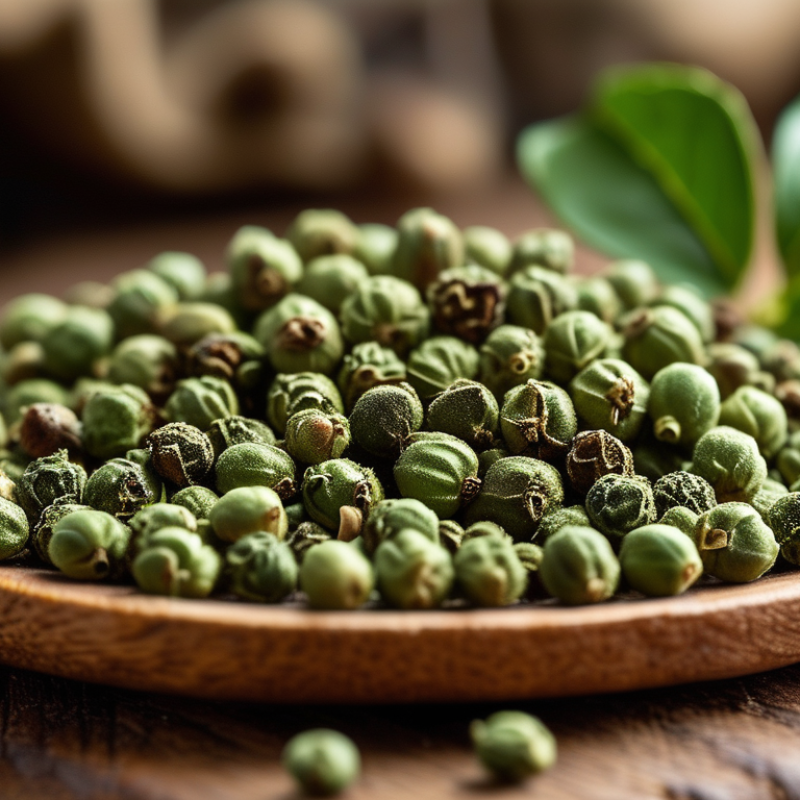
Sichuan pepper, a unique spice from China, is essential for enhancing flavors in many cuisines. It is not actually a true pepper but the dried husk of the prickly ash tree. This spice is known for its numbing heat and citrusy flavor. In recent years, the global demand for Sichuan pepper has surged, with market growth projections indicating a compound annual growth rate (CAGR) of 5.25% between 2021 and 2026. Understanding its sourcing becomes crucial for suppliers.
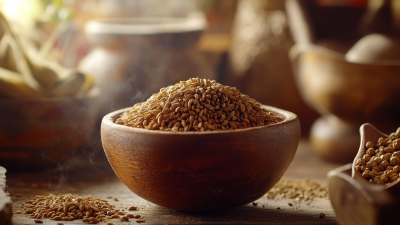
When sourcing Sichuan pepper, consider the cultivation regions. The Sichuan province remains the largest producer, known for its high quality and distinctive characteristics. The pepper is typically harvested in late summer, and quality can vary significantly. Buyers should look for vibrant red or brown-hued seeds and avoid dull or yellowish options. Quality assessments often include aroma, size, and appearance, which can influence pricing.
Buyers should also establish reliable relationships with suppliers. Verifying their practices can ensure sustainable sourcing. Regular communication helps identify any shifts in supply or demand, providing better market insight. It is important to gather samples and conduct taste tests, as flavor potency is crucial for culinary applications. Understanding these nuances will lead to better procurement decisions.
Global Sourcing of Sichuan Pepper: Import Volume by Region (2022)
Identifying Quality Sichuan Pepper: Key Characteristics to Consider
When sourcing Sichuan pepper, identifying quality is vital. The flavor profile distinguishes it from other peppers. Look for vibrant red color. Quality Sichuan Red Pepper Flakes should possess a glossy appearance. Avoid dull or faded flakes, as they indicate age or inferior quality.
The aroma is another essential factor. Good Sichuan pepper exudes a citrusy scent with mild hints of spice. It should not smell musty or off. A fresh aroma indicates proper storage conditions. Be cautious when evaluating samples, as visual and olfactory checks can reveal much about quality.
Tips for selection: Always ask for samples before purchasing in bulk. This practice helps in assessing flavor and aroma directly. Additionally, consider the source of the pepper. Regions known for high-quality Sichuan pepper tend to offer the best products. Ensure suppliers adhere to good agricultural practices, promoting sustainability and quality.
Where to Source Sichuan Pepper: Top Global Suppliers and Markets
When sourcing Sichuan pepper, it's essential to know where to find the best suppliers. Southeast Asia and China are renowned for their high-quality Sichuan pepper. Local farmers often grow this unique spice, which adds a distinct flavor to various dishes. Markets in Chengdu and nearby regions are popular choices for fresh procurement. Understanding the local culture can significantly enhance your sourcing experience.
Visiting trade shows can provide direct access to suppliers. Engaging with them face-to-face offers an opportunity to assess quality first-hand. Be prepared to negotiate prices but also understand the local context. Relationships matter in this business. The nuances in communication styles can impact negotiations.
Researching potential suppliers online is also valuable. Check reviews and ratings to gauge their reliability. Don't hesitate to ask for samples before making a decision. Quality control is critical. Assessing the product's freshness and taste is vital before large orders. It's easy to overlook small details, but they can make a big difference.
Evaluating Price Factors for Sichuan Pepper in Global Trade
When sourcing Sichuan Pepper for global trade, understanding price factors is crucial. The market is influenced by various elements such as cultivation conditions, harvest yields, and regional demand. Recent industry reports indicate that Sichuan Pepper prices have grown by approximately 15% over the past two years due to increased global interest. This price rise can be attributed to its rising popularity in international cuisine, particularly in gourmet and health-conscious dishes.
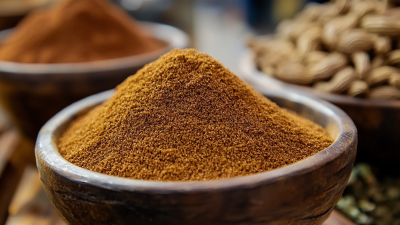
Supply chain logistics also impact pricing. Transporting Sichuan Pepper from Sichuan Province can incur high shipping costs, especially during peak harvest seasons. Reports suggest that logistical challenges can add as much as 10-20% to the final retail price. Additionally, quality standards play a role. Higher quality Sichuan Pepper Powder commands premium prices, driven by growing consumer expectations for flavorful spices. However, not all suppliers guarantee the same quality, leading to potential inconsistencies in price.
Market volatility is another factor to consider. Fluctuations in currency exchange rates can impact global sourcing costs for Sichuan Pepper Powder. It's essential to build relationships with multiple suppliers to mitigate risks related to pricing and availability. Understanding these dynamics is key for businesses aiming to procure Sichuan Pepper effectively while balancing quality and cost.
Import Regulations and Compliance for Sichuan Pepper
Importing Sichuan pepper requires a deep understanding of various regulations. Countries have specific import laws regarding food products. Compliance with these regulations is crucial to ensure smooth shipping and delivery. Documentation plays a vital role; it typically includes a bill of lading, import licenses, and certificates of origin. Mistakes in documentation can lead to delays.
When sourcing Green Sichuan Pepper, confirm the origin and quality standards. The importing country may have restrictions on pesticide residues. Conduct thorough checks on suppliers to establish reliable quality. Gather as much information about their farming practices and certifications as possible. Inconsistent quality among suppliers exists, so don't hesitate to request samples.
Tip: Organize your import documentation well in advance. This can help avoid last-minute rush issues. Verify product descriptions and ensure they align with regulatory requirements. Another reflection point is the potential for fluctuating prices in the market. A well-planned sourcing strategy can mitigate these risks and help secure favorable terms.
How to Buy Sichuan Pepper for Global Sourcing Needs? - Import Regulations and Compliance for Sichuan Pepper
| Aspect |
Details |
| Sourcing Countries |
China, India, Vietnam, Nepal |
| Main Exporting Regions |
Sichuan, Yunnan, Guangxi |
| Import Regulations |
Compliance with USDA and FDA regulations |
| Quality Standards |
Must meet ISO 22000 or equivalent |
| Packaging Requirements |
Vacuum sealed, food grade materials |
| Customs Documentation |
Bill of Lading, Certificate of Origin, Import Permit |
| Potential Tariffs |
Depends on origin and trade agreements |
| Supplier Verification |
Check certifications and past export history |
| Market Trends |
Increasing demand in culinary applications |
Shipping and Logistics: Best Practices for Sichuan Pepper Importation
When importing Sichuan pepper, shipping and logistics are critical. Begin by choosing reliable suppliers. Coordinate closely with them to ensure quality. Verify that Ground Sichuan Pepper meets your safety and quality standards before shipment. Shipping should be timely, but delays can happen. Prepare for potential disruptions in transit.
Consider the shipping methods best suited for your needs. Air freight is faster but more expensive. Sea freight is economical but slower. Be aware of customs regulations. Each country has its own rules regarding importing spices. Understand these to avoid unexpected issues at the border. It is wise to work with customs brokers who are experienced in handling food products.
Documentation is also essential. Ensure all import permits are in place. Track the shipment to maintain visibility throughout the process. This allows you to address issues as they arise. Communication with your logistics team helps mitigate risks. In the end, secure a supply chain that consistently delivers ground Sichuan pepper without significant disruptions.
Sichuan Pepper in Culinary Use: Trends and Consumer Preferences
Sichuan pepper has gained global popularity for its unique flavor and distinctive numbing sensation. Chefs and home cooks alike are incorporating it into various dishes, showcasing its versatility. In Asian cuisines, it is often paired with bold ingredients like garlic, chili, and soy sauce. The spice brings a floral aroma, transforming simple meals into complex culinary experiences. As trends evolve, more consumers seek authentic and adventurous tastes.
The resurgence of interest in traditional and regional cuisines is driving demand for Sichuan pepper. Food enthusiasts are experimenting, blending it into sauces and marinades. However, sourcing quality Sichuan pepper can be challenging. Consumers often struggle to find reliable suppliers. They seek guidance in selecting the best batches. Understanding the characteristics of fresh Sichuan pepper is essential. Look for vibrant color and strong aroma to ensure quality.
In restaurants, the spice is featured on menus across various cultures. It is included in fusion dishes that merge Eastern and Western flavors. Despite its rising popularity, misconceptions persist. Some consumers are unsure about its taste. Others may find it overwhelming. Education around its culinary applications is needed. Chefs play a crucial role in helping diners appreciate Sichuan pepper’s unique qualities.
Exploring the Culinary and Health Benefits of White Pepper: A Comprehensive Guide
White pepper, derived from fully ripe pepper berries that have had their outer skin removed, offers a unique and sophisticated flavor profile that sets it apart from its black counterpart. With a pale yellow hue, white pepper is known for its milder taste, providing a subtle heat that enhances rather than overwhelms dishes. Its longer-lasting aroma makes it an ideal ingredient in a range of culinary applications. Particularly favored in soups, stews, and fillings, white pepper is a key player in recipes requiring extended cooking times, allowing its flavor to infuse gradually and contribute to the overall depth of a dish.
In addition to its culinary advantages, white pepper boasts several health benefits that can enhance overall well-being. It contains beneficial compounds known to promote digestion and potentially alleviate gastrointestinal discomfort. The mild heat from white pepper may boost metabolism, making it a valuable addition to a balanced diet. As a versatile spice available in whole, ground, and powdered forms, white pepper can easily be incorporated into various food preparations, from gourmet cooking to everyday meals, enriching flavors while offering health-conscious choices for those seeking to improve their dietary habits.
FAQS
: Sichuan pepper is the dried husk of the prickly ash tree. It adds unique flavors to dishes.
Quality affects aroma, taste, and price. Buyers should look for vibrant colors and good appearance.
Southeast Asia and China are top regions. Chengdu markets offer high-quality options.
Regular communication is key. Verify practices and share insights about market conditions.
Understanding import regulations is essential. Documentation must be accurate to avoid delays.
Request samples before large orders. Evaluate freshness and taste as part of your decision-making process.
They provide direct access to suppliers. Engaging face-to-face helps assess product quality and build relationships.
Mistakes can lead to shipping delays. Organizing paperwork in advance can prevent last-minute problems.
Online reviews help gauge reliability. It’s important to assess their quality before making commitments.
A well-planned strategy is crucial. Reflect on potential risks to secure better sourcing terms.
Conclusion
Sichuan Pepper, known for its unique numbing taste and aromatic qualities, is essential for global culinary applications. This article serves as a comprehensive guide for sourcing Sichuan Pepper, starting with an introduction to its unique characteristics and flavor profile. It emphasizes the importance of identifying high-quality Sichuan Pepper by examining key traits such as appearance, aroma, and potency, which are critical for ensuring the best product for culinary uses.
The article further explores various sourcing strategies, highlighting top global suppliers and markets where Sichuan Pepper can be purchased. It also examines important price factors influencing global trade and the necessary import regulations and compliance issues to be aware of. Finally, effective shipping and logistics practices are discussed to streamline the importation process, ensuring that this popular spice meets the increasing consumer demand and culinary trends worldwide.