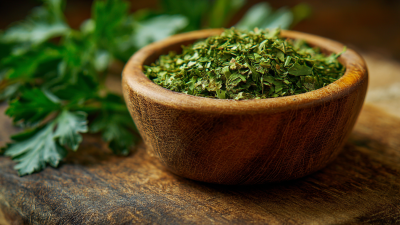
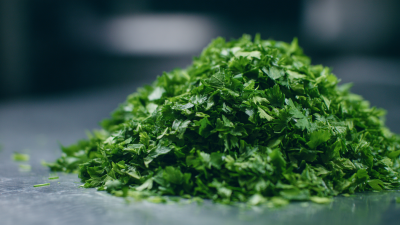
Hey there! If you're not already using Parsley Dry Leaves in your cooking, you're kinda missing out. Tossing this underrated herb into your recipes can really boost both flavor and health perks. It’s packed with nutrients and those lovely aromatic qualities that can lift up a whole bunch of dishes. Plus, it’s loaded with vitamins A, C, and K, along with antioxidants – all great for keeping you feeling your best when you include it regularly.
And honestly, having dried parsley on hand makes life so much easier. It stays good for ages, so it’s super convenient whether you’re a busy home cook or just into staying healthy. You can sprinkle it on salads, stir it into sauces, or use it as a seasoning for meats. Not only does it make your food taste better, but it also offers some pretty impressive health benefits — like fighting inflammation and helping your digestion.
Once you start exploring how to include parsley dry leaves, you'll see how easily it can transform your meals and give your health a little boost, all without much fuss. So go ahead, embrace this versatile ingredient and see what kind of flavor and wellness magic it can bring to your kitchen!
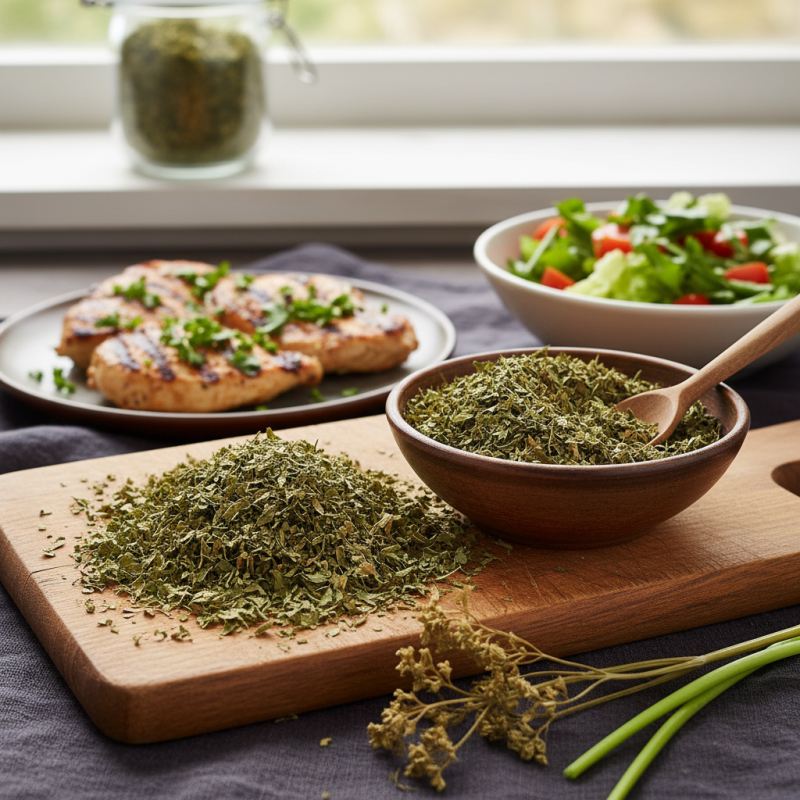
Health Benefits of Dried Parsley Leaves
Dried parsley leaves, often overlooked, are a powerhouse of nutrients that can enhance both health and flavor in your diet. Rich in vitamins A, C, and K, dried parsley serves as a natural antioxidant, helping to protect your body against oxidative stress. These vitamins play crucial roles in boosting the immune system, promoting skin health, and aiding in the absorption of essential nutrients. Additionally, parsley contains iron and potassium, which are vital for maintaining healthy blood circulation and regulating blood pressure.
Beyond its nutritional benefits, dried parsley adds a burst of flavor to a variety of dishes. Its slightly peppery and fresh taste makes it an ideal seasoning for soups, stews, and marinades. Incorporating dried parsley into your meals not only enhances the overall flavor profile but also ensures you reap the health benefits associated with its rich nutrient content. Using dried herbs like parsley is an excellent way to elevate your cooking while simultaneously nourishing your body.
Nutritional Profile of Parsley: What You Need to Know
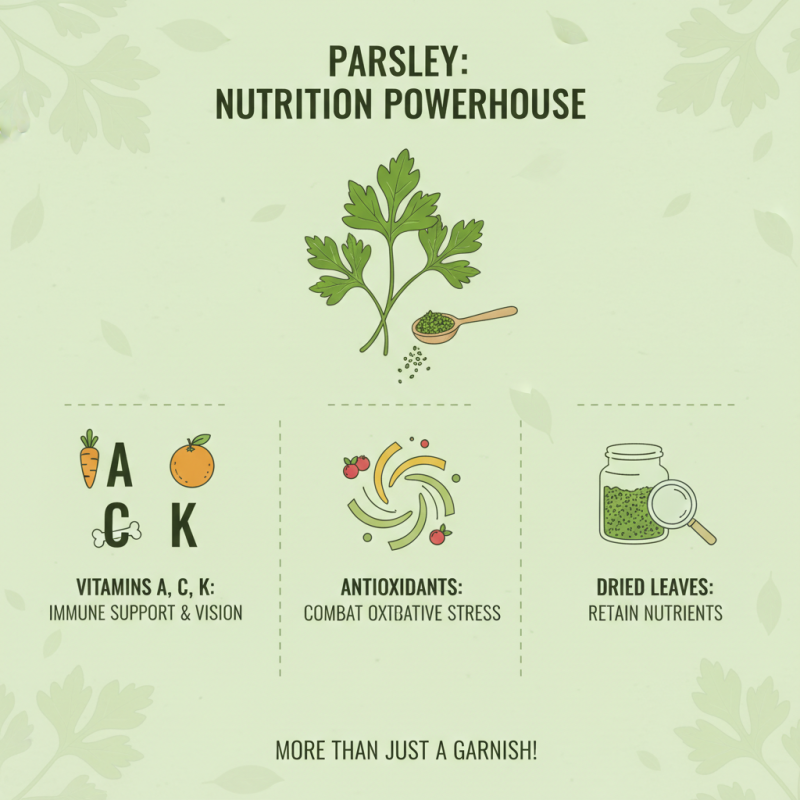
Parsley, often viewed merely as a garnish, is a powerhouse of nutrition that merits a closer look. The dried leaves of parsley retain a significant portion of the plant's vitamins and minerals, making them a valuable addition to any diet. Rich in vitamins A, C, and K, parsley supports immune function and promotes healthy vision. Additionally, the presence of antioxidants helps combat oxidative stress, contributing to overall wellness.
The nutritional profile of dried parsley also includes important minerals such as iron and potassium. Iron is vital for transporting oxygen in the blood, while potassium plays a key role in maintaining proper heart and muscle function. Incorporating dried parsley into dishes not only enhances flavor but also provides these essential nutrients, making it a simple yet effective way to boost the nutritional value of meals. By easily adding this herb to soups, stews, and sauces, individuals can enjoy the myriad health benefits that parsley offers while enriching their culinary experiences.
Antioxidant Properties of Dried Parsley
Dried parsley is more than just a culinary herb; it is a power-packed source of antioxidants that can significantly enhance overall health. Research has shown that parsley contains flavonoids and vitamin C, two essential compounds known for their potent antioxidant effects. According to a study published in the Journal of Agricultural and Food Chemistry, these antioxidants help neutralize harmful free radicals in the body, potentially reducing the risk of chronic diseases such as heart disease and cancer.
In addition to its health benefits, dried parsley can elevate the flavor profile of your dishes. It retains much of the nutritional value and character of fresh parsley, making it an excellent addition to soups, stews, and sauces. For example, incorporating dried parsley into your meals can result in higher antioxidant intake, with studies suggesting that regular consumption of herbs rich in antioxidants can improve metabolic health and boost immunity.
Tips: When using dried parsley, consider pairing it with other antioxidant-rich foods, such as tomatoes or garlic, to maximize health benefits. Always store dried herbs in a cool, dark place to preserve their potency, and opt for organic sources whenever possible to minimize exposure to pesticides. Adding just a teaspoon of dried parsley to your daily meals can significantly enhance both flavor and nutritional intake.
Using Dried Parsley to Enhance Culinary Flavors
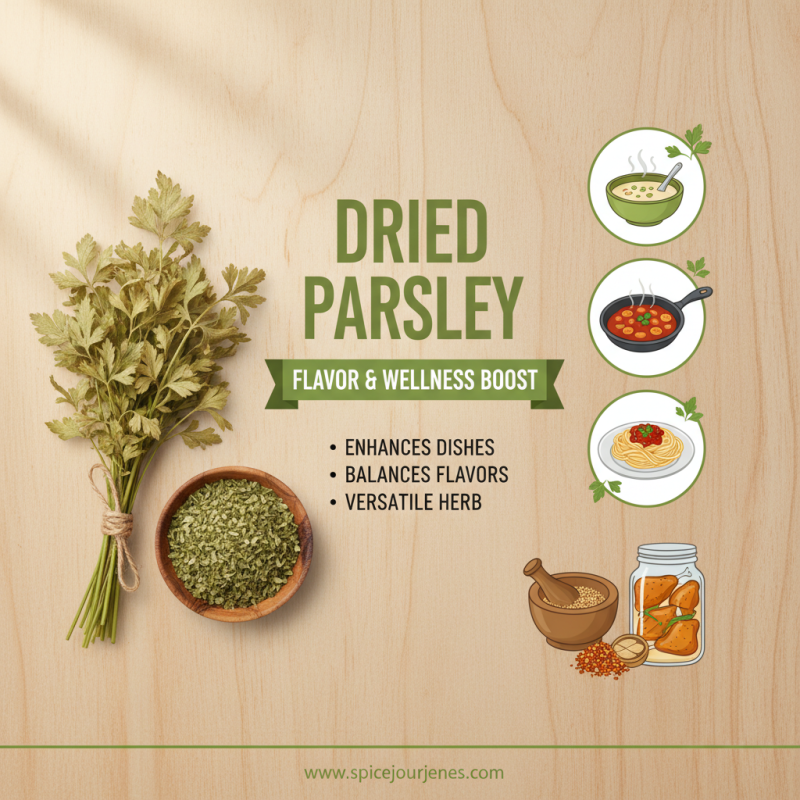
Using dried parsley in your culinary creations can significantly enhance flavors while providing a host of health benefits. This versatile herb has a mild, fresh aroma that complements a wide range of dishes. Whether you sprinkle it over soups, stews, or pasta dishes, dried parsley adds a subtle earthiness that can elevate the overall taste profile. Its ability to absorb and harmonize with other flavors makes it a fantastic choice for spice blends and marinades, allowing the dish’s essence to shine while imparting its own unique character.
Additionally, dried parsley is not just a flavor enhancer; it also brings nutritional benefits to the table. Rich in vitamins A, C, and K, parsley supports overall health, boosting immunity and aiding in digestion. Its dried form retains many of these nutrients, making it an excellent choice for those looking to incorporate healthy ingredients into their meals without sacrificing taste. By using dried parsley, you effortlessly blend nourishment with flavor, making your dishes not only delicious but also nutritious.
Traditional and Medicinal Uses of Parsley
Parsley, a common herb in many kitchens, is not only valued for its culinary applications but also holds a rich history in traditional medicine. Historically, parsley has been utilized in various cultures for its potential health benefits. Ancient Greeks and Romans believed that parsley could purify the blood and aid in digestion. Contemporary research supports some of these traditional claims, highlighting the herb's rich nutrient profile, which includes vitamins A, C, and K, as well as several antioxidants. According to a study published in the Journal of Nutritional Science, consuming parsley can significantly contribute to well-being due to its high levels of flavonoids and essential oils, which are known to possess anti-inflammatory properties.
In addition to its basic health benefits, parsley has been used in folk medicine to treat a variety of ailments, from digestive disorders to urinary tract infections. The high vitamin C content in parsley helps boost the immune system, while its diuretic properties promote kidney health and urinary function. A report from the American Institute for Cancer Research emphasizes the role of cruciferous and green leafy vegetables, including parsley, in reducing cancer risk, further cementing the herb's status as a potent health-enhancing agent. As modern research continues to validate traditional uses, parsley emerges not only as a flavorful addition to dishes but also as a valuable component of a health-conscious diet.
Health and Flavor Benefits of Parsley Dry Leaves
This chart illustrates the various benefits of using dried parsley leaves, showcasing the nutritional values, medicinal uses, and flavor contributions compared to other herbs.
Tips for Incorporating Dried Parsley into Your Diet
Incorporating dried parsley into your diet can provide numerous health benefits and enhance the flavor of your meals. Parsley, rich in vitamins A, C, and K, serves as a powerful antioxidant and anti-inflammatory agent. According to a study published in the Journal of Agricultural and Food Chemistry, the phenolic compounds found in parsley may contribute to heart health and reduce the risk of chronic diseases. By using dried parsley, you can have a concentrated source of these beneficial compounds, making it an excellent addition to your pantry.
When adding dried parsley to your meals, consider integrating it into soups, stews, and sauces, where it can rehydrate and release its flavor. A tip for maximizing its flavor is to add the parsley early in the cooking process, allowing its essence to meld with other ingredients. Additionally, sprinkle dried parsley over roasted vegetables or mix it into marinades to enhance your dishes without adding extra calories. For a quick and nutritious boost, include dried parsley in your salad dressings or yogurt dips—its fresh taste will elevate any meal.
Another great way to incorporate dried parsley is by blending it into smoothies or health shakes. Adding a teaspoon to your preferred mix can enhance the nutritional profile while introducing a subtle herbaceous flavor. Furthermore, it can be used as a garnish, adding both aesthetic appeal and nutritional value. With these simple tips, dried parsley can become a staple in your culinary repertoire, enriching your diet and well-being.
Storage and Preservation of Dried Parsley Leaves
When it comes to preserving dried parsley leaves, proper storage is essential to maintain their flavor and nutritional value.
First and foremost, store dried parsley in an airtight container to protect it from moisture and exposure to air, which can lead to degradation.
Glass jars, vacuum-sealed bags, or high-quality plastic containers can be great options. Ideally, these containers should be kept in a cool, dark place away from direct sunlight and heat sources, as light and warmth can diminish the herb’s potency over time.
For longer-term storage, consider freezing dried parsley leaves. While typically dried herbs are used within a year, freezing can extend their shelf life significantly without loss of flavor.
Place the dried leaves in a sealed freezer bag, expelling as much air as possible before sealing. When you're ready to use them, simply remove the amount you need straight from the freezer without thawing.
This method not only preserves the taste but also allows you to enjoy the flavor and health benefits of parsley in your dishes well beyond the harvest season.
Unleashing the Power of Parsley: Top Benefits and Best Products for Your Kitchen
Parsley, a cherished perennial herb hailing from the Mediterranean, adds a distinctive aroma and mildly spicy flavor to a wide range of dishes, making it a staple in Western cuisine. Its two primary varieties—Curly Parsley and Flat-Leaf Parsley—each bring unique qualities to the table. Curly Parsley, with its tightly curled leaves, is often used as a garnish, enhancing the visual appeal of meals while contributing a mild herbal taste. On the other hand, Flat-Leaf Parsley, recognized for its deeper green color and fresh fragrance, is often preferred in cooking due to its robust flavor, making it a favorite in various recipes.
For those looking to incorporate parsley into their culinary repertoire, several forms are available to suit different needs. Freeze-Dried Parsley stands out as a particularly versatile option, as it retains the nutrients and vibrant color of fresh parsley through advanced freeze-drying technology. This method ensures that the herb maintains its natural taste and nutritional benefits while offering convenience and a longer shelf life. Whether you choose flakes, granules, or powder, each form allows for easy incorporation into soups, sauces, salads, and more, unleashing the full potential of this powerful herb in your kitchen.
FAQS
: Dried parsley is rich in vitamins A, C, and K, as well as essential minerals like iron and potassium, supporting immune function, healthy vision, oxygen transport in the blood, and proper heart and muscle function.
Dried parsley contains flavonoids and vitamin C, which are known for their antioxidant properties that help neutralize harmful free radicals, potentially reducing the risk of chronic diseases such as heart disease and cancer.
Dried parsley can enhance the flavor and nutritional value of various dishes, including soups, stews, and sauces. Adding just a teaspoon can make a significant difference in both taste and health benefits.
Pair dried parsley with other antioxidant-rich foods, such as tomatoes or garlic, to boost health benefits. Additionally, storing it properly can help maintain its potency.
Store dried parsley in an airtight container in a cool, dark place, away from direct sunlight and heat sources. This helps preserve its flavor and nutritional value.
Yes, you can freeze dried parsley to extend its shelf life. Place it in a sealed freezer bag, expelling air before sealing, and use it directly from the freezer without thawing when needed.
Regularly incorporating dried parsley into your meals, even just a teaspoon daily, can significantly enhance both nutritional intake and flavor.
If not stored properly, dried parsley can lose its flavor and nutritional potency due to exposure to moisture, air, light, and heat, leading to faster degradation.
Avoid storing dried parsley in warm, bright places or in non-airtight containers, as these conditions can diminish its flavor and nutritional value over time.
While fresh parsley is nutritious, dried parsley retains significant vitamins and minerals and can be a convenient way to boost your antioxidant intake in various cooked dishes.
Conclusion
Parsley dry leaves offer numerous health and flavor benefits, making them a valuable addition to any diet. Rich in essential nutrients such as vitamins A, C, and K, these dried herbs support overall health, particularly through their antioxidant properties. Incorporating parsley dry leaves into meals not only enhances the culinary flavors but also provides traditional and medicinal benefits recognized for centuries.
To maximize their advantages, individuals can follow practical tips for including dried parsley in various recipes, from soups to salads. Furthermore, proper storage and preservation methods ensure that these dried leaves maintain their potency and flavor over time. Embracing parsley dry leaves in daily cooking can lead to a healthier diet while boosting the taste of your favorite dishes.