Parsley dry leaves are pretty handy to have in the kitchen. They pack a unique flavor that can really elevate a bunch of your dishes. For example, tossing a little into soups or stews can give them that extra kick of flavor. The drying process actually locks in the essence of parsley, so you can enjoy it all year round without any fuss.
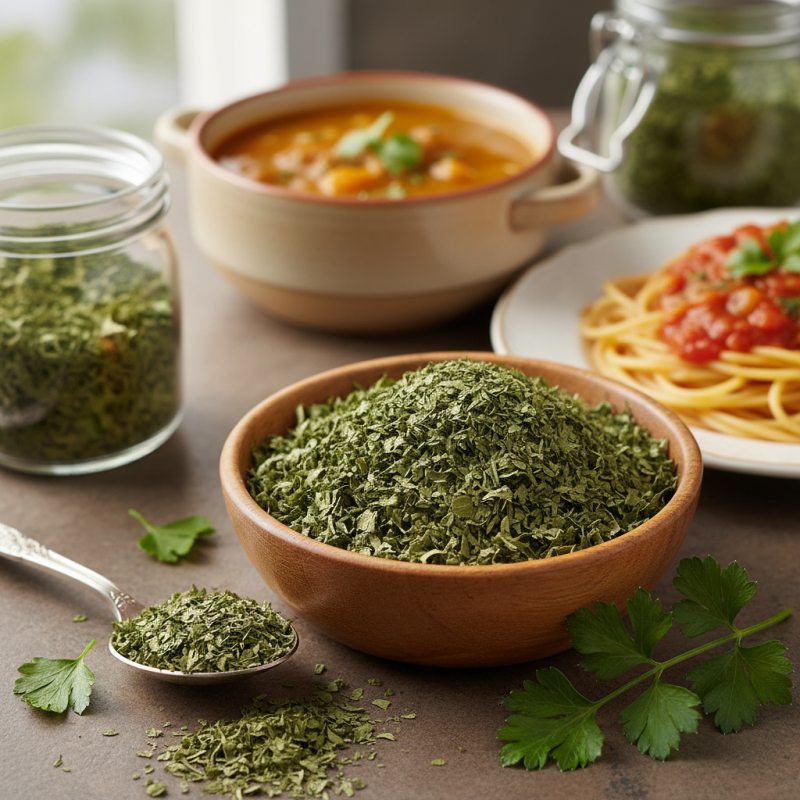
You'll find parsley dry leaves popping up in lots of different culinary traditions too. Italy, for instance, often uses them to add a hearty taste to pasta dishes. In Middle Eastern cooking, they work wonders in salads and rice dishes. But, honestly, not everyone gets it just right. Sometimes, the seasoning can be a bit off, and it ends up overpowering everything else.
Trying out parsley dry leaves can be pretty rewarding—though, a little goes a long way. If you add too much, it might steal the spotlight from the other ingredients, but when used thoughtfully, it can add a nice layer of flavor and depth. So don’t be afraid to experiment and see how this simple herb can totally transform your meals. Finding that perfect balance? Well, it takes a bit of patience and some practice, but totally worth it.
What Are Parsley Dry Leaves?
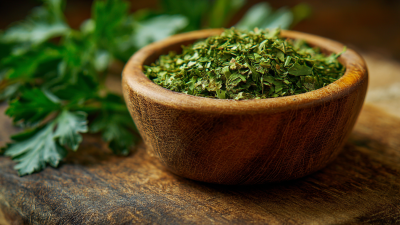
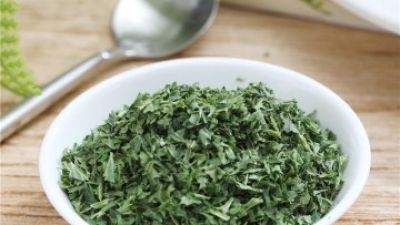
Parsley Dry Leaves are a common herb used in various cuisines. They are made from fresh parsley that has been thoroughly dehydrated. This process retains much of the herb's flavor and aroma, although it can lose some of its vibrant green color. Studies show that dried herbs can still offer health benefits. For instance, parsley is rich in vitamins A, C, and K, as well as essential antioxidants.
In culinary applications, parsley dry leaves can be sprinkled in soups, stews, or salad dressings. According to a report by the USDA, dried parsley retains about 25% of its fresh counterpart's potency. However, some chefs argue that the flavor is not as robust as fresh parsley. A common guideline is to use one-third the amount of dried herbs compared to fresh ones. Still, experimenting with the quantity can yield different taste profiles.
It is essential to store parsley dry leaves correctly. Airtight containers in a cool, dark area extend their shelf life. Some users notice that over time, the flavor diminishes. Regularly checking the quality is crucial. Moreover, it's worth noting that not everyone enjoys the taste of dried parsley. Some find it lacks the freshness that enhances a dish. This feedback suggests a need for more careful consideration when substituting it for fresh herbs.
Nutritional Benefits of Dry Parsley Leaves
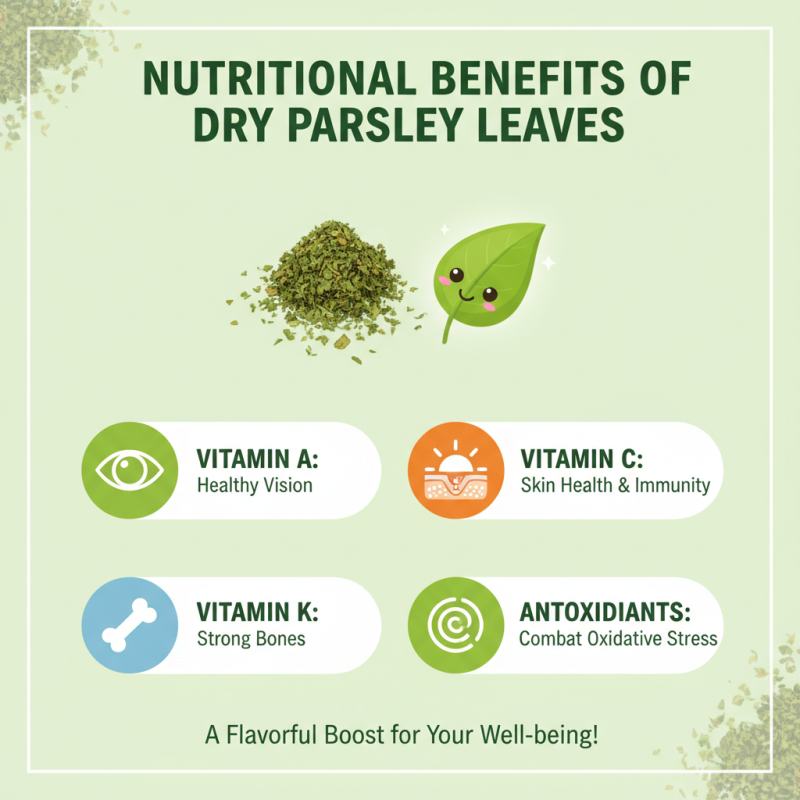
Parsley dry leaves offer a flavorful addition to various dishes. Beyond their culinary uses, these leaves also pack a nutritional punch. They are rich in vitamins A, C, and K, which are crucial for maintaining healthy vision, skin, and bones. Moreover, Parsley Leaves Dry provide a good source of antioxidants that may help combat oxidative stress in the body.
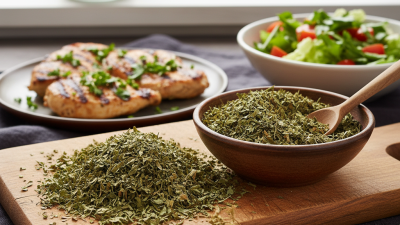
Incorporating dry parsley leaves into your diet can be simple. Sprinkle them into soups and stews for an aromatic boost. They also work well as a seasoning for roasted vegetables or grilled meats. However, you might find that using too much can overpower subtle flavors. Experiment with different amounts to find your perfect balance.
The health benefits of dry parsley leaves extend to digestion as well. They can aid in reducing bloating and improving gut health. Some people have reported feeling better when they include herbs like these in their meals. Yet, not everyone enjoys the taste. It's important to reflect on your culinary preferences when using Parsley Leaves Dry. Everyone's palate is different, which is part of the adventure in cooking!
Common Culinary Uses of Dried Parsley
Dried parsley is a versatile herb in many kitchens. Its vibrant green color and distinctive aroma make it a favorite among cooks. According to industry reports, approximately 80% of chefs use dried herbs, with parsley often topping the list. This herb enhances flavors without overpowering them.
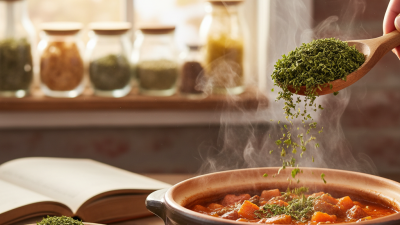
Culinary uses of dried parsley are numerous. It blends well in soups, stews, and sauces. For example, adding just a tablespoon of dried parsley can uplift a simple chicken broth. It's also a key ingredient in herbed butter and salad dressings. Research shows that using dried herbs like parsley can retain essential oils over time, which contributes to flavor retention.
Many chefs recommend using dried parsley in dishes where a fresh herb would be overwhelmed. However, dried parsley's flavor is milder than fresh. This may cause some to rethink its usage in certain recipes. Consider adjusting the amount used based on taste preferences. While dried parsley is a staple, exploring fresh options is also valuable.
How to Store Dried Parsley for Optimal Freshness
Storing dried parsley properly is essential for maintaining its flavor. Research shows that herbs can lose potency quickly. The Journal of Culinary Science reports that dried herbs can retain only 50% of their aroma after six months if not stored correctly.
Choose an airtight container to keep moisture out. Glass jars are a popular choice. Metal or plastic containers can alter the flavor. Store your parsley in a cool, dark place. Heat and light can degrade the essential oils. Avoid placing the container near the stove or windows.
Check the parsley periodically. If you notice any discoloration, it's time to discard it. Dried parsley can sometimes clump together. This isn’t always a sign of spoilage, but it means air has entered. sift through it gently to break up any clumps. Remember to keep a small amount of fresh parsley in your kitchen; it can add a burst of flavor to dishes.
Tips for Incorporating Dried Parsley into Recipes
Dried parsley offers a versatile ingredient for various dishes. It adds flavor without overwhelming the palate. This herb works well in many classic recipes. Incorporating it can elevate your cooking.
Tips for incorporating dried parsley:
1. Sprinkle it in soups and stews. It enhances the broth. Add it early in the cooking process to release its flavors.
2. Use it as a seasoning for roasted vegetables. Mix it with olive oil, salt, and pepper. The result? A delightful side dish.
3. Mix dried parsley into marinades. It pairs wonderfully with lemon and garlic. Let the meat soak for a few hours for a robust taste.
Dried parsley is easy to use, but there's a catch. It may lose some color and intensity over time. Check the scent before adding it to your recipe. If it’s too subtle, consider adjusting the quantity. A little experimentation goes a long way. Enjoy the journey of flavor discovery with this simple herb.
Comparing Dried Parsley to Fresh Parsley
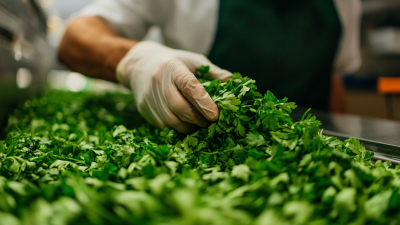
Dried Parsley Leaves are a common kitchen staple. They provide convenience and longevity, making them ideal for busy cooks. When comparing dried parsley to fresh parsley, several key differences emerge. Fresh parsley contains more moisture. This moisture gives fresh parsley a vibrant flavor. In contrast, dried parsley leaves lose some essential oils during the drying process, often resulting in a milder taste.
A study from the Journal of Food Science indicates that dried herbs, including parsley, can retain many nutrients. However, some volatile compounds diminish. For instance, dried parsley contains a significant amount of vitamins A, C, and K, but these levels are often lower compared to fresh parsley. It's essential to consider that dried parsley leaves can be an excellent way to add flavor with less hassle. It’s versatile and can be used in soups, stews, and marinades.
Yet, it's worth reflecting on how we use these herbs. Some people may sprinkle dried parsley without considering its potency. Dried parsley leaves can taste different in varying dishes. Therefore, understanding how to balance flavors is crucial. A pinch may not suffice in specific recipes, sometimes leading to bland outcomes. It’s essential to explore the right measurements based on your dish to enjoy the best taste experience.
Potential Health Benefits and Considerations of Dried Parsley
Dried parsley leaves are a versatile herb with several potential health benefits. They are packed with vitamins A, C, and K. These nutrients support immune health and bone strength. The antioxidants in dried parsley can help combat oxidative stress. However, moderation is key. Excessive consumption might lead to digestive discomfort for some individuals.
When using dried parsley, there are some practical tips to maximize its benefits. Add a teaspoon of dried parsley to soups or stews. This enhances flavor and increases nutrient content. For a fresh twist, sprinkle it over salads for added freshness. Be cautious; too much might overpower the dish.
It's essential to consider the drying process, as proper Drying Parsley Leaves can retain most of their nutrients. Store them in a cool, dark place. This prevents the loss of flavor and potency. Reflect on the balance of flavors in your meals. Using dried parsley should complement, not overwhelm the taste.
What is Parsley Dry Leaves and How to Use Them? - Potential Health Benefits and Considerations of Dried Parsley
| Health Benefits |
Nutritional Content (per 100g) |
How to Use |
Considerations |
| Rich in Antioxidants |
Calories: 270, Protein: 22g, Fat: 5g, Carbs: 51g, Fiber: 24g |
Use in soups, stews, salads, and as a seasoning in various dishes. |
May cause allergic reactions in some individuals; use in moderation. |
| Supports Digestive Health |
Vitamins: A, C, K; Calcium: 138mg; Iron: 6.2mg |
Sprinkle on pasta or use as a garnish for added flavor and nutrition. |
Excessive consumption may lead to digestive discomfort. |
| Anti-Inflammatory Properties |
Magnesium: 51mg; Potassium: 1024mg; Folate: 152µg |
Blend into smoothies or herbal teas for added benefits. |
Consult with a healthcare professional if pregnant or nursing. |
| Rich in Vitamins and Minerals |
Vitamin K: 1640µg; Vitamin C: 133mg; Vitamin E: 0.6mg |
Can be used in seasoning blends or as a flavor enhancer for meats. |
Dried parsley may lose some nutritional value compared to fresh. |
Exploring the Versatility and Benefits of Parsley: From Culinary Uses to Health Advantages
Parsley, a beloved perennial herb native to the Mediterranean, serves not just as a culinary staple but also as a powerhouse of health benefits. Its distinct aroma and mild, peppery flavor make it an essential ingredient in Western cuisine, enhancing dishes from salads to soups. Available in various forms such as flakes, granules, and powder, parsley can be easily integrated into a diverse array of recipes, offering chefs and home cooks alike the flexibility to elevate their culinary creations.
Among the different varieties, Curly Parsley is often favored for its attractive appearance, perfect for garnishing and adding visual appeal to plates. In contrast, Flat-Leaf Parsley, with its robust flavor and darker green hue, is commonly used for its aromatic properties and ability to enhance the taste of numerous dishes. For those seeking prolonged freshness and convenience, Freeze-Dried Parsley is an excellent option. This innovative preservation method locks in the herb’s vital nutrients, vibrant color, and authentic taste, rendering it a versatile ingredient that maintains its health advantages while providing the richness of fresh parsley. Whether used in cooking or as a nutritional supplement, parsley continues to prove its worth in both kitchens and health regimens.
FAQS
: Dried parsley leaves are rich in vitamins A, C, and K. They support vision, skin health, and bones.
Sprinkle it into soups and stews for flavor. It also works well with roasted vegetables.
Yes, it may help reduce bloating and improve gut health. Some people report feeling better with herbs in meals.
Too much can overpower flavors. It’s important to experiment with quantities for the best taste.
Keep it in a cool, dark place. This helps maintain its flavor and nutritional potency over time.
Yes, it can lose color and intensity. Always check the scent before use to ensure freshness.
Absolutely. Excessive consumption might cause digestive discomfort for some individuals. Balance is key.
Mix it with olive oil, salt, and pepper for roasted vegetables. It adds depth without overpowering.
Yes. If it smells subtle, consider using more. Adjusting helps achieve the right flavor balance.
No, taste varies. Reflect on personal preferences when using it in your cooking adventures.
Conclusion
Parsley Dry Leaves are the dehydrated version of fresh parsley, retaining much of their flavor and nutritional benefits. These dry leaves are rich in vitamins A, C, and K, as well as antioxidants that can contribute to overall health. Common culinary uses of dried parsley include seasoning soups, stews, and sauces, making it a versatile ingredient in many dishes.
To ensure optimal freshness, it’s important to store dried parsley in a cool, dark place in an airtight container. When incorporating Parsley Dry Leaves into recipes, it's advisable to use them in moderation, as their concentrated flavor can overpower other ingredients. Comparing dried parsley to fresh parsley, the former offers convenience and a longer shelf life, though fresh parsley provides a brighter taste and texture. Overall, dried parsley can enhance meals while offering potential health benefits when consumed as part of a balanced diet.