Paprika's become pretty much a go-to spice all over the world. Its bright color and bold flavor really jazz up a whole bunch of dishes. So, in this guide, I wanna help traders from around the globe get a grip on the different options out there in the paprika market. Trust me, knowing the ins and outs of the variegated varieties is key to doing well.
A lot of folks tend to overlook just how important quality really is. Honestly, sourcing from a reputable Dehydrated Paprika Manufacturer can make all the difference. The quality of the paprika impacts not just the taste but also how long it stays fresh on the shelf. When you go with trusted suppliers, you get consistency—something that's super crucial if you're buying in bulk. Now, I get it—some vendors might tempt you with lower prices, but more often than not, that’s at the expense of quality.
Like any market, dealing with paprika has its tricky bits. Understanding the details of sourcing can actually save you a lot of trouble—time, money, you name it. Things like where it’s grown and how it’s processed really matter and can seriously change what you’re getting in the end. If you make smarter, more informed choices, your trading game’s surely going to be a lot stronger and more successful.
Understanding Paprika: Types and Varieties Available Globally
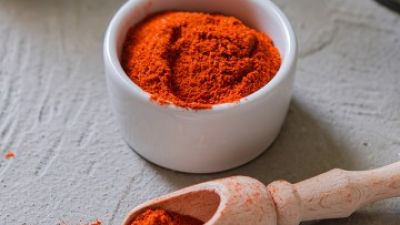
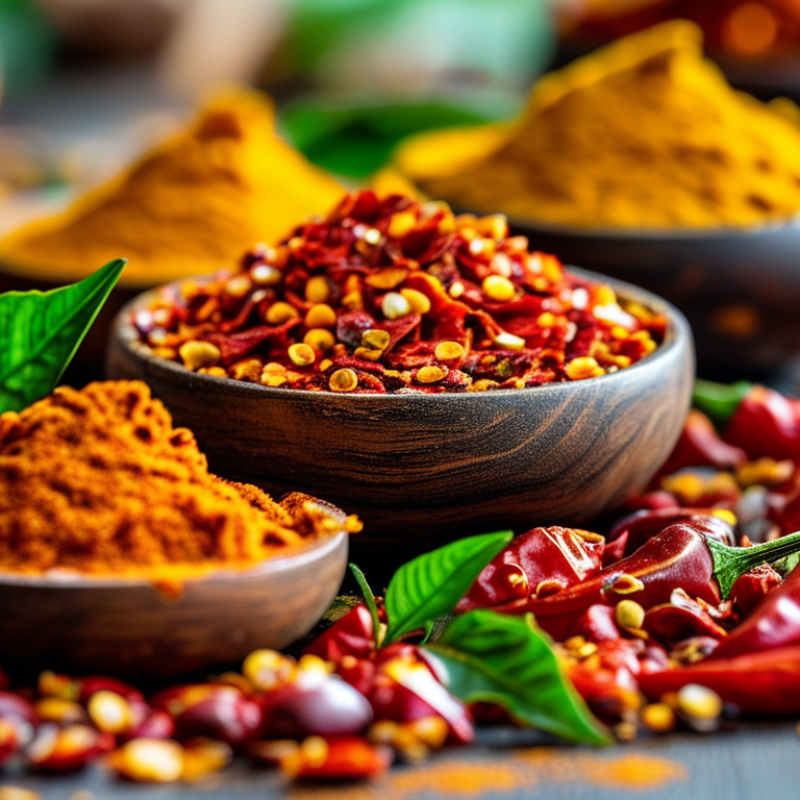
Paprika is a vibrant spice used globally, known for its rich color and flavor. Its diverse types are essential for culinary enthusiasts. The most common varieties include sweet, smoked, and hot paprika. Each type brings unique characteristics to dishes. Sweet paprika is mild and adds a subtle sweetness. Smoked paprika offers a deep, smoky flavor that enhances meat and vegetable dishes. Hot paprika, on the other hand, provides heat and intensity.
Regional differences contribute to paprika's broad spectrum. For instance, Hungarian paprika is renowned for its quality and distinct sweetness. Spanish paprika, or pimentón, showcases varying levels of smokiness. The key is sourcing from reputable growers who prioritize quality. Understanding the characteristics of each type is vital for traders. Buyers should seek paprika with vibrant color and a fresh aroma, as these factors indicate quality.
Navigating the paprika market can be challenging. Look for certifications to ensure quality. Engaging with producers directly can enhance relationships and lead to better purchasing decisions. However, not every supplier meets these expectations, so due diligence is critical. Misjudging the quality could result in culinary failures, making careful selection essential. Balancing quality and cost is often a reflection of experience in flavor sourcing.
Key Quality Indicators for Selecting High-Grade Paprika
When selecting high-grade paprika, key quality indicators come into play. Color is essential; vibrant reds indicate higher levels of carotenoids, which are vital for both flavor and health benefits. According to a report by the International Paprika Association, premium paprika should have a deep red hue with minimal brownish tones. This color reflects the spice's cultivation and drying conditions.
Flavor profile matters significantly as well. High-quality paprika offers a balanced sweetness with a slight earthiness. A study from the Food Quality and Preference journal shows that consumers frequently rate the taste of paprika based on its origin, environmental factors, and processing methods. Traders should ensure the paprika they source has been properly dried to maintain its distinct flavor features.
Texture is another important aspect. Fine, smooth powders are often linked to superior quality. Coarse or gritty textures can indicate improper processing. Additionally, moisture content plays a crucial role. High moisture levels can lead to spoilage. Industry standards recommend that quality paprika should have less than 12% moisture for optimal preservation. Investing in paprika that meets these indicators can enhance culinary experiences and ensure satisfaction among consumers.
Top Paprika Producing Countries: A Global Overview
Paprika, a vibrant spice, is integral to many cuisines. Understanding the top paprika-producing countries is essential for buyers. Hungary, known for its sweet and spicy varieties, stands out. Their unique climate and soil contribute to the rich flavors. The quality is often tied to the meticulous drying process, which enhances color and taste.
Spain is another major player in paprika production. Spanish paprika, often referred to as "pimentón," offers a distinct smokiness. It's widely used in traditional dishes, such as paella. Farmers promote sustainability, but not all practices ensure the best flavor. Variations in harvesting techniques can impact quality significantly.
In the United States, paprika production is growing, particularly in California. However, their approach lacks the deep-rooted traditions seen elsewhere. The focus on quantity sometimes overshadows quality. Traders must navigate these aspects carefully. Cultivating relationships with trusted suppliers is vital for sourcing the best paprika. Being informed and discerning can make all the difference.
Market Trends: Global Demand and Supply of Paprika in Recent Years
The global demand for paprika has seen significant growth in recent years, driven by increasing interest in natural seasonings. According to a recent market report, the paprika market is expected to reach USD 1.5 billion by 2026, reflecting a compound annual growth rate of 4.2%. This growth largely stems from consumer preference for healthier options and the rise of culinary experimentation.
Key exporters like Hungary and Spain dominate the market, but emerging producers are gaining traction. Countries in South America, particularly Peru, are expanding their paprika cultivation. This diversification presents potential challenges, including quality standardization. With varying agricultural practices, the reliability of supply can fluctuate considerably.
While demand surges, suppliers must navigate complexities in sourcing. Some regions face climate adversities that impact yield. A report from the Spices Board suggests that consistency in quality is vital for traders. As paprika's popularity continues, global traders need to adapt to these shifting dynamics, ensuring both quality and supply meet evolving market needs.
Pricing Factors: What Influences Paprika Costs in the Global Market
Pricing factors for paprika vary greatly around the globe. Quality, origin, and processing methods play crucial roles. Higher quality paprika usually costs more. It may come from specific regions known for their unique flavors.
The demand for organic and non-GMO products influences pricing as well. As more consumers seek healthy options, these varieties gain popularity. Prices can surge due to limited supply in organic farms. Seasonal variations also impact availability. Crop yields fluctuate due to weather conditions, affecting the market.
Trade tariffs and shipping costs further complicate paprika pricing. These expenses can vary significantly depending on the exporting country. Global political climate changes can introduce uncertainties, increasing costs. Thus, understanding these elements is key for traders and buyers alike. The complexities of paprika pricing require careful consideration and ongoing market research.
Storage and Handling: Best Practices for Preserving Paprika Quality
When it comes to paprika, proper storage and handling are essential for maintaining its vibrant color and rich flavor. The quality of paprika can degrade when exposed to moisture, light, or air. It should be stored in an airtight container, ideally made of glass. This minimizes exposure to harmful elements. A cool, dark place is the best environment for preserving paprika.
It is important to check paprika periodically. Sniff it to ensure it retains its aroma. If the fragrance is weak, it may have lost its potency. Old paprika can add a lackluster taste to dishes. Ensuring a good rotation system can help manage stock. Keeping track of your paprika’s shelf life is crucial. Ideally, aim to use paprika within six months to a year of purchase for the best flavor.
Handling paprika with care can also make a difference. Avoiding cross-contamination is vital. Use clean utensils every time you scoop out paprika. This ensures that no moisture or contaminants enter the container. While these tips can enhance quality, individual storage conditions will vary. Different climates affect how spices retain their freshness. It's worth considering these variables when handling paprika.
Sourcing and Certification: Ethical Considerations for Global Traders
When sourcing paprika, ethical considerations are vital for global traders. Understanding the origin of the spice is crucial. Sustainable farming practices ensure that the environments remain healthy. Farmers should be compensated fairly for their labor. This establishes trust in supply chains, promoting quality.
Certifications play a key role in ethical sourcing. Look for organic or fair trade certifications. These labels often guarantee adherence to specific standards. However, not all certifications are equal. Some may have loose regulations, which can mislead traders. Transparency is fundamental in this process.
Many traders overlook the impact of their choices. Lower prices can sometimes come with hidden costs, such as exploitation. Ethical sourcing promotes not just quality products, but also sustainable communities. It requires ongoing commitment and reflection. Building relationships with suppliers can lead to better practices. This is a path worth exploring.
Exploring the Versatile Uses and Health Benefits of Paprika in Culinary Traditions
Paprika, derived from dried and ground red peppers (Capsicum annuum), is a dynamic spice that plays a pivotal role in global culinary traditions. Available in various forms—sweet, smoked, and hot—paprika not only enhances the flavor of dishes but also adds a vibrant splash of color to meals. Its versatility is evident in its use across an array of cuisines, from the hearty Hungarian goulash to the spicy Spanish chorizo and the complex flavors of Indian curries. Each type of paprika brings a unique profile, be it the mild sweetness of sweet paprika, the depth of flavor from smoked varieties, or the fiery kick from hot paprika.
Beyond its aesthetic and flavor contributions, paprika is celebrated for its health benefits. Packed with antioxidants and vitamins, this spice can contribute to improved digestion and even promote heart health. Its bright color is indicative of its high beta-carotene content, an important nutrient for overall well-being. Incorporating paprika into a varied diet not only enhances culinary creations but also supports a healthier lifestyle, making it an invaluable spice for both cooks and health-conscious individuals alike. Whether sprinkled over roasted vegetables, stirred into a hearty soup, or used as part of a seasoning blend for meats, the potential uses of paprika are as rich as its history in culinary traditions around the world.
FAQS
: Increasing interest in natural seasonings and healthier options are driving growth. Culinary experimentation also plays a role.
The paprika market is expected to reach USD 1.5 billion by 2026. This reflects a growth rate of 4.2%.
Hungary and Spain are dominant exporters. Emerging producers in South America, like Peru, are also gaining traction.
Proper storage maintains paprika's color and flavor. Moisture, light, and air can degrade its quality significantly.
Store paprika in an airtight glass container in a cool, dark place. This minimizes its exposure to harmful elements.
Sniff paprika to check its aroma. A weak fragrance may indicate loss of potency and quality.
Ethical sourcing promotes fair compensation for farmers. It ensures healthy environments and establishes trust in supply chains.
Certifications indicate adherence to farm standards. However, not all certifications are reliable or equal in quality.
Traders should reflect on their choices. Lower prices can mean exploitation and lower quality products.
Implementing a good rotation system helps manage stock. Track paprika’s shelf life to ensure best flavor.
Conclusion
This article provides a comprehensive guide for global traders looking to buy the best quality paprika. It begins with an exploration of the various types and varieties of paprika available worldwide, highlighting the distinct characteristics that each brings to culinary applications. Key quality indicators, such as color, aroma, and flavor intensity, are discussed to help traders select high-grade paprika.
Additionally, the article offers an overview of the top paprika-producing countries and examines recent market trends, focusing on global demand and supply dynamics. Factors influencing paprika pricing are also analyzed, alongside best practices for storage and handling to maintain product quality. Finally, ethical considerations regarding sourcing and certification are emphasized, ensuring that traders are aware of the importance of responsible practices in the paprika industry.