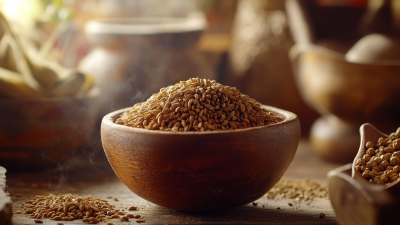
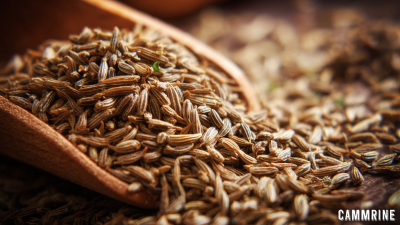
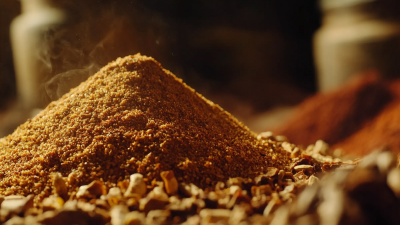
You know, cumin seeds are such a staple in kitchens around the world, and lately, they’ve been making a big comeback. People are really starting to appreciate their unique flavor and the health perks they offer. I was reading a recent report from Mordor Intelligence, and it turns out that the global cumin seed market is expected to grow at about 4.5% annually between 2021 and 2026. That just shows how folks are becoming more interested in ethnic cuisines and recognizing just how versatile and nutritious cumin can be. At Shanghai Shundi Food Co., Ltd., we're passionate about finding new ways to bring out the best in cumin seeds and make cooking even more exciting. We don’t just want to boost flavors; we also hope to help people understand how this incredible spice can be used in all sorts of dishes and even improve health. With cumin on our side, we’re hoping to inspire both professional chefs and home cooks to whip up unforgettable meals and experiences.
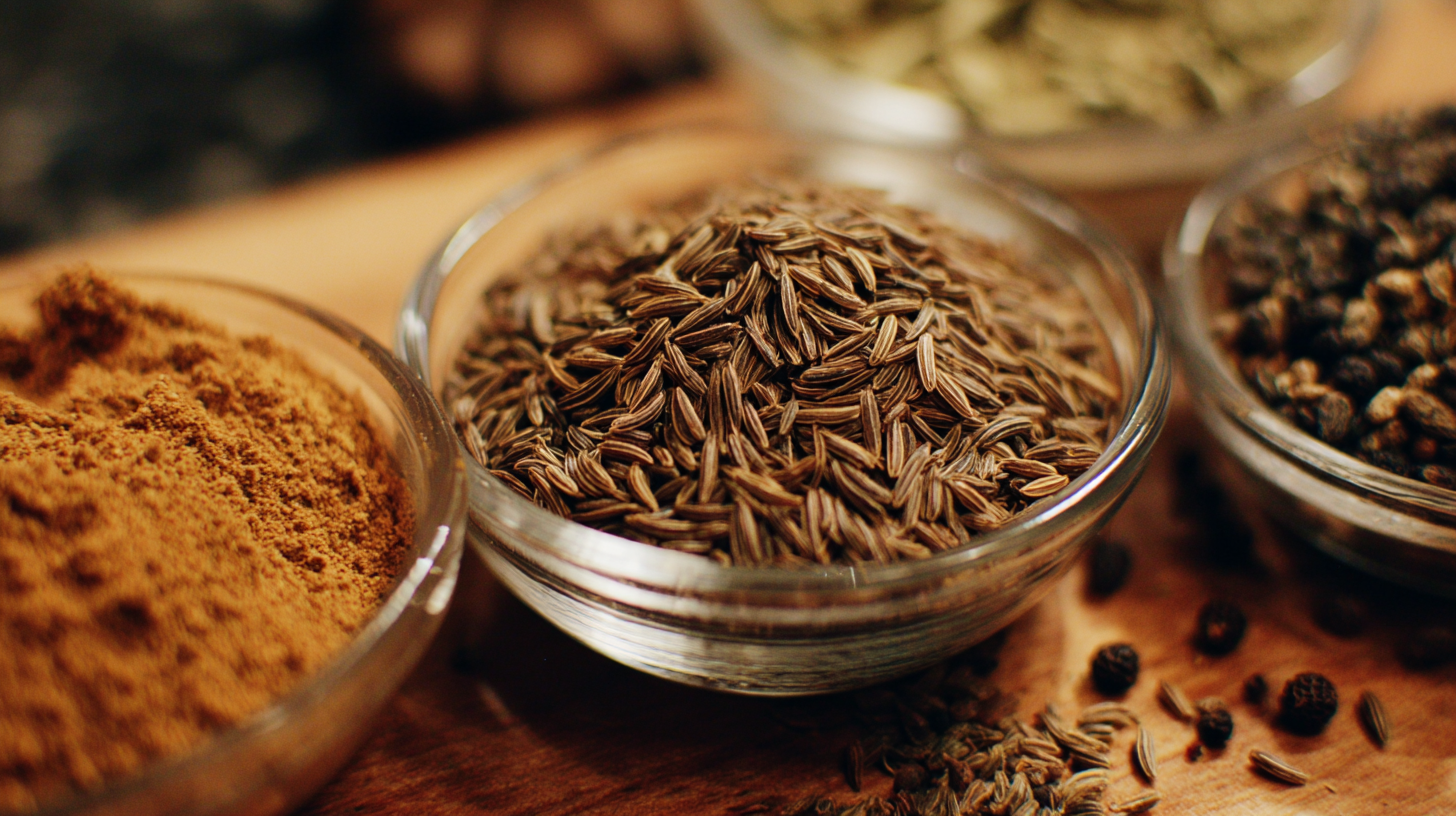
Exploring the Nutritional Benefits of Cumin Seeds in Modern Cuisine
You know, cumin seeds are pretty much a staple in loads of cuisines around the world. They're loved not just for that warm, distinctive flavor but also because they're packed with good stuff. I read somewhere from the Nutritional Science Institute that those tiny seeds are loaded with minerals like iron, magnesium, and manganese. Fun fact: just a tablespoon of ground cumin can give you about 22% of your daily iron needs—that’s pretty impressive, especially since iron is so important for keeping your red blood cells healthy and keeping your energy up. Plus, cumin’s high in antioxidants, which help fight off oxidative stress and give your immune system a little boost.
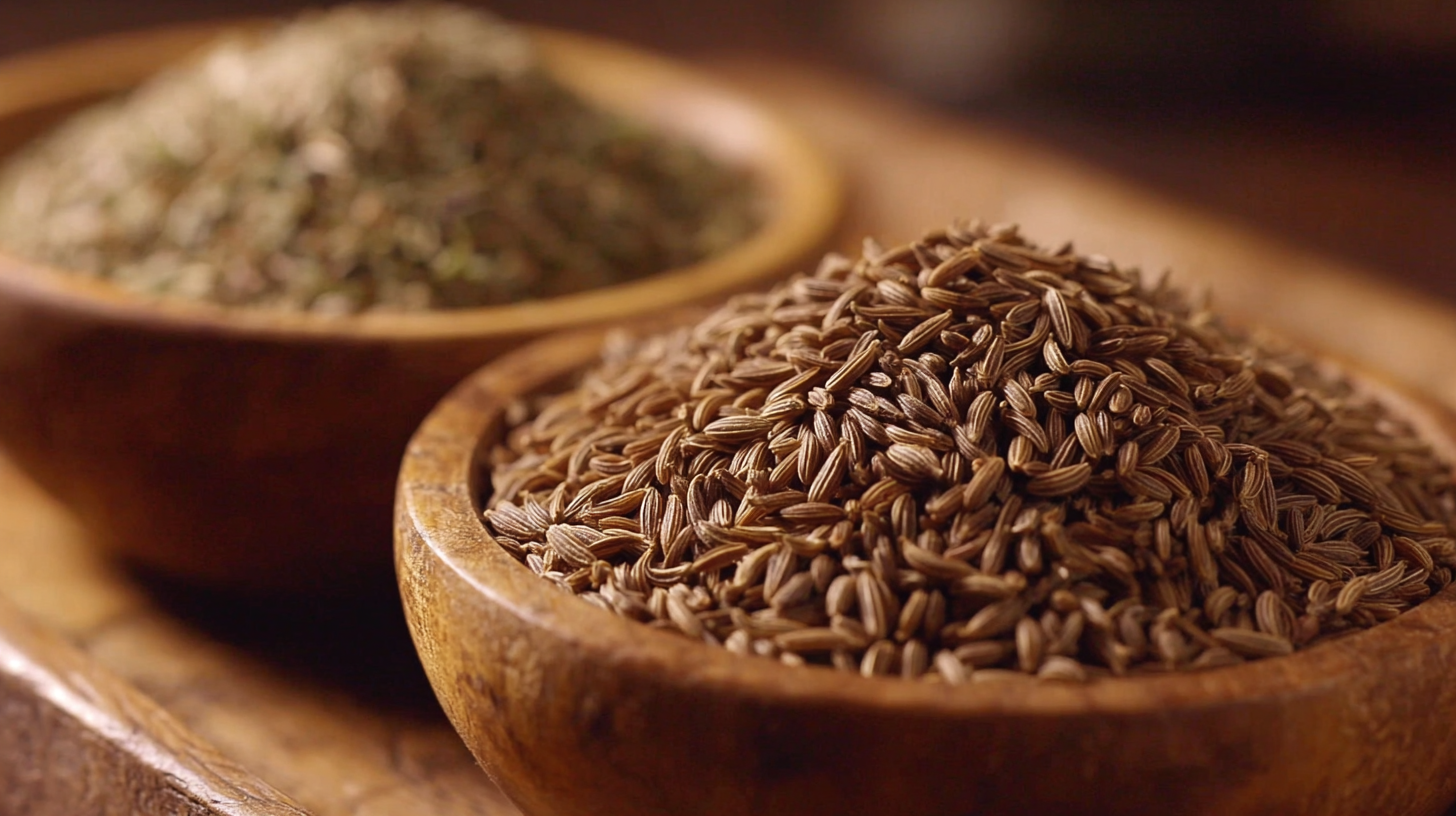
But here’s the interesting part—research isn’t just singing its culinary praises. Studies have shown that cumin can actually help with digestion and support a happy gut, thanks to its carminative properties—that’s a fancy word for helping pass things smoothly. And if you're watching your blood sugar levels, good news! There’s evidence that regularly adding cumin to your meals might actually help regulate sugar, making it a great addition for folks dealing with diabetes. All in all, sprinkling cumin into your cooking does more than just add flavor — it’s a tiny step toward healthier eating without sacrificing on taste.
Creative Uses of Cumin Seeds: Recipes that Transform Traditional Dishes
You know, cumin seeds—those tiny little wonders—are pretty celebrated for their earthy aroma and rich flavor. Lately, they've been popping up more and more in all kinds of cooking. I read somewhere (like in the International Journal of Gastronomy and Food Science) that spice usage, especially cumin, has gone up by over 20% in the past five years! Seems like both home cooks and professional chefs are trying to spice things up and make their meals more interesting. And honestly, cumin isn’t just for classic curries anymore; it can really transform a whole bunch of dishes—from roasted veggies to baked goodies—giving them that special, unique taste.
One fun idea I tried recently was adding toasted cumin seeds to salads. It adds this lovely nutty flavor and really perks up the greens. Toss in some citrus or avocado, and it’s almost like a flavor explosion. Another cool trick is making a cumin-spiced yogurt dressing. Just mix some yogurt, a splash of lemon juice, toasted ground cumin, and a tiny bit of honey. It’s perfect for jazzing up your salads and making them way more exciting.
**A little tip**: Before you use cumin seeds, give them a quick toast in a dry pan. This really helps bring out their oils and boosts their flavor—trust me, it makes a big difference. Also, don’t be shy about trying cumin in unexpected places. Sprinkle it on popcorn for a savory twist or add a pinch to your breakfast smoothie—it’s a simple way to give your day a flavorful boost.
Cumin Seed Pairings: Enhancing Flavor Profiles Through Combinations
Cumin seeds, with their warm and earthy flavor, have been a staple in kitchens all around the world for forever. Did you know that the global spice market is expected to hit around $17 billion by 2025? A lot of that growth is thanks to how popular cumin’s become in so many different cuisines. It’s super versatile, too—goes really well with a bunch of ingredients and can totally elevate a dish by adding a unique depth of flavor. For example, when you combine cumin with coriander, its nutty notes really come alive, creating this beautiful, harmonious blend that’s the backbone of many Middle Eastern and Indian recipes.
And it doesn’t stop there—cumin is a fantastic match for legumes, like lentils. According to a recent report from the International Journal of Culinary Trends, adding cumin not only boosts the flavor but also ups the health benefits. It helps with protein absorption and improves digestion thanks to its carminative properties. Plus, when you mix cumin with citrus like lime or lemon, boom—you get an explosion of flavor that can turn simple dressings or marinades into something truly special. All these combos show just how powerful the right pairings can be in the kitchen. Honestly, cumin should seriously be a staple in every cook’s pantry—it’s like a flavor secret waiting to be unlocked.
Innovative Cooking Techniques: Infusing Cumin into Everyday Meals
Cumin seeds, with their warm, earthy flavor, really have the power to turn simple dishes into something special. One cool trick I love is to toast them a little before adding them in. Just toss whole cumin seeds into a dry skillet and give them a few minutes—you’ll notice their oils start to release, making their aroma and flavor way more intense. After that, I usually grind them up into a powder, and voilà! You can sprinkle this onto veggies, soups, or even marinades to give your dish some serious depth and flavor boost.
And here’s another fun idea—use cumin in your sauces or salad dressings. Toasted cumin mixed into homemade vinaigrettes or creamy yogurt-based sauces can add a little something special that works great with salads, grilled meats, or roasted veggies. Plus, it pairs really nicely with citrus, so don’t shy away from tossing a little ground cumin into your citrus dressings for that bright, vibrant kick. Just play around with these techniques, and you’ll see how easily cumin can become a go-to ingredient in your kitchen. It’s like turning every meal into a little culinary adventure!
The Science of Cumin: Understanding Its Health Benefits and Culinary Potential
You know those tiny cumin seeds? They might seem like just a simple spice, but they've been a staple in kitchens around the world for ages, thanks to their pretty unique flavor and smell. Lately, though, science is really shining a light on their health perks. Turns out, cumin isn’t just about adding flavor—it’s packed with antioxidants that can help fight off oxidative stress and may even ward off some long-term illnesses. The World Health Organization points out that cumin’s got a lot of good stuff inside, which is pretty cool. And if you’re someone who cares about gut health, you’ll definitely love this: research from the Journal of Medicinal Food says cumin can make digestion smoother and might even help with bloating. No wonder so many people swear by it for digestible relief!
Oh, and here's even more good news—cumin might help with managing weight and boosting metabolism. One clinical study in the Journal of Diabetes & Metabolic Disorders found that folks who added cumin to their daily meals saw a noticeable drop in their BMI compared to those who didn't. So, not only does cumin bring that warm, earthy flavor to your dishes, but it could actually help support a healthier lifestyle too. Honestly, with all these benefits, cumin is kind of a no-brainer if you want to kick up your cooking game while taking care of your body at the same time.
Impact of Cumin Seeds on Health and Culinary Use
Trends in Culinary Arts: The Rise of Global Spices and Cumin's Role
Lately, the culinary world has been going through quite a change. There's been a real surge in using global spices to amp up the flavors in all sorts of dishes. And among these, cumin has really come into its own. People love it not just for that bold, earthy taste, but also because it packs some health perks. I read in a report from the Spice Trade Association that worldwide spice consumption has shot up by over 25% in the past ten years. Cumin, in particular, has seen a big jump, mainly because it works so well across different cuisines—from Indian curries to Middle Eastern stews.
What’s fueling cumin’s rise? Well, it’s partly because folks are craving more authentic, international dining experiences. A survey by the Culinary Institute of America found that about 70% of chefs are now adding more global flavors to their menus, and cumin’s often the go-to for seasoning everything—meats, veggies, even baked goods. As people become more curious and eager to try new flavors, cumin keeps numbers climbing in modern kitchens. This trend towards using spices from around the world isn’t just a fad; it really shows how much we’re growing to appreciate different cultures through food. Basically, cumin’s become a staple not just for home cooks but also for professional chefs looking to spice things up.
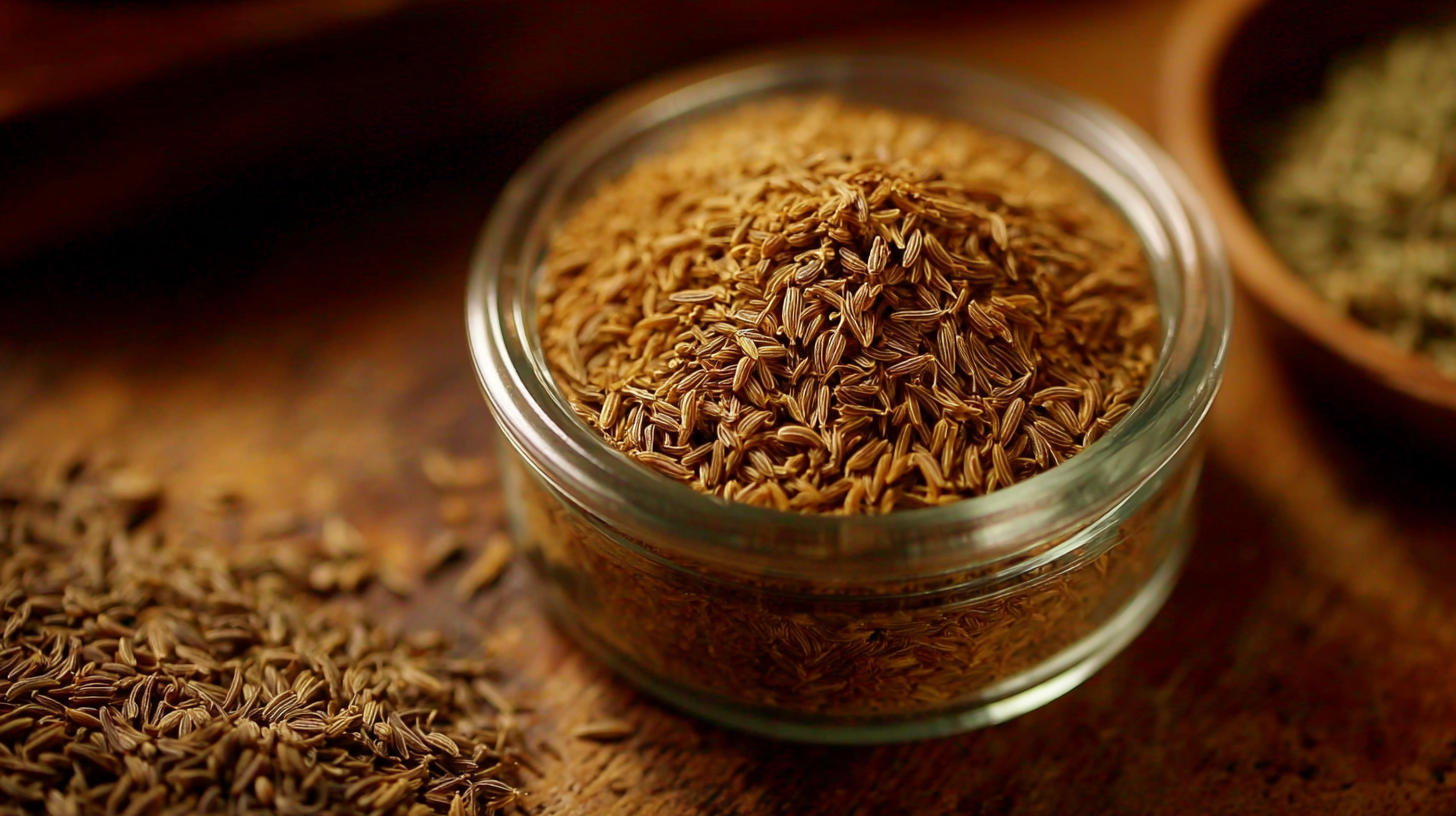
This image depicts innovative solutions for enhancing culinary delights with cumin seeds, showcasing how this spice can transform a dish while maintaining its essence.
FAQS
: Cumin seeds are rich in essential minerals such as iron, magnesium, and manganese, and provide about 22% of the daily recommended intake of iron per tablespoon, supporting healthy red blood cells and energy levels.
Cumin has carminative properties that may aid in digestion, improve gut health, and reduce bloating, making it beneficial for digestive relief.
Yes, studies indicate that including cumin in daily diets can help regulate blood sugar levels, making it advantageous for individuals managing diabetes.
Toasting whole cumin seeds in a dry skillet before grinding them enhances their flavor and aroma, making them excellent for seasoning vegetables and soups.
Toasted cumin can be blended into homemade vinaigrettes or yogurt-based sauces to add a unique twist that complements salads, grilled meats, and roasted vegetables.
Clinical trials have shown that participants incorporating cumin into their diets experienced a significant reduction in body mass index (BMI), suggesting it can aid in weight management.
Cumin's warm, earthy flavor pairs well with a variety of foods, including citrus, making it adaptable for enhancing countless dishes and recipes.
Cumin is rich in antioxidants, which help reduce oxidative stress and may prevent chronic diseases, emphasizing its health benefits beyond just flavor.
Yes, cumin seeds are a staple in many global cuisines, valued for both their distinctive flavor and impressive nutritional profile.
Conclusion
Hey there! So, in our blog titled "Innovative Solutions for Enhancing Culinary Delights with Cumin Seeds," we dive into all the amazing nutritional perks that cumin seeds bring to the table. They’re pretty much a must-have in modern cooking these days. We chat about fun recipes that take traditional dishes up a notch and share some cool cooking tricks to sneak cumin into everyday meals. Honestly, the versatility of cumin is pretty impressive! We also talk about how pairing cumin with different ingredients can really boost flavor, and we get into the science behind it—like how it’s good for your health and what makes it such a kitchen superstar.
As the culinary world keeps changing and global spices become more popular, cumin is really standing out — it's all about adding that extra punch to dishes from all sorts of cuisines. At Shanghai Shundi Food Co., Ltd., we’re all about celebrating these tasty innovations. We’re dedicated to offering top-notch ingredients that help both chefs and home cooks make their dishes even better. So, go ahead and explore all the rich, exciting possibilities cumin seeds can bring to your cooking adventures!