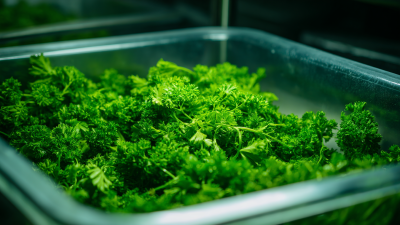
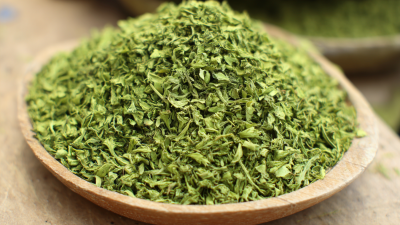
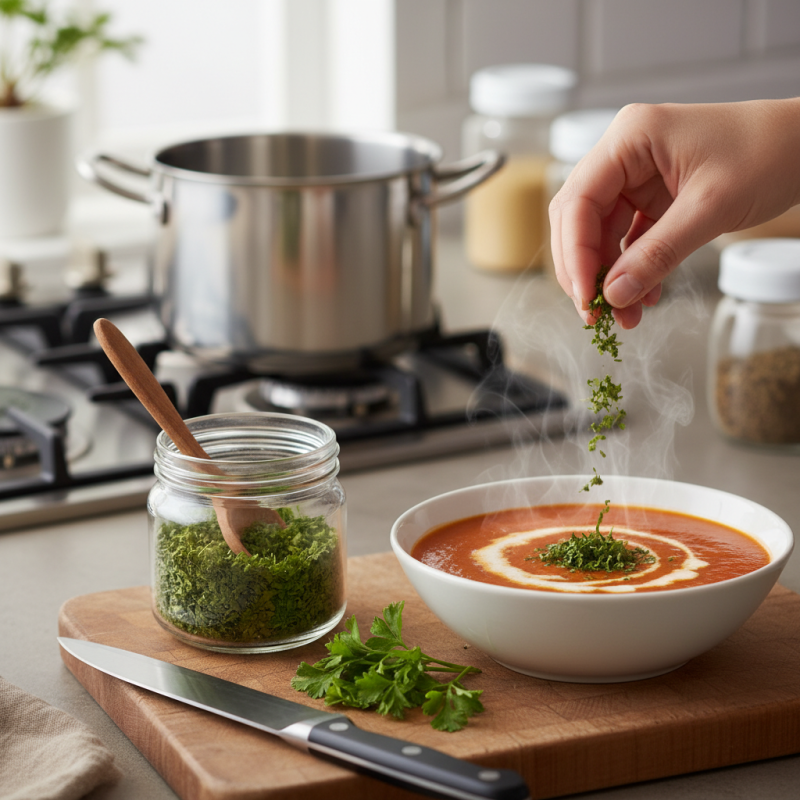
You know, Freeze Dry Parsley has really become a go-to for both home cooks and chefs alike. It’s such a clever little product — it keeps all that fresh parsley flavor and nutrients intact, but with way more convenience. Honestly, just sprinkle it on soups, salads, or sauces, and it instantly boosts the flavor, all without the mess of washing and chopping fresh herbs. Who doesn’t love that?
There are a bunch of perks when it comes to using Freeze Dry Parsley. I mean, it’s super lightweight, lasts forever on the shelf, and storage is no big deal. You can keep it around without stressing over spoilage. That said, some folks might find it’s not quite as lively as fresh herbs—so, a little experimenting with the amount can make a big difference. Play around with it and see what works best for your taste.
Now, while this stuff is honestly pretty handy, I gotta say—it might not fully replace that fresh, vibrant punch that only fresh parsley can give. The trick is to strike a balance: use a bit of both, fresh and dehydrated, to really make your dishes pop. Mixing things up can help you create meals that hit all the right notes and make the most of what both types have to offer. Overall, Freeze Dry Parsley is a pretty versatile addition to any kitchen pantry — worth having on hand for sure.
What is Freeze Drying and Its Process for Herbs?
Freeze drying is an innovative preservation method widely used for herbs like parsley. The process involves freezing the herbs and then reducing the surrounding pressure to allow the frozen water to sublimate. Research indicates that freeze drying retains up to 97% of the original nutrients. This high retention makes Dry Parsley a valuable addition to cooking and nutrition.
The freeze drying process begins with selecting fresh parsley. Once washed and blanched, it’s placed in a freeze dryer. This equipment creates a controlled environment for optimal drying. The end product is lightweight and retains the vivid color and flavor of fresh parsley. Studies show that rehydrated freeze-dried herbs can taste remarkably close to their fresh counterparts.
However, not all culinary applications benefit equally from dry parsley. In some dishes, the texture may not match that of fresh herbs. Additionally, the flavor intensity can vary, requiring adjustments in recipes. While freeze-dried parsley offers convenience, it still necessitates careful consideration in cooking. Choosing when to use dry parsley over fresh can make a notable difference in overall dish quality.
Nutritional Profile of Freeze Dried Parsley Compared to Fresh Parsley
Freeze-dried parsley has gained popularity in culinary applications due to its concentrated flavor and ease of use. In nutrition, freeze-dried parsley retains many essential vitamins and minerals found in fresh parsley. A study indicated that freeze-dried parsley maintains about 90% of its vitamin C content, while fresh parsley typically contains 133 mg per 100 grams. This makes freeze-dried parsley a valuable addition to dishes where flavor and nutrition are prioritized.
The nutritional profile of freeze-dried parsley shows interesting contrasts compared to its fresh counterpart. While both forms offer numerous health benefits, freeze-dried parsley is more potent in specific nutrients. For instance, it contains higher levels of vitamins A, K, and iron, with research showing an increase in vitamin K levels to 1,300 micrograms per 100 grams after freeze-drying. Fresh parsley has lower iron levels, making the freeze-dried option notably beneficial for those focusing on iron intake.
However, there are limitations to consider. Freeze-drying can lead to the loss of some essential oils found in fresh parsley, which contribute to flavor and aroma. Some consumers claim that rehydrated freeze-dried parsley lacks the same freshness and depth as fresh leaves. Thus, while freeze-dried options provide convenience and enhanced nutritional density, they may not fully replace the sensory experiences found in fresh parsley.
Health Benefits of Incorporating Freeze Dried Parsley into Your Diet
Freeze-dried parsley is more than a simple seasoning. It offers a concentrated source of vitamins and minerals. This herb retains its nutrients well, making it a smart choice for health-conscious individuals. It is rich in vitamins A, C, and K. These vitamins support immune health, skin, and bone strength.
When incorporated into meals, freeze-dried parsley can enhance flavor without added calories. It is easy to add to soups, stews, or salads. Just a tablespoon can transform a dish. Despite its advantages, some may find its texture different from fresh parsley. This change can be surprising. Adjusting to its taste may take time.
Incorporating freeze-dried parsley into your diet encourages variety. It can add nutritional value to everyday meals. Keeping it in your pantry makes preparing healthy meals easier. Always consider balancing flavors to ensure enjoyment. Experimenting with this herb can lead to new culinary discoveries.
What is Freeze Dry Parsley Benefits and Uses in Cooking?
| Benefit |
Description |
Uses in Cooking |
Nutritional Value |
| Rich in Nutrients |
Contains vitamins A, C, and K, iron, and antioxidants. |
Used in soups, stews, and salads for added flavor and nutrition. |
25 calories per 100g, 2.7g protein, 0.8g fat, 4.8g carbohydrates. |
| Supports Digestive Health |
Helps in digestion and can alleviate bloating. |
Sprinkled on dishes or used in teas. |
High in fiber, promoting gut health. |
| Anti-Inflammatory Properties |
Contains compounds that reduce inflammation in the body. |
Used in marinades and dressings. |
Rich in flavonoids and essential oils. |
| Enhances Flavor |
Provides a fresh, herbaceous taste to dishes. |
Ideal for seasoning roasted vegetables and meats. |
Contains essential oils that boost flavor. |
| Versatile Ingredient |
Can be used in various cuisines and dishes. |
Adds a finishing touch to pastas and pizzas. |
Low in calories, making it diet-friendly. |
Culinary Uses of Freeze Dried Parsley in Various Dishes
Freeze-dried parsley is a versatile ingredient gaining popularity in culinary applications. Its concentrated flavor makes it ideal for various dishes. Chefs and home cooks alike use it in soups, sauces, and garnishes, enhancing the taste without adding moisture. A report from the National Culinary Institute indicates that freeze-dried herbs retain about 95% of their nutrients, making them a healthy choice.
In cooking, freeze-dried parsley can replace fresh parsley without losing its aromatic qualities. It blends easily into marinades, dressings, and even baked goods. It’s also practical for long-term storage. A recent study highlighted that freeze-dried herbs have a longer shelf life compared to air-dried parsley, making them cost-effective for households.
When using freeze-dried parsley, chefs often recommend rehydrating it before adding to dishes. This can enhance the flavor profile, as the moisture revives its original taste. However, it requires attention; too much moisture can alter the intended outcome. Some cooks might overlook this step, leading to unexpected results. Experimentation is key in honing your cooking skills with ingredients like freeze-dried parsley.
Benefits of Freeze Dried Parsley
This bar chart illustrates the various benefits of freeze dried parsley, highlighting its nutritional value, flavor enhancement, preservation properties, convenience in cooking, and versatility in different dishes.
Storage and Shelf Life of Freeze Dried Parsley: Best Practices
Storing freeze-dried parsley correctly is crucial for maintaining its flavor and nutritional value. Ideally, it should be kept in a cool, dark place. Airtight containers are essential to prevent moisture exposure. Glass jars or food-grade plastic containers work well for this purpose. Properly sealed, freeze-dried parsley can last for many months, even years, without losing its potency.
Vacuum sealing is another effective method to extend shelf life. This removes air and reduces moisture, which can lead to spoilage. It is important to label containers with the date of storage. Regularly checking for any signs of spoilage or off-odors is advisable. The appearance of clumping or discoloration may suggest it is time to replace the parsley.
While freeze-dried parsley adds convenience to cooking, its storage should not be overlooked. An ideal location would be a pantry away from heat sources. This prevents the loss of essential oils that contribute to its taste. Consider using small amounts regularly to keep the remaining supply fresh. This practice helps to rotate your stock while ensuring you always have fresh flavor ready for your dishes.
Comparative Cost Analysis: Freeze Dried vs. Fresh Parsley in Cooking
When analyzing the costs of freeze-dried parsley versus fresh parsley, several factors come into play. Fresh parsley typically costs around $0.99 to $1.99 per bunch, depending on the season. In contrast, freeze-dried parsley can range from $3 to $5 per ounce. Despite the higher price, freeze-dried options offer longer shelf life and convenience, making them an attractive option for both home cooks and professionals.
One major advantage of Dry Parsley Flakes is their concentrated flavor. When added to dishes, they release essential oils, enhancing taste without the need for large quantities. A study by the Journal of Food Science highlights that freeze-dried herbs retain more nutrients compared to fresh ones over time. Therefore, while the upfront cost of freeze-dried parsley may be higher, the potential for reduced wastage and intensified flavor can offset the initial investment.
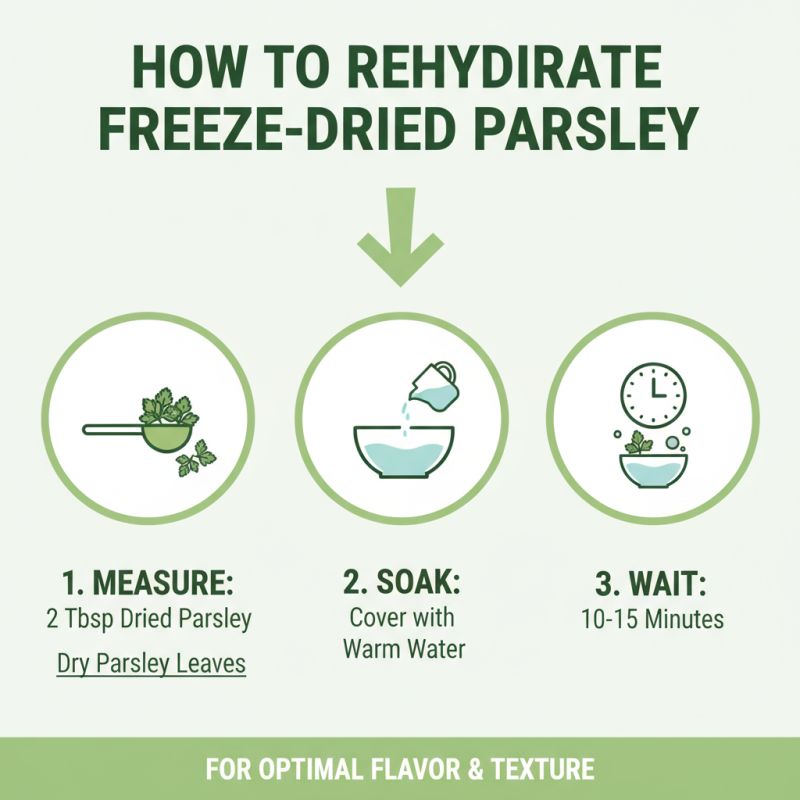
Tips for using freeze-dried parsley effectively include rehydrating it before adding to recipes. Simply soak it in warm water for about 10 minutes. Another suggestion is to keep Dry Parsley Flakes in a cool, dark place to maintain the best flavor profile. Experiment with combining freeze-dried parsley into soups and sauces, as it can really enhance depth while saving prep time.
How to Rehydrate Freeze Dried Parsley for Optimal Flavor and Texture
To rehydrate freeze-dried parsley effectively, start by selecting the right amount. Use about two tablespoons of Dry Parsley Leaves for a typical dish. This measurement helps maintain flavor balance. Place the parsley in a bowl and cover it with warm water. Allow it to soak for around 10 to 15 minutes. This duration gives the herbs enough time to absorb moisture fully.
After soaking, drain excess water. You can use rehydrated parsley in various recipes, enhancing both taste and nutrition. Add it to soups, stews, or sauces for a burst of flavor. The texture becomes tender and pleasant, offering a fresh herb experience. It's essential to remember that over-soaking can lead to loss of flavor. Adjust the soaking time based on your preference.
Experimenting with freeze-dried parsley can be fun, but results may vary. Each dish will present a unique challenge in balancing flavors. Sometimes, the herbs might not rehydrate as expected. This situation calls for adjustments and creative solutions in future cooking endeavors. Embrace the process and discover what works best for you.
FAQS
: Freeze drying is a preservation method for herbs, including parsley. It involves freezing and then sublimating water.
Fresh parsley is washed, blanched, and placed in a freeze dryer. The environment ensures optimal drying.
Freeze-dried parsley retains about 90% of vitamin C. It has higher levels of vitamins A and K.
Not always. The texture and flavor may differ, requiring adjustments in recipes for best results.
Yes, some essential oils may be lost. This can impact the depth and freshness of the flavor.
It’s convenient for many dishes. However, consider its flavor intensity when substituting for fresh parsley.
In some nutrients, yes. However, it may lack some of the aromatic qualities of fresh parsley.
Be aware that it may not taste as fresh and might require careful consideration in cooking.
Freeze-dried parsley retains its vivid color, making it visually appealing in dishes.
Texture, flavor intensity, and the balance between fresh and dry herbs can significantly impact overall quality.
Conclusion
Freeze Dry Parsley is a method of preserving parsley through a process that removes moisture while maintaining its nutrients and flavor. This preservation technique involves freezing the herb and then gradually heating it in a vacuum, allowing water to sublimate. Compared to fresh parsley, freeze-dried parsley retains a concentrated nutritional profile, offering essential vitamins and minerals that contribute to a healthy diet.
Incorporating Freeze Dry Parsley into meals enhances culinary versatility, as it can be easily added to soups, sauces, and marinades without compromising flavor. Moreover, it has a longer shelf life, making it a practical choice for storage. To enjoy its full flavor and texture, proper rehydration is essential. When considering cost, freeze-dried parsley can offer a competitive alternative to fresh parsley in cooking, providing both convenience and value to home chefs.