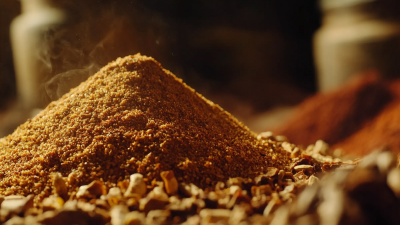
Lately, there's been quite a buzz in the culinary world about dehydrated ingredients making a serious comeback. More and more cooks—whether they’re professional chefs or just folks experimenting at home—are discovering that these ingredients can really take their dishes to the next level while keeping things healthy and nutritious. Honestly, they've become a bit of a kitchen secret. Think about it: they’re easy to store, pack a punch of flavor, and last forever on your shelf. No wonder they’re becoming pretty much essential in modern cooking. I wanted to dig into how dehydrating food actually works—what science’s behind it, the tech involved—and why these ingredients are such a big win for both flavor and nutrition.
And here’s the cool part: once you get the hang of dehydrated ingredients, the possibilities are pretty much endless. You can toss them into soups, stews, or turn them into snacks and even desserts. In this article, I’ll talk about all the benefits of using these versatile ingredients and share a few easy recipes that really show off what they can do. By the time you finish reading, you’ll have a better idea of how fresh produce transforms into dehydrated goodness and how that can spice up your cooking, making your meals both tasty and healthy. It’s pretty amazing how these little things can totally change the way we cook—and eat!
The Nutritional Advantages of Dehydrated Ingredients in Everyday Cooking
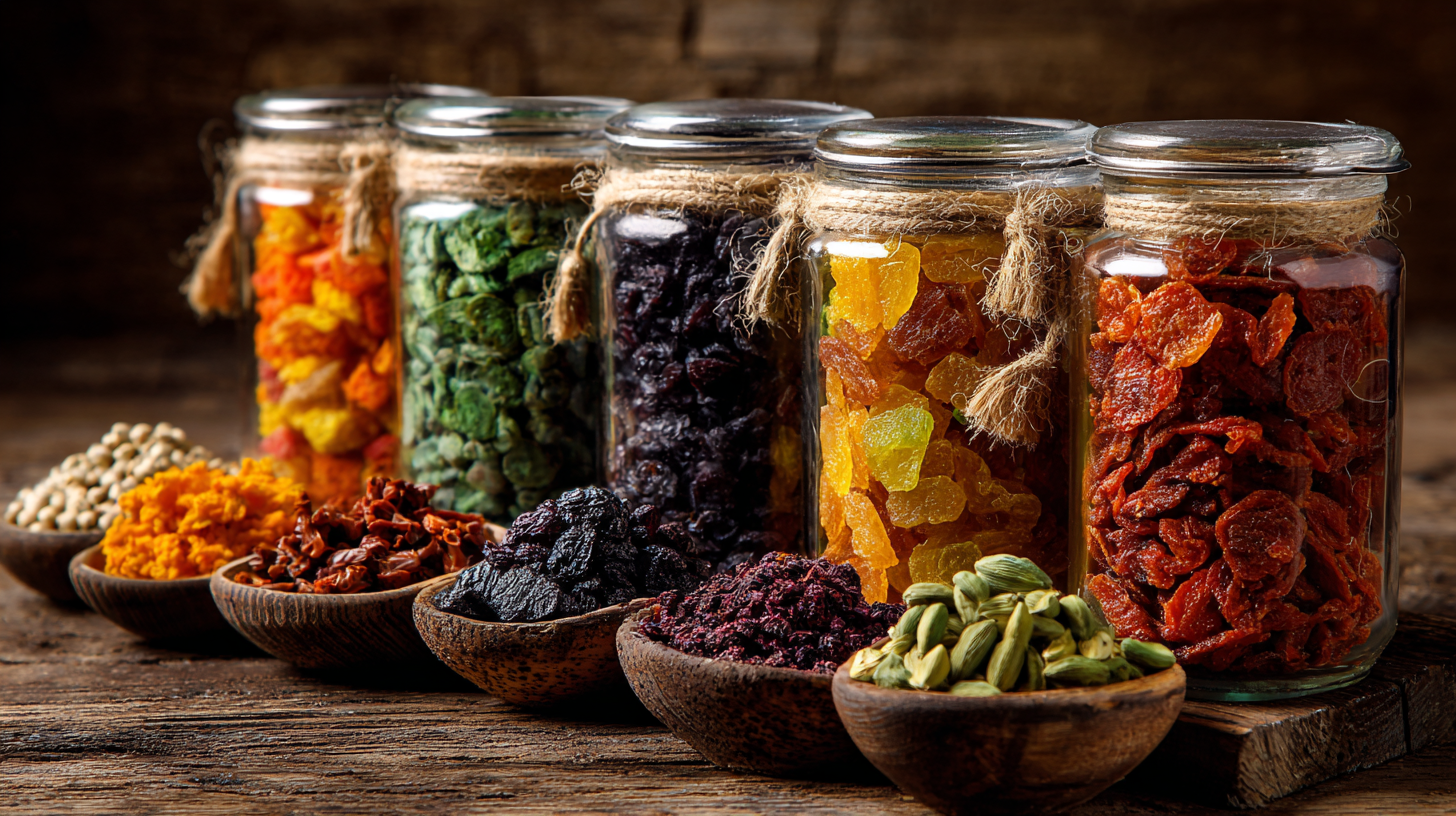
You know, dehydrated ingredients have really become a popular thing in everyday cooking lately. It's not just about convenience—though that’s definitely a big plus—they also pack some serious nutritional benefits. When you remove the moisture, dehydration helps lock in those essential vitamins, minerals, and antioxidants found in fruits, veggies, and herbs. So, even after drying, these ingredients stay super nutrient-dense. That means you get to enjoy the health perks of seasonal produce all year round! For example, dried tomatoes keep a concentrated amount of lycopene, and dried spinach retains the iron and vitamins, making them great additions to all kinds of dishes.
Incorporating these into your daily meals can really boost both flavor and nutrition. They’re pretty versatile too—just a sprinkle of dehydrated herbs can elevate the taste of your sauces without adding extra calories or preservatives. Plus, you can soak them back in water if needed, or just toss them straight into soups, stews, and casseroles. That cuts down on prep time and ups the nutritional value of your meals at the same time. Honestly, understanding how dehydration works gives us a cool way to make healthier choices—especially when life gets busy—so we can always have nutritious options ready to go.
Understanding the Dehydration Process: Science and Techniques Explained
Dehydration is a pretty old-school trick for keeping food fresh — basically, you take out the moisture so bacteria, yeasts, and molds don't have a chance to grow. The science behind it is kinda interesting; it’s not just about cranking up the heat or airflow, but also knowing how much moisture is in whatever you’re drying. Usually, cutting fruits and veggies into small, even pieces helps them dry faster and more evenly, so it's a good idea to make everything relatively uniform. And don’t forget, the right temperature matters — for example, lower heat is better for herbs because it helps retain those tasty essential oils, while denser foods might need a bit more heat to dry properly.
There are all sorts of ways to dehydrate stuff. You’ve got your classic air drying, sun drying (which is pretty much ancient tech but works if the weather’s right), and then there are electric dehydrators or ovens — which give you way more control over things. Air drying relies on the natural elements, while sun drying is an age-old method that needs specific weather conditions to turn out well. Electric dehydrators are kind of the gold standard since you can set exact temperatures and times, making the whole process a lot easier and more consistent. Knowing these different methods isn’t just about getting better results — it also opens up a bunch of culinary possibilities. From adding dried ingredients to soups and snacks to blending them into smoothies, dehydrated foods are pretty versatile once you get the hang of it.
Exploring the Science Behind Dehydrated Ingredients: Benefits, Uses, and Recipes
| Ingredient |
Dehydration Method |
Nutritional Benefits |
Common Uses |
Easy Recipe |
| Tomatoes |
Air Drying/Sun Drying |
Rich in Vitamins C, K, and antioxidants |
Pasta sauces, salads, and snacks |
Tomato powder for seasoning |
| Mushrooms |
Dehydrator/ Oven Drying |
High in fiber and Vitamin D |
Soups, stews, and risottos |
Rehydrated in broths or sauces |
| Fruits (e.g., Apples) |
Dehydrator/ Oven Drying |
High in fiber, antioxidants, and vitamins |
Snacking, baking, and trail mixes |
Apple chips with cinnamon |
| Herbs (e.g., Basil) |
Microwave/Dehydrator |
Rich in vitamins A, C, and K |
Seasoning for dishes and teas |
Homemade herb seasoning blends |
| Vegetables (e.g., Carrots) |
Food Dehydrator |
High in beta-carotene and fiber |
Soups, snacks, and casseroles |
Dried carrot chips with seasoning |
Creative Culinary Uses for Dehydrated Ingredients in Gourmet Dishes
Lately, dehydrated ingredients have really been making waves in the world of gourmet cooking. People love how they pack a punch in flavor and last so much longer on the shelf. Chefs find them super versatile too—they can really make a dish stand out, whether it’s through taste or presentation. For example, dehydration turns mushrooms like porcini or shiitake into these intense umami bombs. Just rehydrate them a bit, and they’re perfect for risottos, pasta sauces, or even topping a fancy pizza. Plus, their unique texture adds a fun twist that takes the dish from boring to wow-worthy.
On the dessert side of things, dehydrated fruits like strawberries or apples are absolute game changers. They add a concentrated sweetness and a splash of color to pastries, sorbets, or even homemade granola. Chefs often sprinkle these on top as a garnish, giving desserts that extra bit of flair while boosting flavor. You can even grind dehydrated veggies or herbs into powders—think of how cool a herb-infused sauce or dressing can be with that little touch of added flavor. All in all, dehydrated ingredients make traditional recipes more exciting and nutritious without much fuss.
Exploring the Benefits of Dehydrated Ingredients in Gourmet Dishes
This chart illustrates the various benefits of dehydrated ingredients commonly used in gourmet cooking. The ratings indicate how chefs and culinary experts perceive each benefit on a scale of 1 to 10.
Innovative Recipes Featuring Dehydrated Ingredients for Quick Meals
Lately, dehydrated ingredients have been all the rage in the cooking world, and honestly, it’s not hard to see why. They’re so convenient, super versatile, and surprisingly good at keeping most of their nutrients intact. Plus, they tend to last way longer on your shelf, which makes whipping up a quick meal way easier. According to a report from the National Institute of Food Science, dried fruits and veggies can hold onto about 80% of their original vitamins, giving your dishes a nice nutritional boost. If you play your cards right, you can turn these dehydrated goodies into some pretty exciting and creative recipes — and the best part? They’re usually pretty easy to make.
For a speedy dinner, I’d recommend tossing in some rehydrated dehydrated mushrooms and spinach into a creamy pasta. Just soak the mushrooms and spinach in boiling water for a few minutes, then stir them right into your pasta with garlic and some cream — simple, right? Or, if you’re after breakfast, dehydrated sweet potatoes are awesome blended into pancakes — adds a bit of a nutritious kick. Using these ingredients can seriously cut down on prep time compared to cooking fresh stuff from scratch, and you still end up with something tasty.
**A few tips** — always check how long your dehydrated ingredients need to rehydrate so you get the right texture and flavor. And you can get pretty creative by blending different dehydrated items — like mixing herbs with butter for a delicious spread or seasoning. Oh, and don’t forget to keep your dehydrated stock in a sealed container — it helps keep everything fresh and dry, so you’re not accidentally introducing moisture where it shouldn’t be.
Storing and Preserving Dehydrated Ingredients for Maximum Freshness
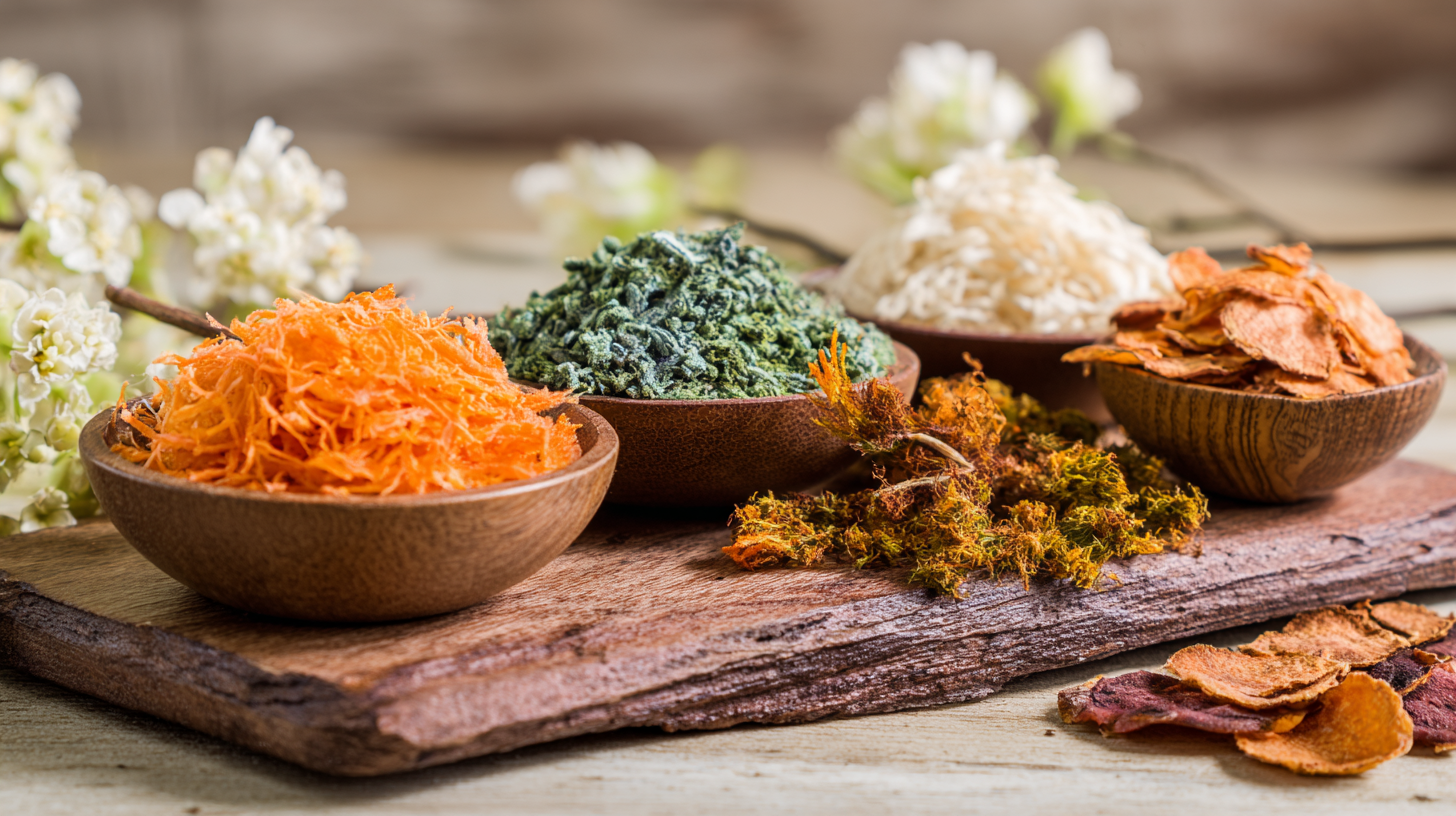
Storing dehydrated ingredients the right way is super important if you want to keep them fresh and packed with nutrients. Honestly, the best thing you can do is use airtight containers—that way, they stay safe from moisture, light, and air, which can all mess with their quality. I’ve found that glass jars or vacuum-sealed bags work really well because they prevent the ingredients from reabsorbing moisture and help lock in the flavors. Also, don’t forget to label your containers with the date you dehydrated them; it’s easy to lose track, and even dehydrated stuff doesn’t last forever.
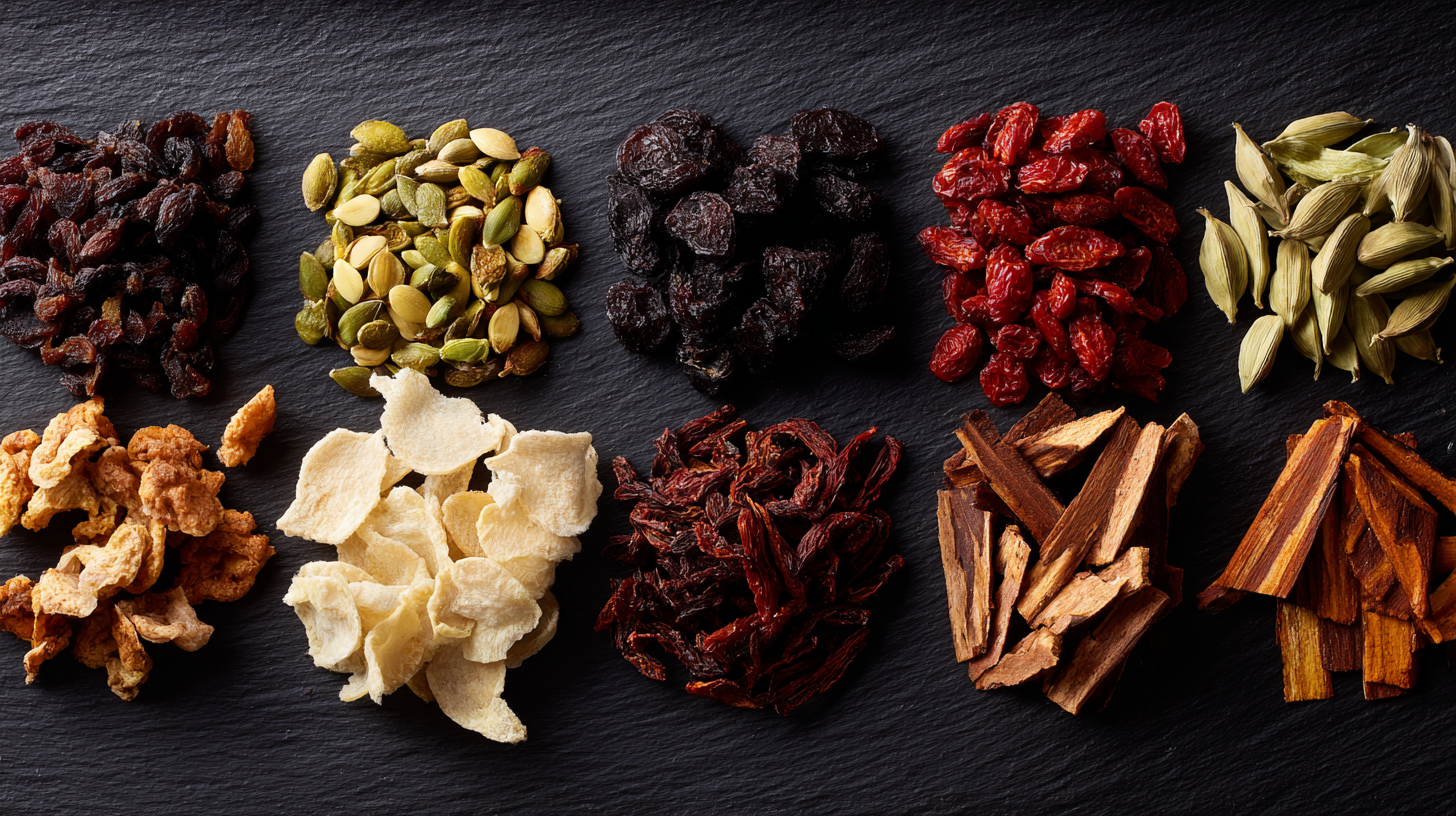
Temperature and humidity really matter here, too. Keep your supplies in a cool, dark spot—like a pantry or cellar—because heat and dampness can spoil your ingredients faster than you’d think. Sometimes, if you know you’ll be using something pretty quickly or it’s delicate, tossing it in the fridge or even freezing it might be a good idea. Oh, and a quick tip—make it a habit to check on your stored goodies now and then. Toss out anything that smells funky or looks odd. That way, you know you’re always cooking with the freshest stuff. Follow these simple storage tips, and you’ll extend the shelf life of your dehydrated foods quite a bit, making sure they’re always ready to add flavor when you’re cooking up something tasty.
The Environmental Impact of Using Dehydrated Ingredients in Food Preparation
You know, using dehydrated ingredients in cooking really has a big environmental impact, especially today when more and more folks and companies are focused on sustainability.
Dehydrating food does more than just make it last longer – it also cuts down on the volume and weight, which means less pollution during transport and all that. Plus, it helps keep more nutrients intact and reduces food waste overall. That’s why a lot of innovative companies, like Shanghai Shundi Food Co., Ltd., are really exploring this route with their products.
A good tip for businesses wanting to get into this? Try sourcing dehydrated ingredients locally whenever you can. It’s a win-win—support the local economy and cut down on those pesky transportation emissions. And honestly, being open about where you get your ingredients and how you’re caring for the environment can really build trust with customers and boost brand loyalty.
Oh, and don’t forget to share the benefits of dehydrated ingredients with your customers! It can make their meals more exciting and help them feel good about making eco-friendly choices.
Another thing worth considering is shifting towards upcycled food practices. It’s a great way to cut down on waste, but keep in mind that not all upcycled foods have the same environmental perks. You really want to pick those that are genuinely sustainable. By actively jumping into upcycled initiatives, companies can manage waste better and connect with a growing number of eco-conscious consumers who care about making a difference.
FAQS
: The primary purpose of dehydration is to preserve food by removing moisture, which inhibits the growth of bacteria, yeasts, and molds.
Cutting food into uniform sizes is essential because smaller pieces dry more evenly and quickly, resulting in better quality dehydrated products.
Common methods of dehydration include air drying, sun drying, and using electric dehydrators or ovens.
Electric dehydrators provide a controlled environment where users can set precise temperatures and drying times, tailored specifically to different types of food.
Dehydrated ingredients should be stored in airtight containers, such as glass jars or vacuum-sealed bags, to protect them from moisture, light, and air.
Labeling containers with the date of dehydration helps track shelf life, ensuring that users are aware of when the food was dried, as quality can diminish over time.
The best place to store dehydrated foods is in a cool, dark place like a pantry or cellar to avoid compromising their integrity with heat and moisture.
No, some dehydrated items may benefit from refrigeration or freezing, especially those that are prone to quick deterioration.
Look for signs of spoilage such as unusual odors or off colors to ensure you are using only the freshest ingredients.
Higher temperatures and humidity can compromise the integrity of dehydrated ingredients, making cool and dry storage essential for long-term preservation.
Conclusion
So, I came across this article called "Exploring the Science Behind Dehydrated Ingredients: Benefits, Uses, and Recipes," and honestly, it offers some pretty cool insights into why adding dehydrated stuff to your everyday cooking can be a game-changer. It talks about how these ingredients are packed with nutrients—like vitamins and minerals—and how they’re such a convenient way to give your meals a nutritious boost without much fuss. The article also dives into how the dehydration process works, explaining the science and techniques that help lock in flavor and keep everything fresh longer.
What’s really interesting is how it explores all kinds of creative ways to use dehydrated ingredients, not just in fancy gourmet dishes but also quick, easy recipes perfect for when you're rushing around. It even stresses the importance of storing these ingredients properly so they don’t spoil and stay fresh. Plus, it touches on the environmental side of things, pointing out that dehydrated ingredients are a smarter, more sustainable choice for cooking. Thanks to companies like Shanghai Shundi Food Co., Ltd., it’s clear that using dehydrated ingredients isn’t just practical—it's also got that eco-friendly vibe, making our meals both tasty and conscious of the planet.
All in all, it makes a good case for giving dehydrated foods a try, especially if you’re into both good food and doing your part for the environment.