When it comes to keeping our pets healthy with a good diet, choosing the right ingredients really makes all the difference. Dr. Emily Hargrove, a well-known expert in pet nutrition from Pet Nutrients Inc., often says, ‘Quality ingredients lead to better health for your furry friends.’ And honestly, that’s so true! It just goes to show how important it is to pay attention to what’s actually in their food because it directly affects their overall well-being.
The thing is, the pet food market is pretty overwhelming — there are tons of options out there. But many of these products are packed with fillers or unhealthy additives, which can be super confusing for pet owners trying to make the right choice. Understanding why quality ingredients matter is key because it impacts your pet’s health in a big way. You might not realize, but ingredients like Star Anise can actually do a lot of good things for your pet’s health that often fly under the radar.
Of course, the tricky part is balancing costs with nutrition. Some brands cut corners to keep prices low, but that can backfire later — leading to health problems that require vet visits. So, being careful and intentional about what you’re feeding your pet isn’t just a personal choice; it’s kind of a responsibility. Checking in regularly on what ingredients are in their food helps ensure you’re giving them the best shot at a long, happy, healthy life.

Understanding the Nutritional Needs of Pets
Understanding the nutritional needs of pets is crucial for their overall health. Pets, like humans, require a balanced diet rich in essential nutrients. According to the Association of American Feed Control Officials (AAFCO), proteins, fats, and carbohydrates are fundamental. A dog's diet should comprise at least 18% protein, while cats need a minimum of 26%. This ensures they receive adequate energy and muscle support.
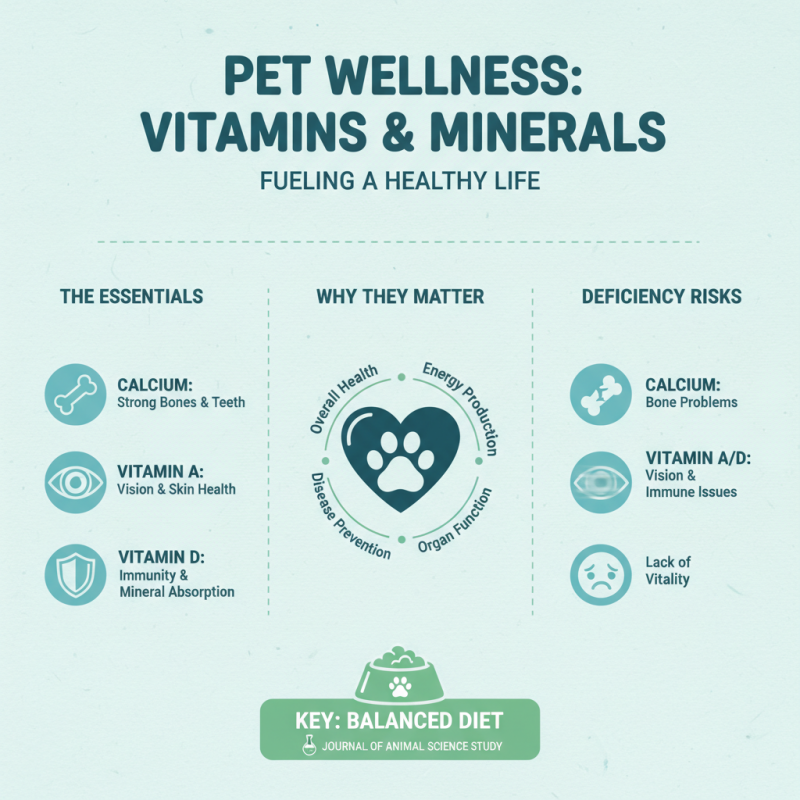
Micronutrients are often overlooked but are vital. Vitamins and minerals contribute to strong bones, healthy skin, and a robust immune system. For instance, calcium and phosphorus ratios are critical for proper growth. A recent study indicated that more than 30% of pet owners are unaware of their pets’ specific dietary requirements. This gap can lead to obesity or malnutrition, negatively impacting their quality of life.
Furthermore, pet food labeling can be confusing. Many owners assume that "natural" or "premium" signifies complete nutrition. However, these terms may not guarantee quality or balanced nutrition. A closer look at ingredient lists is necessary. Ingredients should include recognizable sources of protein and wholesome grains. Awareness of your pet’s dietary needs can foster better health outcomes over time.
Essential Nutrients for Canine and Feline Diets
When considering a healthy diet for your dog or cat, it's vital to focus on essential nutrients. Both canine and feline diets should include adequate proteins, fats, vitamins, and minerals. Proteins are crucial for muscle development. Look for whole meats or meat meals in the ingredients. Fats support energy levels and healthy skin. Omega-3 and Omega-6 fatty acids are particularly beneficial.
Tips: Ensure a variety of proteins in their meals. This helps prevent allergies and supports a balanced diet. Observe your pets closely. Sometimes they may react poorly to new ingredients. Adjust their diet gradually.
Vitamins and minerals are critical for overall health. Dogs need certain vitamins like A, D, and E. Cats, being obligate carnivores, require taurine, an amino acid found in animal tissues. Skipping these nutrients can lead to serious health issues. Seek out natural sources when possible.
Tips: Consider adding fruits and vegetables as supplements. Blueberries and carrots can be nutritious snacks. Yet, some pets may not enjoy these. It’s important to experiment and find what they like.
Healthy diets require time and attention. Every pet is different. Observing your pet's energy and coat condition can guide your choices. Trust your instincts and adjust as needed.
Identifying Quality Ingredients in Pet Food
When selecting pet food, quality ingredients are crucial for a healthy diet. A 2021 report by the Association of American Feed Control Officials (AAFCO) emphasizes that high-quality protein, healthy fats, and essential vitamins are key for overall pet health. Look for foods with identifiable animal proteins at the top of the ingredient list. Ingredients like “chicken” or “beef” are preferable to vague terms like “meat meal.”
Understanding the source of ingredients is important, too. Many reports indicate that pets might struggle with food allergies linked to low-quality ingredients. Avoid foods with additives and fillers, like corn or soy, which provide little nutritional value. Each pet is unique. Keep an eye on how your pet reacts to certain foods and adjust accordingly. If their coat looks dull or they seem lethargic, it could be time for a change.
Not all “natural” labels guarantee quality. Reported instances show that some brands use misleading claims. Ingredients can often come from questionable sources. Transparency in sourcing is vital. It’s worth taking time to research. Reading labels closely can reveal a lot about what you are feeding your pet.
Essential Pet Ingredient Tips for a Healthy Diet
The Role of Proteins in a Healthy Pet Diet
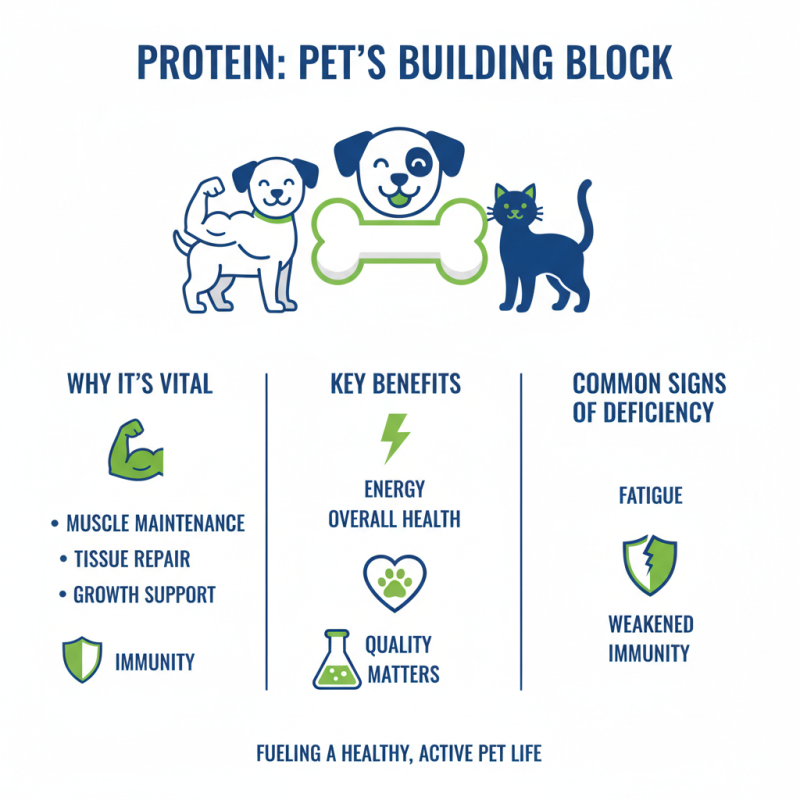
When it comes to a healthy pet diet, proteins play a vital role. Proteins are the building blocks of life. They help maintain muscle mass, repair tissues, and support overall growth. Pets need high-quality protein for energy and health. Without enough protein, your pet may face issues like fatigue or weakened immunity.
Selecting the right sources of protein is crucial. Animal proteins, such as chicken or fish, are rich in essential amino acids. These acids help your pet thrive. However, not all meats are created equal. Some may contain fillers or artificial ingredients. Reading labels can sometimes feel overwhelming. Look for whole-food sources whenever possible. This can enhance the nutritional value.
It’s also essential to consider your pet’s specific needs. Age, size, and activity level influence protein requirements. A puppy or kitten may require more protein than an older pet. Some pets may even have allergies or sensitivities. This can complicate choosing the right protein source. Observing your pet’s health and energy levels can provide important clues. Adjustments may be necessary as their needs change over time.
Avoiding Harmful Ingredients in Pet Food
Choosing the right ingredients is crucial for your pet's health. Many pet foods contain harmful ingredients that can affect their well-being. For example, artificial preservatives and colorings often appear in cheap formulas. These additives may lead to allergies or long-term health issues. Always check the ingredient list before purchasing.
Meat by-products are another common concern. These ingredients can come from various sources and may not provide the necessary nutrients. Instead of proper meat, they might include scraps that are not healthy. This can result in a diet lacking essential proteins. Opt for foods that specify whole meats as the first ingredient.
Look out for grains like corn and soy. They are often fillers in pet food. While some pets can digest grains, many can’t. These fillers can lead to digestive problems or obesity. Monitor your pet's response to different foods. Adjust their diet as needed. Regular vet checks can help you identify any issues early on.
Tips for Transitioning Your Pet to a Healthier Diet
Transitioning your pet to a healthier diet can be challenging but rewarding. Start by making small changes. Gradually introduce new food to avoid stomach upset. Mix a little of the new food with the old. This slow approach helps your pet adjust. You might notice some reluctance at first. Pets can be creatures of habit.
Monitor their reactions carefully. Some pets may not like the texture or flavor. Keep an eye on their energy levels and stool. These details tell a lot about their dietary adjustment. Don't rush the process. It might take days or even weeks for them to accept new food. Patience is key here.
Offer different flavors and textures to entice them. Some pets prefer crunchy kibble, while others enjoy moist options. If your pet shows signs of refusal, rethink your strategy. Maybe try incorporating fresh vegetables or natural treats. It’s important to create a diet that they enjoy. That can make all the difference. Stay involved and attentive to their preferences; every pet is unique.
Essential Pet Ingredient Tips for a Healthy Diet - Tips for Transitioning Your Pet to a Healthier Diet
| Ingredient |
Benefits |
Transition Tips |
| Chicken |
High protein source that aids in muscle development. |
Introduce gradually by mixing with current food. |
| Brown Rice |
Rich in fiber and helps with digestion. |
Start with small amounts to avoid stomach upset. |
| Sweet Potatoes |
Packed with vitamins and antioxidants. |
Mash and mix into their food to entice them. |
| Fish Oil |
Supports skin and coat health. |
Add a few drops to their meals over time. |
| Carrots |
Low-calorie treat that promotes dental health. |
Offer as a snack once they are accustomed to new diet. |
Conclusion
A healthy diet for pets is crucial for their overall well-being, and understanding their nutritional needs is the first step. Essential nutrients, including proteins, vitamins, and minerals, play significant roles in canine and feline diets, ensuring that pets receive the balanced nutrition they require. When choosing pet ingredients, it's essential to identify quality components that support health, as well as to avoid harmful additives that could negatively impact your pet's diet.
Transitioning your pet to a healthier diet requires careful planning and gradual changes to their food. Providing a mix of the right pet ingredients can help facilitate this transition, making it easier for pets to adjust to new flavors and textures while maintaining good health. Ultimately, focusing on quality and the right balance of essential nutrients will help pet owners create an optimal feeding regimen for their furry companions.