Picking safe and healthy ingredients for your pets isn't just a good idea — it’s super important. The right foods can really make a difference in how happy and healthy your furry friend is. Honestly, with so many options out there these days, it can get pretty overwhelming trying to figure out what’s best to feed them. And let’s be real — lots of pet food brands tend to hype up their products, sometimes more than they should. That’s why it’s so important to know exactly what’s going into your pet’s food before you buy.
When you’re choosing ingredients, go for quality first. Trust reputable brands that are upfront about what they use. For example, some ingredients like Star Anise might have some cool benefits, but you’ve gotta be careful and weigh the safety aspect too. Think about how each ingredient might impact your pet — doing a little research can help uncover potential allergens or stuff that might upset their tummy. Sometimes, even common ingredients can have surprises — not all that’s 'normal' is necessarily safe for every pet.
Also, don’t overlook where the ingredients are coming from. Just because a food label says 'high quality' doesn’t automatically mean it’s safe or good for your pet. Some ingredients might cause digestion issues or other reactions, especially if your pet has had problems with certain foods before. It’s a good idea to remember how your pet has reacted in the past, and maybe steer clear of anything that seemed problematic. Keep in mind, what seems harmless to one pet might not suit another — so being informed and attentive helps you make choices that really keep your furry buddy happy and healthy.
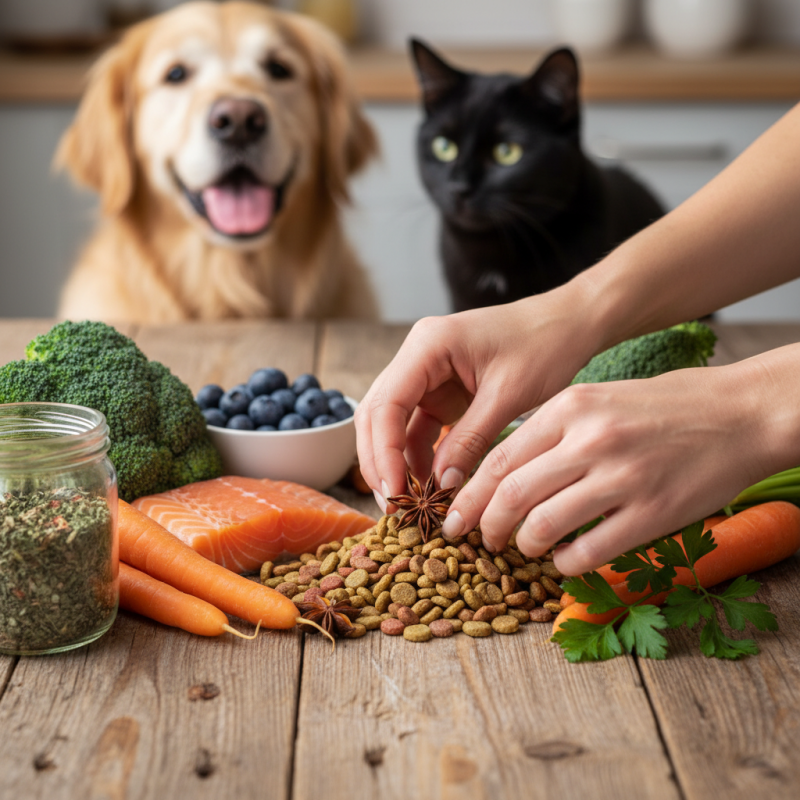
Choosing the right ingredients for your pet's diet requires understanding their unique needs. Cats and dogs have different nutritional requirements. Cats are obligate carnivores, needing protein and certain nutrients found only in meat. Dogs, while also needing protein, can thrive on a more varied diet.
When selecting pet food, pay attention to the ingredient list. Whole meats should be a top ingredient. Also, look for whole grains and vegetables. Avoid fillers and artificial colors. Recognizing the signs of allergic reactions is essential. Your pet may have sensitivities that could lead to skin issues or digestive problems.
Always consult with a veterinarian regarding your pet’s diet. Not every ingredient is suitable for every animal. Sometimes, a food that works for one pet may not suit another. It’s an ongoing process of trial and error. Monitor your pet’s health closely after making changes. Adjustments may take time, and it’s okay to seek help along the way.
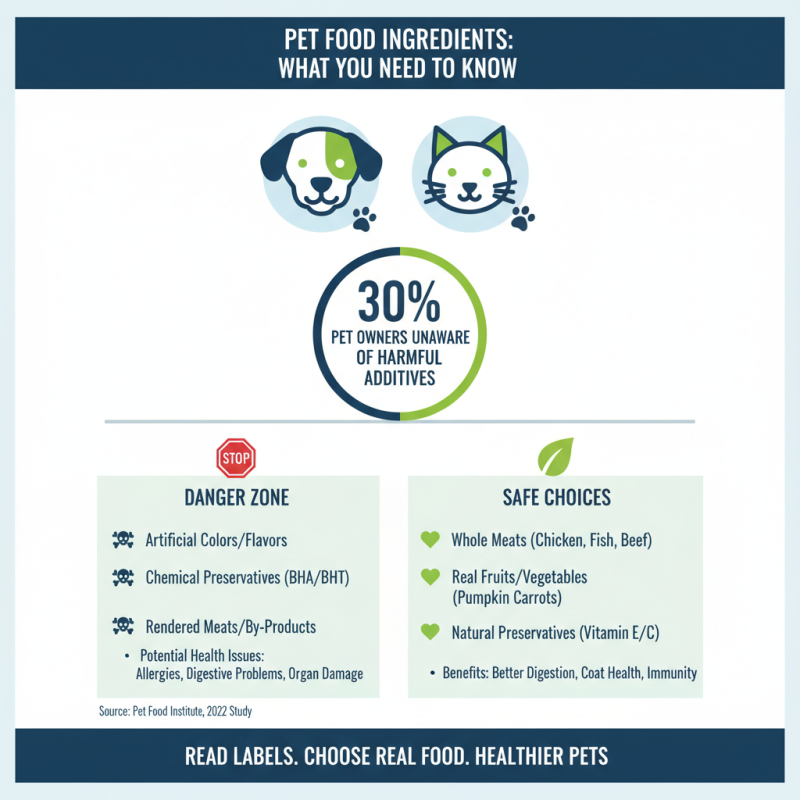
Choosing safe ingredients for pet food is vital. Many pet owners overlook the dangers hidden in commercial products. Certain ingredients can cause health issues. According to a 2022 study by the Pet Food Institute, nearly 30% of pet owners are unaware of harmful additives in their pet food.
Common unsafe ingredients include artificial preservatives like BHA and BHT. These substances are often linked to cancer in animal studies. A report from the American Veterinary Medical Association indicates that some fillers can lead to nutritional deficiencies. Products containing corn gluten meal or meat by-products often lack essential nutrients.
Furthermore, artificial colors and flavors may pose risks. Pets can be sensitive to these chemicals. Ingestion may lead to allergies or digestive issues. Recognizing these problematic ingredients is crucial. Regularly checking food labels can help. Ultimately, informed choices lead to healthier pets.
When selecting pet food, ingredient sources matter significantly. Look into where the proteins and grains come from. Many ingredients may originate from countries with lax regulations. You might think imported ingredients are safe, but that isn’t always true. Sometimes, supply chain issues lead to contamination or subpar quality.
Manufacturing practices are equally critical. How food is processed can affect its safety. Some factories prioritize profits over quality. Investigate whether the manufacturer uses stringent safety protocols. Check if they conduct regular tests on their products. Transparency can reveal a lot about their commitment to pet health. Ask about recalls and how they handle safety issues.
Pet owners must remain vigilant about these details. Not all pets react the same way to ingredients. Some pets may have allergies that are easily overlooked. Understanding sourcing and manufacturing practices can help you make informed choices. It’s about more than just the label on the bag; safety starts with trust in the ingredients.
| Ingredient | Source | Manufacturing Practices | Safety Standards |
|---|---|---|---|
| Chicken | Farm-raised | Human-grade processing | USDA certified |
| Salmon | Wild-caught | Sustainably sourced | MSC certified |
| Brown rice | Organic farms | GMO-free processing | USDA organic |
| Sweet potatoes | Local farms | Minimal processing | Non-GMO verified |
| Peas | Field-grown | Dried naturally | Non-GMO & gluten-free |
When evaluating pet food labels, transparency is crucial. Pet owners should look for clear ingredient lists. The first ingredient is especially important. It should be a high-quality protein source. Many pet foods list fillers or by-products primarily. This can indicate lower quality.
Quality control matters. Brands should disclose where they source their ingredients. Look for production standards and safety protocols. If unclear, it raises red flags. Misleading terms, like “natural” or “premium”, often appear. Familiarize yourself with definitions of these terms. They may not be regulated strictly.
Consider your pet’s needs too. Not every ingredient suits every animal. Allergies may arise from common components. Read labels carefully for potential allergens. It can help avoid health issues. Your pet's well-being is paramount. A little research upfront can make a difference.
Consulting with veterinarians is essential when selecting safe ingredients for your pets. They possess extensive knowledge about animal nutrition and can offer personalized recommendations based on your pet's health needs. Regular consultations ensure that you stay informed about ingredient quality and safety standards. It's crucial to ask specific questions regarding the nutritional value of ingredients and any potential allergens.
Veterinarians may suggest certain ingredients while cautioning against others. They can identify common allergens like wheat, corn, or artificial additives that may upset your pet's stomach. If your pet has special dietary needs, the vet can provide alternative options that are both safe and nutritious. Always take note of your pet's reactions to new foods. This observation can help refine your pet's diet later.
Remember, not all popular pet foods are created equal. The latest trends might not always be safe. Your veterinarian's guidance can help clear the confusion. Engaging in open discussions about ingredient safety can lead to better choices. Reflect on your previous decisions about pet food; sometimes, what seems safe may require a second look. Pet health is a priority, and consulting with professionals can safeguard it.
When selecting pet products, certifications matter. They indicate safety and quality. Look for labels that show the product meets established safety standards. Third-party certifications can provide assurance. They confirm that ingredients are tested and deemed safe for pets.
It's also crucial to understand what the certifications mean. Not all certifications are equal. Some may be more rigorous than others. Researching these can help you make informed decisions. Sometimes, products with flashy packaging lack proper oversight. Careful scrutiny can reveal gaps in their safety claims.
Checking the ingredient list is essential. Ensure there are no vague terms or fillers. If an ingredient sounds unfamiliar, do some digging. Not every ingredient is good for every pet. Stay cautious, and remember that a well-informed choice can help keep your pet healthy and safe.
When considering homemade pet foods and treats, safety is paramount. Many common ingredients can be harmful. For example, onions and garlic are toxic to dogs and cats. Always double-check ingredient lists. Look for safe, natural options. For protein, lean meats like chicken or turkey work well. Fish can also be a healthy alternative. Choose carbohydrates like sweet potatoes or brown rice. They are nutritious and easy to digest.
Exploring alternatives can lead to healthier choices. However, homemade diets may lack certain nutrients. Balance is crucial to ensure your pet thrives. Incorporate vegetables such as carrots or peas for added vitamins. Some pet owners overlook the need for essential fatty acids. You can include small amounts of fish oil for a shiny coat. Always consult a veterinarian to avoid mistakes.
Experimenting with recipes can be fun, yet it requires caution. Not every pet enjoys the same flavors. Observe their reactions closely. Some pets may refuse new foods or have allergies. Documenting changes in their behavior can help. Adjusting recipes takes time. It's a process of trial and error. You might not get it right the first time, and that’s okay.
: Cash and credit cards are popular. Some places accept digital wallets too.
Look for secure websites. Avoid public Wi-Fi for transactions.
Contact customer service immediately. Keep all packaging and receipts handy.
Use the tracking link sent via email. Check it regularly for updates.
Most retailers allow returns within a specified period. Read the return policy.
Report the issue promptly. Document the defect with photos if possible.
Search online for customer reviews. Check forums and social media for firsthand experiences.
Many items come with limited warranties. Read the specifics before buying.
The courier should leave a notice. Follow the instructions to rearrange delivery.
Some retailers allow changes within a certain timeframe. Act quickly to inquire.
Choosing safe pet ingredients is essential for the health and well-being of our pets. Understanding the dietary needs and nutritional requirements of pets helps pet owners make informed choices about the ingredients in their food. Common unsafe ingredients should be identified to avoid potential health risks. Researching the sources and manufacturing practices of these ingredients is crucial for ensuring quality and safety.
Evaluating pet food labels can provide transparency, allowing owners to assess the quality of pet ingredients used. Consulting with veterinarians can further guide owners in selecting safe and nutritious options for their pets. Additionally, looking for certifications and adherence to safety standards can offer added reassurance. Exploring alternatives for homemade pet foods and treats can be beneficial as well, providing control over the ingredients used, ultimately ensuring that pets receive the safe and healthy nutrition they deserve.