As the market for Air Dried Fruit keeps growing, finding reliable suppliers becomes more important than ever. I mean, anyone who's been in the biz knows that James Smith, a pretty well-known industry expert, once said, "Quality and consistency are everything when it comes to Air Dried Fruit — customers really notice when it’s not up to snuff." With more folks watching their health and looking for better snack options, it’s no surprise that demand for Air Dried Fruit is climbing steadily.
Now, I get it—picking the right OEM supplier in China can feel pretty overwhelming. There are tons of companies out there claiming they’re the best, but how do you separate the good ones from the not-so-great? A good starting point is to look for suppliers who can show you their certifications and walk you through their production process. Knowing the ins and outs of the supply chain can really help you make smarter choices.
Even with all the info out there, some guys still put out flashy marketing that’s a bit sketchy. So, it’s smart to get recommendations where you can and do your homework. Trust is key in this game — especially when the quality of your Air Dried Fruit is on the line. Making a good call now can set you up for a solid, long-term partnership down the road.

Overview of Air Dried Fruits in China
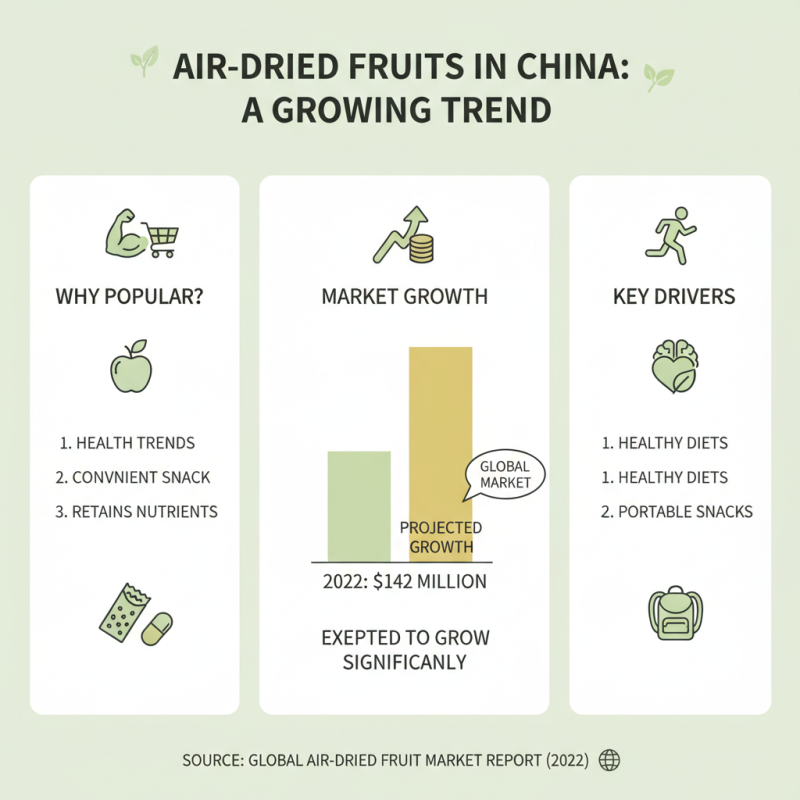
Air-dried fruits have gained popularity in China, driven by health trends and consumer demand for convenient snacks. These fruits retain most of their nutritional value, making them a great choice for health-conscious individuals. The global air-dried fruit market, valued at approximately $142 million in 2022, is expected to grow significantly. This growth is attributed to the rising awareness of healthy diets and the convenience of portable snacks.
In China, suppliers focus on high-quality sourcing and sustainable practices. Reports indicate that the market for air-dried fruits has expanded by around 15% annually. This growth reflects a larger trend in natural snack foods. Consumers are increasingly seeking products like air-dried vegetables, which offer unique flavors and health benefits. Quality assurance and certification are essential for suppliers navigating this competitive landscape.
Tips: When selecting air-dried fruits, check for minimal additives. Look for brands that promote transparency about sourcing. A quick look at the ingredient list can save time and ensure quality. Exploring various suppliers and their certifications can also lead to better purchasing decisions. Understanding consumer preferences is essential for suppliers to adapt and succeed in this growing market.
Key Benefits of Choosing OEM Suppliers for Air Dried Fruits
Choosing an OEM supplier for air-dried fruits offers several key advantages. One significant benefit is the customization aspect. OEM suppliers can tailor products to meet specific market demands. This flexibility allows businesses to cater to diverse consumer preferences. Whether it’s specific flavors, packaging options, or even nutritional enhancements, OEM suppliers can deliver.
Additionally, OEM suppliers often have established relationships with growers and processors. This can translate to better resource allocation and lower production costs. Businesses can focus on their brand and marketing strategies while leaving the production complexities to experienced partners. Trusting an OEM supplier means leveraging their expertise in the industry.
However, relying on an OEM supplier also has its downsides. Quality control can become a challenge if the supplier does not meet expectations. Regular audits and assessments may be necessary to ensure that products align with brand standards. Staying informed and maintaining clear communication with suppliers is essential for mitigating these risks.
Criteria for Selecting a Reliable Wholesale OEM Supplier
Choosing a reliable wholesale OEM supplier for air-dried fruit products requires careful consideration. Assessing their industry experience is crucial. Suppliers with a solid track record can often produce higher quality goods. Look for companies that provide transparent information about their sourcing and processing methods. This transparency builds trust and indicates a supplier's commitment to quality.
Quality assurance practices are essential. Verify if suppliers conduct regular quality checks. They should follow strict food safety standards. A supplier who prioritizes quality will typically offer detailed certification. This includes testing for contaminants and transparency in ingredient sourcing. Additionally, consider their communication. Can they respond quickly to inquiries? How do they handle issues? Strong communication reflects a supplier's dedication to client satisfaction.
Finally, consider their product range. A diverse selection allows you to test various items, such as air-dried broccoli. This experimentation can lead to unique offerings in your market. Suppliers with limited options may hinder your potential growth. Keep in mind that not every supplier will meet all your needs perfectly. It's important to weigh your options and be open to adjusting your criteria as you learn more.
Top Air Dried Fruit Varieties Produced in China
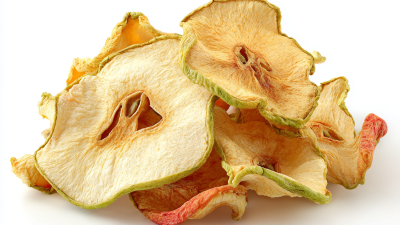
China has established itself as a leading producer of air-dried fruits. The country boasts a variety of options that appeal to global markets. Among these, air-dried apples, pears, and peaches have gained significant attention. Recent reports indicate that the demand for these dried fruits has surged, with exports showing a steady increase year on year. For instance, the overall market for air-dried fruits was valued at approximately $1.5 billion in 2022, with projections suggesting continued growth.
Another emerging category is air-dried mushrooms. This segment has grown due to their rich umami flavor and versatility in cooking. Reports show that air-dried mushrooms now comprise nearly 20% of the air-dried goods market in China. The process retains essential nutrients while providing extended shelf life. However, quality control remains a challenge. Maintaining consistent moisture levels and ensuring proper packaging can be difficult for suppliers.
As air-dried fruits become popular in health-conscious diets, the variety produced in China continues to expand. Products range from traditional options like figs to more exotic ones such as jackfruit. Each variety presents unique flavors and health benefits. However, some manufacturers struggle with market saturation and competition from imported dried fruits, which can affect pricing strategies. The evolving landscape requires suppliers to adapt quickly to consumer preferences and market trends.
Quality Standards and Certifications for Air Dried Fruits
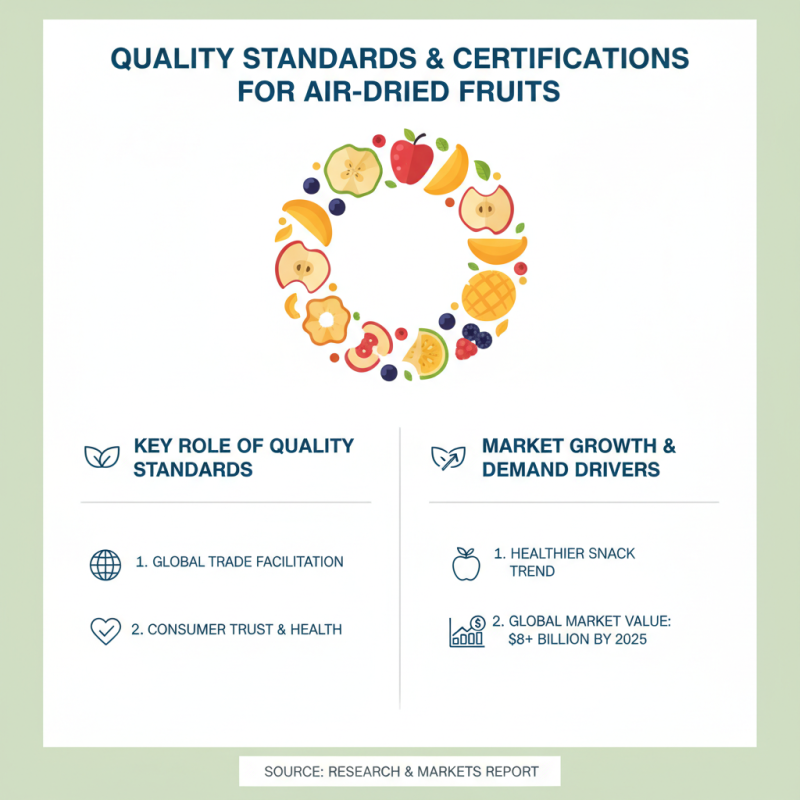
Quality standards play a crucial role in the global trade of air-dried fruits. The demand for these products has surged, reflecting a growing consumer interest in healthier snack options. According to a recent report by Research and Markets, the global air-dried fruits market is poised to reach over $8 billion by 2025, signaling the importance of adhering to quality benchmarks.
Certifications like HACCP and ISO 22000 are vital for manufacturers. These standards ensure food safety and quality management throughout the production process. Moreover, certifications like Organic or Non-GMO can significantly enhance marketability and trustworthiness. While many suppliers claim to meet these standards, the reality can be murky. It's essential to verify compliance through documented quality assurance processes and third-party tests.
Air Dried Bell Pepper is a popular choice among health-conscious consumers. This product must be sourced from reputable suppliers who uphold rigorous quality checks. However, not all suppliers consistently deliver on these promises. Variations in color, flavor, and moisture content can indicate lapses in quality control. It's crucial for buyers to request samples and review testing reports before finalizing any purchases. Doing so helps ensure that the air-dried fruits meet desired quality standards.
Popular Markets and Applications for Air Dried Fruits
Air dried fruits have gained significant traction across various markets. They are favored not only for their extended shelf life but also for their concentrated flavors and higher nutrient retention compared to traditional drying methods. As per a recent market analysis, the air dried fruit industry is expected to grow at a compound annual growth rate (CAGR) of 8.2% over the next five years. This growth is driven by an increasing demand from health-conscious consumers and a rising inclination towards natural food products.
Popular applications for air dried fruits encompass snack foods, baking ingredients, and health supplements. The snack food sector is particularly lucrative, as air dried fruits are often marketed as healthy on-the-go options. Reports indicate that North America and Europe are leading regions in terms of consumption, primarily due to their robust health trends. However, Asian markets are showing promising growth as well. A potential challenge lies in the varying quality of air dried fruits available. Ensuring consistent quality across suppliers will be crucial for long-term growth.
The versatility of air dried fruits allows them to be incorporated into a range of products, from granola bars to cereals. Still, some variations in drying methods can affect taste and texture. Companies must prioritize researching and developing effective drying techniques. Emphasizing quality control while keeping pace with market demands is essential. It is an ever-evolving sector, and continuous adaptation is key to success.
Tips for Establishing Successful Partnerships with Suppliers
Establishing successful partnerships with suppliers is crucial in the air-dried fruit industry. The global dried fruit market is projected to reach USD 12.2 billion by 2027, according to industry reports. Finding the right supplier can greatly impact product quality and market success.
To build strong relationships, communication is key. Regular updates on production and logistics help avoid misunderstandings. Consider scheduling quarterly reviews to track performance. Transparency about challenges can foster trust. Suppliers appreciate clients who understand their limitations; this mutual respect can lead to better collaboration.
Another critical tip is to evaluate potential suppliers thoroughly. Don’t just rely on online reviews. Request samples to assess quality firsthand. The USDA recommends verifying certifications, which ensures compliance with safety standards. A reliable partner will have proper documentation and be willing to share it. Investing time in this process can save future headaches.
Additionally, be prepared for setbacks. Not every partnership will meet expectations. Evaluate the reasons for any misalignment. Use this feedback to refine your approach. Flexibility in negotiations can make all the difference in a campaign's success. Balancing your needs with supplier capabilities is essential for long-term sustainability in this competitive market.
Unleashing the Exotic Delight: A Comprehensive Guide to Passion Fruit Benefits and Culinary Uses
Passion fruit, often celebrated for its aromatic flavor and vibrant color, has become increasingly popular not only for its unique taste but also for its plethora of health benefits. Rich in vitamins, dietary fiber, and antioxidants, the delightful exotic fruit can boost your immune system while promoting healthy digestion. Fresh passion fruit pulp, carefully extracted and processed using advanced freezing techniques, retains its natural nutritional profile, making it an excellent choice for any health-conscious individual.
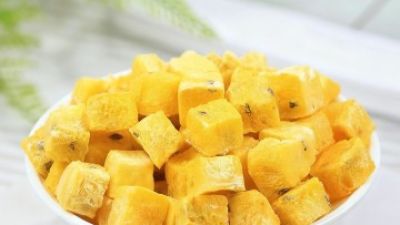
The culinary uses of passion fruit are diverse and enticing. Whether enjoyed as a crunchy snack from freeze-dried dices or blended into smoothies, its unique flavor enhances a wide array of beverages and dishes. Incorporating this versatile ingredient into your diet is as simple as sprinkling it on top of yogurt, adding it to salads for a burst of color and flavor, or stirring it into refreshing cold drinks. With its clean label and absence of additives or preservatives, this passion fruit product is perfect for those seeking pure, minimally processed ingredients that fit seamlessly into various culinary creations.
FAQS
: Health trends and demand for convenient snacks have increased their popularity.
They retain more nutrients and offer concentrated flavors, making them appealing.
Yes, they are seen as healthy snacks with minimal additives and high nutritional value.
Quality control and competition from imported products can be significant challenges.
Check for minimal additives and transparent sourcing on the ingredient list.
Apples, pears, peaches, and even mushrooms have gained significant attention recently.
They are widely utilized in snack foods, baking ingredients, and health supplements.
Emphasizing quality control, consistent moisture levels, and packaging is crucial.
Their rich umami flavor and versatility in cooking are driving their demand.
It is projected to grow at a CAGR of 8.2% due to rising health-conscious consumer demand.
Conclusion
This article provides a comprehensive guide for sourcing air dried fruit from OEM suppliers in China. It begins with an overview of air dried fruits, highlighting the growing popularity and nutritional benefits they offer. The piece emphasizes the advantages of choosing OEM suppliers, such as cost-effectiveness and customization options, which can significantly benefit businesses looking to expand their product lines.
Furthermore, the article outlines essential criteria for selecting a reliable wholesale OEM supplier, ensuring quality standards, and exploring the top varieties of air dried fruits produced in China. It also discusses the importance of certifications and the various markets where air dried fruits are in high demand. Lastly, it offers practical tips for establishing successful partnerships with suppliers, aiming to help businesses navigate the complexities of sourcing high-quality air dried fruit effectively.