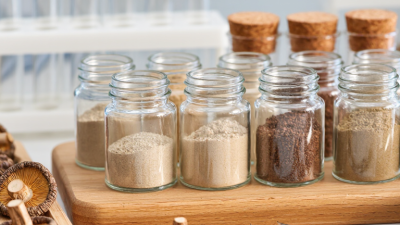
When you're a global buyer shopping around for shiitake powder from Chinese suppliers, price alone isn't gonna cut it. You've gotta look at the specs, make sure batches are traceable, and—this is a big one—get samples that actually match what gets shipped to you. The powder itself? Its color can range from pale tan to a deeper brown, which is normal. And the smell should remind you of dried shiitake, not some warehouse that's seen better days. Honestly, the small stuff is what separates the good suppliers from the rest.
Let’s say a sourcing pro named Maya Chen is walking you through her buyer’s rule: a supplier’s sample only counts if the specs and the batch records actually line up. Full disclosure: Maya is an illustrative voice we created, not a real person. So what does that mean in practice? Check whether the ingredient comes from whole dried mushrooms, look at the particle size and moisture data, and ask how each lot gets tested. You know, dried shiitake mushroom powder is one of those things that can taste a little different depending on the batch. The raw materials and how it's processed really make a difference, and even the solubility can vary. So don't expect one sample to show you every seasonal variation — it's just not that simple.
Let's be honest—when you're sourcing from China, it's easy to get swept up by a shiny brochure. But the real work is in the details. This guide walks you through how to actually size up a supplier, compare their paperwork, and ask the kind of questions that matter before you commit to an order. We'll also touch on communication, packaging, and whether they stay consistent when you reorder. Certifications? They're nice to have, but they're not a substitute for product-specific records. So take those claims with a grain of salt and ask for current documents directly. Even if you check everything super carefully, there's always going to be some uncertainty. Real-world batches can vary, and that's honestly worth being upfront about.
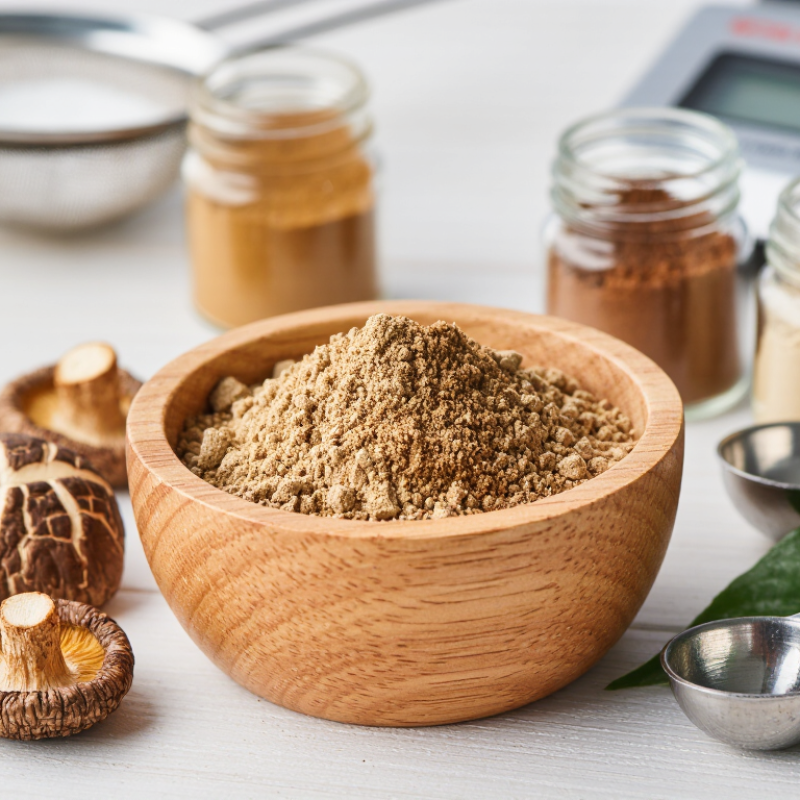
Shiitake powder is made from shiitake mushrooms, usually the fruiting bodies, which are dried and milled into a fine ingredient. The process sounds simple. The details matter. Mushrooms are cleaned, sliced when needed, and dried under controlled conditions to reduce moisture before grinding. Temperature and drying time can affect color, aroma, and the earthy, savory taste. Some suppliers use whole caps and stems; others remove tougher parts. That choice should be stated clearly, not assumed.
USDA FoodData Central reports about 11.5 grams of dietary fiber per 100 grams of dried shiitake mushrooms. This figure describes dried mushrooms, not every finished powder, whose composition can vary with raw material and processing. A careful Shiitake Mushroom Powder Manufacturer should be able to explain the mushroom source, drying approach, particle size, and testing for moisture and contaminants. Buyers can also request a product specification and a recent certificate of analysis. Powder should look evenly milled and smell clean, with no damp or musty note. One practical caution: “fine” is not a universal standard. Particle-size limits and soluble content may differ between applications, so buyers should test samples in their own recipes.
China’s shiitake powder supply chain often links mushroom-growing regions with drying facilities, milling plants, testing laboratories, and export teams. Growers may supply fresh shiitake through cooperatives or local collection points, where mushrooms are sorted by size and condition. The details matter. Moisture, bruising, and drying speed can affect the finished powder’s color and aroma. Some processors manage several steps in-house, while others buy dried mushrooms from separate suppliers. That structure can make sourcing flexible, but it may also leave gaps in traceability.
A Shiitake Powder Manufacturer typically dries the mushrooms before grinding them into a fine powder. Buyers can ask whether the powder comes from caps, stems, or whole mushrooms, and what mesh size the mill produces. A retained sample and batch-specific test report make comparisons more practical. Check how the supplier controls moisture and foreign material, rather than relying on appearance alone. Export coordinators may arrange packing and shipping, but they do not always control farm-level records. This is an imperfect part of the chain. Clear lot codes, documented processing steps, and direct answers about sourcing help buyers judge reliability.
China’s shiitake powder supply is linked to several established growing areas. Zhejiang, especially around Qingyuan and Longquan, has a long history of shiitake cultivation. Fujian, Henan, and other provinces also support commercial production. Local climate, substrate practices, and harvest timing can affect the dried mushrooms’ aroma and color. A regional label alone, however, does not confirm how a powder was grown or processed.
Supplier types vary. Some companies grow mushrooms and operate drying and milling facilities, offering closer oversight from harvest to finished powder. Ingredient processors may buy dried shiitake from multiple farms, then control grinding, sieving, and packing. Export-oriented suppliers often coordinate documentation and shipping, but may not own production sites. Ask where the crop was grown, whether caps and stems are blended, and how moisture, particle size, and microbiological quality are checked. Details matter.
Request a recent specification sheet and a representative sample. Compare color, aroma, texture, and how the powder disperses in your intended product. Drying methods can change flavor; finer mesh does not necessarily mean better quality. Not always. Traceability records and batch test results help, though paperwork should match the actual lot. A supplier’s answers may still leave gaps, so verify important claims before placing a large order.
China Top Shiitake Powder Suppliers for Global Buyers?
How to Evaluate Shiitake Powder Suppliers
Supplier evaluation starts with the raw material, not the price. Ask whether the powder comes from shiitake fruiting bodies or mycelium, and request the species name, growing location, and processing details. FAOSTAT reported more than 12 million tonnes of global mushroom and truffle production in 2022. That figure covers many varieties, not shiitake alone, so it cannot verify a supplier’s specific claims. Check traceability records and compare the stated origin with batch documents.
Review a recent certificate of analysis for each lot. It should identify moisture, microbiological results, heavy metals, and any carriers or additives. Ask how beta-glucan is measured; results are difficult to compare when test methods differ. Request a sample, then inspect its aroma, color, and ability to disperse in water. A strong roasted smell or gritty sediment may deserve follow-up, though neither proves a defect on its own. Specifications can look complete and still leave gaps.
Tips: Match the test method to your product requirements. Confirm that the sample and bulk lot use the same specification. Keep the conversation practical: ask for a representative batch record, not just a polished brochure. A missing detail is not automatically a deal-breaker, but it should prompt a clear answer.
For global buyers, shiitake powder quality starts with clear, repeatable specifications. Request the product’s scientific name, ingredient list, origin, processing method, and target particle size. A fresh sample should have a clean mushroom aroma, even color, and no damp or burnt notes. Freeze Dried Shiitake Mushroom powder may retain a distinct aroma, but appearance alone cannot confirm quality.
Ask for a batch-specific certificate of analysis, not just a generic product sheet. Useful checks include moisture, microbiological counts, heavy metals, and pesticide residues, with methods and limits stated. Small details matter. Compare the report’s batch number with the bag label and shipping documents. If the powder clumps, ask whether moisture exposure or packaging could explain it; the answer should be specific, not reassuring but vague.
Export documents and certification needs depend on the destination and buyer’s requirements. Verify that any HACCP, ISO 22000, or organic certificate is current, applies to the actual production site, and covers the product in question. One limitation deserves attention: a passing lab result describes the sample tested, not every later batch. Buyers can reduce that gap through agreed sampling plans, retained samples, and periodic independent testing. Ask suppliers to confirm shelf life, packaging barriers, and traceability procedures in writing.
Ordering shiitake powder from China works best when specifications are clear. Ask for the mushroom species, ingredient list, powder mesh size, moisture data, and a recent batch analysis. Confirm whether the product is made from whole mushrooms or selected parts. Freeze Dried Shiitake may suit applications where aroma and handling matter, but compare samples before placing a large order. A small trial can reveal clumping or flavor differences that a specification sheet misses.
Tips: Request a sealed sample and check its color, aroma, and flow. Agree on the lot number, shelf life, and document set before payment. Keep written records.
Packaging and shipping deserve equal attention. Use a food-contact inner liner inside a strong, sealed outer bag or carton, with clear lot and storage labels. Ask how the supplier protects the powder from moisture during transit; humid ports can affect an opened or poorly sealed package. Confirm carton dimensions, gross weight, shipping terms, and the planned dispatch date. For long routes, consider whether a moisture barrier is enough for your climate and storage conditions. It may not be. Compare freight quotes using the same delivery terms, and leave time for document review and possible port delays.
The comparison below describes common sourcing options and planning ranges, not verified terms from individual suppliers. Minimum orders, specifications, prices, lead times, and export requirements vary; confirm them directly before placing an order.
| Sourcing Option | Product and Specification Checks | Indicative Order Planning | Common Packaging Format | Shipping Considerations | Documents and Buyer Checks |
|---|---|---|---|---|---|
| Food-ingredient manufacturer | Confirm whether the powder is made from shiitake fruiting bodies, stems, or another material. Request the ingredient list, mesh size, moisture specification, and processing details. | Trial quantities may be available, but commercial minimums are supplier-specific. Ask for separate sample and production-order quantities. | Bulk food-grade inner bags in cartons or drums; pack size should be agreed in the purchase specification. | Sea freight is commonly considered for larger, non-urgent orders; protect the product from moisture and strong odors during transit. | Request a product specification sheet, batch-specific Certificate of Analysis (CoA), ingredient statement, and applicable export documents. |
| Custom-processing or private-label supplier | Agree in writing on raw-material identity, processing method, permitted ingredients, particle size, and any requested testing before production. | Custom labels and packaging can require additional setup and production time. Confirm artwork approval, packaging minimums, and the production schedule. | Retail pouches or jars may be possible alongside bulk packs; check food-contact suitability, seal integrity, and label-language requirements. | Allow time for label review and packaging production. For first orders, approve a finished-pack sample before shipment. | Check that label claims comply with the destination market’s rules. Obtain final artwork, ingredient details, lot coding, and shelf-life information. |
| Bulk ingredient exporter or trading supplier | Verify the actual manufacturing source and ensure the quoted specification matches the batch being supplied. Ask whether the powder is pure shiitake or a blend. | Availability and order quantities depend on current stock and sourcing arrangements. Confirm stock status, batch size, and whether split lots are possible. | Common bulk formats include sealed liners inside cartons or drums; confirm net weight, gross weight, and palletization. | Request the proposed Incoterm, port or airport, cargo insurance arrangement, and a freight quotation before confirming the order. | Confirm the seller’s role in the transaction, the named exporter on shipping documents, and the consistency of product and customs descriptions. |
| Sample or pilot-order route | Use a representative sample to assess aroma, color, taste, dispersibility, and suitability for the intended recipe or application. | Small samples may be sent by courier, subject to availability and destination import rules. Sample charges and freight should be confirmed in advance. | Samples are typically packed in small, sealed food-grade bags or containers with clear identification and batch details. | Courier service is often practical for small samples; transit time, customs clearance, and import charges depend on destination and carrier. | Check whether the sample can legally enter the destination country and whether an ingredient declaration or other paperwork is required. |
| All sourcing options | Set measurable limits for moisture, mesh size, microbiological criteria, heavy metals, and other market-specific requirements. Test each production lot where risk or regulations warrant it. | Agree on quantity, tolerance, payment terms, production lead time, and inspection arrangements in the contract or purchase order. | Specify food-grade, moisture-resistant packaging, lot identification, net weight, and storage instructions. Confirm the product’s stated shelf life and storage conditions. | Choose air or sea freight based on order size, urgency, cost, and destination. Transit estimates are not guarantees; customs clearance can add time. | Check destination-country requirements with the relevant authorities or an import specialist. Confirm the commercial invoice, packing list, transport document, and any required certificates before dispatch. |
Shiitake powder brings concentrated savory flavor to applications where fresh mushrooms are bulky or inconsistent. Food makers use it in soup bases, seasoning blends, instant noodles, sauces, savory crackers, and plant-based fillings. Fine powder disperses easily in dry mixes; coarser granules add visible texture. The flavor is earthy and umami-rich, so small changes can noticeably alter a recipe. Test it in the finished product, not just in water.
FAOSTAT recorded about 48 million tonnes of mushrooms and truffles produced worldwide in 2022, across species; this figure is not shiitake-specific. It signals a large raw-material category, not guaranteed powder supply. Buyers commonly compare whole-mushroom powder with extract powder: the former retains more mushroom solids, while extracts are processed for a more concentrated soluble fraction. Check the ingredient statement, particle size, moisture, and microbiological specifications. Also ask whether the powder contains carriers. Small detail. A carrier can affect taste, flow, and label wording. Powder is not a magic shortcut; heat and long storage can mute its aroma, and supplier specifications do not replace testing in your own recipe.
Zhejiang, including areas around Qingyuan and Longquan, has a long cultivation history. Fujian and Henan also support commercial production. A regional label alone does not verify growing or processing practices.
Ask where the mushrooms were grown, whether caps and stems are blended, and how moisture and particle size are checked. Request a recent specification sheet and a representative sample. Details matter.
Check its color, mushroom aroma, texture, and dispersion in your actual recipe. Watch for damp or burnt notes. A finer powder is not automatically better.
Request a batch-specific analysis covering moisture, microbiological counts, heavy metals, and pesticide residues. Check the test methods and limits. Match the report’s batch number to the product label.
No. Certificates should be current and cover the actual production site and product. A passing test describes the sample tested, not every future batch. I would verify important claims.
Confirm destination-specific document needs, shelf life, packaging barriers, and traceability procedures in writing. Compare batch records with shipping documents. Paperwork can still leave gaps.
It works in soup bases, seasoning blends, instant noodles, sauces, savory crackers, and plant-based fillings. Test it in the finished recipe, since heat and storage can mute its aroma.
Whole-mushroom powder retains more mushroom solids. Extract powder concentrates a soluble fraction. Ask about carriers, particle size, and moisture; these details can affect flavor, flow, and product labeling.
This guide explains what Shiitake Powder is, how it is made from cultivated shiitake mushrooms, and how China’s supply chain connects growers, processors, and exporters. It outlines the main production regions and the different types of suppliers buyers may encounter, helping global purchasers understand how sourcing arrangements can vary.
For supplier evaluation, the guide covers key considerations such as product specifications, traceability, quality testing, and relevant export certifications. It also describes practical steps for ordering, choosing packaging, and arranging shipping, alongside common uses and product formats for Shiitake Powder. Together, these topics help buyers compare options, communicate requirements clearly, and make informed sourcing decisions.