Email: sales@shundifoods.com     Tel: +86-21-64280601
0%

So, if you're a global buyer trying to pick the best China supplier for freeze dried mushrooms, price is only one part of the puzzle. Honestly, consistency matters just as much—maybe more.

As Dr. Arun S. Mujumdar, a well-known scholar in drying technology, put it: 'Drying preserves quality; it does not create quality.' That pretty much sums up mushroom sourcing, too. Fresh mushrooms need to arrive clean, correctly identified, and ready for processing. If the raw material is bad, freeze-drying won't magically turn it into a premium product.

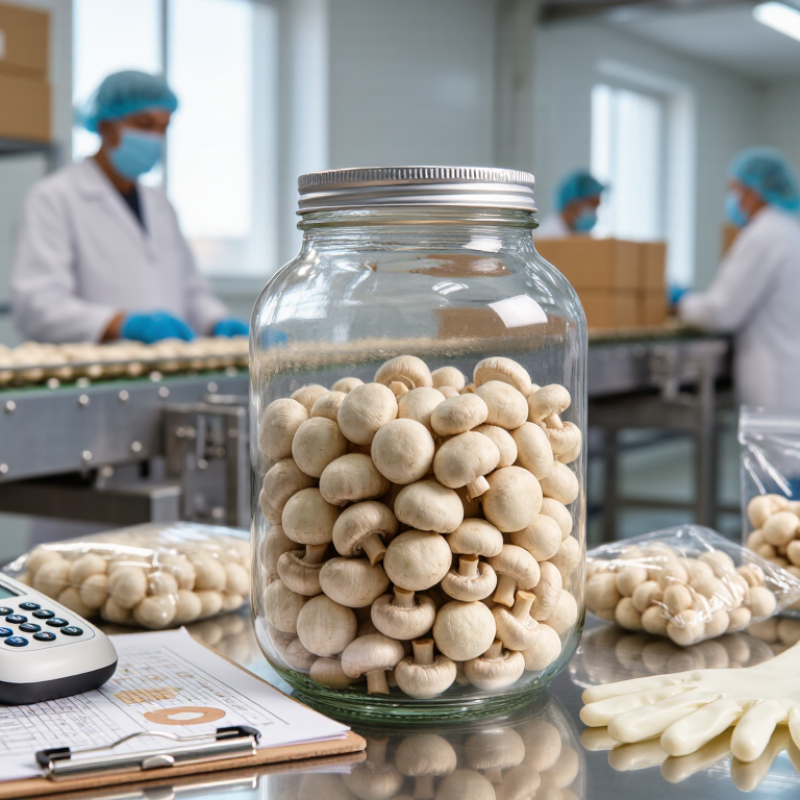
A supplier you can trust should be upfront about species, harvest records, moisture data, water activity, and microbiological test reports. Also ask about their HACCP or ISO 22000 systems, batch traceability, allergen controls, and how well their packaging holds up. Sometimes a simple sample tells you more than a glossy catalog. Put the pieces in a glass jar and check them—they should stay light, crisp, and aromatic, without too much powder.

Details matter.

Suppliers like GreenField Foods, Qingdao Harvest Foods, and other qualified manufacturers might each bring something different to the table—capacity, pricing, processing experience, that sort of thing. Still, verify every company on your own before signing anything. Factory audits, third-party lab tests, and pilot orders can catch weak spots early. And packaging has to protect the product from oxygen, humidity, and light during international shipping.

No supplier is perfect. Even solid factories can hit seasonal variation, paperwork delays, or inconsistent piece sizes. That's why a dependable buying process needs clear specs, retention samples, corrective-action steps, and regular communication. At the end of the day, the best freeze dried mushroom supplier isn't just the cheapest one. It's the partner that can consistently deliver safe, traceable, stable, and commercially suitable mushrooms.
China Best Freeze Dried Mushroom Supplier for Global Buyers?

What Makes China a Leading Freeze-Dried Mushroom Supplier

China Best Freeze Dried Mushroom Supplier for Global Buyers?

What Makes China a Leading Freeze-Dried Mushroom Supplier

China has become a major source of freeze-dried mushrooms for international food manufacturers and distributors. Its advantage begins with diverse growing regions. Different climates support shiitake, oyster, maitake, and other mushroom varieties.

Freeze Dried Shiitake Mushroom products show this strength clearly. Fresh mushrooms are cleaned, sliced, and frozen quickly before moisture is removed under low pressure. This process helps preserve shape, aroma, and useful nutrients. A good batch should have a light texture, clean color, and a noticeable earthy smell.

Production experience also matters. Many Chinese facilities use controlled drying chambers, metal detection, moisture testing, and sealed packaging. These steps reduce quality variation during storage and transport. Export-oriented suppliers often provide batch records, laboratory reports, and traceability documents. Buyers should still review them carefully.

Not every supplier performs equally well. Some samples look attractive but lose flavor after rehydration. This is easy to miss. A practical buyer should test cooking performance, moisture levels, packaging strength, and delivery consistency before placing large orders. Communication matters too, especially when buyers need different cuts, packaging sizes, or private specifications.

China’s broad manufacturing network can support flexible order volumes and competitive production costs. However, price alone should not decide the partnership. Reliable sourcing depends on transparent processes, realistic lead times, and evidence from repeated shipments. Small details often reveal the real supplier.

Key Types of Freeze-Dried Mushrooms Available from China

China Best Freeze-Dried Mushroom Supplier for Global Buyers?

Key Types of Freeze-Dried Mushrooms Available from China

China offers a wide range of freeze-dried mushrooms for food manufacturers and distributors. Common choices include shiitake, oyster, maitake, wood ear, and porcini. Shiitake provides a deep umami taste and firm texture. Oyster mushrooms are lighter, with thin pieces suited to soups and instant meals. Wood ear remains slightly crunchy after rehydration. It is distinctive.

FAOSTAT recorded China’s cultivated mushroom and truffle production above 40 million metric tonnes in 2022. This large agricultural base supports steady raw material access. However, volume alone does not prove quality. Buyers should check harvest season, species identification, drying temperature, moisture, and water activity. A practical specification often requires moisture below 5%, although the exact limit depends on the product.

For bulk purchasing, request a recent certificate of analysis, microbial results, pesticide screening, and heavy-metal testing. Examine the pieces closely. Good freeze-dried mushrooms should look natural, feel crisp, and regain most of their original shape in warm water. Excessive powder may indicate rough handling. MarketsandMarkets reports continued growth in the global freeze-dried food sector, driven by convenience and longer shelf life. Yet texture can vary between batches, even with identical specifications. A pre-shipment sample is wise. I would not approve a large order without it.

Key Freeze-Dried Mushroom Types Available from China

Fresh mushrooms generally contain high levels of water, making freeze-drying an effective method for reducing weight while preserving shape, aroma, and rehydration potential. The comparison below shows representative water content values for commonly traded mushroom types, based on USDA FoodData Central entries for raw mushrooms. Actual values can vary by cultivation conditions and harvest maturity.

How Chinese Freeze-Dried Mushrooms Are Produced

China Best Freeze-Dried Mushroom Supplier for Global Buyers?

How Chinese Freeze-Dried Mushrooms Are Produced

China’s cultivated mushroom industry operates at exceptional scale. FAOSTAT data shows China produced more than 40 million tonnes of mushrooms and truffles in 2022. This large supply supports steady raw-material sourcing, but volume alone does not prove quality.

Production begins with species identification, growing-medium checks, and visual sorting. Workers remove bruised or contaminated mushrooms before washing and trimming. The mushrooms are then sliced or kept whole, depending on buyer specifications. Rapid freezing, usually below -30°C, protects shape and aroma. Inside a vacuum chamber, ice changes directly into vapor through sublimation. Secondary drying removes remaining moisture without intense heat.

Small details matter.

Processors should monitor water activity, moisture content, color, and microbial results. Many export facilities follow HACCP or ISO 22000 systems. A certificate of analysis should match each batch, not just a company profile. According to the International Trade Centre, China remains a major global supplier of processed food ingredients, supported by extensive export infrastructure. Still, public data rarely separates freeze-dried mushrooms clearly. Buyers should question broad market claims.

Tips: Request the species name, growing origin, drying temperature, moisture specification, water-activity result, allergen statement, and recent laboratory report. Ask for a retention sample too. Packaging should use high-barrier, sealed materials with oxygen control. Some suppliers focus heavily on appearance. Texture can still disappoint after rehydration. A practical cooking test reveals more than photographs.

China Best Freeze-Dried Mushroom Supplier for Global Buyers? - How Chinese Freeze-Dried Mushrooms Are Produced

The specifications below represent common commercial practices and typical quality targets used in the freeze-dried mushroom industry. Actual parameters vary by mushroom species, slice thickness, equipment, packaging format, and buyer requirements.

Production Stage Typical Process Data Quality Control Focus Why It Matters to Global Buyers
Raw Material Selection Common commercial species include shiitake, oyster mushroom, wood ear, maitake, and white or brown button mushrooms. Fresh mushrooms are normally selected for sound texture, mature appearance, and freedom from visible decay. Species identification, freshness, foreign-matter inspection, and supplier traceability. Consistent species and raw-material quality help control flavor, color, rehydration performance, and final yield.
Cleaning and Trimming Mushrooms are cleaned with potable water or approved food-processing methods and trimmed to remove soil, damaged tissue, and unwanted stems. Excess surface water is removed before freezing. Sanitation, removal of physical contaminants, and control of excess moisture. Effective preparation reduces contamination risk and supports uniform freezing and drying.
Cutting and Size Grading Products may be supplied whole, sliced, diced, granulated, or powdered. A common commercial slice thickness is approximately 3–8 mm, depending on the product specification. Uniform dimensions, low breakage, and consistent batch appearance. Consistent particle size improves portion control, cooking performance, and retail presentation.
Pre-Freezing Prepared mushrooms are typically frozen to approximately −30°C to −40°C before or during primary freeze-drying. Faster freezing generally produces smaller ice crystals. Core temperature, freezing uniformity, loading density, and product geometry. Proper freezing helps preserve cellular structure, color, aroma, and rehydration capacity.
Primary Freeze-Drying Under vacuum, ice is removed mainly by sublimation. Commercial freeze-drying commonly uses low-pressure conditions, often below approximately 100 Pa, although the exact setting depends on equipment and product load. Shelf temperature, chamber pressure, product temperature, and sublimation rate. Controlled primary drying limits structural collapse and protects the characteristic shape of the mushroom.
Secondary Drying A secondary drying phase removes a portion of the remaining bound moisture. Product temperature and time are adjusted to reach the required moisture and water-activity targets without excessive quality loss. Residual moisture, water activity, color, aroma, and texture. Adequate secondary drying improves storage stability and reduces the risk of microbial growth.
Typical Finished Moisture Target Many commercial freeze-dried mushroom products target approximately 2%–5% moisture, subject to species, format, and buyer specification. Moisture testing by a validated laboratory or calibrated moisture analyzer. Lower and consistent moisture helps preserve crispness, reduce caking, and extend shelf stability.
Typical Water Activity Target A common commercial target is water activity below approximately 0.30. The final limit should be confirmed for the specific product and intended market. Water-activity measurement, batch release records, and packaging integrity. Water activity is more directly related than moisture content to microbial growth and product stability.
Rehydration Performance Properly freeze-dried mushrooms generally regain much of their original size and texture after soaking or cooking. Rehydration time commonly ranges from approximately 5–20 minutes, depending on size and species. Rehydrated appearance, firmness, flavor, odor, and drained weight. Good rehydration performance is important for soups, sauces, ready meals, foodservice, and ingredient applications.
Sorting and Metal Detection Dried pieces are sorted by appearance and size, then passed through appropriate foreign-material controls such as sieving and metal detection. Foreign matter, burnt pieces, excessive powder, discoloration, and metal fragments. These controls support food safety, buyer specifications, and import inspection requirements.
Microbiological Testing Typical testing programs may include total plate count, yeast and mold, coliforms or Enterobacteriaceae, and Salmonella testing when required by the customer or destination market. Results must comply with applicable food regulations and the agreed product specification. Documented microbiological control helps reduce border, retail, and foodservice compliance risks.
Packaging Common formats include multilayer moisture-barrier bags, vacuum packaging, and nitrogen-flushed packaging. Desiccants or oxygen absorbers may be used when appropriate and legally permitted. Seal integrity, oxygen exposure, moisture transmission, net weight, and label accuracy. Barrier packaging protects the porous product from humidity, oxidation, odor absorption, and texture loss during transport.
Storage and Transport Finished products are generally stored in a cool, dry, clean environment, protected from direct sunlight and humidity. A commercial shelf life of approximately 12–24 months may be used only when supported by packaging and stability data. Temperature, relative humidity, stock rotation, carton condition, and seal protection. Controlled logistics help maintain low water activity and preserve product quality throughout international shipping.
Export Documentation Depending on the destination, buyers may request a product specification sheet, certificate of analysis, packing list, commercial invoice, certificate of origin, and applicable food-safety or phytosanitary documents. Document accuracy, lot-code consistency, regulatory compliance, and traceability. Complete documentation supports customs clearance and simplifies supplier qualification.

Quality Standards for Global Mushroom Buyers

For global mushroom buyers, quality begins with traceable evidence, not attractive packaging. FAOSTAT production data show global mushroom and truffle output exceeded 12 million tonnes in 2022. That scale increases the need for consistent raw materials. Each lot should carry the species, growing region, harvest date, drying record, and batch number. A simple paper trail matters.

It does.

Freeze drying should protect color, aroma, structure, and nutrients through controlled temperature and vacuum conditions. For Freeze Dried Mushroom Powder, buyers should review moisture and water activity results, often targeting water activity below 0.30 when validated for the product. Testing must also cover microbiology, heavy metals, pesticide residues, and foreign materials. These controls align with Codex CXC 1-1969 food hygiene principles and ISO 22000 food safety systems. Local import rules still decide the final limits.

A certificate alone is not enough. Ask for accredited laboratory reports, sampling methods, calibration records, and retained samples. The Global Food Safety Initiative recognizes audited schemes that strengthen supplier verification, but audits can miss process changes between visits. This is where experience helps. I would compare three consecutive batches before approving regular supply. Even then, no specification is perfect; powder can absorb moisture after opening, and natural mushrooms vary in color. Good buyers leave room for that reality while requiring documented corrective action.

Packaging, Storage, and Shipping Requirements

China Best Freeze Dried Mushroom Supplier for Global Buyers?

Packaging, storage, and shipping decide whether freeze-dried mushrooms arrive crisp, aromatic, and safe. FAO reports that 13.2% of food is lost between harvest and retail. Moisture exposure during transit remains a practical cause. High-barrier pouches should block water vapor, oxygen, and light. Many processors use multilayer films, nitrogen flushing, and food-grade desiccants. Each pouch needs a strong, continuous heat seal. One weak seal can damage an entire carton.

A reliable supplier should verify water activity, moisture content, seal strength, and microbial results before dispatch. Food scientists commonly use water activity below 0.60 to restrict the growth of most bacteria. For fragile dried products, lower internal moisture is often preferred. However, targets must match the mushroom species and validated process. Codex General Principles of Food Hygiene recommends documented controls across storage and transport. Clear lot codes and production dates support traceability. Do not accept vague “long shelf life” claims.

Storage should remain cool, dry, clean, and away from sunlight. Relative humidity below 65% is a sensible operational target, but it still requires monitoring. During sea shipping, sealed cartons should sit on pallets, not directly on container floors. A temperature and humidity data logger can reveal condensation risks. Desiccants help, but they are not magic. I would request packaging samples, seal-test records, and a simulated shipment before approving large orders. Even good systems sometimes fail at the final loading step.

How to Select the Right Chinese Supplier

Selecting the right Chinese Freeze Dried Mushroom Powder Manufacturer requires more than comparing prices. Ask for the species, growing region, harvest season, and processing flow. A reliable supplier should show batch records, product specifications, and traceability from farm to sealed pouch.

The China Edible Fungi Association reported China produced over 40 million tonnes of edible mushrooms in recent years. That scale creates opportunity, but also uneven quality. Request independent test results for moisture, water activity, microbial limits, heavy metals, and pesticides. Freeze-dried powder should dissolve evenly, without a burnt smell or excessive darkening. Small details matter.

The supplier should explain freeze-drying temperatures, milling conditions, mesh size, and packaging protection. Ask whether nitrogen flushing is used and how warehouse humidity is controlled. FAO data shows mushrooms are highly perishable, making rapid processing and cold-chain handling important before drying. Certifications such as HACCP or ISO 22000 support confidence, but certificates alone are not proof of daily performance.

Order samples from two or three production batches. Check color, aroma, solubility, and sediment in a glass of warm water. I would also compare the supplier’s certificate with independent laboratory results. They may not match perfectly; that is a useful warning, not an automatic rejection. Clarify minimum order quantities, lead times, recall procedures, and export documentation before signing. A short video call inside the factory can reveal more than polished brochures.

Import Considerations for International Buyers

China Best Freeze Dried Mushroom Supplier for Global Buyers?

Importing freeze-dried mushrooms from China requires more than comparing prices. Grand View Research estimates the global freeze-dried food market could grow at about 8.1% annually from 2024 to 2030. This growth increases supplier choices, but also raises verification pressure. Request the product specification, botanical name, country of origin, lot number, moisture level, and microbial test results. A reliable supplier should provide traceable documents, not only attractive product photos.

Check destination-country rules before payment. The U.S. FDA requires food facility registration and prior notice for applicable imports. European buyers should review pesticide limits, contaminants, labeling language, and customs classification under current EU requirements. FAO and WHO food-safety guidance emphasizes hazard control throughout drying, storage, and transport. Freeze-dried products are lightweight, yet they can absorb moisture quickly. A damp inner bag may leave soft pieces, dark spots, or mold risk.

Tips: Ask for an independent laboratory report from the exact production lot. Verify packaging with a sample inspection. For Air Dried Mushroom products, confirm drying temperature, final moisture, sulfur treatment, and texture separately. Do not assume air-dried and freeze-dried goods share the same shelf life. I have seen specifications look complete while missing water activity data. That gap deserves attention. Use moisture-barrier packaging, desiccants where permitted, and temperature-controlled storage when the route is humid. Check certificates directly with the issuing laboratory. Mistakes happen. A small pre-shipment audit is usually cheaper than rejected cargo.

Mushroom Powder: Benefits, Uses, Types, and Tips for Choosing the Right Product

Mushroom powder offers a practical way to add concentrated flavor, aroma, and umami to everyday formulations. Industry reports reflect growing interest in mushrooms: MarketsandMarkets estimated the global mushroom market at approximately USD 50 billion in 2022 and projected continued expansion through 2027, supported by demand for convenient foods and plant-based ingredients. Powdered mushrooms are especially useful because they are easy to store, measure, and blend into soups, sauces, gravies, seasonings, snacks, instant meals, meat products, and plant-based foods. Their benefits are primarily culinary, while their nutritional value varies according to the species and processing method.

Choosing the right type depends on the desired flavor profile. Champignon powder provides a mild, familiar mushroom note; shiitake delivers deeper umami; oyster and king oyster powders offer a gentle, savory character; porcini contributes a rich, earthy aroma; and lion’s mane is suitable for formulations seeking a distinctive mushroom identity. Mixed mushroom powder can create greater flavor complexity. Buyers should review species, origin, moisture content, particle size, microbiological specifications, allergen controls, packaging, and whether the powder is made from whole mushrooms or extracts. Manufacturers may also request customized blends to match application, dosage, and sensory targets.

FAQS

Why is China a major supplier of freeze-dried mushrooms?

China has varied growing regions and supports several mushroom varieties. Different climates help maintain broad product choices. Production capacity is also flexible. Still, supplier quality can vary.

How are freeze-dried mushrooms processed?

Fresh mushrooms are cleaned, sliced, and frozen quickly. Moisture is then removed under low pressure. This process helps preserve shape, aroma, and nutrients. The final pieces should feel light and dry.

What quality signs should buyers check?

Look for clean color, crisp texture, and an earthy aroma. Rehydrated mushrooms should retain flavor and reasonable structure. A beautiful sample can still disappoint during cooking. Taste testing matters.

Which documents should a supplier provide?

Request batch records, laboratory reports, and traceability documents. Check moisture, water activity, microbial results, and production dates. Lot codes should match the shipping records. Do not rely on vague shelf-life statements.

What packaging protects freeze-dried mushrooms during shipping?

High-barrier pouches should resist moisture, oxygen, and light. Multilayer films can provide stronger protection. Nitrogen flushing and food-grade desiccants may help. Every pouch needs a continuous heat seal. One weak seal can affect a carton.

How should these products be stored?

Store them in a cool, dry, clean area away from sunlight. Relative humidity below 65% is a practical target. Monitor the room instead of guessing. Humidity causes trouble.

What shipping details should buyers confirm?

Cartons should remain sealed and rest on pallets. They should not sit directly on container floors. Temperature and humidity data loggers can reveal condensation risks. A simulated shipment can expose weak packaging before large orders.

Should price decide the supplier partnership?

No. Compare quality, lead times, communication, and delivery consistency. Ask for samples with different cuts or package sizes when needed. Review repeated shipments, not only one successful order. I would still keep a backup plan.

Conclusion

China has become a major source of Freeze Dried Mushroom products because of its diverse mushroom resources, established agricultural supply chains, advanced processing capacity, and competitive production costs. Global buyers can find a variety of options, including whole mushrooms, slices, pieces, and mushroom powders, with products suitable for food manufacturing, retail, catering, and ingredient applications. The freeze-drying process removes moisture at low temperatures while helping preserve flavor, aroma, texture, nutrients, and shelf stability.

For international buyers, product quality should be evaluated through raw material traceability, hygienic processing, moisture control, microbiological testing, and clear documentation. Proper moisture-proof packaging, cool and dry storage, and suitable shipping conditions are essential for protecting product quality during transportation. Buyers should also assess supplier experience, production capacity, customization options, communication, certifications, sample quality, and inspection procedures. Before importing, they should confirm labeling, documentation, customs requirements, permitted ingredients, and destination-market regulations to support a smooth and compliant purchasing process.
Ethan

Ethan

Ethan is a dedicated marketing professional at Shanghai Shundi Food Co., Ltd., where he leverages his extensive knowledge and expertise in the food industry to drive the company's success. With a deep understanding of the company's core business, which focuses on delivering high-quality food......
Previous What Is the Best Dried Chili Supplier in China?