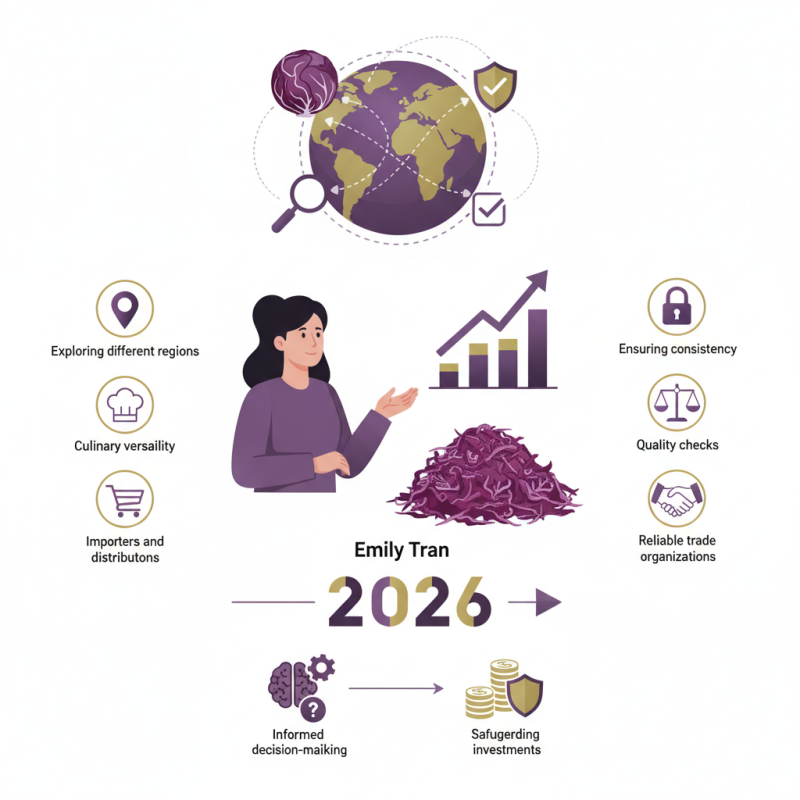
As the world of global sourcing keeps changing, figuring out how to buy Dried Red Cabbage becomes more and more important. Experts like Emily Tran, who’s a well-known analyst in the food industry at Green Leaf Imports, often stress just how crucial quality is. I remember she once said, "Getting your sourcing right can really make or break the market for Dried Red Cabbage." That kind of hits home, right? It’s clear that doing your homework and making smart choices really matter here.
Lately, there’s been a surge in demand for Dried Red Cabbage — people are loving it because of its health perks and how versatile it is in cooking. If you’re an importer or distributor, it’s a smart move to get to know different suppliers. Checking out various regions can also help you find unique flavors and qualities. But let’s be honest, sourcing isn’t always a walk in the park. Keeping products consistent and authentic can sometimes be tricky.
Getting through this market world requires a mix of know-how and a bit of caution. Misinformation or rushing can lead to some pretty bad purchasing decisions. So, it’s super important to do quality checks whenever you’re sourcing Dried Red Cabbage. Also, connecting with trustworthy trade organizations can offer helpful insights and keep risks in check. Yeah, it might seem like a hassle, but taking these steps really helps protect your investments in the long run.
Understanding Dried Red Cabbage: Nutritional and Culinary Benefits
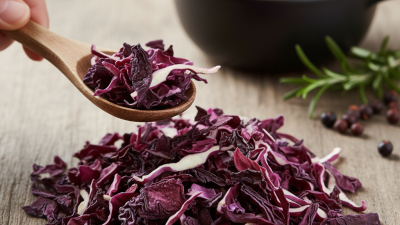
Dried red cabbage is a nutritional powerhouse. Packed with vitamins K and C, it's known for its antioxidant properties. This versatile ingredient adds a unique flavor to various dishes. Its deep purple color enhances visual appeal, making meals more enticing.
When exploring culinary benefits, consider using dried red cabbage in salads or soups. It rehydrates well and maintains its crisp texture. Splash it into stir-fries or use it as a vibrant topping for tacos. The flavor profile is slightly sweet, offering a delightful contrast to savory elements.
Tips: Store dried red cabbage in a cool, dry place. Ensure the packaging is airtight to preserve freshness. Experiment with different cooking methods to find your favorite way to enjoy it. Remember, balancing flavors will elevate your dishes.
Global Market Trends for Dried Red Cabbage in 2026
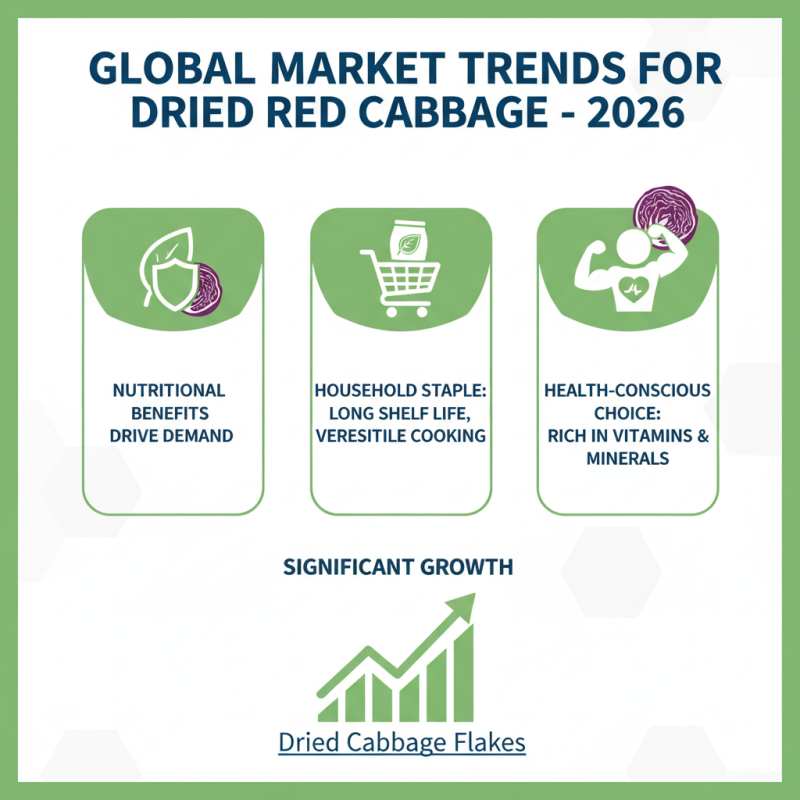
In 2026, the global market for dried red cabbage is set to experience significant growth. Consumers are increasingly aware of the nutritional benefits of this vegetable. Dried Cabbage Flakes are becoming a staple in many households. They offer a long shelf life and versatility in cooking. Health-conscious individuals value these flakes for their vitamins and minerals.
Market trends indicate a shift towards organic and sustainably sourced dried cabbage. This demand is driven by consumers seeking healthier options. Many suppliers are adapting to these preferences, focusing on quality and purity. However, challenges remain. Sourcing reliable suppliers is crucial. Not all products labeled as organic meet the standards. Thus, potential buyers must do thorough research.
The international market is also affected by climate changes. Weather can impact cabbage production, leading to variability in supply. This uncertainty poses risks to those looking to buy dried cabbage flakes. It's important to monitor market fluctuations and consumer preferences closely. Understanding these dynamics can help in making informed purchasing decisions.
Key Suppliers and Regions for Sourcing Dried Red Cabbage
When sourcing dried red cabbage, understanding the key suppliers and regions is crucial. Europe, particularly countries like Germany and Poland, is known for high-quality
Dried Cabbage Leaves. These regions have a long tradition of vegetable processing. Local farmers often cultivate organic cabbage varieties, which enhances the product's appeal. However, fluctuating weather patterns can affect crop yields. Buyers should stay informed about these conditions.
In North America, you can find reliable suppliers in the United States and Canada. These regions have developed efficient supply chains for dried cabbage leaves. Many suppliers focus on sustainability and organic certification. Challenges may arise from differing standards in food safety regulations. This can complicate the sourcing process. It’s essential to verify that suppliers meet your specific health and safety requirements.
Asia is also emerging as a significant player in the dried cabbage market. Countries like China and India offer diverse sourcing options. Their processing techniques may differ from Western standards, which can impact product quality. Building relationships with local suppliers can aid in navigating these complexities. As the market evolves, paying attention to supplier credibility becomes vital for successful sourcing.
Evaluating Quality Standards and Certifications for Dried Red Cabbage
When sourcing dried red cabbage globally, understanding quality standards is crucial. Evaluating certifications helps ensure product integrity. Different countries have varying benchmarks. Some may adhere to organic certifications, while others focus on safety standards. Familiarizing yourself with these different requirements is essential for reliable sourcing.
The aroma and color of dried red cabbage are indicators of quality. Freshly dried products retain vibrant hues. Look for uniformity in texture and size. Discrepancies might signal poor processing methods. Not all suppliers meet stringent quality checks, increasing the risk of subpar products. Trustworthy sources typically provide transparency regarding their practices.
Chinese Dried Cabbage has gained attention for its unique flavor profile. However, it's vital to verify that it meets industry standards. Inconsistent quality can arise from inadequate drying methods or improper storage. Engage with suppliers who prioritize sustainability and food safety. These discussions can reveal much about their commitment to quality.
Logistics and Shipping Considerations for International Sourcing
When sourcing dried red cabbage globally, logistics and shipping play crucial roles. Understanding the supply chain is vital. Consider shipping routes and transit times. A reliable shipping partner is essential to ensure timely delivery. Assess their experience with international shipments of perishable goods. Track records can reflect a partner's capability.
Customs regulations should not be overlooked. Each country has unique import requirements for food products. Ensure compliant documentation is ready to prevent delays. A lack of knowledge about regulations can lead to costly mistakes. Investing time in research can save headaches later on.
Packaging is another significant factor. The right packaging maintains product quality during transit. Think about how the cabbage will be protected from moisture and light. This consideration may seem minor, but it can impact the product's overall quality. Some buyers may overlook this step, only to regret it later. Being meticulous about logistics ensures a smoother importing experience.
Cost Factors and Pricing Analysis for Dried Red Cabbage
When considering the purchase of dried red cabbage for global sourcing in 2026, understanding cost factors is crucial. According to industry reports, the global market for dried vegetables is expected to reach USD 24 billion by 2026, with red cabbage playing a significant role. The pricing of dried red cabbage can vary based on factors such as origin, processing methods, and supply chain efficiencies. For example, dried red cabbage sourced from Europe might be priced differently than that from Asia due to varying labor and transportation costs.
Market trends highlight that organic dried red cabbage commands a premium price, often 20% higher than conventional options. This price difference can be attributed to the increasing consumer demand for organic produce. Quality assurance and certifications can also influence pricing. Suppliers showcasing certifications often build trust, which can justify higher prices.
Tip: When negotiating prices, ask about bulk buying discounts. Suppliers may prefer volume sales, leading to potential cost savings for your business.
Keep in mind that fluctuations in raw material costs may impact prices. For instance, a poor harvest season can lead to scarcity and higher prices. Informed sourcing requires continuous monitoring of market dynamics. It's essential to stay updated on the latest trends and statistics to make knowledgeable purchasing decisions. This vigilance can help ensure you are not caught off guard by unexpected price hikes.
Negotiating Best Practices with Dried Red Cabbage Suppliers
Negotiating with suppliers for dried red cabbage requires a strategic approach. It’s essential to establish clear communication channels. Suppliers value transparency and commitment. In discussions, outline your expectations clearly. Share your vision for the partnership. This sets a productive tone for negotiations.
Tips: Always do your homework before initiating talks. Research market prices for Dried Cabbage. Understand current trends and demand. This knowledge equips you to negotiate better terms. Flexibility can work in your favor. Be willing to adjust your orders based on suppliers’ feedback. This collaboration fosters goodwill and strengthens relationships.
While negotiating low prices may seem tempting, consider quality over cost. Sometimes, low-quality dried cabbage leads to greater expenses later. Evaluate potential suppliers thoroughly. Request samples to assess product quality. Trust your instincts. If a supplier seems evasive, it may be a red flag. Establishing a strong partnership takes time. Patience and diligence pay off in the long run.
Exploring the Nutritional Benefits and Culinary Uses of Red and Green Bell Peppers
Red and green bell peppers are not only visually appealing but also packed with nutritional benefits. They are an excellent source of vitamins A, C, and E, as well as antioxidants that can help combat oxidative stress in the body. According to the USDA, bell peppers provide significant amounts of fiber and essential vitamins, making them a valuable addition to a healthy diet. Furthermore, consuming a variety of colorful vegetables, including bell peppers, is linked to a reduced risk of chronic diseases, emphasizing their role in promoting overall health.
In culinary applications, air-dried bell pepper products enhance flavor and convenience. With options available in flakes, granules, and powder, these dehydrated peppers can easily be incorporated into various dishes. They are particularly useful for home cooks and professional chefs alike, as they can be rehydrated for use in soups and stews or sprinkled onto salads and pizzas for a burst of color and taste. Research indicates that air-drying preserves much of the nutritional content of the peppers, ensuring that you benefit from their health properties while enjoying their rich flavor in your meals. This versatility makes air-dried bell peppers a staple in modern kitchens, bridging the gap between nutrition and convenience.
FAQS
: Dried red cabbage is rich in vitamins K and C. It also has antioxidant properties.
Add it to salads, soups, or stir-fries. It rehydrates well and adds a unique flavor.
Keep it in a cool, dry place. Use airtight packaging to maintain freshness.
Shipping logistics are crucial. Choose a reliable partner for timely delivery.
Each country has specific import requirements. Proper documentation prevents delays and mistakes.
Prices vary by origin, processing methods, and demand. Organic options are usually more expensive.
Asking for bulk discounts can lead to significant savings. Suppliers often prefer larger sales.
Stay updated on market changes. Fluctuations in supply can impact pricing and availability.
Packaging protects against moisture and light. Attention to detail can maintain product quality.
It's easy to overlook small details. Being meticulous now can save problems later.
Conclusion
This article outlines a comprehensive guide on purchasing dried red cabbage for global sourcing in 2026. It begins by exploring the nutritional and culinary benefits of dried red cabbage, highlighting its appeal as a versatile ingredient in various cuisines. The discussion then shifts to global market trends anticipated for 2026, emphasizing key suppliers and regions that dominate the sourcing landscape.
Moreover, the article addresses important factors such as quality standards and certifications necessary for ensuring product reliability. Logistics and shipping considerations are also detailed, underscoring the importance of efficient supply chain management in international sourcing. Finally, it provides a thorough analysis of cost factors and pricing trends, along with best practices for negotiating with suppliers, ensuring that buyers are well-equipped to make informed decisions in the dried red cabbage market.