So, the global market for potato powder is really picking up speed. Businesses need to pay close attention to quality and innovation if they want to stay ahead. I recently came across a report by Grand View Research that says the market might hit around USD 6.9 billion by 2026, growing at roughly 5.3% annually. That definitely indicates that folks are looking for top-notch potato powder, and it’s attracting buyers from all over the world.
Big names like Agrana and Idaho Pacific Holdings are really leading the charge when it comes to producing premium potato powder. They’re investing in things like better drying tech and strict quality checks — which is pretty cool. But, it’s not all smooth sailing; there are definitely some hurdles like fluctuating raw material prices and the push for more sustainable sourcing practices. If you’re on the hunt for good suppliers, keeping an eye on these issues is a smart move.
And let’s not forget — quality assurance is a big deal in this industry. Having the right certifications and following food safety standards isn’t just a formality; it’s what builds trust between buyers and sellers. The market’s always changing, so companies need to stay on their toes, constantly improving. Bottom line? Those who focus on delivering quality and building honest partnerships are the ones who’ll truly stand out and succeed in this fast-paced world.
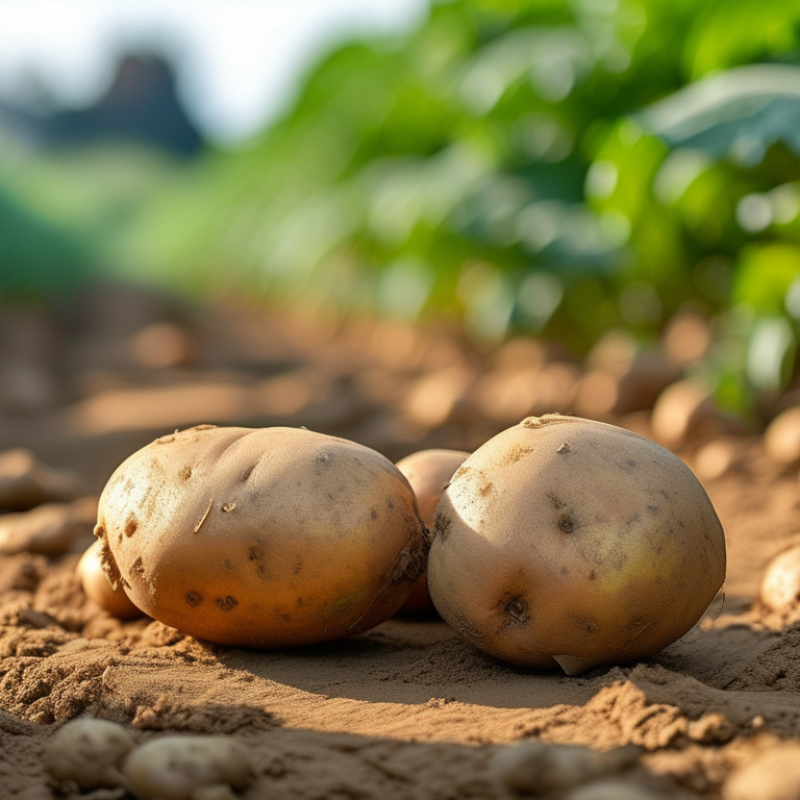
Overview of Potato Powder and Its Global Demand
Potato powder has become increasingly popular across the globe. It is known for its versatility and ease of use. This fine powder can be utilized in various culinary applications, from soups to sauces. Growing demand reflects its status as a staple ingredient in many international cuisines. The nutritional profile of potato powder boasts high fiber content and essential vitamins. These qualities are attracting health-conscious consumers.
The global demand for potato powder is influenced by trends such as plant-based diets and convenience foods. Food manufacturers are constantly seeking quality potato powder to meet consumer preferences. However, not all potato powders are created equal. Some may lack the flavor or texture expected. Quality assurance is a crucial consideration for buyers and suppliers alike.
Sourcing premium potato powder requires knowledge of the supply chain. Understanding processing methods can impact the final product's quality. This awareness can guide buyers in making informed decisions. The market is vast but can appear overwhelming. A thoughtful approach can lead to better choices that meet both quality and cost expectations.
Top Quality Indicators for Selecting Potato Powder
Selecting quality potato powder is essential for global buyers. Several indicators help determine the best products. First, look for the source of the potatoes. Diverse growing regions can affect flavor and nutritional content. Research by the International Potato Center highlights that factors like soil quality and climate significantly influence potato characteristics.
Another key indicator is the processing method. Freeze-dried, for instance, retains more nutrients compared to spray-dried options. Studies show that freeze-drying can preserve up to 90% of vitamins, compared to only 50% in some other methods. It is also essential to check for any additives. High-quality potato powder should have minimal, if any, preservatives or fillers. For instance, Sweet Potato Powder often showcases its natural sweetness without any enhancements.
**Tips:** Always inspect packaging for certification labels. Look for organic certification to ensure product integrity. Consider sampling different brands before bulk purchasing. Assess both flavor and texture. These will influence your culinary applications. Quality varies widely, so take time to research suppliers.
2026 Best Potato Powder for Global Buyers Need Quality? - Top Quality Indicators for Selecting Potato Powder
| Quality Indicator |
Description |
Standard Value |
| Color |
Uniform light tan color, consistent with high-quality potato. |
Hex #D8CBB3 |
| Moisture Content |
Percentage of moisture retained in the powder. |
Maximum 10% |
| Protein Content |
The amount of protein per 100g of the powder. |
Minimum 6g |
| Ash Content |
The amount of inorganic residue after combustion. |
Less than 3% |
| Granulometry |
The size distribution of particles in the powder. |
80% pass through 60 mesh |
Leading Manufacturers of Potato Powder Worldwide
The global potato powder market is experiencing steady growth. According to recent industry reports, the market is projected to reach USD 4.3 billion by 2026. This expansion is driven by its versatile applications in food, pharmaceuticals, and cosmetics. Notably, the nutritional benefits and cost-effectiveness of potato powder have made it an appealing ingredient for manufacturers worldwide.
Leading manufacturers are investing in quality control measures. They emphasize the importance of sourcing high-quality raw potatoes. Advanced processing technologies ensure that the final product retains essential nutrients. In fact, a recent survey indicated that about 75% of consumers prioritize quality over price when selecting potato-based products. The competitive landscape reveals that innovative production methods can enhance product quality and expand market reach. Yet, challenges like supply chain disruptions and fluctuating raw material prices persist.
Research shows the increasing demand for clean-label products. Many manufacturers are now exploring organic and non-GMO options. This shift reflects consumer preferences for healthier, more sustainable choices. However, adhering to quality standards remains a complex task. Balancing production efficiency with product integrity requires continuous evaluation of processes. Manufacturers must navigate these obstacles to meet rising consumer expectations while maintaining profitability.
Health Benefits and Nutritional Value of Potato Powder
Potato powder is gaining attention for its health benefits and nutritional value. It is a versatile ingredient, rich in vitamins and minerals. Potatoes are packed with potassium, which aids in maintaining blood pressure. The fiber in potato powder supports digestive health, making it an excellent choice for many diets.
Incorporating Purple Sweet Potato Powder into your meals can enhance their nutritional profile. This unique powder is known for its antioxidants. These compounds help in fighting free radicals, potentially lowering the risk of chronic diseases. Additionally, its vibrant color adds visual appeal to dishes. Many people overlook the importance of color in food but it can stimulate appetite and enhance enjoyment.
**Tips:** Experiment with purple sweet potato powder in smoothies or baked goods. Use it to replace part of regular flour for added nutrients. Don’t be afraid to mix it in sauces for a unique flavor and color boost. Keep in mind, while the powder offers benefits, moderation is key. Each individual's dietary needs are different and should be considered.
Application of Potato Powder in Food Industry
Potato powder has carved a niche in the food industry, thanks to its versatility and nutritional benefits. Chefs and food manufacturers use it to enhance the texture of various products. It can act as a thickening agent in soups and sauces. Additionally, potato powder provides a gluten-free alternative for baking. Many consumers are drawn to products made with
Purple Potato Powder, as it is rich in antioxidants. This variety also offers a vibrant color, making dishes visually appealing.
Creating new recipes can be challenging. Often, the right balance of flavors and textures is hard to achieve. Potato powder can facilitate this process by adding moisture and improving mouthfeel. However, not all potato powders are equal. Buyers should be cautious when selecting suppliers. Quality control is crucial to ensure the product meets safety standards and offers consistent performance.
The use of potato powder in the food industry continues to evolve. Innovations are occurring, but there are still gaps in understanding its full potential. Manufacturers might overlook the benefits of purple potato powder, focusing solely on traditional varieties. This can lead to missed opportunities to delight consumers with unique flavors and health benefits. Each batch of potato powder can behave differently, making it imperative for professionals to test and refine applications regularly.
Price Trends and Market Analysis for Potato Powder
The potato powder market is experiencing notable price fluctuations. These trends reflect supply chain disruptions and varying global demand. Factors such as weather conditions, crop yields, and production costs influence pricing. Buyers should be aware of these variables when purchasing.
In recent months, prices have shown an upward trajectory. The increasing popularity of plant-based diets has heightened the demand for potato powder. But the supply remains inconsistent. This imbalance can create uncertainty for buyers. Additionally, marketing strategies from various suppliers can affect perceived value.
Navigating this market requires careful consideration. Buyers should assess quality and consistency. Establishing strong relationships with suppliers can be beneficial. It's essential to stay informed about market trends and potential disruptions. This knowledge aids in making strategic purchasing decisions. While the market can be unpredictable, understanding these dynamics can lead to successful outcomes.
Future Outlook and Innovations in Potato Powder Production
As global demand for potato products rises, the innovation in potato powder production is crucial. Advances in processing technology have revolutionized the way Potato White Powder is made. This innovation enhances nutrient retention and texture, which are vital for culinary applications. Modern methods focus on minimizing waste and maximizing flavor, catering to consumer preferences for quality.
Sustainability remains a challenge in potato powder production. While innovations improve yield, they also demand scrutiny regarding environmental impact. Many producers invest in eco-friendly practices, like water conservation and energy-efficient machinery. However, not all manufacturers prioritize these practices, leading to inconsistencies in quality.
Future prospects are promising, yet they require careful consideration. The shift towards organic potato white powder reflects the industry's response to health-conscious consumers. However, ensuring the quality of organic ingredients poses its own set of challenges. Meeting the increasing standards can prove daunting for some producers facing pressure on profit margins. Continuous improvement and adaptation will be essential for success in this competitive market.
Global Potato Powder Production (2022-2026)
FAQS
: Potato powder is versatile. It can be used in soups, sauces, and various dishes.
Growing interest in plant-based diets and convenience foods drives demand for potato powder.
Potato powder is rich in fiber, vitamins, and potassium, supporting digestion and overall health.
Buyers should consider sourcing from reliable suppliers and understand processing methods for better quality.
Weather, crop yields, and production costs play a significant role in potato powder price fluctuations.
Yes, adding unique powders like purple sweet potato can increase nutrients and visual appeal.
Experiment by replacing part of flour in baked goods or adding it to sauces for flavor.
Moderation is key. Each person's dietary needs are different, so consider individual requirements.
Stay informed about trends and develop strong supplier relationships for better risk management.
Quality and consistency can vary. Some potato powders may not meet flavor or texture expectations.
Conclusion
Potato powder has gained significant global demand due to its versatility and nutritional value. The article outlines key indicators for assessing quality, emphasizing the importance of selecting the right potato powder based on texture, flavor, and purity. It highlights leading manufacturers contributing to the market while discussing the health benefits associated with incorporating potato powder into diets.
Additionally, the application of potato powder in the food industry is explored, showcasing its role in various products from snacks to health supplements. Price trends and market analysis provide insight into the economic aspects of potato powder, while a look towards the future suggests ongoing innovations in production methods. Overall, potato powder remains a valuable ingredient with promising growth potential in the global market.