Email: sales@shundifoods.com Tel: +86-21-64280601


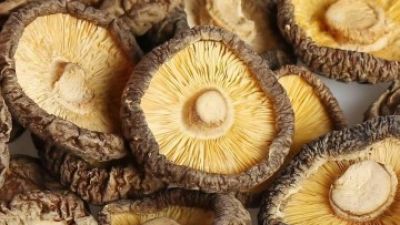
Lately, buyers around the world are taking another look at their mushroom supply chains. Dried Shiitake, in particular, is still a big hit — folks love it for its rich umami flavor, long shelf life, and how easy it is to store. The demand is really ramping up not just in restaurants and supermarkets, but also in instant meal kits and plant-based foods. There’s definitely a genuine opportunity here.
If you're into tracking market trends, FAOSTAT offers solid data on global mushroom and truffle production, while ITC Trade Map helps keep an eye on international trade in dried mushrooms. These tools can give you a good sense of where markets are headed, where mushrooms are coming from, and how much is being traded globally. Plus, according to industry reports from places like Grand View Research and IMARC Group, Asia-Pacific is really leading the charge when it comes to mushroom farming and processing. Just a heads-up, though—the data often lumps different types of mushrooms together, so it’s worth paying attention to that.
This guide reviews ten dried Shiitake suppliers based on practical buying criteria — things like cap size, moisture control, whether they process without sulfur, packaging strength, certifications, export experience, and how well they can trace each lot. When buying, don’t forget to ask for lab test results, details about harvests, allergen info, and clear shelf-life data. Remember, a really fragrant box doesn’t mean much if you don’t have the proper documentation — quality can vary a lot.
We also look at different product formats. A traditional dried mushroom cap might work perfectly for broths and wholesale kitchens. But a freeze-dried Shiitake is lighter and rehydrates faster. Still, you'll want to test how it works in actual recipes — appearance alone isn’t enough. Keep in mind that no supplier is perfect — prices go up and down, harvests change, and your needs might be different from someone else’s. This guide is meant to help with due diligence, not replace it. Reliable suppliers will be upfront about any weaknesses, will communicate shipment risks clearly, and will keep their specs consistent over time. That’s how you really tell if they’re professionals.
In the end, it’s all about experience — knowing what to ask, what to expect, and trusting the suppliers who are open and consistent.
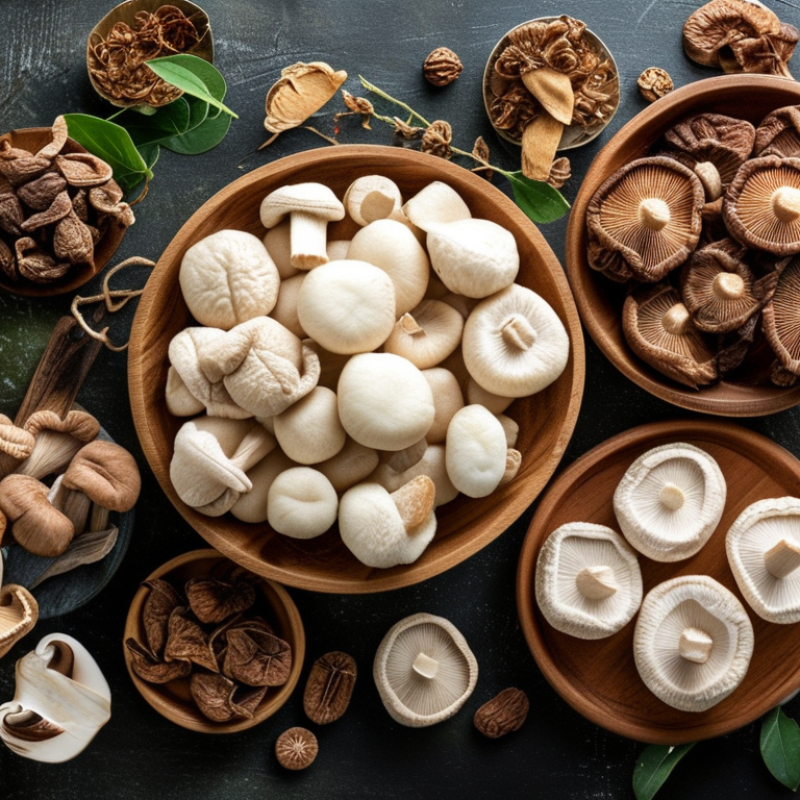
A reliable dried shiitake supplier does more than offer attractive prices. They understand how cultivation, drying temperature, and storage affect flavor, texture, and shelf life. Experienced suppliers can explain whether mushrooms were naturally dried or processed with controlled heat.
Ask for practical evidence. A trustworthy supplier should provide harvest details, production dates, grading standards, and batch traceability. Clear product specifications matter too, including moisture content, cap size, stem condition, aroma, and packaging materials. Samples should arrive clean, dry, and free from unusual odors.
Testing supports professional judgment. Suppliers should maintain food safety records and provide relevant laboratory reports for microbiological quality, contaminants, and pesticide residues. Their facilities should show sensible hygiene controls, sealed storage, pest prevention, and trained workers. Photos help, but an audit or documented inspection is stronger.
Communication reveals experience. Reliable teams answer technical questions directly and explain delays before they become costly. They should discuss carton strength, inner packaging, labeling, and shipping conditions for different climates. Small details matter.
No supplier gets every shipment perfect. A dependable one admits problems, investigates the cause, and offers a reasonable corrective plan. Buyers should compare samples with delivered lots, because specifications can look excellent on paper. That step is easy to skip. It should not be.
A practical comparison of anonymous supplier profiles based on commonly verified dried shiitake purchasing criteria.
| Rank | Supplier Profile | Typical Origin | Product Formats | Common Grade Options | Typical Moisture Target | Food-Safety Documentation | Traceability | Typical MOQ | Export Packaging | Typical Lead Time | Best Fit for Global Buyers |
|---|---|---|---|---|---|---|---|---|---|---|---|
| 1 | Profile A — Integrated Grower and Processor | China; cultivated on hardwood-based growing media | Whole caps, sliced, stems, granules | Premium whole; standard whole; sliced | ≤13% | HACCP planCOA per lotPesticide testing | Farm, production lot, drying date, packing date | 500 kg | 5–10 kg bags; 20–25 kg cartons; buyer-label options | 25–40 days after order confirmation | Retail, foodservice, and importers requiring stable year-round volume |
| 2 | Profile B — Premium Mountain-Origin Processor | China; highland cultivation and controlled drying | Thick-cap whole mushrooms, sliced mushrooms, powder | Extra-large cap; flower-style cap; standard grade | ≤13% | BRCGS or equivalentMicrobiological testingAllergen statement | Raw-material lot linked to finished-product lot | 300 kg | Vacuum bags, lined cartons, nitrogen-flush options | 30–45 days | Premium retail packs, specialty food distributors, and gift-food channels |
| 3 | Profile C — High-Volume Contract Supplier | China; large-scale indoor cultivation | Whole, sliced, broken pieces, powder | Industrial standard; foodservice; processing grade | ≤14% | HACCPGMP controlsHeavy-metal testing | Container, batch, and packing-line records | 1,000 kg | 20–25 kg export cartons; palletized loads | 20–35 days | Large importers, ingredient manufacturers, and private-label programs |
| 4 | Profile D — Organic-Capable Supplier | China; organic and conventional production streams | Whole caps, sliced, powder, tea-cut pieces | Organic-certified where applicable; conventional standard | ≤13% | Organic certificate availableHACCPResidue screening | Separate certified and conventional inventory records | 500 kg | Paper-lined cartons; compostable inner-pack options subject to specification | 35–50 days | Organic retailers, natural-food distributors, and sustainability-focused buyers |
| 5 | Profile E — Japanese-Style Premium Grade Supplier | Japan or China; selected hardwood-grown cultivation | Thick whole caps, flower caps, sliced mushrooms | Premium decorative cap; thick cap; standard cap | ≤13% | HACCP-based controlsCOA on requestOrigin documentation | Supplier lot, origin area, and drying batch | 100–300 kg | Retail-ready pouches; moisture-barrier cartons | 35–60 days | Japanese cuisine, premium restaurants, and specialty retail |
| 6 | Profile F — Foodservice and Hospitality Supplier | China; commercial cultivation with centralized packing | Whole, sliced, broken pieces, stems | Foodservice whole; sliced; economy grade | ≤14% | HACCP controlsMicrobial COA | Production date, batch number, and warehouse records | 250 kg | 1 kg foodservice bags; 5 kg and 10 kg cartons | 20–35 days | Hotels, restaurants, catering distributors, and meal manufacturers |
| 7 | Profile G — Custom Private-Label Supplier | China; mixed sourcing with final processing at one facility | Whole, sliced, powder, soup-cut pieces | Buyer-defined specifications and blended grades | ≤13–14% | HACCP planArtwork approvalThird-party testing accepted | Batch coding printed on retail packaging | 300 kg | Printed pouches, jars, cartons, and multipacks | 45–70 days including packaging approval | Online retailers, supermarket programs, and branded importers |
| 8 | Profile H — Small-Batch Specialty Supplier | China or Japan; selected seasonal lots | Whole caps, sliced mushrooms, premium assortments | Hand-selected whole; thick cap; limited seasonal lots | ≤13% | Lot COAVisual inspection recordOrigin statement | Harvest or cultivation cycle linked to packing lot | 50–100 kg | Vacuum packs and small cartons with desiccant where permitted | 30–60 days | Specialty importers, chefs, premium hampers, and test launches |
| 9 | Profile I — Ingredient and Powder Specialist | China; dried mushroom processing center | Powder, granules, broken pieces, sliced mushrooms | Food ingredient; seasoning; extraction-grade material | ≤8–12% | HACCP or GMPMicrobial testingHeavy-metal and residue reports | Raw-material and milling lots documented separately | 500 kg | Multiwall paper bags with food-grade liners; bulk cartons | 25–45 days | Soup, sauce, seasoning, snack, and nutraceutical ingredient buyers |
| 10 | Profile J — Flexible Consolidation Supplier | China; multiple approved cultivation regions | Whole, sliced, broken pieces, stems, powder | Standard export; foodservice; processing grade | ≤13–14% | Supplier audit recordsCOA availableContainer inspection | Supplier, lot, warehouse, and container traceability | 100–300 kg | Mixed-SKU pallet consolidation; 10–25 kg cartons | 25–45 days | Small and medium-sized importers needing mixed loads and flexible volumes |
Buyer verification note: Moisture limits, certifications, minimum order quantities, lead times, and packaging formats should be confirmed against the current product specification, certificate validity, independent laboratory reports, and approved pre-shipment samples.
Shiitake mushrooms (Lentinula edodes) are valued for their deep umami flavor, meaty texture, and versatility. USDA FoodData Central lists dried shiitake as a concentrated source of dietary fiber, plant protein, B vitamins, and minerals, while vitamin D₂ can increase significantly when mushrooms are exposed to light during cultivation or drying. Their savory profile makes them ideal for soups, stir-fries, sauces, broths, noodle dishes, and slow-cooked meals, helping manufacturers create richer flavor without relying solely on salt or artificial enhancers.
For food processors, seasoning producers, and bulk buyers, product format and drying quality are important buying considerations. Freeze-dried shiitake preserves a light structure and rehydrates quickly, while air-dried mushrooms offer a fuller aroma and traditional chewy texture. Whole, sliced, diced, and powdered options support different applications, from premium retail packs to instant seasonings and industrial blends. Mushrooms grown in FSA-certified smart cultivation houses and gently dried can provide more consistent color, moisture, flavor, and nutritional quality. Buyers should also review cultivation standards, processing controls, moisture specifications, packaging, and sample performance before placing large orders. Factory-direct supply may offer competitive pricing, customized sizing, and dependable volume availability.
Many buyers use 13% as a practical upper limit. Contract terms may differ. Verify every lot.
Water activity below 0.60 helps restrict mold growth. It is not a complete safety guarantee.
Check for insect damage, black spots, broken caps, and excessive stems. Uneven drying may hide inside thick stems.
The aroma should be clean and earthy. Smoke or chemical odors are warning signs. Trust your nose, but confirm with testing.
Request harvest records, lot codes, moisture results, laboratory reports, and packaging details. Missing records deserve careful attention.
Testing may include Salmonella, yeast, mold, pesticide residues, and heavy metals. Destination-market rules may require more checks.
Use sample trials instead of catalog photographs. Test rehydration time, aroma, stem ratio, texture, and cooking yield.
Use food-grade moisture barriers and strong cartons. Oxygen control may help when appropriate. Clear bilingual labels reduce confusion.
Supplier documents may not reveal every problem. Independent sampling can detect uneven drying, excess breakage, or contamination.
Define acceptable breakage, moisture, stem ratio, and testing requirements first. A low price can create hidden costs later.
Choosing a reliable Dried Shiitake supplier requires more than comparing product prices. International buyers should evaluate mushroom quality, aroma, texture, moisture content, cleanliness, size grades, and consistent processing methods. Export-grade products should meet recognized food safety standards, with clear traceability, hygienic production, and appropriate documentation for international trade. A dependable supplier should also offer multiple product varieties, including whole caps, sliced mushrooms, and different size or quality grades, together with flexible packaging and private-label options when needed.
Buyers should compare suppliers based on production capacity, quality consistency, certifications, packaging performance, minimum order quantities, payment terms, and delivery reliability. Transparent quotations should explain product specifications, shipping conditions, lead times, and any inspection requirements. By assessing these factors together, global purchasers can identify a supplier that balances competitive pricing with stable supply, responsible export practices, and long-term cooperation. This approach helps reduce purchasing risks while ensuring that Dried Shiitake arrives in excellent condition and meets the expectations of distributors, food manufacturers, retailers, and consumers.