Email: sales@shundifoods.com     Tel: +86-21-64280601
0%

Picking the right dried chili supplier in China? It’s not just about comparing export prices. You’ve got to dig into origin, variety, heat level, color, moisture, cleanliness, and whether they can actually deliver consistently. And honestly, a bright red sample can still fall flat once it hits the pan.

FAOSTAT is useful for production data, and UN Comtrade plus International Trade Centre Trade Map can show you global trade patterns. Grand View Research also points to food processing, retail, and foodservice as key demand segments for dried chili products. All of that gives you direction—but it doesn’t replace seeing the factory for yourself. Data can lag behind seasonal changes, too.

Dr. Paul W. Bosland, a well-respected chile researcher, put it well: “a chile’s value depends on its use, not its appearance alone.” That’s especially true when you’re sourcing Dried Chili Peppers for sauces, seasoning blends, restaurants, or industrial processing. A supplier that nails retail packs might not be set up for bulk manufacturing.

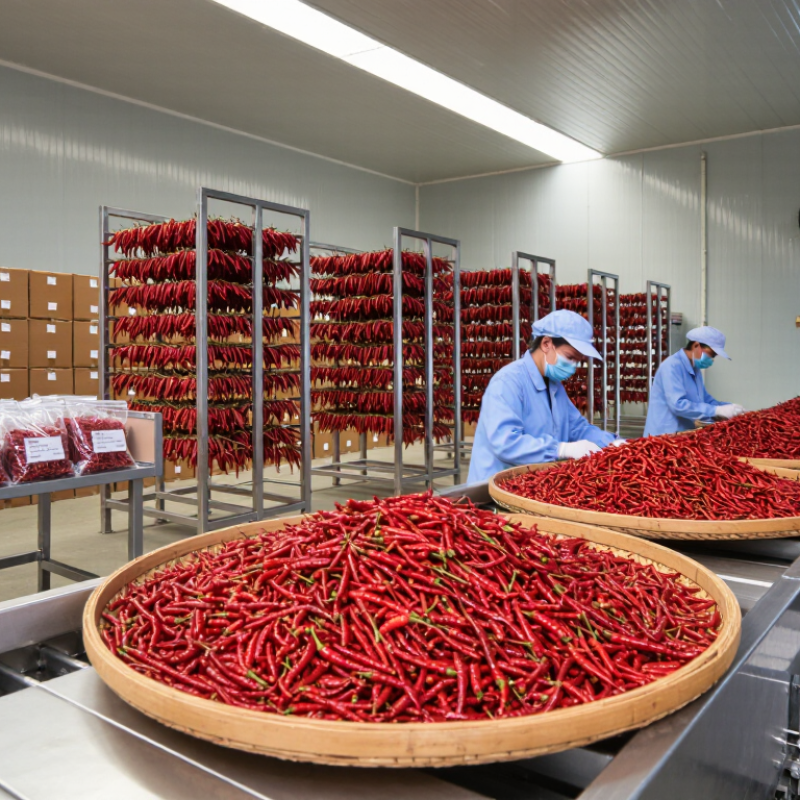
Reliable Chinese suppliers should give you batch specs, pesticide-residue testing, microbial results, traceability records, and clear packaging details. Ask for recent samples—not old showroom stuff. When you can, check out sorting lines, drying areas, storage conditions, and loading practices.

Price still matters. It just shouldn’t be the thing that drives the decision.

A practical supplier comparison should look at consistency across several shipments. It should also test how they communicate when something unexpected causes a delay. That’s where a lot of evaluations fall short. A supplier might have impressive certificates but weak corrective action. Usually, the best choice is the company that blends verified quality, transparent documentation, stable capacity, and honest communication. Not perfect. Dependable.
What Is the Best Dried Chili Supplier in China?

What Makes a Dried Chili Supplier in China the Best Choice?

Choosing the best Dried Chili supplier in China requires more than comparing prices. A reliable supplier should explain where each lot comes from and how it was processed. Ask for harvest dates, moisture readings, color standards, and microbiological test reports. Clear records show practical control, not just attractive claims.

Quality should remain stable from sample to shipment. The supplier needs clean drying areas, food-grade packaging, and protection against moisture during storage. A professional team can discuss heat levels, whole pods, flakes, or powder with useful detail.

They should also provide traceability from farm or collection point to export carton. Small details matter, such as sealed inner bags and readable batch numbers.

Communication reveals a supplier’s reliability. Request a sample and compare its aroma, texture, color, and heat after several weeks. Ask how rejected material is handled. No supplier gets every batch perfect.

I have learned that honest answers about variation are more valuable than perfect promises. A strong Dried Chili supplier also understands destination requirements, testing procedures, and shipping documents. Delayed replies or vague specifications deserve careful attention. Supplier selection is never effortless.

Which Types of Dried Chili Does China Supply?

China supplies a broad range of dried chilies for food manufacturing, restaurants, and seasoning production. Common varieties include facing heaven chilies, bullet chilies, erjingtiao, and long red chilies. Each has a different balance of heat, aroma, color, and skin thickness. Facing heaven chilies provide sharp heat and a bright red appearance. Bullet chilies are usually smaller, hotter, and suitable for sauces or spicy oils. Erjingtiao is valued for its fragrant flavor and moderate heat.

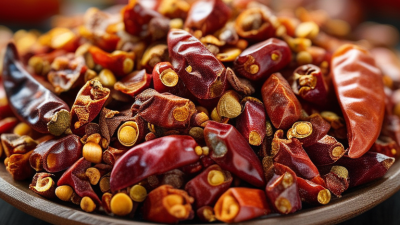
Chinese suppliers also offer dried chili flakes, crushed chilies, whole pods, chili powder, and ground chili with controlled particle sizes. Some buyers need deep-red powder for color. Others prefer whole pods because they retain aroma during storage. Production areas across western and southwestern China provide different growing conditions. Dry climates can support stable drying, while warmer regions often produce strongly aromatic varieties. The exact result still depends on harvest timing and processing.

A reliable supplier should provide variety names, origin records, moisture results, and testing for pesticide residues, aflatoxins, and microbiological risks. In my experience, visual redness is not enough. A bright sample may have weak aroma or excessive broken material. Heat levels can also vary between harvests, even within one region. That uncertainty deserves attention. Buyers should request a representative sample, confirm the Scoville range, and check packaging before placing a large order. Freshness matters. Dried chilies stored with poor moisture control can lose color, develop mold, or absorb unwanted odors.

What Is the Best Dried Chili Supplier in China? - Which Types of Dried Chili Does China Supply?

Dried Chili Type Typical Chinese Supply Regions Typical Shape and Color Typical Heat Level Main Flavor Profile Common Applications Key Buying Considerations
Facing Heaven Chili Sichuan and nearby producing areas Medium-length, slightly curved pods; deep red when dried Medium to hot; commonly about 30,000–50,000 SHU Fragrant, fruity, and moderately smoky when toasted Sichuan dishes, chili oil, hot pot bases, and seasoning blends Check pod uniformity, red color, aroma, and stem removal
Erjingtiao Chili Sichuan, especially southwestern growing districts Long, slender, curved pods; bright to dark red Medium heat; often about 15,000–30,000 SHU Rich aroma, mild sweetness, and balanced heat Chili flakes, chili powder, chili oil, and regional sauces Confirm moisture level, low breakage, and natural red pigmentation
Chaotian Chili Sichuan, Hunan, and other central and southwestern areas Short pods that point upward; vivid red when mature and dried Hot; frequently about 40,000–70,000 SHU Sharp, direct heat with a strong chili aroma Hot sauces, spicy snacks, stir-fries, and seasoning powders Ask for an independently tested heat range and pesticide-residue results
Bullet Chili Sichuan and northern agricultural provinces Short, thick, cone-shaped pods; dark red to reddish-brown Medium to hot; commonly about 20,000–50,000 SHU Toasty, robust, and suitable for frying Deep-fried chili preparations, chili oil, flakes, and spice mixes Evaluate pod thickness, seed ratio, cleanliness, and frying performance
Yidu Chili Hunan and other central Chinese growing regions Long, moderately thick pods; dark red to brownish-red Mild to medium; often about 10,000–25,000 SHU Full-bodied, slightly sweet, and less aggressive in heat Cooking sauces, chili paste, flakes, and blended seasonings Select according to required color value, moisture, and pungency
Jinta Chili Xinjiang, Inner Mongolia, and northern producing areas Long, narrow pods; bright red with good color retention Mild to medium; commonly about 10,000–20,000 SHU Clean aroma with noticeable natural color Paprika-style powders, spice blends, processed foods, and sauces Prioritize color value, aflatoxin compliance, and foreign-matter control
Small Dried Red Chili Multiple provinces, including Henan, Inner Mongolia, and Xinjiang Short to medium pods; red to dark red Varies widely by cultivar and lot Ranges from earthy and mild to sharp and hot Whole-spice retail packs, foodservice, flakes, and powder production Use a pre-shipment sample and laboratory report because the category is broad

Note: Heat levels are approximate Scoville Heat Unit ranges and can vary by cultivar, growing conditions, maturity, drying method, and batch. A reliable supplier should provide a consistent specification, product sample, moisture data, microbiological results, pesticide-residue testing, and export documentation.

How to Evaluate Dried Chili Quality and Safety

Choosing the best dried chili supplier in China requires more than checking color and price. FAOSTAT’s 2022 production data places China among the world’s leading chilli and pepper producers. Large supply, however, does not guarantee safe Dried Red Chili Peppers. I would inspect the growing region, harvest season, drying method, and lot traceability. Each lot should have a clear production date and batch code.

The FAO and WHO food-safety guidance for spices identifies Salmonella, aflatoxins, pesticide residues, and foreign materials as important hazards. Ask for recent laboratory results, not a generic certificate. Testing should cover Salmonella, moisture, mold, pesticide residues, and aflatoxin risks. ISO 6579-1 is commonly used for Salmonella testing. Codex standards also provide useful limits for contaminants and hygiene controls. A clean-looking pod can still carry invisible contamination. One weak point remains: a single sample may not represent an entire shipment. I would request a documented sampling plan and an independent test when the order is large.

Tips: Break open several pods. Check for insects, damp centers, unusual odor, and excessive stems. Rub the surface with a white glove; suspicious color transfer deserves investigation. Confirm that packaging is food-grade, sealed, dry, and protected from sunlight. Review the supplier’s corrective-action records, not just its audit score. A reliable supplier should answer technical questions clearly. If answers feel rushed, I would pause before purchasing.

What Is the Best Dried Chili Supplier in China?

How to Evaluate Dried Chili Quality and Safety

This suggested evaluation model gives the highest priority to food safety testing and traceability. Buyers should verify laboratory results for contaminants, pesticide residues and microbiological safety, then assess moisture, cleanliness, color, heat consistency, packaging and certification documentation. The percentages are screening weights, not legal limits.

Where to Find Reliable Dried Chili Suppliers in China

Where to Find Reliable Dried Chili Suppliers in China

China remains a major producer and exporter of dried chilies. FAOSTAT production data and UN Comtrade trade records show strong, sustained international activity in this category. However, export volume does not prove supplier reliability. A large shipment can still hide uneven color, excess stems, or weak storage control.

Look near major growing and processing areas in Xinjiang, Gansu, Yunnan, and Guizhou. These regions offer closer access to farms, drying yards, and processing facilities. Ask suppliers for harvest year, origin records, moisture results, and pesticide-residue testing. For imported food, certificates of analysis should also cover aflatoxins, Salmonella, and foreign materials. Request a sealed sample from the actual production lot. Taste it, cut it open, and inspect the inner color.

The China National Food Safety Standard and international Codex guidance provide useful testing references. Compare their limits with your destination market before placing an order. Check whether the supplier can provide batch numbers, warehouse photographs, and loading records. An independent factory audit is wiser than relying on polished product images. I have found that small details matter: intact liners, dry cartons, and clear pallet labels reduce later disputes. Still, remote verification has limits. A video call is helpful, but it cannot replace a physical inspection. Begin with a trial order, not a container.

What Certifications Should a Chinese Chili Supplier Have?

What Is the Best Dried Chili Supplier in China?

The best supplier is not always the one offering the lowest price. Look for a factory with current, verifiable food safety certifications. HACCP should identify hazards during washing, drying, grinding, and packing. ISO 22000 or FSSC 22000 can show a broader food safety management system. BRCGS certification may provide stronger evidence of site controls and product traceability. The certificate must cover dried chili processing, not only another facility or product category. Check the certification body, expiry date, factory address, and approved scope. A phytosanitary certificate may also be required for specific shipments and destinations. Organic certification matters only when the supplier makes an organic claim.

Tips: Request recent audit reports or corrective action records. Ask for batch-specific COAs covering pesticide residues, aflatoxins, heavy metals, moisture, and microbiological limits. Remember, FDA registration is not the same as product certification. Confirm import requirements with your destination authority.

During a factory review, examine storage rooms, pallets, sealing areas, and pest-control records. Dried chilies should remain clean, dry, and separated from strong odors. Traceability should connect one batch to raw material records and shipment documents. A certificate alone is not proof of perfect handling. Documents can be outdated, incomplete, or poorly translated. That is an uncomfortable detail, but it matters. Sampling and independent laboratory testing add practical confidence. Ask clear questions, record the answers, and compare them with the physical production site.

How to Compare Prices, Capacity, and Export Services

When evaluating a Dried Chili Pepper supplier in China, price is only the opening measure. Ask for quotes by grade, moisture level, stem percentage, color, and packing format. A low figure may hide higher cleaning fees or inconsistent lots. Request a recent sample, then compare it with the written specification. In my sourcing experience, a sharp price gap often reflects harvest timing, not superior efficiency. Still, one sample cannot prove year-round consistency. That is easy to overlook.

Capacity should be checked through practical evidence. Ask for monthly output, peak-season volume, drying equipment, storage conditions, and available reserve stock. A supplier claiming 1,000 tons may not have that quantity ready for your shipment window. Review production records, warehouse photos, and inspection reports when possible. Check whether raw peppers come from multiple growing areas. This can reduce supply interruptions, but it may also create flavor differences. I would compare three months of shipment data, though buyers often accept one impressive figure too quickly.

Export service affects the real landed cost. Confirm product documents, package labels, container loading plans, lead times, and port handling experience. Ask who manages pre-shipment inspection and how damaged cartons are handled. Clear answers matter more than polished sales language. Calculate the full cost, including testing, inland transport, insurance, and possible delays. A dependable supplier should explain corrective steps when a batch misses specifications. No supplier is perfect. The important question is whether problems are reported early and resolved with documented action.

How to Select the Right Dried Chili Supplier for Your Needs

What Is the Best Dried Chili Supplier in China?

Selecting the right supplier starts with evidence, not attractive photographs. Ask where the peppers were grown, when they were harvested, and how they were dried. FAOSTAT identifies China as a major producer of dry chillies and peppers, but production scale does not guarantee consistent quality. Request recent laboratory reports for moisture, aflatoxins, pesticide residues, Salmonella, and foreign matter. These checks should match the limits in your destination market.

For products such as Dried Chili Flakes, inspect particle size, color, aroma, and heat level. A reliable supplier should provide a clear specification sheet and a retained sample from the same lot. Codex CXS 307-2011 offers useful guidance for dried or dehydrated chilli peppers. For trade verification, compare shipment records through UN Comtrade or ITC Trade Map. Price matters, but unexplained discounts deserve questions. I have seen bright flakes hide uneven moisture. That mistake becomes expensive after arrival.

Tips: Request three production lots, not one sample. Seal a reference sample before ordering. Check whether the supplier uses metal detection and documented cleaning procedures. Confirm packaging weight after conditioning, because moisture can shift during storage. Ask for a corrective-action report when results fail. No checklist is perfect. Visit the facility when possible, and speak with the quality manager, not only the salesperson.

Chili: A Practical Guide to Choosing, Using, and Enjoying the Right Product

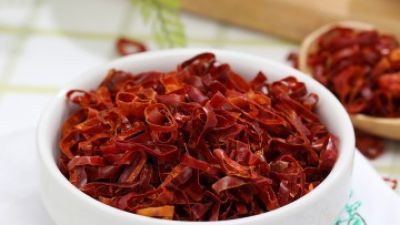
Air-dried chili is a practical way to add depth, aroma, and heat to everyday cooking. Through controlled dehydration, fresh peppers lose moisture while retaining much of their natural flavor and characteristic spiciness. Compared with fresh chilies, air-dried products are easier to store, have a longer shelf life, and are convenient for both home cooks and commercial kitchens. When choosing a product, consider the desired heat level, color, aroma, and recipe requirements.

Whole chilies are useful when you want to infuse sauces, soups, oils, or broths gradually, while flakes and crushed chilies spread heat more evenly over pizza, noodles, vegetables, and grilled foods. Granules offer a balanced texture for marinades, seasoning blends, and prepared foods. Powder mixes quickly into rubs, dips, curries, and sauces, delivering a more consistent flavor throughout the dish. Customized cuts or particle sizes can also support specific processing and cooking needs.

To use air-dried chili effectively, start with a small amount and adjust gradually, since the flavor and heat can become more pronounced as the chili cooks. Whole or larger pieces may be lightly toasted to enhance their aroma before grinding or adding them to a recipe. Store the product in a tightly sealed container away from moisture, heat, and direct light, helping preserve its color, fragrance, and quality during regular use.

FAQS

Which dried chili varieties are commonly supplied from China?

Common types include facing heaven, bullet, erjingtiao, and long red chilies. Facing heaven offers sharp heat and bright color. Bullet chilies are smaller and usually hotter. Erjingtiao provides fragrance with moderate heat.

What dried chili forms can buyers order?

Suppliers may offer whole pods, flakes, crushed chilies, powder, and ground chili. Whole pods usually retain aroma longer. Powder suits sauces and color-focused products. Particle size should match your production equipment.

How should buyers compare dried chili quality?

Check color, aroma, heat, moisture, skin thickness, and broken material. Bright color alone proves very little. A red sample may smell weak. That is an easy mistake.

What safety tests should a supplier provide?

Request recent results for moisture, mold, Salmonella, pesticide residues, aflatoxins, and foreign materials. Generic certificates are not enough. The reports should identify the tested lot. Invisible contamination remains possible.

How can buyers inspect a dried chili sample?

Break open several pods and inspect their centers. Look for insects, dampness, unusual odors, and excessive stems. Rub the surface with a white glove. Unexpected color transfer deserves investigation.

Why is lot traceability important for dried chilies?

Each lot should show its origin, harvest period, production date, and batch code. Traceability helps identify problems after delivery. One sample may not represent a full shipment. I would request a documented sampling plan.

How should dried chilies be packaged and stored?

Packaging should be food-grade, sealed, dry, and protected from sunlight. Poor moisture control can cause mold and color loss. Chilies may also absorb nearby odors. Check package weight after conditioning.

How can buyers choose a dependable supplier?

Ask for samples from three production lots, not one. Compare specification sheets with laboratory results. Review cleaning procedures, metal detection, and corrective-action records. Visit the facility when possible. Photos are not evidence.

Should price decide the supplier selection?

Price matters, but unusually low prices need clear explanations. A cheap shipment may hide uneven moisture or excessive waste. Confirm heat range, packaging weight, and destination-market requirements. My checklist is imperfect, so independent testing may still help.

Conclusion

Choosing the best Dried Chili supplier in China requires more than comparing prices. A reliable supplier should offer consistent quality, stable production capacity, clear product specifications, and dependable export support. China supplies many varieties, including whole chilies, crushed chilies, chili flakes, and different heat levels, allowing buyers to select products for food manufacturing, catering, or seasoning applications. Quality evaluation should cover color, aroma, moisture, cleanliness, pungency, foreign matter, and microbiological safety. Samples and laboratory test reports are important before placing a large order.

Reliable suppliers can be found through established industry directories, trade exhibitions, referrals, and direct factory communication. Buyers should check certifications related to food safety, quality management, hygiene, and export compliance, while also confirming packaging, traceability, lead times, payment terms, and shipping arrangements. The right supplier should provide transparent quotations, flexible order quantities, responsive communication, and consistent performance. By comparing product quality, certifications, capacity, pricing, and service, buyers can select a Chinese Dried Chili supplier that matches their specific market and purchasing requirements.
Sophia

Sophia

Sophia is a dedicated marketing professional at Shanghai Shundi Food Co., Ltd., where her expertise in the food industry shines through in every aspect of her work. With a profound knowledge of the company's diverse range of products, she plays a pivotal role in communicating the unique benefits......
Previous How to Source Minced Garlic Globally in 2026?