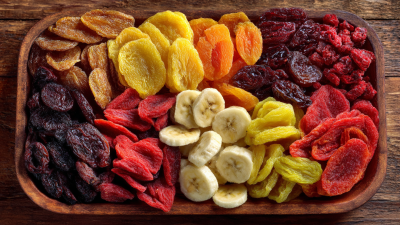
These days, dried food ingredients are pretty much a staple in both restaurants and home kitchens. Honestly, a lot of folks love how convenient they are and the rich flavors they add. I recently came across John Richards, a food industry guy at Gourmet Flavors Inc., who said, “Dried Food Ingredients offer unmatched versatility and intense flavors.” That really hits home — it’s easy to see why so many chefs and home cooks lean on these ingredients.
Using dried ingredients can really take your dishes up a notch. They’re packed with nutrients too, and you don’t have to worry about added preservatives. For instance, sun-dried tomatoes? They give a nice punch of flavor to salads and pastas. But, here’s the thing — you’ve gotta store them right. If not, they can lose their flavor and get weird in texture, which can be super disappointing.
Now, not every dish is gonna benefit from dried ingredients. Sometimes, fresh stuff just shines better. Finding the right balance between dried and fresh can be tricky — it really takes some practice and understanding of when each works best. So, using dried food ingredients is all about knowing their strengths and limitations, and planning accordingly.
Benefits of Dried Food Ingredients
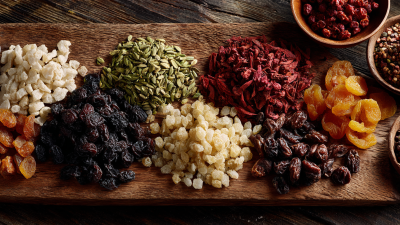
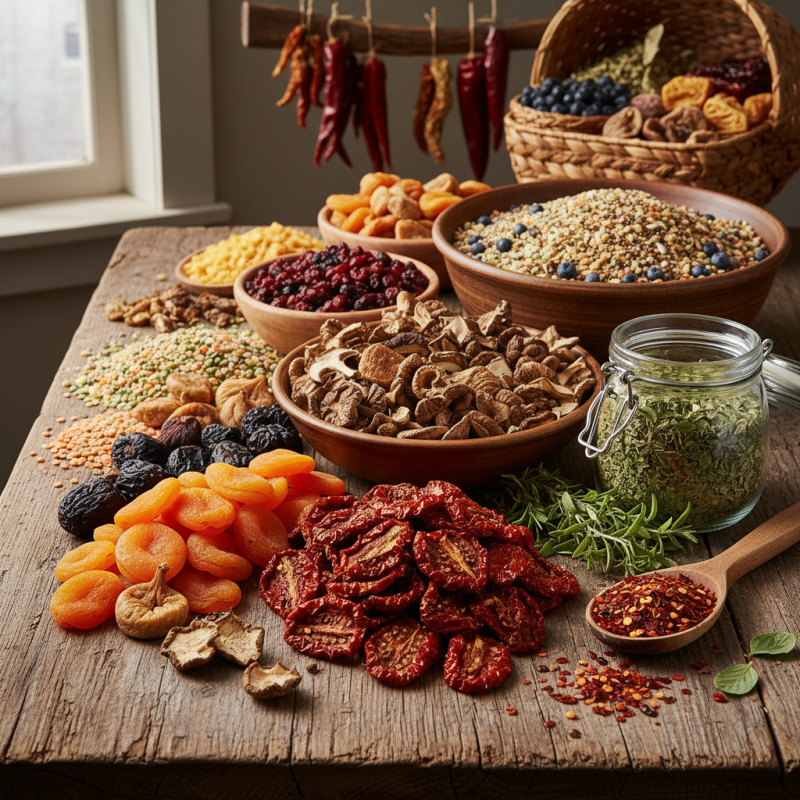
Dried Food Ingredients provide numerous advantages for culinary enthusiasts and health-conscious individuals alike. These ingredients retain essential nutrients while eliminating water content, ensuring their longevity. When you choose Dried Fruit Ingredients, you harness the power of concentrated flavors. For instance, sun-dried tomatoes add a rich, tangy touch to everyday dishes.
Furthermore, dried food ingredients are lightweight and easily transportable. This makes them a perfect choice for camping trips or travel. However, it’s important to consider their sugar content; some dried fruits can be high in natural sugars. Balancing their use with fresh foods can make meals healthier. The texture of dried ingredients can also be a challenge. If not rehydrated properly, they may alter the consistency of a dish.
The versatility of dried food ingredients is appealing. They can enhance both sweet and savory recipes. From smoothies to trail mixes, the options are plentiful. Yet, their intense flavors can overpower delicate dishes. Understanding portion control becomes essential. With careful consideration, dried fruit ingredients can elevate your recipes and add nutrition to your diet.
Nutritional Advantages of Dried Foods
Dried food ingredients offer remarkable nutritional advantages.
They retain most of their vitamins and minerals during the drying process.
Research indicates that freeze-dried fruits maintain up to 90% of their original nutrients.
This is crucial for those seeking healthy, convenient options.
Moreover, dried foods are lightweight and have a long shelf life.
This makes them perfect for emergency supplies or outdoor activities.
The versatility of freeze-dried ingredients allows for easy incorporation into various dishes.
For example, adding dried berries to oatmeal boosts the fiber and antioxidant content significantly.
However, it's important to be mindful of portion sizes.
Overconsumption can lead to excess sugar intake if dried fruits are not chosen wisely.
While dried food ingredients have many benefits, there are also limitations.
Some products may have added sugars or preservatives.
Reading labels becomes essential in making informed choices.
Additionally, not all nutrients survive the drying process equally.
For instance, certain B vitamins may be reduced.
Balancing dried foods with fresh produce may yield the best health outcomes.
Extended Shelf Life and Reduced Waste
Dried food ingredients offer significant benefits, particularly when it comes to extending shelf life. Unlike fresh ingredients, dried foods can be stored for months or even years without spoiling. This is because the moisture, which often encourages mold and bacteria growth, has been removed. For instance, dried fruits can stay fresh in your pantry much longer than fresh produce. Such longevity makes meal planning more manageable and less stressful.
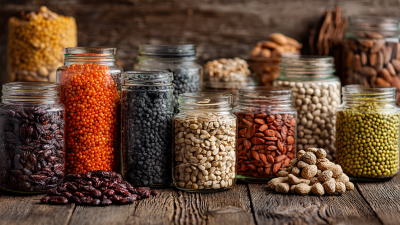
Reduced waste is another advantage of using dried food ingredients. Fresh products often go bad quickly, leading to unnecessary disposal. With dried ingredients, you can use what you need and save the rest for later. Think about dried beans or lentils; you can measure out exactly what you require for a recipe. However, it’s essential to ensure proper storage techniques to maintain quality. Without care, dried foods can become stale or lose flavor. Balancing storage methods can be tricky. Finding the right container or location might take some trial and error.
Convenience and Portability in Cooking
Dried food ingredients offer incredible convenience and portability in cooking. Whether you're hiking or traveling, they are easy to carry. You can pack them into small containers. This saves space in your bag. There’s no need to worry about spoilage either. These ingredients can last for months.
When using dried ingredients like cumin, flavors can be intense. A little goes a long way. However, it's essential to check the freshness. Old dried ingredients might lose their potency. Always taste if you are unsure. If they lack flavor, consider adding a bit more.
Tips: Store your dried ingredients in airtight containers. This prevents moisture from ruining them. When cooking, rehydrate some items before use. This can enhance flavor and texture. If you're unsure about ratios, start small and adjust as needed. Enjoy the journey of trial and error. With dried ingredients, your cooking can evolve beautifully.
Enhanced Flavor and Versatility in Recipes
Dried food ingredients offer a unique way to enhance flavor in recipes. Their concentrated essence can transform a dish from ordinary to extraordinary. Take, for example, dried herbs or spices like Black Pepper Ingredients. Using them adds depth to sauces and marinades. A pinch can elevate a simple soup or grilled vegetable dish.
Versatility is another significant benefit. Dried ingredients can be easily incorporated into various recipes. They require minimal preparation, allowing for quick meal solutions. Imagine adding dried tomatoes to pasta or using dried mushrooms in risotto. The rich flavors come alive with minimal effort. However, it's essential to store these ingredients properly. Sometimes, they lose their potency if not sealed correctly. A reflection on this shows that we must be mindful of storage.
When used smartly, dried food ingredients become a staple in our kitchens. They can introduce bold flavors while encouraging culinary creativity. The potential combinations are endless and inviting! Opting for dried over fresh can prove beneficial at times. There’s something satisfying about experimenting with black pepper ingredients in different dishes.
Cost-Effectiveness of Using Dried Ingredients
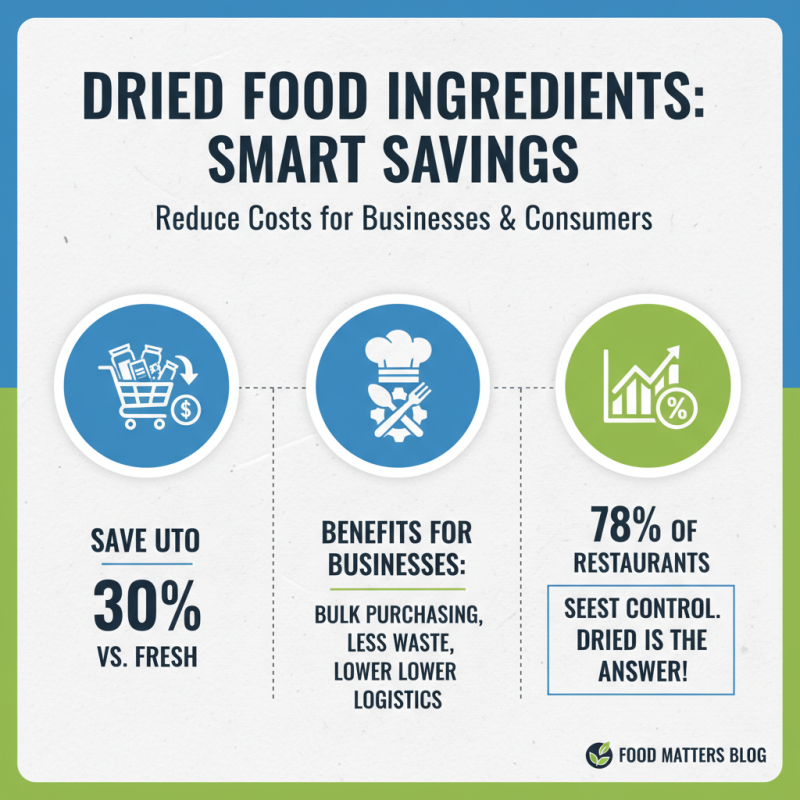
Dried food ingredients offer significant cost savings for both manufacturers and consumers. When compared to fresh ingredients, dried options can reduce expenses by up to 30%. This is particularly beneficial for restaurants and food processors, where ingredient costs are a major factor. The National Restaurant Association reported that 78% of operators seek ways to control costs. Dried ingredients allow for bulk purchasing, minimizing waste and lowering logistics expenses.
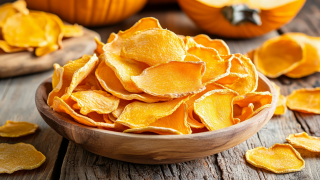
Using dried ingredients can also extend shelf life significantly. For instance, dried vegetables can last months or even years without spoiling. This minimizes losses due to spoilage, which is a critical issue in the food industry. A report from the Food Waste Reduction Alliance indicated that about 40% of food produced in the U.S. goes uneaten. Utilizing dried ingredients could help address this issue and save money.
However, some may argue that dried ingredients lack flavor and nutrition. Although specific vitamins can degrade during the drying process, advancements in technology have improved retention rates. Brands are challenged to balance cost with quality. The real question lies in whether the trade-offs are worth it in the long run. Consumers must evaluate their priorities when choosing between fresh and dried options.
Environmental Impact of Dried Food Production
The production of dried food ingredients has a significant environmental impact. Unlike fresh food, drying extends shelf life and reduces food waste. According to the Food and Agriculture Organization, about one-third of food is wasted globally. Dried foods can help alleviate this issue by preserving nutrients and minimizing spoilage.
However, the drying process itself can consume a lot of energy. A report by the Environmental Protection Agency indicates that food processing contributes significantly to greenhouse gas emissions. For instance, dehydrating fruits and vegetables can require extensive use of energy. The methods used, such as sun drying or air drying, can mitigate some environmental issues but may not always meet large-scale demands.
Water usage is another critical concern. Dried food production often requires high water input, especially in regions prone to drought. The impact on local water sources can be detrimental. Some reports suggest that optimizing water use in production could save millions of gallons annually. It's essential to continually evaluate the balance between sustainability and efficiency in dried food ingredients.
What are the Benefits of Using Dried Food Ingredients? - Environmental Impact of Dried Food Production
| Benefit |
Environmental Impact |
Nutritional Value |
Shelf Life |
| Reduced Food Waste |
Lower emissions from disposal |
Retains most nutrients |
1 to 2 years |
| Lower Transportation Costs |
Reduced fuel consumption |
Concentrated nutrients |
1 to 5 years |
| Convenience |
Less need for preservatives |
Enhanced fiber content |
Varies by product |
| Seasonal Availability |
Promotes local sourcing |
Preserved vitamins and minerals |
1 to 3 years |
Conclusion
Dried food ingredients offer a multitude of benefits that make them a valuable addition to any kitchen. One of the primary advantages is their nutritional content; dried foods retain much of their vitamins and minerals, providing a convenient way to incorporate healthy options into meals. Additionally, they boast an extended shelf life, significantly reducing food waste and allowing for easy storage.
The convenience and portability of dried food ingredients make them ideal for a variety of cooking situations, from home meals to outdoor adventures. Their enhanced flavor and versatility allow them to elevate recipes, lending rich tastes that fresh ingredients may not always provide. Moreover, using dried ingredients can be cost-effective, as they often have lower prices and longer usability. Lastly, the environmental impact of dried food production tends to be more favorable, encouraging sustainable practices in food sourcing and consumption.