As the world of cooking keeps changing, more and more chefs are seeing how dehydrated ingredients can be a real game-changer in the kitchen. You know, a report from the Food Marketing Institute mentioned that about 75% of folks out there are on the hunt for quick, easy meal options. And honestly, dehydrated ingredients hit that sweet spot—they're super convenient and still pack a punch of flavor, which totally vibes with today’s fast-paced cooking scene. Culinary pro David Anderson from Culinary Innovations LLC even points out that using these products not only boosts taste but also helps cut down on food waste. Pretty cool, right?
One of the standout favorites has to be sun-dried tomatoes. They’re not just flavor bombs—they’re also loaded with good stuff, nutrients included. According to a study by the Institute of Culinary Education, these dehydrated goodies keep up to 90% of their original nutrients. But hey, a word of caution—re-hydrating and storing these ingredients properly is important. If you slack off on handling them right, you could end up losing some of that good quality.
Now, using dehydrated ingredients is kind of a double-edged sword. On one hand, they save a ton of time and help prevent spoilage, which is awesome. On the other hand, leaning too much on them might make your dishes feel less fresh. So, it’s all about finding that sweet spot—being smart about when and how to use these ingredients without sacrificing quality. As the industry keeps evolving, getting a good grip on these nuances really makes all the difference for chefs wanting to deliver the best every time.

Understanding Dehydrated Ingredients: An Overview
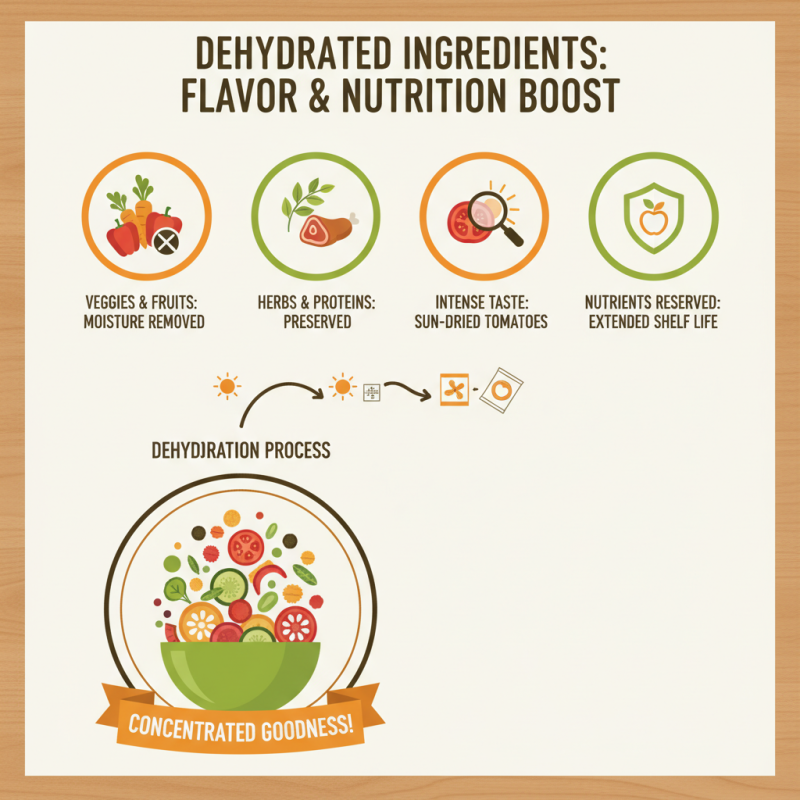
Dehydrated ingredients are unique. They are vegetables, fruits, herbs, and even proteins that have had moisture removed. This process preserves flavor and nutrition. Dehydration can intensify tastes, making them more vibrant. For example, sun-dried tomatoes burst with flavor compared to their fresh counterparts.
Using dehydrated ingredients can save time. No washing or chopping is required. Just rehydrate, and they're ready to cook. They also have a longer shelf life. A bag of dehydrated mushrooms can sit in your pantry for months. However, storage needs to be proper. If not sealed well, they can lose flavor or develop unwanted textures.
Experimenting with dehydrated ingredients can be a learning experience. They require adjustments in recipes, especially regarding liquid content. Sometimes, the flavors can be stronger than expected. Not everyone enjoys the texture of rehydrated ingredients. It’s essential to find a balance that suits personal tastes. Success may take some trial and error.
Nutritional Advantages of Dehydrated Ingredients in Meals
Dehydrated ingredients offer notable nutritional advantages in cooking. For instance, studies show that dehydrating vegetables can retain up to 90% of their vitamins. When used in meals, they pack a concentrated punch of nutrients. Dehydrated peas, for example, provide fiber and protein, essential for a balanced diet. This makes them ideal for quick, nutritious additions to many dishes.
One surprising benefit of dehydrated ingredients is their lower weight and extended shelf life. This is beneficial for both home cooks and food services. A report from the Food Processor Association highlighted that dehydrated foods reduce transportation costs. However, it is important to remember that some nutrients may degrade during dehydration. As cooks, we must balance convenience with nutrition.
Cumin Ingredients, when dehydrated, maintain their flavor intensity. This can elevate a dish, providing a warm and earthy profile. Yet, one must consider the rehydration process. Over-soaking can dilute their rich taste. Careful measurement and mindful preparation are key. There is always room for improvement in achieving the perfect balance of flavor and nutrition.
Enhanced Flavor Profiles with Dehydrated Ingredients
Dehydrated ingredients can transform your cooking experience. They concentrate flavors in a unique way. This enhancement leads to richer dishes that tantalize your taste buds. Imagine sprinkles of reconstituted sun-dried tomatoes, bursting with umami. They elevate a simple pasta dish from mundane to mouthwatering.
Using dehydrated herbs adds depth, too. Dried basil or oregano delivers an intense aroma. As you stir them into sauces, the aroma fills your kitchen. Yet, it’s vital to remember balance. Overusing these ingredients can overpower a dish. A small pinch often suffices to create a vibrant flavor without overwhelming other components.
Another interesting aspect is rehydration. Some ingredients require soaking to restore their texture. This method can sometimes lead to mistakes in timing. The result may turn out either too soggy or still chewy. Cooking with dehydrated foods encourages experimentation. Embrace the process, but stay mindful of the differences. It can be a rewarding journey discovering the perfect blend of flavors.
Longer Shelf Life: Benefits of Dehydration for Storage
Dehydrated ingredients offer a longer shelf life, making them an attractive choice for many cooks. When moisture is removed, the risk of spoilage reduces significantly. This means you can keep various types of fruits, vegetables, and even meats for months or years without worrying about them going bad.
Imagine opening your pantry and seeing a stash of dried tomatoes or mushrooms, ready to enhance your dishes. They take up less space than their fresh counterparts, too. However, users may sometimes forget to check moisture levels in storage. If not sealed properly, they can be exposed to humidity, which could compromise their longevity.
It's important to consider that while dehydrated ingredients are convenient, they require some adjustment in cooking. Rehydrating them often takes time and planning. You might find yourself needing to soak them longer than expected. This learning curve can be part of the fun, as you explore new recipes and flavors. Embracing the imperfect process can lead to delightful surprises in your cooking adventures.
Convenience and Versatility of Cooking with Dehydrated Foods
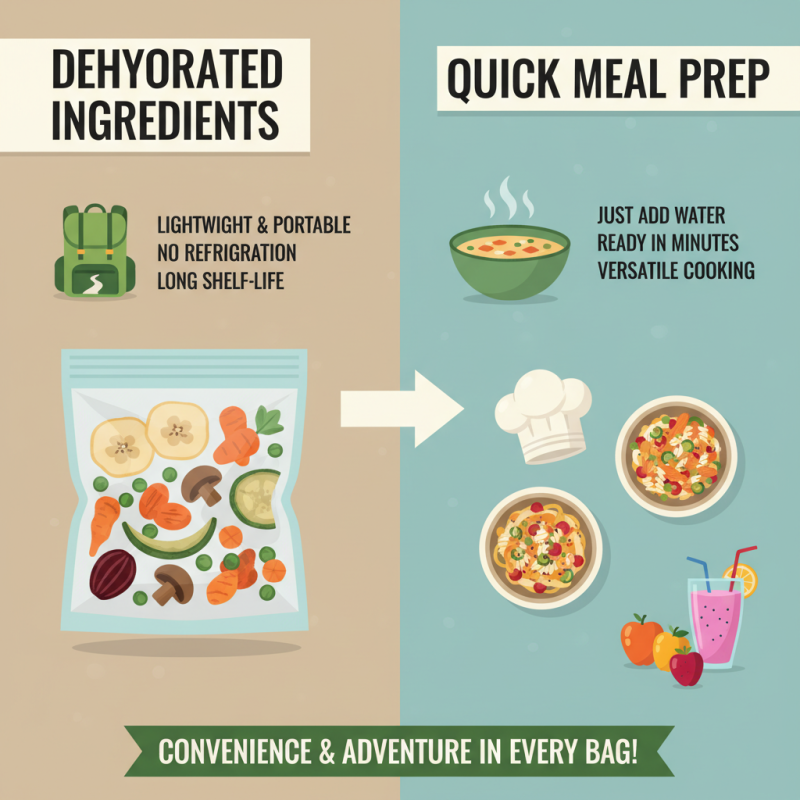
Cooking with dehydrated ingredients offers convenience and versatility. Dehydrated foods are lightweight and easy to store. This makes them ideal for quick meal prep. Imagine grabbing a bag of dehydrated vegetables or fruits. Just add water, and they’re ready to use. No refrigerator is needed. You can take them on camping trips too.
One notable dehydrated ingredient is Black Pepper Ingredients. They enhance flavor without the need for fresh spices. Using dehydrated herbs and spices can save time. You might think they lack taste, but that’s not true. They can often provide intense flavors if preserved well. You do need to experiment with measurements, as they can differ from their fresh counterparts.
Versatility is key when cooking with dehydrated foods. They can be added to soups, stews, or even baked goods. You can blend them into smoothies or sprinkle them on salads. Each uses a different approach and can yield varying results. Sometimes, it may take a few tries to get it right. Each dish can teach us about flavor balance. Embrace the learning process with dehydrated ingredients for exciting meals.
Cost-Effectiveness of Using Dehydrated Ingredients in Cooking
Using dehydrated ingredients in cooking offers significant cost-effectiveness. Dried fruits, vegetables, and herbs pack a punch of flavor without the spoilage worries. For example, a bag of dehydrated spinach can last for months, eliminating waste. Fresh ingredients can often be pricey and quickly rot. Dehydrated options are not only budget-friendly but also reduce trips to the grocery store.
Consider the use of Chili Dry Ingredients. They are readily available and add depth to dishes with minimal investment. You buy them once and use them sparingly. A pinch of dried chili can enhance any meal, transforming simple recipes into culinary delights. Additionally, these dehydrated items require less storage space and can easily fit in a pantry.
However, there are challenges. Some may argue that dried items lose freshness compared to their fresh counterparts. Yet, others find the convenience and longer shelf life outweigh this concern. It’s a matter of balancing flavor and practicality. Experimenting with these ingredients can lead to delicious discoveries, as well as moments where you need to rethink how to use them effectively.
Top 10 Benefits of Using Dehydrated Ingredients for Cooking
| Benefit |
Description |
Cost-Effectiveness |
| Long Shelf Life |
Dehydrated ingredients can be stored for years without spoiling. |
Reduces waste and saves money on frequent purchases. |
| Lightweight |
Easier to transport and store due to lower weight. |
Cut down on shipping costs and storage space. |
| Nutrient Retention |
Many vitamins and minerals remain intact despite the dehydration process. |
Provides high nutritional value for a lower cost than fresh ingredients. |
| Versatility |
Can be used in a variety of dishes across multiple cuisines. |
Saves money by reducing the need for multiple fresh ingredients. |
| Flavor Concentration |
Dehydration intensifies flavors, allowing for enhanced dishes. |
Less quantity needed, lowering overall costs for flavoring. |
| Easy Preparation |
Quick to rehydrate and incorporate into meals. |
Saves time and money on preparation and cooking. |
| Seasonal Availability |
Allows use of out-of-season ingredients any time of year. |
Stabilizes prices against seasonal fluctuations. |
| Minimal Processing |
Generally require less industrial processing compared to canned goods. |
Cost savings on manufacturing and packaging. |
| Health Benefits |
Often free from preservatives and additives found in other products. |
May lead to lower healthcare costs due to improved diets. |
| Easier Meal Planning |
Simplifies menu planning with ready-to-use ingredients. |
Reduces spending on spontaneous food purchases. |
Sustainability and Waste Reduction through Dehydration Techniques
Dehydration techniques offer significant benefits for sustainability. This process reduces food waste drastically. According to the Food and Agriculture Organization, roughly one-third of food produced for human consumption is wasted. Dehydrated ingredients like vegetables and fruits can help minimize this loss. They have a longer shelf life and retain nutrients, making them an excellent alternative to fresh produce.
One area to focus on is Frozen Corn Ingredients. When these kernels are dehydrated instead of discarded, they yield a versatile ingredient for various dishes. Dried corn can be used in soups, stews, and snacks. Not only does this reduce waste, but it also conserves water and energy consumed during transportation. A recent report indicated that reducing food waste in this manner could cut greenhouse gas emissions by 20-25%.
Consciously choosing dehydrated ingredients reflects a commitment to mindful cooking. However, there are challenges. Consumers may find it difficult to adjust recipes. The textures and rehydration times differ from fresh ingredients. Some culinary experimentation is necessary. But this exploration can lead to new favorites and sustainable habits in the kitchen.
Top 10 Benefits of Using Dehydrated Ingredients for Cooking
This bar chart illustrates the top 10 benefits of using dehydrated ingredients in cooking, rated on a scale from 1 to 10. The benefits include longer shelf life, nutrient retention, and reduced food waste, among others, highlighting how dehydration techniques contribute to sustainability and efficiency in the kitchen.
FAQS
: Users may experience installation difficulties or performance inconsistencies. These issues may require troubleshooting.
Regular maintenance and following user guidelines can enhance performance. However, some features may still underperform.
Yes, guidance can be beneficial. Yet, some users feel overwhelmed by the amount of information available.
Check for simple fixes first. If unresolved, more advanced troubleshooting may be needed, which can be frustrating.
Many suggest experimenting with settings. However, this approach may lead to unintended consequences.
Regular updates are advised for optimal performance. Yet, some updates may create new challenges instead of solutions.
Conclusion
Dehydrated ingredients have become increasingly popular in cooking due to their numerous advantages. One of the primary benefits is their nutritional value; dehydrating preserves essential vitamins and minerals, making them a healthy choice for meals. Additionally, these ingredients can enhance flavor profiles, allowing for a richer culinary experience without the need for preservatives. The longer shelf life of dehydrated ingredients means less waste and more convenience when storing food.
Furthermore, dehydrated ingredients offer versatility in cooking, as they can be easily incorporated into a variety of dishes, from soups to baked goods. Economically, they provide a cost-effective solution by extending the usability of seasonal produce and reducing spoilage. Lastly, the use of dehydration techniques promotes sustainability by minimizing food waste, making them a responsible choice for environmentally conscious cooks. Overall, integrating dehydrated ingredients into your cooking can lead to healthier, tastier, and more sustainable meals.