In the fast-changing world of food preservation, you’ve probably come across Freeze Dry Parsley — and honestly, it really stands out for being so versatile and value-packed. Dr. Emily Thompson, a well-known food science expert, even says, “The benefits of freeze-drying herbs like parsley are pretty amazing.” This process helps lock in the flavor, color, and nutrients, making it a top pick for buyers around the globe.
More and more people are hunting for high-quality ingredients these days. Freeze-dried parsley comes with some pretty solid perks—think longer shelf life and how easy it is to use. Toss it into your dishes, and you get that fresh herb taste without fussing over refrigeration. Plus, it keeps all the good nutrients intact, so your meals stay tasty and healthy.
That said, not all freeze-dried products are created equal. It’s really important for buyers to pay attention to where it’s coming from and how it’s processed. Quality should always come first. If you know a bit about how freeze-drying works, it can help you make smarter choices when buying. Once you get a real grasp on what Freeze Dry Parsley can do, it might just open up some new culinary possibilities you hadn’t thought of before.
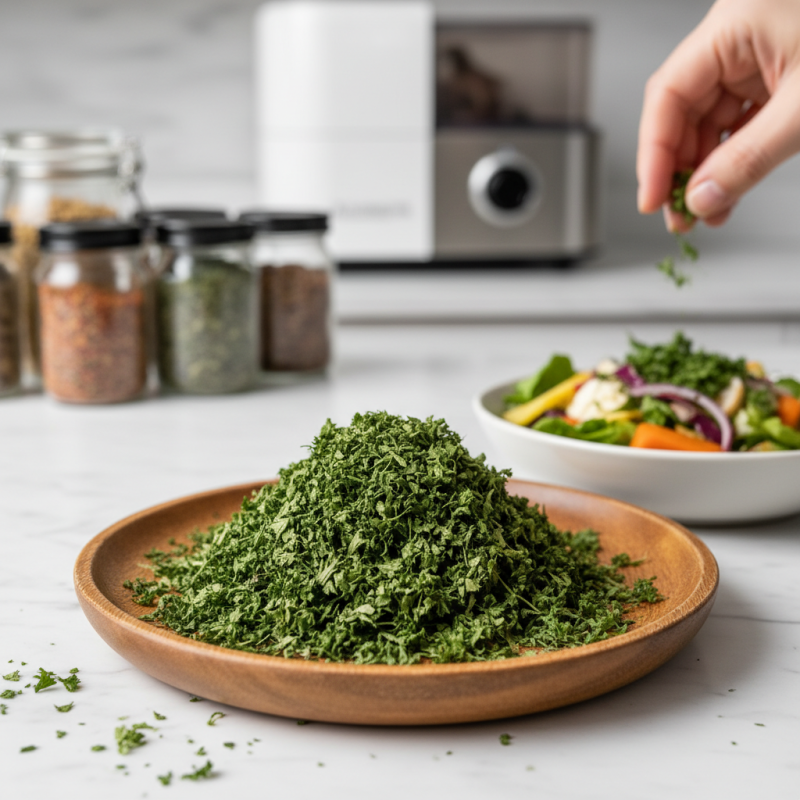
Benefits of Freeze-Dried Parsley for Nutritional Value Preservation
Freeze-dried parsley offers remarkable nutritional value preservation. The freeze-drying process retains up to 90% of its vitamins and minerals compared to fresh versions. According to a report by the U.S. Agricultural Research Service, vitamins such as vitamin C and A, which are vital for immune health, remain largely intact. This is crucial for consumers seeking healthy options that last longer than fresh herbs.
In addition, freeze-dried parsley is versatile. It can be rehydrated quickly, making it easy to incorporate into various dishes. This convenience appeals to busy consumers. A recent industry analysis indicates that the demand for freeze-dried products has grown by over 20% in the past five years. However, the market still faces challenges in educating consumers about the benefits of products like Dry Parsley.
While freeze-dried parsley shows great promise, some may question the flavor intensity. Fresh herbs often bring a robust taste that is sometimes lacking in their freeze-dried counterparts. This discrepancy may lead some consumers to favor fresh options. Nonetheless, for those prioritizing nutritional fidelity and extended shelf life, dry parsley offers a reliable alternative.
Comparative Analysis of Freeze-Dried vs. Fresh Parsley
When comparing freeze-dried parsley with fresh parsley, several factors emerge. Freeze-dried parsley retains most of its nutritional value. It has a concentrated flavor that can enhance dishes. This is crucial for chefs and home cooks looking to balance taste without adding extra bulk. Moreover, freeze-dried parsley boasts a long shelf life. This means it can be stored easily without losing quality.
In terms of texture, the differences are noticeable. Fresh parsley has a crisp, vibrant feel. It adds a fresh pop to salads and garnishes. On the other hand, freeze-dried parsley lacks this fresh crunch. It softens when rehydrated, blending well into soups and stews. However, some culinary experts may prefer the original texture of fresh parsley. Taste can also vary; freeze-dried parsley might seem less aromatic and vibrant when compared to its fresh counterpart, making it a potential challenge for flavor enthusiasts.
Ultimately, the choice between freeze-dried and fresh parsley depends on specific culinary needs. While freeze-dried offers convenience and longevity, fresh parsley shines in flavor and texture. Each option has its merits and limitations, prompting chefs to experiment for optimal use in various recipes.
Impact of Freeze-Drying on Flavor and Aroma Retention
Freeze-drying parsley preserves its natural flavor and aroma remarkably well. This method involves removing moisture without cooking the herb. The result is parsley that retains bright green color and pungent scent. Freeze-dried parsley is often more vibrant than traditional forms.
In contrast, Air Dry Parsley may lose some volatile compounds during the drying process. This can dull its flavors and reduce its culinary appeal. Buyers should consider this difference when choosing herbs. Freshness matters, especially in gourmet dishes.
Freeze-drying also allows for easier transportation and longer shelf life. The lightweight nature of freeze-dried parsley means less shipping costs. It provides global buyers with a convenient option without compromising on taste. While freeze-drying is effective, the process is not perfect. Some textures might change, requiring recipe adjustments.
Versatility of Freeze-Dried Parsley in Culinary Applications
Freeze-dried parsley has gained popularity among culinary enthusiasts worldwide. Its versatility in cooking is unparalleled. It retains flavors and nutrients much better than regular dried herbs. This makes it a preferred choice for chefs and home cooks alike.
In soups and stews, freeze-dried parsley adds a fresh taste. It rehydrates quickly, enhancing recipes without tedious preparation steps. Just a spoonful can brighten up any dish. Salads also benefit from its vibrant green color and flavor. Using it in dressings or as a garnish is common and effective.
Its shelf stability is a significant advantage. Unlike fresh parsley, which wilts and spoils, freeze-dried parsley lasts longer. This means it can be stocked up for emergencies or busy days. However, some cooks may find it less aromatic than fresh herbs. This is a factor to consider for flavor enthusiasts. Balancing convenience and taste is essential in culinary choices.
Cost-Effectiveness of Freeze-Dried Parsley for Global Buyers
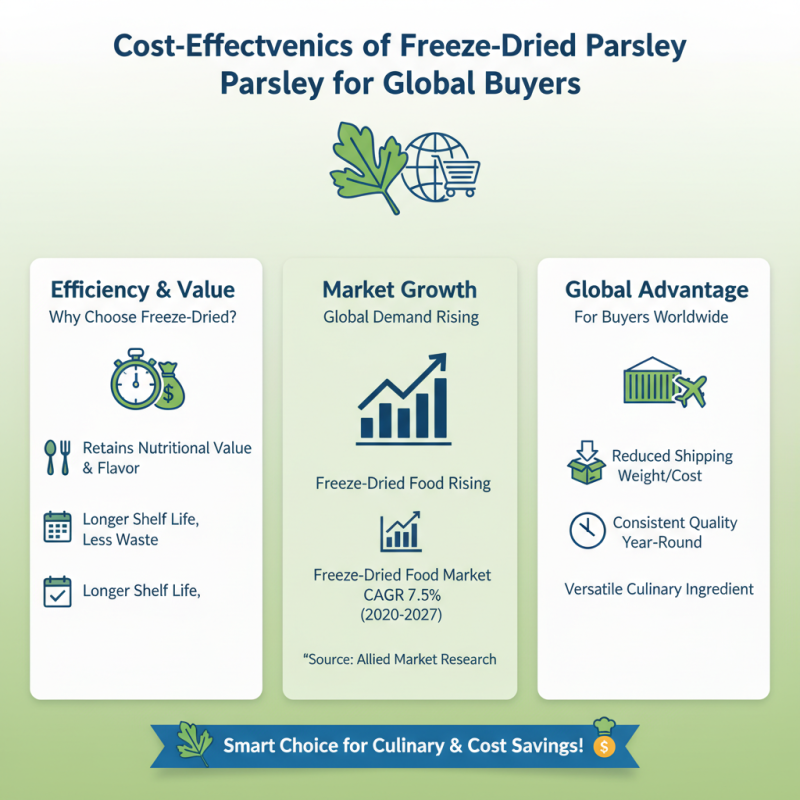
Freeze-dried parsley presents a cost-effective solution for global buyers seeking versatile culinary ingredients. According to a report by Allied Market Research, the freeze-dried food market is poised to grow significantly, with an expected CAGR of 7.5% through 2027. This growth highlights the rising demand for efficient preservation methods. Freeze-dried parsley retains nutritional value and flavor, making it a preferable choice—over traditional drying methods.
With rising transportation costs globally, freeze-dried products offer savings. Companies can reduce storage expenses due to the lightweight nature of Dry Parsley Flakes. A study published by the Food Research International reveals that freeze-drying can preserve up to 90% of the original nutrients. This means buyers get more value and quality when choosing freeze-dried alternatives.
However, the freeze-drying process requires advanced technology, which could pose challenges for smaller suppliers. Some may struggle with initial investment costs or achieving the necessary quality control. It's essential for buyers to evaluate suppliers carefully, ensuring they can meet high-quality standards consistently while remaining within budget constraints.
Shelf Life and Storage Benefits of Freeze-Dried Parsley
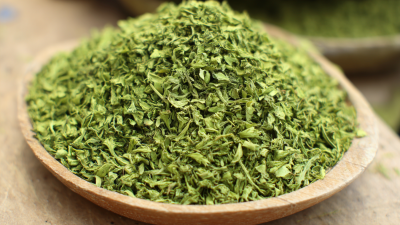
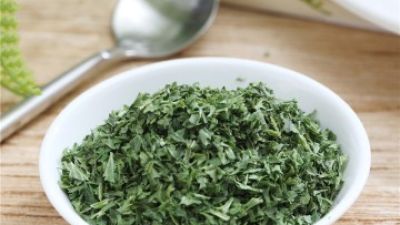
Freeze-dried parsley offers remarkable shelf life and storage benefits for global buyers. When properly freeze-dried, parsley retains its vibrant color and essential nutrients. This process significantly extends the herb’s usability, allowing it to last for years without spoiling. Buyers can store Dry Parsley Leaves conveniently, requiring no refrigeration. It makes this herb an ideal choice for both home cooks and commercial kitchens.
The versatility of freeze-dried parsley is also noteworthy. It can be rehydrated easily for use in soups, sauces, and other dishes. Alternatively, it serves well as a seasoning, adding flavor without the hassle of fresh ingredients. However, one must consider the need for proper storage conditions. Packaging should limit exposure to moisture and light. Some users may find the taste slightly different from fresh parsley. This slight variation may require adjustments in recipes to achieve the desired flavor.
Importantly, the long-term storage of dry parsley leaves presents a sustainable option for many. It reduces food waste and can be a reliable resource during off-seasons. The ease of use enhances its appeal, yet understanding the potential changes in flavor is essential. With proper care, freeze-dried parsley is a valuable addition to any pantry.
Environmental Considerations in Freeze-Drying Process
The freeze-drying process greatly influences environmental sustainability. It reduces waste by preserving parsley and enhancing its shelf life. However, it consumes significant energy. Therefore, energy-efficient methods are essential.
Water usage is another factor to consider. Freeze-drying can use less water than traditional methods. This is a plus for regions facing water scarcity. Yet, sourcing energy from renewable resources is crucial to minimize the environmental footprint. Sustainable practices must be a priority in the industry.
A critical reflection involves the trade-offs in freeze-drying. The process can lead to potential emissions if not properly managed. Companies must balance efficiency with ecological responsibility. Understanding these dynamics can improve practices and ultimately benefit the planet.
The Versatile Parsley: Exploring Culinary Uses, Nutritional Benefits, and Growing Tips
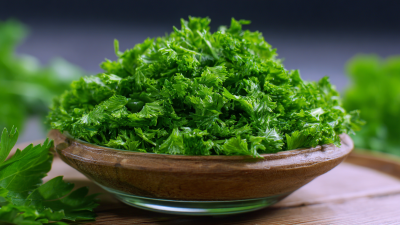
Parsley, a versatile perennial herb originating from the Mediterranean, plays a pivotal role in enhancing the flavors of a wide array of dishes. Its two primary forms—Curly Parsley and Flat-Leaf Parsley—each offer unique culinary attributes. Curly Parsley, with its tightly curled leaves, not only serves as an attractive garnish but also adds a delightful texture to salads and entrees. On the other hand, Flat-Leaf Parsley boasts a deeper green color and a fresher aroma, making it a popular ingredient in sauces, soups, and many traditional Western recipes.
The culinary appeal of parsley extends beyond its fresh forms, as it is also available in flakes, granules, and powder. These dried variants of parsley provide an easy and convenient way to incorporate its flavors into various dishes, while also ensuring a longer shelf life. Additionally, freeze-dried parsley stands out as a premium option, as the advanced freeze-drying process preserves its vibrant color, nutrients, and taste. This method maintains the herb’s nutritional benefits, making it an excellent choice for health-conscious cooks looking to enhance their meals without compromising on flavor. Whether used fresh or dried, parsley’s adaptability makes it a staple in kitchens worldwide, adding both health benefits and culinary flair to everyday cooking.
FAQS
: Fresh parsley has a crisp texture and vibrant flavor. Freeze-dried retains nutrients but lacks crunch.
Freeze-drying preserves flavor and aroma well, resulting in vibrant-colored parsley. However, some may find it less aromatic.
It has a long shelf life and requires no refrigeration. This is ideal for busy cooks and emergencies.
Yes, it adds color and flavor to salads. Just remember, the texture will differ compared to fresh parsley.
No, it rehydrates quickly in soups or stews. Just a spoonful can enhance your dish without extra effort.
Some chefs find it less aromatic than fresh parsley. Balancing convenience with flavor is important in cooking.
Conclusion
Freeze Dry Parsley offers numerous benefits that make it an attractive option for global buyers. One of the primary advantages is its ability to preserve nutritional value effectively, making it a healthy addition to a variety of dishes. When compared to fresh parsley, freeze-dried parsley provides a more concentrated flavor and aroma, enhancing culinary applications without compromising taste. Its versatility allows it to be easily incorporated into soups, sauces, and seasonings, appealing to a wide range of culinary preferences.
Additionally, Freeze Dry Parsley stands out for its cost-effectiveness and extended shelf life, making it a practical choice for both consumers and businesses. With proper storage, it can maintain its quality for an extended period, reducing waste and ensuring availability. Furthermore, the freeze-drying process itself poses fewer environmental concerns than other preservation methods, making it a sustainable choice for the conscious buyer. Overall, the benefits of Freeze Dry Parsley position it as a valuable ingredient in the global food market.