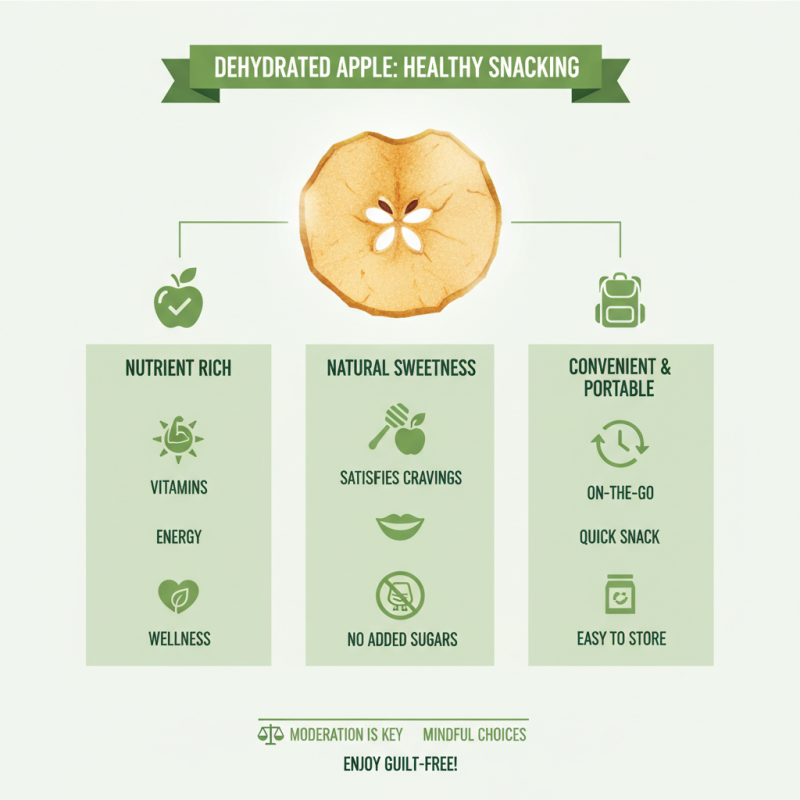
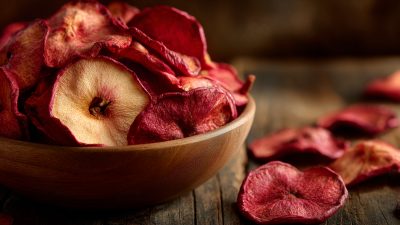
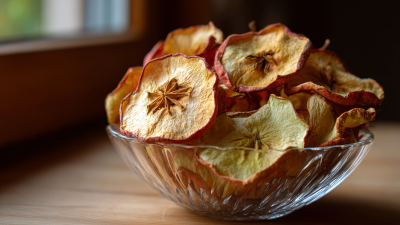
Hey, have you tried dehydrated apples? They've really become pretty popular as a healthy snack. People love how naturally sweet they are, plus they're super easy to carry around, which is awesome if you're always on the go. I mean, honestly, they’re just so convenient for snacking anytime.
What’s cool is they still pack a bunch of nutrients—most of the vitamins you’d find in fresh apples are preserved. So, if you’re craving something sweet but want to avoid added sugars, this is a pretty good option. That said, some folks might find the texture a bit different from fresh fruit—kind of chewier or denser—so it’s a bit of a toss-up there.
Of course, like with anything, it’s all about balance. Eating too many might add up in calories, so don’t go overboard. A little mindfulness about portions can really help this snack be a nice, healthy addition to your diet without overdoing it.
Benefits of Dehydrated Apples for Health
Dehydrated apples offer a range of health benefits. They are nutrient-dense, providing essential vitamins and minerals. According to the USDA, a single serving of dehydrated apples can contain up to 12% of the daily recommended intake of vitamin C. This vitamin supports immune health and aids in collagen production.
Eating dehydrated apples may help with digestion. They are a source of dietary fiber, which promotes gut health. The Fiber One report indicates that an average serving may contain about 3 grams of fiber. However, be cautious about portion sizes; consuming too many can lead to digestive issues.
Moreover, dehydrated apples are quick snacks, perfect for busy lifestyles. They can be added to cereals or salads, enhancing flavor and nutrition. That said, moderation is key. While they contain natural sugars, excessive consumption could lead to unwanted energy spikes. Consider pairing them with nuts for a balanced snack option.
Nutritional Profile of Dehydrated Apples Explained
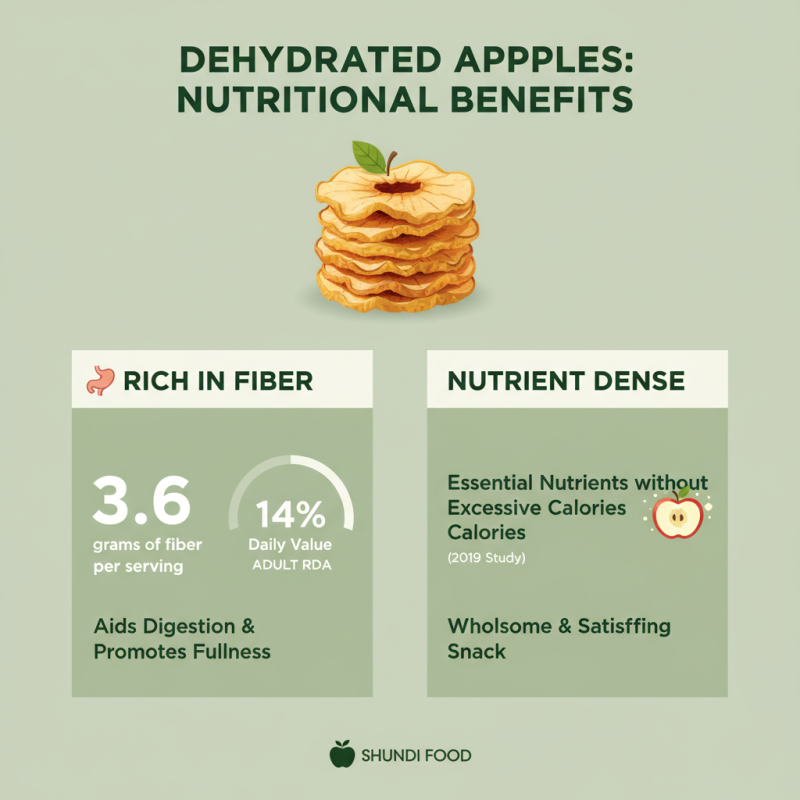
Dehydrated apples offer impressive nutritional benefits. They are rich in fiber, which aids digestion and promotes feelings of fullness. A 2019 study showed dried fruit can provide essential nutrients without excessive calories. Dehydrated Apple Slices contain up to 3.6 grams of fiber per serving. That’s about 14% of the daily requirement for adults.
These dehydrated snacks also retain a variety of vitamins. For instance, they supply significant amounts of vitamin C and potassium. One serving can provide 5% of the daily recommended intake of vitamin C. This vitamin is important for immune function and skin health. Dehydrated apple slices are also a source of antioxidants. They help combat oxidative stress in the body, which might lead to chronic diseases.
However, it's important to watch portion sizes. Dehydrated fruits are calorie-dense due to the removal of water. A small handful is often more beneficial than an entire bag. Overeating these snacks can lead to unintentional calorie surpluses. Balancing them with other whole fruits can enhance overall health. The texture and sweetness of dehydrated apples make them satisfying, but moderation is key.
Comparing Dehydrated Apples to Fresh Apples
When comparing dehydrated apples to fresh apples, the differences in nutrient density stand out. Dehydrated apples retain most of their vitamins and minerals during the drying process. According to a study by the USDA, dried apples can contain around 29 grams of fiber per 100 grams, while fresh apples offer only 2.4 grams in the same serving size. This fiber content can promote digestive health and provide a feeling of fullness.
However, it’s important to note that dehydration can also reduce certain nutrients. For instance, vitamin C is sensitive to heat and light. Fresh apples provide about 4.6 mg of vitamin C per 100 grams, while dehydrated apples may lose a significant portion of this vitamin. A lack of this vitamin can lead to decreased immunity over time.
On the convenience front, Dehydrated Apple Powder offers ease for use in various recipes. It’s lightweight and can be added to smoothies, oatmeal, or baked goods effortlessly. But, the intense sweetness can sometimes overshadow the natural apple flavor. Consumers looking for healthy snacks should be cautious of added sugars in some dehydrated apple products. Balancing convenience and nutritional content is key.
Creative Ways to Incorporate Dehydrated Apples in Meals
Dehydrated apples offer a versatile ingredient for meals. They are low in calories and high in fiber. This makes them an ideal choice for healthy snacking and meal enhancement. According to industry reports, dried fruits can retain up to 80% of their nutrients. Dehydrated apples, in particular, provide essential vitamins like C and K. When added to your diet, they can help improve digestion.
Incorporating dehydrated apples into meals is simple. They work well in salads, adding chewiness and flavor. Toss them in a green salad with nuts for a healthy crunch. You can also use them in oatmeal or yogurt, bringing a natural sweetness. A study found that 40% of consumers enjoy using dried fruits in breakfast meals. Dehydrated apples can even star in savory dishes. Try adding them to stir-fries for a sweet contrast against salty flavors.
Baking with dehydrated apples offers another avenue. They're great in muffins or bread, providing moisture and flavor. However, be cautious; overdoing it can lead to overly sweet treats. Some recipes can unintentionally spiral into unhealthy versions. Always balance the ingredients to maintain wholesomeness. Keeping portions in check ensures you benefit from their nutrition while enjoying indulgence.
Dehydrated Apples as a Convenient Snack Option
Dehydrated apples are an excellent snack option for many. Their convenience makes them popular among health-conscious individuals. You can easily pack them for road trips, hikes, or a busy day at work. One serving usually contains about 120 calories. Yet, they offer essential nutrients like dietary fiber and vitamins, making them a smart choice.
The convenience of dehydrated apples is notable. They require no refrigeration. This means you can buy in bulk and store them for months. However, the drying process may reduce some vitamin C content. A study reported that fresh apples contain around 14% vitamin C, whereas dehydrated apples only retain about 2-3%. While they are not perfect, they do offer a portable snack rich in antioxidants.
Moreover, the chewy texture appeals to many snack lovers. People often look for healthier alternatives to chips or candies. Dried apples can satisfy sweet cravings without added sugars. Still, it's essential to read labels carefully. Some products may have preservatives that detract from their health benefits. This makes it necessary to choose wisely while shopping.
Storage Tips for Maintaining Freshness of Dehydrated Apples
When it comes to storing dehydrated apples, optimal conditions are crucial. Proper storage can significantly extend their shelf life, preserving flavor and nutrients. A study from the Journal of Food Science indicates that dehydrated fruits can maintain their quality for months if stored in a cool, dark place. This means avoiding direct sunlight, which can deteriorate their crispness.
Using airtight containers is essential for maintaining freshness. Glass jars or vacuum-sealed bags work well. This prevents moisture from entering, which can lead to mold—an issue not everyone considers. A report from the USDA highlights that moisture control is key in food preservation. It’s also beneficial to keep these Apple Slices Dehydrated away from strong-smelling foods. Dehydrated apples can absorb odors, altering their taste.
Occasional checks are important, too. You might find some pieces turning chewy or clumping together. This could signify moisture exposure. Regularly inspecting your storage can help identify issues early. Awareness and preventive measures can enhance the experience of enjoying these tasty snacks.
Potential Drawbacks of Consuming Dehydrated Apples
Dehydrated apples are a popular snack, but there are potential drawbacks to consider. While they are low in fat and full of fiber, they can be high in sugar. This sugar content can be a concern if consumed in large quantities. A single serving may contain as much sugar as a regular candy bar. Eating too many Dehydrated Apple Chips could lead to spikes in blood sugar levels.
Another consideration is the texture. Some people find dehydrated apple chips hard to chew. This can be an issue for those with dental problems. Additionally, the lack of moisture may not satisfy thirst or hunger the same way fresh fruit does. While these snacks are convenient, they might not meet all your cravings.
Moreover, some brands use preservatives to enhance shelf life. These additives might affect the overall health benefits of dehydrated apples. It's important to check ingredient lists. Opt for products with minimal additives for a healthier choice. Being mindful of portion sizes and aware of your body’s response is crucial when incorporating dehydrated apple chips into your diet.
Best Dehydrated Apple Benefits and Uses for Healthy Snacking? - Potential Drawbacks of Consuming Dehydrated Apples
| Benefit/Use |
Description |
| Nutrient Dense |
Dehydrated apples retain most of the nutrients found in fresh apples, including fiber, vitamins, and minerals. |
| Convenient Snack |
They are lightweight and easy to carry, making them ideal for on-the-go snacking. |
| Long Shelf Life |
Dehydrated apples can be stored for a longer time without refrigeration, reducing food waste. |
| Natural Sweetness |
Dehydration concentrates their natural sugars, providing a sweet and satisfying treat without added sugars. |
| Versatile Ingredient |
Can be added to cereals, baked goods, salads, and trail mixes for enhanced flavor and texture. |
| Potential Drawbacks |
Description |
| High Sugar Content |
Dehydration increases the sugar concentration, which can be a concern for those monitoring sugar intake. |
| Caloric Density |
Dehydrated apples are more calorie-dense than fresh apples, which could lead to overeating. |
| Possible Additives |
Some commercial dehydrated apples may contain preservatives or added sugars, so reading labels is important. |
The Power of Apple: Transforming Technology and Daily Life in the Modern Era
In today’s fast-paced world, the power of apples extends beyond their nutritional benefits to revolutionize our daily lives through convenience and versatility. Air-dried apples exemplify this transformation, offering a delightful interplay of flavor and practicality. According to the United States Department of Agriculture (USDA), dried fruits retain most of the nutrients of their fresh counterparts while being lightweight and shelf-stable, making them an ideal snacking solution. The dehydration process employed ensures that essential vitamins, such as vitamin C, remain intact, alongside valuable dietary fiber and antioxidants that are vital for maintaining a healthy lifestyle.
The growing trend towards healthy eating has amplified the popularity of air-dried products, particularly in the context of rural and urban households alike. A report from the Nutritional Research Institute highlights that convenient, nutritious options resonate well with busy consumers looking to maintain a balanced diet without sacrificing flavor. Air-dried apples, available in various forms—including slices, granules, and custom options—cater to diverse culinary applications, from wholesome snacking to ingredient use in commercial food production.
Moreover, their absence of additives and preservatives distinguishes air-dried apples as a premium choice in the wellness movement, appealing to health-conscious individuals who prioritize clean eating. As technology continues to reshape how we access and consume food, air-dried apples stand as a testament to nature's bounty, elegantly bridging the gap between modern convenience and traditional nutrition.
FAQS
: Dehydrated apples have more fiber, about 29 grams per 100 grams. Fresh apples contain only 2.4 grams per serving.
Yes, dehydration can reduce vitamin C significantly, which affects immunity over time.
It can be added to smoothies, oatmeal, or baked goods quickly and efficiently, though sweetness might overpower apple flavor.
Keep them in a cool, dark place in airtight containers to maintain flavor and freshness.
Moisture can lead to mold and spoilage, so preventing moisture exposure is key for preservation.
Check for pieces that are chewy or clumping together, which could indicate moisture exposure.
Yes, they can absorb strong smells, affecting taste. Store away from fragrant items.
Some products may have added sugars, which could be a health concern for snackers seeking healthier options.
They can maintain quality for months if kept in the right conditions, away from light and moisture.
The intense sweetness can sometimes overshadow the natural apple flavor, which might be disappointing for some.
Conclusion
Dehydrated apples are an excellent choice for healthy snacking, offering numerous health benefits alongside a convenient nutritional profile. Rich in essential vitamins and minerals, these fruits maintain many of the nutrients found in fresh apples while being lower in calories. When compared to fresh apples, dehydrated options provide a longer shelf life and are easy to incorporate into various meals, making them a versatile ingredient.
However, it’s important to consider potential drawbacks, such as added sugars or preservatives in some products. Proper storage helps maintain the freshness of dehydrated apples, ensuring they remain a delicious and healthy snack option. Overall, incorporating dehydrated apples into your diet can be a smart and tasty choice for those looking to enhance their snacking habits.