As the world’s really starting to crave healthier snacks, the dried food market—especially sweet corn dried—has been growing pretty fast. A recent report from Grand View Research mentions that the global freeze-dried food market could hit around $85 billion by 2027. With its rich flavor and good nutrition, sweet corn is becoming pretty popular among folks who are into healthy eating.
You know, what’s interesting about the trend in sweet corn dried is how it points to a bigger shift—people want snacks that are quick and easy, but still good for you. Lots of companies, like Olam Group and B القرني, are ramping up their product lines to keep up with this demand. Take freeze-dried sweet corn, for example—it's packed with vitamins and minerals and lasts way longer on the shelf. But, honestly, some brands run into struggles when it comes to keeping the quality consistent during processing. That can shake consumer trust, and in a market full of options, trust is everything.
Looking ahead to 2026, understanding what consumers really want will be a big deal. The rise of plant-based diets and busy lifestyles shows that people are leaning toward sustainable, easy-to-make snacks. Still, the industry’s got to work on keeping quality steady if it wants to build a solid reputation. It’s all about balancing innovation with dependability—that’s what’s going to shape the future of sweet corn dried around the globe.
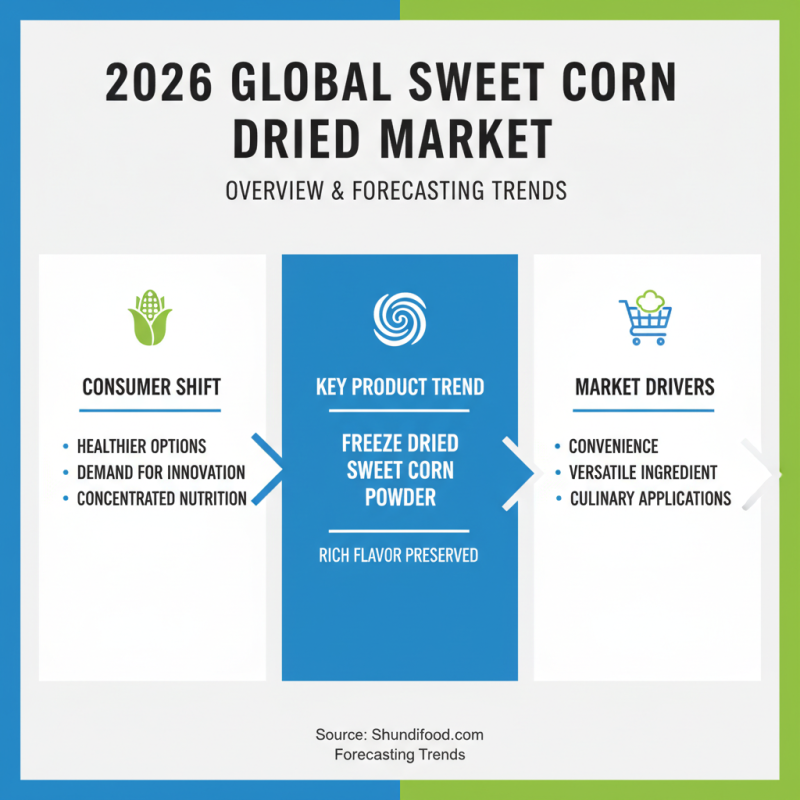
2026 Global Sweet Corn Dried Market Overview and Forecasting Trends
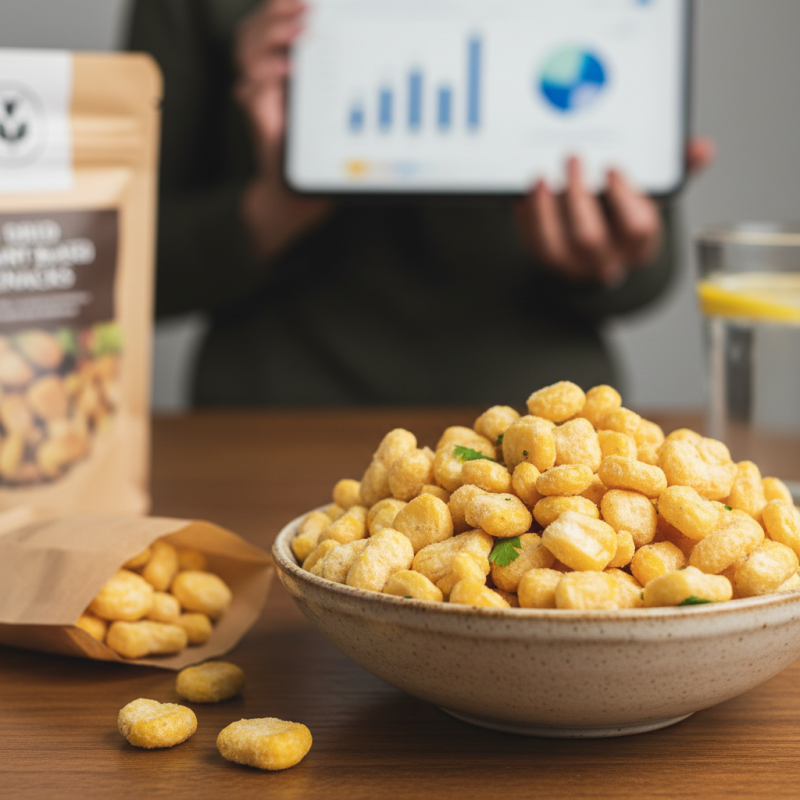
The global sweet corn dried market is set to experience notable changes in 2026. As buyers seek healthier options, there is a growing demand for innovative products like Freeze Dried Sweet Corn Powder. This product offers concentrated nutrition and preserves the sweet corn’s rich flavor. Consumers value convenience, making this versatile ingredient a top choice for various culinary applications.
Sustainability is also driving trends in this market. Many suppliers are focusing on eco-friendly processing methods. This approach not only appeals to environmentally conscious consumers but also reflects a broader industry shift toward responsible sourcing. However, transitioning to sustainable practices can be challenging for some producers.
Projections suggest increasing competition among suppliers, emphasizing the need for quality and reliability. With evolving preferences, staying informed on market dynamics will be crucial. Buyers should watch for emerging trends in flavor profiles and packaging innovations. Engaging in the evolving landscape will empower global buyers to make informed decisions in the sweet corn dried sector.
Key Factors Influencing Sweet Corn Dried Demand by Region for 2026
The demand for Dried Sweet Corn varies significantly across different regions. Factors such as climate, local agricultural practices, and consumer preferences play essential roles. In regions with a warm climate, such as parts of South America and Africa, the production of dried sweet corn is likely to increase. This is due to the extended growing seasons and favorable conditions for harvesting. However, differences in farming methods impact the overall quality of the product.
In colder regions, such as northern Europe, the scarcity of fresh corn products often leads consumers to seek alternatives like dried sweet corn. This creates a unique opportunity for suppliers to cater to the evolving market. Additionally, health trends are influencing purchasing decisions. More consumers are choosing dried sweet corn for its nutritional benefits. Yet, some still question the absence of fresh options and the sustainability of production practices.
Pricing is another crucial aspect. Variations in supply chain efficiency contribute to price fluctuations that buyers may face. Awareness of local regulations on food imports also shapes demand. Understanding these regional influences is vital for anyone looking to engage with the dried sweet corn market. Strong communication with local producers can enhance transparency and build trust.
2026 Top Sweet Corn Dried Trends for Global Buyers
This bar chart illustrates the projected demand for dried sweet corn across different regions in 2026. As shown, Asia is expected to have the highest demand, followed by North America and Europe.
Projected Growth Rates of Sweet Corn Dried Exports and Imports Worldwide
The global market for dried sweet corn is expected to grow significantly over the next few years. As consumer preferences shift towards healthier snack options, the demand for dried sweet corn is rising. This versatile product is rich in nutrients and can be used in various culinary applications.
Projected growth rates indicate a steady increase in both exports and imports. Countries with high agricultural output are likely to dominate the export market. However, challenges like supply chain disruptions and fluctuating prices cannot be ignored. These factors may affect the overall growth potential.
Emerging markets also show promise. Increasing population and urbanization drive demand in regions traditionally less focused on value-added products. While opportunities are abundant, producers must adapt to evolving tastes and maintain quality standards. Flexibility in production and marketing strategies will be essential for success in this competitive landscape.
2026 Top Sweet Corn Dried Trends for Global Buyers
| Country |
Projected Export Volume (Metric Tons) |
Projected Import Volume (Metric Tons) |
Growth Rate (%) |
Market Share (%) |
| United States |
1,200,000 |
800,000 |
3.5 |
45 |
| Brazil |
800,000 |
600,000 |
5.0 |
30 |
| China |
600,000 |
900,000 |
2.0 |
15 |
| India |
400,000 |
300,000 |
4.2 |
10 |
| Argentina |
500,000 |
200,000 |
6.0 |
5 |
Innovative Processing Techniques Impacting Sweet Corn Dried Quality in 2026
The quality of Sweet Corn Dried in 2026 is rapidly evolving due to innovative processing techniques. New methods enhance flavor, texture, and nutrient retention. According to industry reports, advanced dehydration technologies can maintain up to 90% of the original nutrients. This shift is crucial for global buyers looking for high-quality dried corn products.
One notable technique is the use of vacuum drying. This method lowers the boiling point, allowing sweet corn to dry without losing its natural taste. Additionally, air quality during processing plays a significant role. Many producers are implementing controlled environments to **prevent contamination**. Data shows processed sweet corn can have a shelf life extended by up to 50% with these advancements.
Tips: Always check moisture levels in packaging. High moisture can lead to spoilage. When sourcing Sweet Corn Dried, consider suppliers using modern techniques for better quality. Networking with industry experts can provide insights into new processing innovations. Staying informed about trends will help buyers make better purchasing decisions.
Consumer Preferences Shaping Sweet Corn Dried Products and Packaging Trends
The dried sweet corn market is evolving, shaped by consumer preferences. Recent reports indicate that 65% of buyers prioritize health benefits when choosing dried snacks. Nutrition plays a key role in this trend. Many consumers seek natural products without additives.
Packaging also significantly impacts purchasing decisions. Over 55% of customers prefer eco-friendly materials. They are more likely to buy products with sustainable packaging. Clear labeling of nutritional content leads to increased trust. Transparency is crucial for brands to gain loyalty.
The rise of plant-based diets influences sweet corn products. Data shows a 30% increase in demand for vegan options. However, many suppliers struggle to meet this trend effectively. Balancing taste and health remains a challenge. Consumers expect flavor without sacrificing their health goals. As product offerings expand, innovation in both flavor and packaging will be vital.
Sustainability Practices in Sweet Corn Dried Production for Future Buyers
The demand for sustainable practices in sweet corn dried production is growing. Buyers now prioritize environmental responsibility. Reports indicate that the global market for dried corn is projected to reach $4 billion by 2026. This growth highlights the need for improved sustainability. Various techniques are being adopted to minimize waste and reduce the carbon footprint.
Modern practices include precision agriculture. This method uses technology to optimize inputs and maximize yields. Precision agriculture can lead to a 30% reduction in water usage. Another trend is the integration of organic farming techniques. Organic sweet corn can attract a premium price, appealing to health-conscious consumers.
Tips: Consider sourcing from suppliers with certifications. Look for those that practice crop rotation and soil health management. Regular audits of supply chains can help identify areas needing improvement. Remember, not all practices are flawless. Some farmers face challenges in transitioning to sustainable methods. This evolution requires time and commitment.
Competitive Landscape: Major Players in the Sweet Corn Dried Industry for 2026
The dried sweet corn market is rapidly evolving. For 2026, several key players are shaping this industry landscape. Their strategies focus on quality, sustainability, and innovation. Companies are exploring new drying techniques to enhance flavor and preserve nutrients. This approach is critical for maintaining product quality in the Dried Sweet Corn Bulk sector.
Tips for buyers: Always consider suppliers who provide transparent sourcing. Ask about their drying processes and ingredient integrity. Reliable companies will share their methods. Keeping an eye on market trends will help you stay ahead. Emerging technologies influence pricing and availability.
Consumer preferences are shifting towards healthy snacks. Brands must adapt or risk falling behind. Not every company will succeed in this transition. Diligent research will identify those that truly prioritize quality over quantity. Engaging with the right suppliers is essential for optimizing product sourcing in this competitive market.
Exploring the Nutritional Benefits and Culinary Uses of Sweet Corn Powder
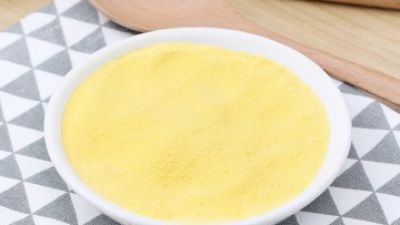
Sweet corn powder, derived from the tender kernels of maize (Zea mays), brings a wealth of nutritional benefits to various culinary applications. Rich in carbohydrates and dietary fiber, sweet corn powder not only satisfies hunger but also contributes to digestive health. Notably, it is an excellent source of B vitamins, particularly folate, which is crucial for energy metabolism and red blood cell formation. According to industry reports, the global demand for sweet corn products, including sweet corn powder, is expected to grow due to the rising awareness of plant-based nutrition and the increasing trend of incorporating convenient, nutritious ingredients into everyday diets.
The production of spray-dried sweet corn powder ensures that it retains the natural flavor and nutrients of fresh sweet corn. The process includes multiple stages such as juicing, concentration, and spray drying, which effectively locks in the essential vitamins and minerals. This powder is versatile and can be seamlessly integrated into various food products. In soups and sauces, it acts as a natural thickener while adding a hint of sweetness. Its applications extend to the bakery sector as well, where it enhances the flavor profile of bread, biscuits, and snacks. Furthermore, its excellent water solubility makes it ideal for beverages, including instant drinks and smoothies, as well as for baby foods that require easy digestion and rapid preparation.
The appeal of sweet corn powder lies not only in its functionality but also in its health benefits. Research suggests that incorporating fiber-rich ingredients like sweet corn powder into diets can help combat chronic diseases and maintain overall well-being. With its growing popularity, sweet corn powder is poised to become a staple ingredient for those seeking nutritious and convenient food options, aligning with the increasing consumer demand for wholesome, plant-based alternatives in their daily diets.
FAQS
: Climate, agricultural practices, and consumer preferences significantly impact dried sweet corn demand.
Warm climates enable longer growing seasons, boosting dried sweet corn production and harvest quality.
Cold regions often lack fresh corn, prompting consumers to seek dried alternatives for diverse options.
Increased focus on nutrition leads more consumers to opt for dried sweet corn products.
Inefficiencies in the supply chain contribute to price fluctuations, impacting buyer costs significantly.
Yes, urbanization and growing populations in emerging markets drive demand for dried sweet corn products.
Innovative methods like vacuum drying improve flavor, texture, and nutrient retention in dried sweet corn.
High moisture can lead to spoilage; always check moisture levels in dried sweet corn packages.
Engaging with industry experts provides insights into processing innovations and market trends for informed decisions.
Adapting to shifting tastes and maintaining quality standards are significant challenges for producers today.
Conclusion
The article titled "2026 Top Sweet Corn Dried Trends for Global Buyers" provides a comprehensive overview of the anticipated trends in the sweet corn dried market for 2026. It highlights various factors influencing demand across different regions, forecasting growth rates for exports and imports. Innovative processing techniques are expected to enhance the quality of sweet corn dried products, catering to evolving consumer preferences regarding packaging and product attributes. Additionally, the importance of sustainability practices in production is emphasized, as future buyers increasingly prioritize eco-friendly options. The competitive landscape of the sweet corn dried industry is also explored, identifying major players who are likely to shape the market dynamics in the upcoming years.
Overall, the article serves as a valuable resource for global buyers looking to navigate the sweet corn dried market, providing insights into trends, consumer behaviors, and key industry developments for 2026.