So, you're trying to figure out which garlic flakes are worth your money in 2026, right? Well, honestly, it's not a one-size-fits-all answer. You gotta think about a few things: how strong you want the flavor, how well it handles moisture, the particle size, and what you're actually using it for. And here's the thing – don't just assume all flakes are the same. For example, that pale, thin flake? Perfect for seasoning blends. But if you're making soups, sauces, or ready-made meals, you'll want something thicker – it just performs better.
Hey, so I've been looking at some recent industry reports, and it turns out demand for processed garlic is pretty steady. Grand View Research actually put the global garlic market at around 15.7 billion USD in 2023, and they're expecting it to keep growing through 2030 – that's fueled by convenience foods and ingredients with longer shelf life. IMARC Group also mentions dehydrated garlic as pretty important for food manufacturers. But here's the thing: these reports don't break down every single flake grade. And honestly, that limitation matters.
You know, Dr. Eric Block – he's basically the go-to guy for allium chemistry – once said something like, “garlic is a fascinating plant because its chemistry changes when the cloves are cut.” And that’s not just some nerdy fact; it actually messes with the aroma, the heat, and even whether people end up liking it or not. That's also why you'll see folks comparing standard white garlic flakes, roasted ones, organic ones, and even finer ground versions – like these Dried Garlic Flakes. Honestly, each one gives you a completely different sensory vibe. So, you know how organic certification can really help you position your product as premium? Well, it does. And then there's the roasted flakes—they give you a deeper color and a touch of sweetness, which is a nice bonus. Plus, if you go with low-moisture flakes, you'll avoid that annoying clumping during storage. Honestly, all these little things? They matter more than you'd think.
So, here's the thing: buyers can still pick a dud. That cheap bag of garlic flakes? Might be full of uneven bits, way too much dust, and barely any smell. Honestly, you're better off checking things like supplier audits, moisture levels, where it came from, and even doing a quick taste test than just going by price. The market's booming, sure, but the quality standards are all over the map. So this guide is here to help you figure out the best garlic flakes types for 2026 based on what actually works, not on flashy marketing.
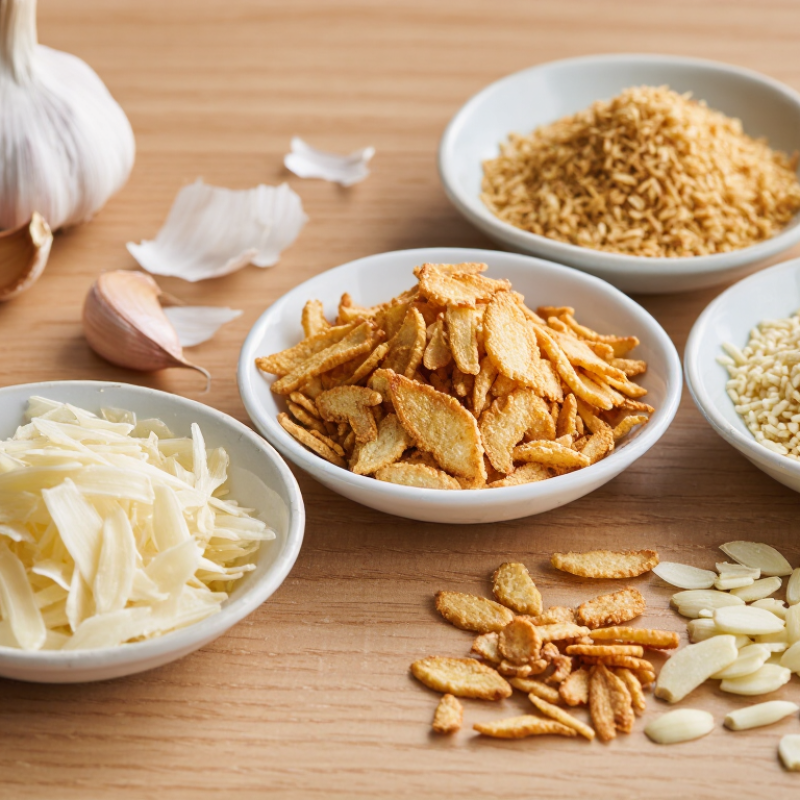
Dry Garlic Flakes are sliced garlic cloves preserved by controlled dehydration. They are not garlic powder, and they retain visible shape, texture, and a milder roasted aroma after cooking. FAOSTAT’s Crops and Livestock Products database records global garlic production at roughly 28 million tonnes in recent years. That scale explains the wide variation in raw material quality.
Manufacturing starts with mature bulbs. Workers remove roots, separate cloves, peel them, and inspect them for bruises or mold. Clean cloves are sliced into thin pieces, often around 2–5 millimeters thick. Hot-air drying then reduces moisture and slows microbial growth. Temperature matters. Excess heat can darken the flakes and flatten their aroma. Careful processors monitor moisture, water activity, foreign material, and microbial results under HACCP or ISO 22000 systems.
Buyers usually compare standard flakes, fine flakes, toasted flakes, and larger coarse cuts. Fine pieces disperse quickly in sauces. Coarse flakes provide more visible garlic in soups, marinades, and seasoning blends. USDA Foreign Agricultural Service trade reports also show garlic remains a major globally traded crop, so origin and harvest timing deserve attention. A perfect-looking flake can still disappoint. Color alone proves little. I would request a specification sheet, recent test results, cut-size tolerance, moisture data, and a cooking sample before approval. My own practical mistake was judging aroma from the bag only; after soaking, weak flakes revealed poor freshness.
Garlic flakes are made by cleaning, peeling, slicing, dehydrating, and grading fresh garlic. Standard sliced flakes are generally thicker than minced, granulated, and powdered forms. Actual specifications may vary by supplier, sieve size, and application.
In 2026, thin dehydrated garlic flakes will likely lead high-volume food production. They rehydrate quickly and spread evenly through soups, sauces, and seasoning blends. Coarse flakes should remain popular with foodservice buyers. Their visible pieces create a stronger handmade appearance. Roasted garlic flakes may gain attention in snacks and ready meals. They offer deeper color and a sweeter aroma. Still, flavor can vary between batches.
Buyers will increasingly favor clean-label flakes with low moisture, stable color, and clear origin records. Freeze-dried flakes may serve premium products, but their higher cost limits wider adoption. During sample checks, I would examine texture after ten minutes in warm water. Soft centers suggest better processing control. A reliable Dried Garlic Flakes Manufacturer should provide moisture data, mesh size, microbial testing, and batch traceability. Certification matters, but practical consistency matters more. One document cannot replace a weak sample.
Tips: Request three production samples, not one. Compare aroma before and after rehydration. Check whether flakes remain pale, crisp, and free from excess powder. Ask about harvest timing and storage conditions. A low quotation may hide higher breakage or uneven sizing. Prediction has limits. Regional cuisines can change demand quickly. Buyers should also test flakes in their actual recipes, because laboratory results may not reflect commercial cooking.
Fresh, roasted, and dehydrated garlic flakes serve different buying purposes in 2026. Fresh flakes deliver the sharpest aroma, especially when cut and used within hours. Their moisture, however, encourages clumping, discoloration, and faster spoilage. Buyers should check harvest date, chilling conditions, and cut size. A strong garlic smell is useful, but it is not a complete quality test.
Roasted garlic flakes offer a softer aroma, amber color, and mild toasted notes. They suit seasoning blends, snack coatings, sauces, and instant meal applications. Excessive roasting can create bitter edges and uneven color. Dehydrated flakes provide better storage efficiency and consistent dosing.
The CBI market study on processed fruit and vegetables identifies convenience and longer shelf life as major European purchasing drivers. That pattern supports dehydrated garlic demand, although buyer preferences differ by cuisine.
FAOSTAT data places global garlic production at roughly 28 million tonnes annually, with China supplying about three-quarters of reported output. Large volume does not guarantee uniform flakes. Drying temperature, final moisture, sieve size, and packaging still decide performance.
Many commercial specifications target moisture near 6% to 8%, but buyers should verify each supplier’s certificate. A practical caveat remains: darker flakes may look more roasted, yet color alone cannot prove stronger flavor. I would also avoid treating Freeze Dried Onion Flakes as a direct substitute. They dissolve and taste differently. Small samples reveal more than polished specifications. Check aroma after hydration, not only from the sealed bag.
For 2026 buyers, the strongest garlic flake choices are standard dehydrated, coarse-cut, and lightly toasted types. FAOSTAT recorded about 29 million metric tonnes of garlic production in 2023. That scale makes consistent specifications more important than attractive claims.
Flavor should be tested after rehydration, not only from the dry pouch. Standard flakes offer a clean, sharp aroma for soups and seasoning blends. Toasted flakes give deeper, sweeter notes, but excessive browning can suggest harsh processing. Coarse flakes release flavor slowly. Fine flakes dissolve faster and may taste stronger in the first bite. A small kitchen trial helps. It is not perfect, though.
Texture reveals processing quality. Good flakes should feel dry and crisp, without rubbery pieces or powder buildup. Ask for sieve-size data and check the breakage rate in a sample. Color should range from cream to pale yellow. Dark brown edges deserve questions. USDA FoodData Central lists dried garlic at about 331 calories and 72.7 grams of carbohydrates per 100 grams, but nutrition data cannot measure aroma or crunch. Buyers should compare moisture, particle size, rehydration time, and sensory results together. One overlooked issue is storage: even excellent flakes lose fragrance when exposed to heat, light, or humidity.
| Garlic Flakes Type | Typical Cut / Size | Flavor Profile | Texture After Rehydration | Typical Color | Typical Moisture Range* | Best Applications | Buyer Comparison Point |
|---|---|---|---|---|---|---|---|
| Fine Garlic Flakes | Approximately 1–2 mm pieces | Quick, pronounced garlic aroma with relatively even flavor release | Softens quickly; may partially dissolve into sauces and seasonings | Cream to light ivory; slight yellowing is common | About 5–8% | Instant seasonings, soups, sauces, spice blends, snack coatings | Choose for fast hydration and a smooth, well-dispersed garlic taste |
| Medium Garlic Flakes | Approximately 2–4 mm pieces | Balanced savory garlic flavor with moderate aroma intensity | Tender but still visible and lightly chewy after hydration | Ivory to pale yellow | About 5–8% | Prepared foods, marinades, meat products, vegetables, retail seasoning mixes | A practical all-purpose grade when both flavor and visible pieces matter |
| Coarse Garlic Flakes | Approximately 4–8 mm pieces | Full-bodied, slower-releasing garlic character with a more noticeable bite | Firm and distinctly visible; requires longer cooking or soaking | Cream, ivory, or pale straw yellow | About 5–8% | Dry rubs, sausage, roasted foods, soups, sauces, and toppings | Select when visual size, bite, and slower flavor release are priorities |
| Garlic Slices | Thin cross-cut pieces, commonly about 1–3 mm thick | Clean, layered garlic flavor; can become nutty when fried or toasted | Retains shape; becomes tender when soaked and crisp when fried | Ivory to light golden yellow | About 5–8% | Garnishes, fried toppings, noodles, vegetables, soups, and specialty foods | Check slice thickness, breakage level, and uniformity for consistent presentation |
| Toasted Garlic Flakes | Usually medium or coarse pieces; size depends on the base flake | Roasted, nutty, and more rounded than untreated dehydrated garlic | Crisp when dry; softens after contact with moisture | Light golden to medium golden brown | Often about 3–7%; verify the specification | Snack toppings, fried foods, noodles, bakery products, and ready-to-eat meals | Compare roast uniformity, crispness, bitterness, and protection from moisture |
| Organic Garlic Flakes | Fine, medium, coarse, or sliced; certification does not define cut size | Naturally savory garlic flavor; intensity depends on variety, maturity, and processing | Varies according to cut size and dehydration method | Ivory to pale yellow; natural variation is expected | Commonly about 5–8%; confirm the certificate and specification | Organic packaged foods, clean-label seasoning blends, and specialty products | Verify current organic certification separately from size, color, and moisture requirements |
*Moisture ranges are typical commercial reference values for dehydrated garlic products, not universal limits. Actual specifications vary by cut size, drying method, crop, packaging, and intended use. Buyers should request a current product specification and sample before approval.
In 2026, garlic flakes should match the buyer’s channel, not just the lowest price. Retail shelves often favor thin, pale flakes with a clean aroma and consistent size. They look attractive in clear pouches and rehydrate well in home cooking. Smaller packs need low moisture and dependable seals. Otherwise, flakes can soften before the package is finished.
Foodservice buyers usually need medium flakes for soups, sauces, marinades, and meat preparations. These pieces offer visible garlic character without dominating every bite. Roasted or toasted flakes can add deeper color and a warmer flavor. However, excessive browning may create bitterness. Kitchen staff also value simple dosing, stable supply, and fast hydration during busy preparation.
Industrial users may choose fine flakes, standard slices, or blended grades. The right choice depends on mixers, processing temperatures, and the final product’s texture. Fine particles disperse more evenly in seasoning systems. Larger flakes create visible garlic in ready meals and savory toppings. Buyers should check moisture, microbiological results, color, foreign-material controls, and lot consistency. I have seen specifications look excellent while a trial batch hydrated unevenly. Small production tests still matter. No single garlic flake type fits every factory, restaurant, or retail package.
When reviewing 2026 garlic flakes, buyers should examine more than size and price. Common options include standard flakes, fine-cut pieces, roasted flakes, and low-temperature dehydrated flakes. Each type suits different uses. Fine flakes disperse quickly in sauces, while larger pieces provide visible texture in seasoning blends.
Ask for the product specification before requesting samples. It should state moisture content, particle size, color range, harvest period, and storage conditions. A bright cream color is useful, but color alone does not prove freshness.
Supplier checks matter even more. Request a recent certificate of analysis covering moisture, microbiological safety, pesticide residues, and foreign-material control. Reliable suppliers should explain their traceability process from farm or processor to final carton.
Inspect the packaging closely. A sealed inner bag, dry carton, lot number, and clear production date can prevent expensive confusion. Confirm that garlic flakes are not mixed with similar dried ingredients, such as Dehydrated Cabbage Flakes, during handling or packing. It sounds obvious, yet labeling mistakes happen.
Ask for a retained sample from the same lot, not a specially prepared sample. Then compare its aroma, crunch, dust level, and rehydration performance in warm water.
A low price may attract attention, but unstable moisture can create clumping and waste. No inspection catches every issue. Leave room for a second test, especially when the flakes will enter a sensitive food formulation.
Garlic paste is a simple way to bring bold, savory flavor to everyday meals without the preparation required by fresh cloves. Its smooth, creamy texture blends easily into sauces, soups, marinades, dressings, and stir-fries, delivering a rich garlic aroma with consistent taste in every spoonful. From roasted vegetables and pasta to meat, seafood, and grain dishes, it helps transform familiar recipes with minimal effort.
Ready to use straight from the package, garlic paste eliminates peeling, chopping, and mincing, making meal preparation faster and cleaner. Home cooks can add a measured amount in seconds, while professional kitchens and food manufacturers can rely on its convenience for repeated recipes and large-scale production. It can be mixed into cooking oils, spread over bread, or stirred into dips and seasonings to create layers of flavor without overpowering other ingredients.
Made from carefully selected garlic and expertly processed to preserve its natural taste, fragrance, and nutritional qualities, this paste offers a practical alternative to handling fresh garlic. Convenient packaging options make it suitable for different kitchen sizes and usage needs, helping ensure that flavorful garlic is always within easy reach.
Thin dehydrated flakes may lead high-volume food production. They rehydrate quickly and spread evenly in soups and sauces. Coarse flakes should remain popular in foodservice. Roasted flakes may attract snack and ready-meal producers. Their flavor can vary between batches.
Taste the flakes after rehydration, not only when dry. Place them in warm water for ten minutes. Compare aroma before and after soaking. Standard flakes taste clean and sharp. Toasted flakes offer deeper, sweeter notes. The result is not perfect.
Good flakes feel dry and crisp. They should not contain rubbery pieces or heavy powder. Soft centers may show better processing control. Check breakage after opening the sample. A small kitchen test helps.
Thin, pale flakes often suit retail shelves. Their consistent size looks attractive in clear pouches. Low moisture helps preserve crispness. Reliable seals are essential. Otherwise, the flakes may soften before use.
Medium flakes suit soups, sauces, marinades, and meat preparations. They provide visible garlic without overpowering each bite. Toasted flakes add warmer color and flavor. Excessive browning may create bitterness. Staff also need fast hydration and simple dosing.
Fine flakes disperse evenly in seasoning systems. Standard flakes suit many mixed products. Larger flakes create visible garlic in ready meals and savory toppings. The choice depends on mixers, heat, and final texture. Trial production remains necessary.
Request moisture data, mesh size, microbial testing, and batch traceability. Ask about harvest timing and storage conditions. Check color, foreign-material controls, and lot consistency. Request three production samples. One sample can mislead you.
Heat, light, and humidity can reduce fragrance and crispness. Store flakes in sealed packaging. Test the package after opening. Compare dry texture with rehydrated texture. Excellent flakes can still lose quality. This issue is easy to overlook.
Garlic Flakes are thin pieces of garlic prepared by slicing fresh cloves and removing moisture through controlled drying, with some varieties also lightly roasted for a deeper aroma. In 2026, buyers are likely to compare fresh-style, roasted, and dehydrated flakes according to flavor strength, crispness, size consistency, color, and moisture level. Fresh-style flakes offer a brighter garlic character, roasted flakes provide a richer and more complex taste, while dehydrated flakes are valued for longer shelf life and dependable performance.
The best choice depends on the intended application. Retail products may require attractive color, uniform pieces, and convenient packaging, while foodservice users often prioritize quick preparation, stable flavor, and easy storage. Industrial buyers may focus on volume consistency, specifications, and processing compatibility. Before selecting a supplier, buyers should check raw material quality, hygiene controls, drying methods, particle size, moisture content, packaging protection, traceability, production capacity, and delivery reliability. A clear comparison of these factors can support a practical purchase decision and consistent final product quality.