In the bustling world of international trade, sourcing quality ingredients like dried carrots really makes all the difference. Mark Thompson, who’s the CEO over at Green Harvest Exports, often says, “The quality of your ingredients is what truly dictates how well your products will do.” As companies work to improve their offerings, the demand for dried carrot flakes is just skyrocketing. It’s a pretty exciting trend, no doubt, but it also means you’ve got to be strategic and knowledgeable to navigate the market successfully.
A lot of importers tend to overlook some pretty important things when they’re sourcing dried carrots. Things like quality assurance, pricing, and, honestly, whether the supplier is reliable or not. Cheap isn’t always the way to go—if you focus only on the lowest price, you might end up with a product that’s less than stellar. Plus, don’t skip checking certifications or running quality checks; not every supplier really understands what goes into high-quality dried carrots.
Getting it right takes some effort. Keeping an eye on market trends can give you a leg up during negotiations. And honestly, it’s better to build long-term relationships with suppliers rather than just doing one-off deals. That kind of approach doesn’t just improve the quality of what you’re getting—it also helps boost your brand’s reputation in a pretty crowded space. So yeah, a little diligence and a good strategy can really pay off in the end.

Understanding the Global Market for Dried Carrots
The global market for dried carrots is evolving. As consumers seek healthier snacks, demand is rising. According to a recent industry report, the dried vegetable market is expected to grow by 8% annually until 2027. This surge is driven by the increasing popularity of plant-based diets and healthy eating trends.
Understanding the trends in various regions is crucial. North America holds a significant market share, accounting for around 35% of global dried vegetable consumption. However, the Asia-Pacific region is predicted to experience the fastest growth. This shift prompts suppliers to explore new channels for sourcing and distribution.
**Tips:** Focus on quality. Look for suppliers who prioritize quality control. Transparency in sourcing can enhance trust. Also, stay updated on market trends. Regularly consult industry reports to adapt your strategy effectively. Engaging with local farmers could offer both sustainability and freshness.
2026 How to Buy Dried Carrot for International Trade? - Understanding the Global Market for Dried Carrots
| Country |
Import Volume (Metric Tons) |
Average Price per Ton (USD) |
Main Importers |
Trends & Insights |
| USA |
25,000 |
$1,200 |
California, Texas |
Increasing demand due to health trends. |
| China |
30,000 |
$900 |
Beijing, Shanghai |
Strong export growth in Asian markets. |
| Germany |
15,000 |
$1,500 |
Bavaria, North Rhine-Westphalia |
Sustainability focus drives market growth. |
| India |
20,000 |
$800 |
Maharashtra, Punjab |
Growing middle-class consumption boosts demand. |
| Russia |
10,000 |
$1,100 |
Moscow, St. Petersburg |
Import restrictions lead to increased local production. |
Key Factors Influencing Dried Carrot Prices
When considering the international trade of dried carrots, several key factors impact their prices. One significant aspect is the quality of the carrots. Higher quality dried carrots command better prices due to their enhanced flavor and nutritional value. For instance, the Global Dried Carrot Market Report highlights that premium quality products can sell for 30% more than lower-grade options.
Another crucial factor is the origin of the dried carrot. Regions known for their agricultural excellence, like the United States and China, often have a pricing advantage. Data from the Food and Agriculture Organization indicates that exports from these regions have consistently outperformed others. This is largely due to their established supply chains and innovative drying technologies, which maintain the integrity of the product.
Seasonal variations play a role as well. Harvest seasons affect supply levels, causing price fluctuations. For instance, data shows a 15% price increase during low supply periods. Buyers must be aware of these trends to strategize their purchase timings effectively. Monitoring global demand, driven by health trends and consumer preferences for plant-based foods, is equally vital in predicting future price movements.
Dried Carrot Price Analysis (2023)
This chart illustrates the average price per kilogram of dried carrots for each month of the year 2023. It provides insight into seasonal fluctuations and market trends that could influence purchasing decisions for international trade.
Identifying Reliable Suppliers for Dried Carrots
Finding reliable suppliers for dried carrots in the international trade market can be challenging. Start by researching potential suppliers online. Look for verified reviews and ratings. Websites like trade platforms often provide insights into a supplier's reputation. Connect with others in the industry. They can share experiences and recommendations.
Due diligence is key when selecting suppliers. Always ask for product samples before committing to a larger order. Check for certifications. Quality assurance is crucial in food trade. A certified supplier is more likely to meet your standards. Pay attention to their response time. Slow replies may indicate a lack of professionalism.
Tips: Attend trade shows and exhibitions to meet suppliers face-to-face. Building relationships can lead to better deals and trust. Additionally, consider the supplier's delivery timeline. Consistent and timely deliveries are essential for maintaining your business operations. Regularly reassess your supplier’s performance to ensure they meet your evolving needs.
Navigating International Trade Regulations for Dried Carrots
Navigating international trade regulations for dried carrots is crucial for successful transactions. Traders need to understand the import regulations of different countries. Each nation has its own set of guidelines. These may include quality standards, safety regulations, and labeling requirements.
Understanding the phytosanitary certificate is vital. This document proves that the dried carrots meet health standards. Moreover, the customs duties imposed can vary significantly. Researching tariffs can help you avoid unexpected costs.
Tips: Always check for the latest trade regulations in your target market. Engage with local authorities to obtain accurate information. Additionally, consider working with a customs broker. They can offer guidance through complex processes and ensure compliance.
Documentation must be precise. Misunderstandings can lead to delays. For example, incorrect labeling can result in a shipment being rejected. Missing information can cause significant problems, especially in time-sensitive scenarios. When it comes to products like
Dried Carrot Powder, attention to detail is paramount.
Quality Standards and Certifications for Dried Carrots
When engaging in international trade for dried carrots, understanding quality standards is crucial. Each country may have different requirements for dried carrot products. These standards often address aspects like moisture content, color, flavor, and overall appearance. Certifications such as the Global Food Safety Initiative (GFSI) and organic certifications are essential for ensuring that the products meet market standards.
Tips: Always verify the certifications of your suppliers. This will help you avoid potential issues during customs inspections. Additionally, consider conducting your own quality checks to ensure the Dried Carrot Sticks align with your expectations.
You may encounter variations in the quality of dried carrot sticks. Some suppliers may not fully adhere to the specified standards. This inconsistency can lead to disappointing results. Therefore, diligent research and supplier evaluation are important steps. Look for suppliers with a solid track record in the market. Their experience can often translate to better quality control.
Maintaining a network of reliable contacts can aid in sourcing the best products. Engage with industry associations for recommended suppliers. This proactive approach enhances your chances of securing high-quality dried carrot sticks for international trade.
Logistics and Shipping Considerations for Dried Carrots
When considering logistics for dried carrots, focus is essential. The international trade of
Dried Carrot Tops
requires careful planning. Quality control is a priority. The moisture content
should be below 10% to prevent spoilage. Successful exports hinge on proper storage and packaging to maintain freshness.
For shipping, temperature regulation is critical. The optimal range is 15-20°C during transit.
This prevents deterioration and preserves nutritional value. Use airtight containers to shield against moisture and pests. Remember,
inefficient shipping can lead to significant losses. Consider that around 20% of perishables
may spoil during transit if not managed well.
Tips: Always choose a reliable logistics partner. Investigate their history with similar products. Conduct a risk assessment for different shipping routes.
Look for available reports from industry professionals. This data can guide your decision-making process effectively.
Developing a Sustainable Supply Chain for Dried Carrots
Building a sustainable supply chain for dried carrots, particularly
Dried Carrot Slices,
is essential for international trade. The global demand for dried vegetables is growing, projected to reach USD 38 billion by 2026.
Sustainable practices not only meet this demand but also support environmental health. Farmers should focus on organic methods,
reducing chemical usage. This approach enhances the quality of dried carrot slices, ensuring they meet international safety standards.
Tips for sourcing: Consider local farmers who practice sustainable agriculture. Engage with farmers’ cooperatives to ensure a reliable supply.
Conduct regular audits to verify sustainable practices in your suppliers. Data from industry reports indicates that
60% of consumers prefer sustainably sourced products. Meeting this demand can increase market reach significantly.
Investing in technology can streamline your supply chain. Implementing traceability systems ensures that each step, from farm to final product, maintains quality.
However, challenges arise, such as varying agricultural practices and climate change. Companies must adapt continually to these challenges to maintain
a sustainable supply of dried carrot slices. Addressing these issues proactively can enhance resilience in the supply chain
and meet the evolving market needs effectively.
Exploring the Nutritional Benefits and Culinary Uses of IQF Carrots: A Versatile Addition to Your Kitchen
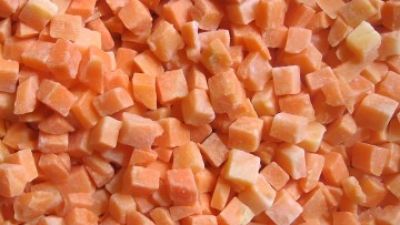
Exploring the nutritional benefits and culinary uses of Individual Quick Frozen (IQF) carrots reveals their versatility and value as a staple in modern kitchens. Our high-quality frozen carrots, available in various forms such as dices, slices, and strips, are ideal for a multitude of culinary applications. The freezing process preserves the vibrant color and essential nutrients, ensuring that these carrots are rich in vitamins and minerals essential for a balanced diet. When thawed, they retain a fresh, tender texture, making them easy to incorporate into dishes ranging from soups and stews to stir-fries and vegetable mixes.
Sourced from contracted farming bases and subjected to rigorous quality control measures, these frozen carrots are guaranteed to be free from pesticide residues and contaminants. This commitment to quality ensures that consumers can enjoy not only the delicious taste but also the nutritional benefits of carrots without compromise. Perfect for food processing applications and foodservice chains, our frozen carrots meet bulk purchasing demands while maintaining consistent quality throughout transportation. Whether for home cooks or professional kitchens, IQF carrots stand out as a convenient and healthful addition to any culinary repertoire.
FAQS
: The demand for healthier snacks and the popularity of plant-based diets is driving market growth.
North America holds about 35% of the global dried vegetable market share.
Suppliers should prioritize quality control and maintain transparency in their sourcing processes.
Engaging with local farmers practicing sustainable agriculture helps ensure reliable and fresh supplies.
Implementing traceability systems can maintain quality from farm to final product.
Sustainable practices support environmental health and meet consumer demand for responsibly sourced products.
Approximately 60% of consumers prefer products sourced sustainably.
Varying agricultural practices and climate change present significant challenges for suppliers.
Focusing on organic methods and reducing chemical usage can improve the quality of the products.
Regularly consult industry reports and adapt strategies based on current market trends.
Conclusion
The article "2026 How to Buy Dried Carrot for International Trade" provides a comprehensive overview of the dried carrot market, highlighting crucial elements for successful international trade. It begins with an exploration of the global market dynamics for dried carrots, followed by an analysis of the key factors that influence their pricing. To ensure successful transactions, finding reliable suppliers is emphasized, alongside the need to navigate complex international trade regulations effectively.
Quality standards and certifications play a vital role in ensuring product integrity, while logistics and shipping considerations are crucial for timely delivery. The article also addresses the importance of developing a sustainable supply chain to meet growing consumer demands for ethical sourcing. Overall, this guide serves as a valuable resource for those looking to engage in the international trade of dried carrots, from understanding market trends to ensuring compliance with quality and regulatory standards.