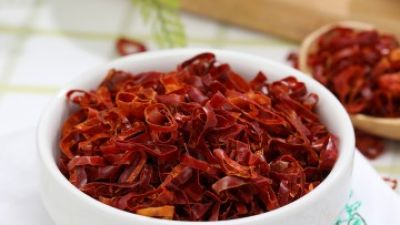
When it comes to sourcing spices, especially Dried Chili, it's super important for buyers around the world to approach it with a bit of knowledge and care. I mean, Max Thompson, the guy who started Spice Masters LLC, once said, 'Quality Dried Chili isn’t just about the product; it’s like giving your palate a whole experience.' That really hits home, right? It highlights how crucial it is to pick out high-quality Dried Chili Peppers that tick all the boxes—flavor and making sure they meet all the rules and standards.
Now, sourcing Dried Chili isn’t always straightforward. There are a ton of things to keep in mind. For example, understanding the different types of chilies is a must because they can taste totally different. Some might pack a serious punch of heat, while others are more on the sweet, mellow side. Knowing the difference can really impact your final product.
And let’s not forget about the supply chain chaos! Things like seasons and weather changes can really shake up availability and prices. That’s why it’s so important to stay in the loop and be flexible. Relying on just one supplier can be risky—what if they run out or the quality drops? So, honestly, managing Dried Chili sourcing is all about combining some solid knowledge, a bit of research, and staying adaptable. That’s the best way to keep quality high and everyone happy in the end.
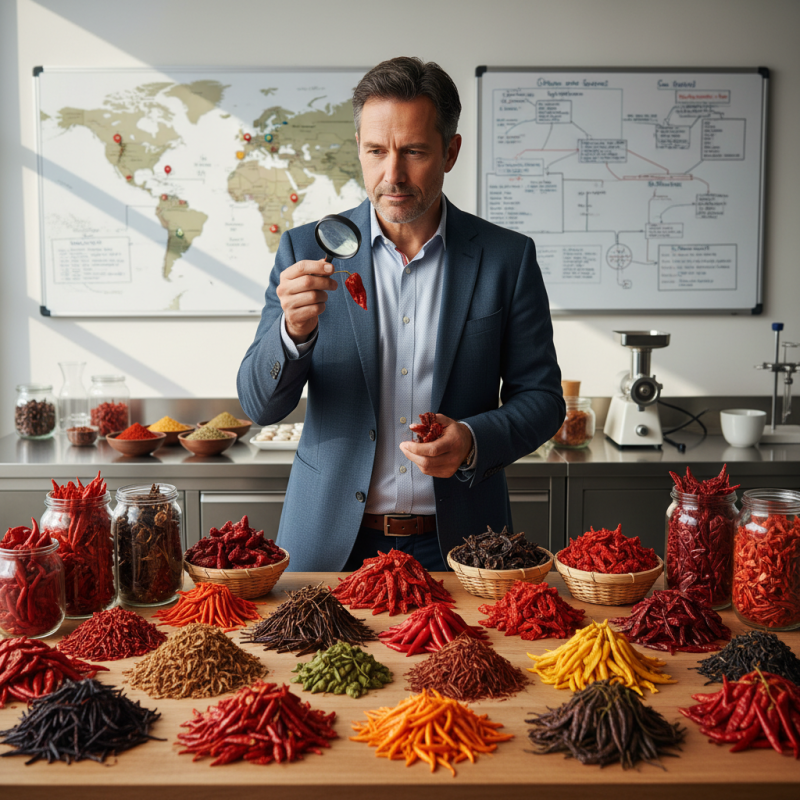
Understanding the Global Dried Chili Market Trends and Insights
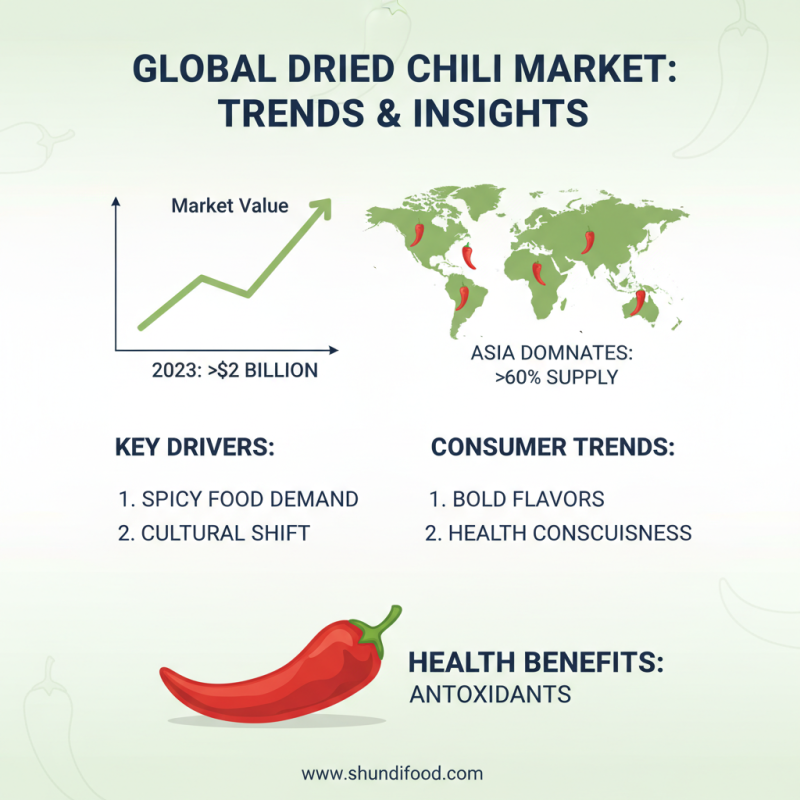
The global Dried Chili market is growing rapidly. Recent reports indicate that its value exceeded $2 billion in 2023, driven by increasing demand for spicy foods. Countries in Asia dominate this market, contributing over 60% of the total supply. This trend reflects a cultural shift toward bold flavors and health consciousness. More people are seeking the health benefits associated with dried chilies, including their antioxidant properties.
In the Americas, the dried chili market is also expanding. Around 35% of consumers express a preference for natural food products. This has encouraged suppliers to focus on quality over quantity. They are looking for sustainable sourcing practices. With consumers becoming more discerning, the importance of traceability in the supply chain is rising. Buyers must consider the certifications of their suppliers because quality varies greatly. A lack of standardized regulations poses a challenge, making it essential for buyers to conduct proper due diligence.
Emerging markets present both opportunities and challenges. For instance, the demand for organic dried chili is on the rise. However, not all suppliers can meet these standards. As buyers navigate this complex landscape, they must remain adaptable. It is crucial to regularly assess changing market dynamics and consumer preferences. Understanding these trends will be key to making informed sourcing decisions in the dried chili market.
Key Factors Influencing Dried Chili Prices Worldwide
Dried chili prices fluctuate based on various market dynamics. Key factors include the harvest yield, climate conditions, and regional demand. When the harvest is poor, prices can skyrocket due to limited supply. Adverse weather impacts crop growth, leading to diminished yields and increased costs.
Another significant factor is global demand. Countries with a strong culinary tradition often boost demand for specific chili varieties. As preferences shift in different regions, prices can vary widely. Market trends indicate that consumers are becoming more adventurous, exploring upscale chili options. This pursuit alters the pricing structure significantly.
Trade policies and tariffs also contribute to price variation. Import restrictions can limit availability in certain areas, driving up local prices. Buyers must stay informed about such regulations. Knowledge of local market conditions is crucial. A lack of awareness can lead to poor purchasing decisions. There is always a need for careful analysis and strategy development when engaging in the dried chili market.
Top Countries for Dried Chili Production and Export in 2026
In 2026, the dried chili market is shaped significantly by top-producing countries. India remains the largest exporter of Dried Red Chili Peppers, accounting for nearly 40% of global exports. The unique climate and agricultural practices in regions like Andhra Pradesh promote high-quality yields. Reports indicate that the production volume in India reached 1.5 million metric tons in 2025, reinforcing its dominance in this sector.
China and Mexico are also major players in the dried chili industry. With robust supply chains, these countries contribute substantially to the international market. China's production has become increasingly efficient, with over 800,000 metric tons forecasted for 2026. Meanwhile, Mexico focuses on specific varieties known for their flavor, appealing to global culinary trends. The mix of cultivation methods and varietals here offers buyers diverse options.
While these numbers are promising, challenges remain. Climate change poses risks to consistent yields. Reports indicate fluctuating weather patterns could disrupt production cycles. Buyers must consider the reliability of their sources to avoid potential shortages. Understanding these complexities will better prepare global buyers when navigating the dried red chili peppers market.
Evaluating Quality Standards for Sourcing Dried Chilies
When sourcing dried chilies, quality is paramount. The standards can vary significantly across regions. According to industry reports, over 40% of buyers prioritize flavor and aroma when selecting Dried Chili Pepper. Visual appearance is also crucial. A uniform color often indicates quality. It is essential to examine chilies for any signs of mold or discoloration.
Moisture content is another critical factor. Ideal moisture levels range between 8% to 12% for dried chili pepper. Higher moisture can lead to spoilage and reduced shelf life. A study by the Spices Board of India highlights that proper processing techniques can optimize these moisture levels. However, many suppliers still struggle with consistency in their drying methods, which can impact the end product significantly.
Testing for capsaicin levels, the compound responsible for the heat in chilies, is also vital. While average capsaicin levels can vary, a report noted that some suppliers offer chilies with subpar heat profiles, affecting overall market standards. Buyers must ask for testing data to ensure the chilies meet their specifications. The nuances in quality assessment underscore the need for diligence when sourcing dried chili pepper.
Essential Tips for Selecting Reliable Dried Chili Suppliers
When sourcing Dried Chili Flakes, selecting reliable suppliers is vital. Look for suppliers with proven experience in the industry. They should have a track record of providing high-quality products. References and customer reviews can offer insights into their reliability. For instance, a solid reputation often indicates consistent quality.
Assessing the supplier's production methods is crucial. Understanding how they harvest and process their dried chili flakes can gauge the spice's flavor and heat level. Transparency in these practices reflects their commitment to quality. Additionally, consider suppliers who participate in industry standards and certifications. This often shows they prioritize safety and quality.
It’s also beneficial to visit the supplier's facilities, if possible. Seeing their operations in person can build trust and clarify any doubts. However, managing expectations is key. Even well-reputed suppliers can occasionally have lapses. Therefore, developing a solid communication channel is essential. Regular updates can help monitor the quality and consistency of your dried chili supplies.
2026 Dried Chili Type Popularity Among Global Buyers
Market Demand Analysis: Key Buyers' Preferences in 2026
In 2026, dried chili demand continues to surge globally. Buyers prioritize quality, flavor, and authenticity. Sourcing decisions hinge on these factors, making strong supplier relationships vital. Many buyers seek vendors who provide detailed product information and reliable samples. Transparency in sourcing practices is key.
Regional preferences also shape the market. European buyers lean towards specific varieties, while Asian markets value heat and spice. The trend towards organic and sustainably sourced products grows stronger. Buyers are increasingly scrutinizing certifications and origins. This might reflect a shift towards more responsible consumption patterns.
However, challenges remain for suppliers. Ensuring consistent quality and availability can be tough. Some buyers note discrepancies between samples and actual shipments. Others express frustration with long lead times. These issues highlight the need for effective communication throughout the supply chain.
Forecasting the Future of the Dried Chili Industry through 2030
The dried chili industry is poised for significant growth through 2030. According to recent market analysis, the global dried chili market is projected to reach approximately $7.1 billion by 2030. This growth is fueled by rising consumer demand for spicy foods and the health benefits associated with chili peppers. People are increasingly incorporating chilies into their diets for flavor and wellness.
The Asia-Pacific region is expected to dominate the dried chili market. Countries such as India and China are leading producers, contributing to over 60% of global supply. Yet, challenges persist. Climate change threatens crop yields, affecting the quality and availability of dried chili. Moreover, the growing preference for organic products is pushing producers to adapt or lose their market share. This trend indicates a need for sustainable practices in chili cultivation and sourcing.
Innovative processing techniques are also emerging in the industry. Companies are exploring dehydration methods that preserve flavor and nutrients. Some reports suggest that investment in technology could reduce waste by up to 30%. As the market evolves, buyers must stay informed and adapt to ensure they meet consumer expectations while navigating these complex challenges.
Unlocking the Heat: Exploring the Flavors and Benefits of Chili in Your Kitchen
Chili peppers, with their vibrant flavors and heat profiles, are a staple in kitchens around the world. In fact, a report from the Food and Agriculture Organization (FAO) highlights that chili peppers are among the top five most consumed vegetables globally, highlighting their popularity across diverse cuisines, particularly in Mexican, Indian, Southeast Asian, and Mediterranean dishes. The ability to adjust the heat level allows chefs to enhance their creations, making chili a versatile ingredient.
Air-dried chili products present an excellent solution for home cooks and culinary professionals alike. By undergoing a controlled air-drying process, these chilies maintain their inherent flavors, nutritional benefits, and spiciness while achieving a longer shelf life compared to their fresh counterparts. This not only reduces food waste but also ensures that premium flavor is just a sprinkle away. Available in various forms—such as flakes, granules, powder, and crushed—these air-dried chili options cater to different culinary needs and preferences, making it easier than ever to incorporate the rich taste of chili into everyday dishes. According to a recent industry analysis, the global demand for dried spices, including chili, has surged, indicating consumers' increasing desire for flavorful and convenient cooking solutions.
FAQS
: The value of the global dried chili market exceeded $2 billion in 2023.
Asia dominates the market, contributing over 60% of the total supply.
More people seek the health benefits and bold flavors associated with dried chilies.
Buyers should examine flavor, aroma, visual appearance, and moisture content.
The ideal moisture levels range between 8% to 12% for dried chili peppers.
Capsaicin levels affect the heat of chilies, impacting market standards significantly.
Buyers should seek suppliers with proven experience, good reputation, and quality certifications.
Yes, visiting can build trust but manage expectations; lapses can still occur.
Traceability is crucial; quality can vary greatly due to a lack of standardized regulations.
Emerging markets see rising demand for organic products, but not all suppliers can meet standards.
Conclusion
The article titled "2026 Best Dried Chili Sourcing Guide for Global Buyers" provides an in-depth analysis of the dried chili market, highlighting key trends and insights expected in 2026. It examines the various factors that significantly influence dried chili prices around the world and identifies leading countries in dried chili production and export. Additionally, the article outlines essential quality standards that buyers should consider when sourcing dried chilies and offers practical tips for selecting trustworthy suppliers.
Furthermore, it delves into market demand analysis, shedding light on buyer preferences and expectations for the year. The guide concludes with a forecast for the dried chili industry, projecting developments and changes leading up to 2030. Overall, this comprehensive sourcing guide serves as an invaluable resource for global buyers looking to navigate the complexities of the dried chili market effectively.